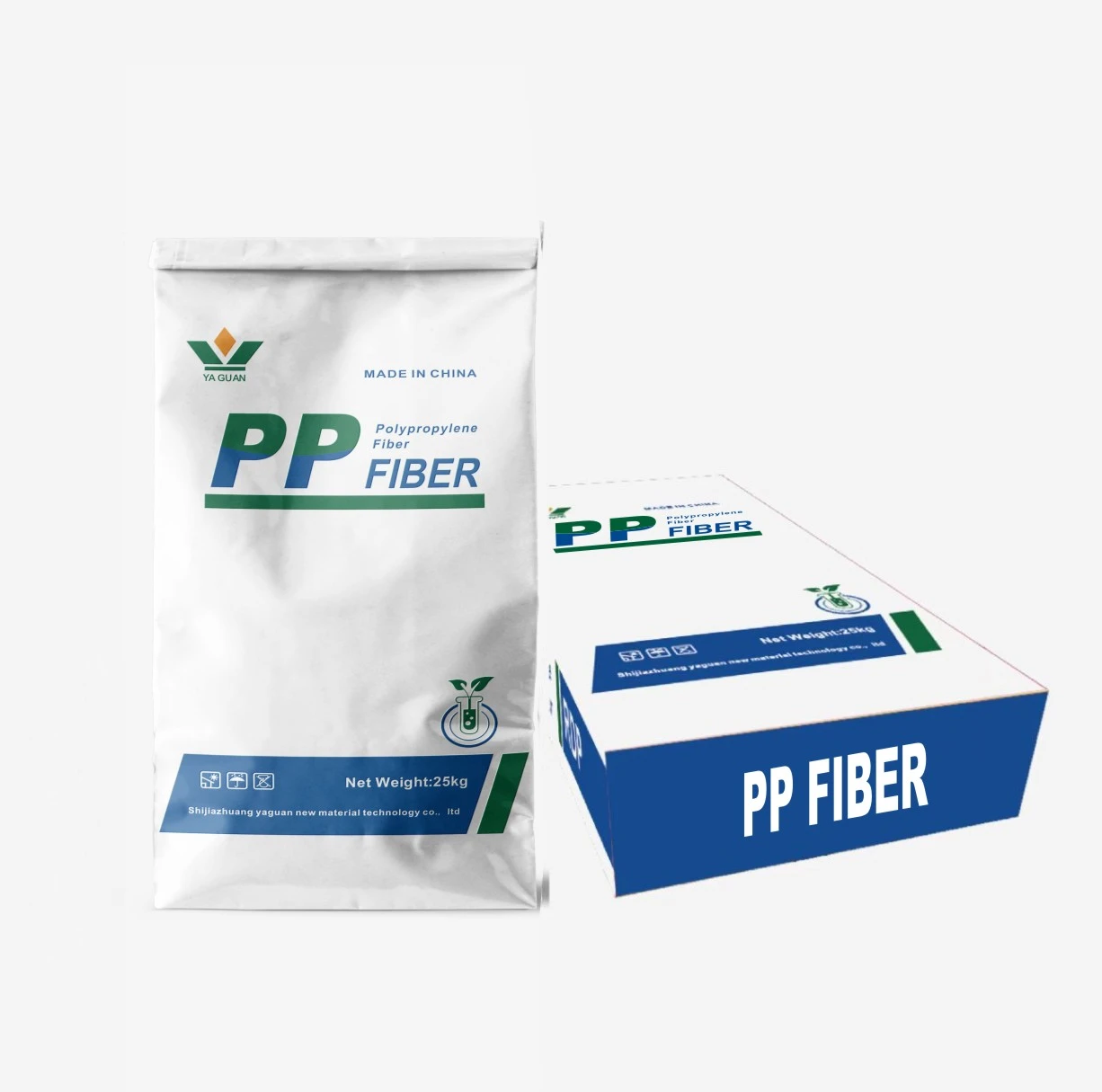


Understanding PVA Before Plastering: A Comprehensive Guide
Preparing surfaces for plastering is critical for achieving a durable and aesthetically pleasing finish. One of the most common pre-treatment steps is applying Polyvinyl Alcohol (PVA). This article will comprehensively explore the purpose of PVA, how to use it correctly, its benefits, and potential pitfalls. We’ll delve into the science behind PVA’s effectiveness, and offer best practices for optimal results. Using PVA correctly ensures strong adhesion, reduces dust, and ultimately improves the longevity of your plasterwork.
What is PVA and Why Use it Before Plastering?
PVA, in the context of plastering, is a synthetic polymer adhesive. It’s a milky-white liquid that, when applied to a surface, penetrates and binds dust particles together. This creates a stable, sealed surface, enhancing the adhesion of subsequent plaster coats. Without PVA, highly absorbent surfaces like brickwork, concrete, or old plaster will draw moisture from the new plaster too quickly, leading to cracking, poor bonding, and ultimately, failure. PVA essentially creates a barrier, slowing down moisture absorption and allowing the plaster to cure properly. It's not a glue, but a surface consolidator and primer.
Key Benefits: Improved plaster adhesion, Reduced dust, Enhanced plaster workability, Minimised cracking, Increased plaster longevity.
PVA Before Plastering: A Step-by-Step Guide
Applying PVA is relatively straightforward, but attention to detail is vital. First, ensure the surface is free of loose debris, dirt, and grease. Remove any flaking paint or old wallpaper. Next, dilute the PVA with water – typically a 1:5 to 1:10 ratio depending on the surface porosity (more porous surfaces require less dilution). Apply the diluted PVA evenly using a brush or sprayer. Avoid creating puddles, and allow it to dry completely before applying plaster – typically 2-4 hours depending on temperature and humidity. Multiple thin coats are preferable to one thick coat. Always read and follow the manufacturer's instructions on the PVA product you’re using.
PVA Application Checklist:
• Clean the surface thoroughly.
• Dilute PVA with water (1:5 - 1:10).
• Apply evenly with a brush or sprayer.
• Allow to dry completely (2-4 hours).
PVA vs. Plaster Primer: What’s the Difference?
While both PVA and plaster primers aim to prepare surfaces for plastering, they are distinct products with different applications. PVA primarily seals and consolidates the surface, reducing absorbency. A plaster primer, however, often contains additives that enhance adhesion, improve workability, and offer additional benefits like mould resistance. Primers are generally more expensive than PVA. PVA is ideal for porous, dusty surfaces, while a primer is often preferred for smoother, less absorbent surfaces, or when specific properties like mould resistance are desired. Choosing the right product depends on the surface condition and your project’s requirements.
Common Mistakes to Avoid When Using PVA
Several common mistakes can compromise the effectiveness of PVA. Applying PVA to a dirty surface defeats its purpose, as it will seal in the dirt. Using too much PVA can lead to a slippery surface and hinder plaster adhesion. Applying plaster before the PVA is fully dry will result in poor bonding. Finally, using PVA on non-absorbent surfaces is unnecessary and can even create problems. Avoiding these pitfalls will ensure optimal results. For the best PVA products and expert advice, visit Yaguan HPMC.

Product Specifications for Yaguan PVA
Yaguan HPMC offers high-quality PVA specifically formulated for optimal plaster adhesion. Here are some key specifications:
Conclusion: The Key to a Lasting Plaster Finish
Using PVA before plastering is a simple yet crucial step for ensuring a strong, durable, and aesthetically pleasing finish. By understanding its purpose, proper application techniques, and potential pitfalls, you can significantly improve the longevity of your plasterwork. For high-quality PVA products and expert advice, Yaguan HPMC is your trusted partner.
Frequently Asked Questions (FAQs)
Can I use PVA on plasterboard?
While PVA can be used on plasterboard, it's not always necessary. New plasterboard typically has enough surface key for plaster to adhere. However, if the plasterboard is old, damaged, or particularly porous, applying a diluted PVA coat can improve adhesion. It’s best to test a small area first. For best results on plasterboard, consider using a dedicated plasterboard primer, which provides superior bonding and sealing properties.
How long does PVA take to dry?
PVA typically takes 2-4 hours to dry completely, but this can vary depending on temperature, humidity, and ventilation. Higher temperatures and better ventilation will accelerate the drying process. Avoid applying plaster until the PVA is fully dry to the touch and has lost its milky appearance. Applying plaster too soon can lead to poor adhesion and cracking.
What surfaces shouldn't I use PVA on?
Avoid applying PVA to non-absorbent surfaces like painted surfaces with a good coating, gloss finishes, or tiles. PVA won’t adhere effectively to these surfaces and may create a slippery layer that hinders plaster adhesion. In these cases, a specialist bonding agent or primer is more appropriate. Also, avoid using PVA on already plastered surfaces as it won't improve adhesion, but rather create a weak interface.
Can I add anything to PVA to improve its properties?
While PVA is effective on its own, some professionals add a small amount of fungicide to the diluted PVA to inhibit mould growth, particularly in damp environments. However, it’s crucial to use a fungicide specifically designed for use with PVA and to follow the manufacturer's instructions carefully. Adding other substances may compromise the PVA’s effectiveness and is generally not recommended.