
 Mar . 05, 2026
Understanding PVA Walls Before Plastering For Optimal Results
Preparing walls before plastering is a crucial step in achieving a
smooth, durable, and professional finish. Polyvinyl Alcohol (PVA) is frequently used as a
primer, often referred to as a 'sizing', to seal porous surfaces. This article will explore
the benefits of using PVA before plastering, the proper application techniques, and what to
expect. Understanding the role of PVA is essential for both DIY enthusiasts and professional
plasterers to ensure optimal plaster adhesion and longevity. We will also cover potential
issues and how to avoid them. PVA, in the context of wall preparation, isn’t the same as PVA
glue used for crafting. It's a synthetic polymer emulsion specifically formulated for
building applications. Its primary function is to reduce the porosity of the substrate (the
wall surface). Porous surfaces like brickwork, old plaster, or highly absorbent boards will
rapidly draw moisture from the freshly applied plaster, leading to issues like cracking,
poor adhesion, and a weakened finish. PVA effectively seals these pores, creating a more
uniform surface for the plaster to bond to. It also provides a slight 'key' for improved
adhesion.
Mar . 05, 2026
Understanding PVA Walls Before Plastering For Optimal Results
Preparing walls before plastering is a crucial step in achieving a
smooth, durable, and professional finish. Polyvinyl Alcohol (PVA) is frequently used as a
primer, often referred to as a 'sizing', to seal porous surfaces. This article will explore
the benefits of using PVA before plastering, the proper application techniques, and what to
expect. Understanding the role of PVA is essential for both DIY enthusiasts and professional
plasterers to ensure optimal plaster adhesion and longevity. We will also cover potential
issues and how to avoid them. PVA, in the context of wall preparation, isn’t the same as PVA
glue used for crafting. It's a synthetic polymer emulsion specifically formulated for
building applications. Its primary function is to reduce the porosity of the substrate (the
wall surface). Porous surfaces like brickwork, old plaster, or highly absorbent boards will
rapidly draw moisture from the freshly applied plaster, leading to issues like cracking,
poor adhesion, and a weakened finish. PVA effectively seals these pores, creating a more
uniform surface for the plaster to bond to. It also provides a slight 'key' for improved
adhesion.
 Mar . 04, 2026
Comprehensive Guide to PVA Ceiling Preparation Before Plastering
Preparing a ceiling for plastering is a crucial step for achieving
a smooth, durable, and aesthetically pleasing finish. Often overlooked, the application of
Polyvinyl Alcohol (PVA) before plastering is a widely recommended practice. This article
will delve into the benefits of using PVA, how to apply it correctly, and what to expect in
terms of results. We’ll also cover common mistakes to avoid and address frequently asked
questions, ensuring you have a solid understanding of this important pre-plastering process.
Proper preparation, including PVA application, can significantly enhance the adhesion and
longevity of your plasterwork. PVA acts as a primer, binding dust and loose particles on the
ceiling surface. This creates a stable base for the plaster to adhere to, preventing it from
being absorbed into the substrate. Without PVA, the plaster can dry out too quickly, leading
to cracking and reduced strength. PVA also helps to improve the overall adhesion of the
plaster, reducing the risk of delamination (peeling) over time. Furthermore, it equalizes
the porosity of the surface, ensuring a more consistent finish. This is particularly
important when plastering over previously painted surfaces or porous materials like
drywall.
Mar . 04, 2026
Comprehensive Guide to PVA Ceiling Preparation Before Plastering
Preparing a ceiling for plastering is a crucial step for achieving
a smooth, durable, and aesthetically pleasing finish. Often overlooked, the application of
Polyvinyl Alcohol (PVA) before plastering is a widely recommended practice. This article
will delve into the benefits of using PVA, how to apply it correctly, and what to expect in
terms of results. We’ll also cover common mistakes to avoid and address frequently asked
questions, ensuring you have a solid understanding of this important pre-plastering process.
Proper preparation, including PVA application, can significantly enhance the adhesion and
longevity of your plasterwork. PVA acts as a primer, binding dust and loose particles on the
ceiling surface. This creates a stable base for the plaster to adhere to, preventing it from
being absorbed into the substrate. Without PVA, the plaster can dry out too quickly, leading
to cracking and reduced strength. PVA also helps to improve the overall adhesion of the
plaster, reducing the risk of delamination (peeling) over time. Furthermore, it equalizes
the porosity of the surface, ensuring a more consistent finish. This is particularly
important when plastering over previously painted surfaces or porous materials like
drywall.
 Mar . 03, 2026
Optimizing Plaster Adhesion with PVA Before Plastering Techniques
Preparing surfaces for plastering is critical for achieving a
durable and aesthetically pleasing finish. One of the most common pre-treatment steps is
applying Polyvinyl Alcohol (PVA). This article will comprehensively explore the purpose of
PVA, how to use it correctly, its benefits, and potential pitfalls. We’ll delve into the
science behind PVA’s effectiveness, and offer best practices for optimal results. Using PVA
correctly ensures strong adhesion, reduces dust, and ultimately improves the longevity of
your plasterwork. PVA, in the context of plastering, is a synthetic polymer adhesive. It’s a
milky-white liquid that, when applied to a surface, penetrates and binds dust particles
together. This creates a stable, sealed surface, enhancing the adhesion of subsequent
plaster coats. Without PVA, highly absorbent surfaces like brickwork, concrete, or old
plaster will draw moisture from the new plaster too quickly, leading to cracking, poor
bonding, and ultimately, failure.
Mar . 03, 2026
Optimizing Plaster Adhesion with PVA Before Plastering Techniques
Preparing surfaces for plastering is critical for achieving a
durable and aesthetically pleasing finish. One of the most common pre-treatment steps is
applying Polyvinyl Alcohol (PVA). This article will comprehensively explore the purpose of
PVA, how to use it correctly, its benefits, and potential pitfalls. We’ll delve into the
science behind PVA’s effectiveness, and offer best practices for optimal results. Using PVA
correctly ensures strong adhesion, reduces dust, and ultimately improves the longevity of
your plasterwork. PVA, in the context of plastering, is a synthetic polymer adhesive. It’s a
milky-white liquid that, when applied to a surface, penetrates and binds dust particles
together. This creates a stable, sealed surface, enhancing the adhesion of subsequent
plaster coats. Without PVA, highly absorbent surfaces like brickwork, concrete, or old
plaster will draw moisture from the new plaster too quickly, leading to cracking, poor
bonding, and ultimately, failure.
 Feb . 11, 2026
Shijiazhuang Yaguan New Material Technology Co., Ltd. Holiday
Notice – 2026 Chinese Lunar New Year
Dear Valued Customers and Partners,As we celebrate the 2026
Chinese Lunar New Year (Year of the Horse), we would like to inform you of our holiday
schedule as follows
Feb . 11, 2026
Shijiazhuang Yaguan New Material Technology Co., Ltd. Holiday
Notice – 2026 Chinese Lunar New Year
Dear Valued Customers and Partners,As we celebrate the 2026
Chinese Lunar New Year (Year of the Horse), we would like to inform you of our holiday
schedule as follows
 Jan . 31, 2026
Uses of HPMC: The Advanced Binder Transforming Manufacturing
Excellence
In the intricate world of ceramic manufacturing, where
precision, strength, and quality are paramount, the choice of processing aids can define the
success of the final product. Among the various functional additives, Hydroxypropyl
Methylcellulose (HPMC) has emerged as a cornerstone material
Jan . 31, 2026
Uses of HPMC: The Advanced Binder Transforming Manufacturing
Excellence
In the intricate world of ceramic manufacturing, where
precision, strength, and quality are paramount, the choice of processing aids can define the
success of the final product. Among the various functional additives, Hydroxypropyl
Methylcellulose (HPMC) has emerged as a cornerstone material
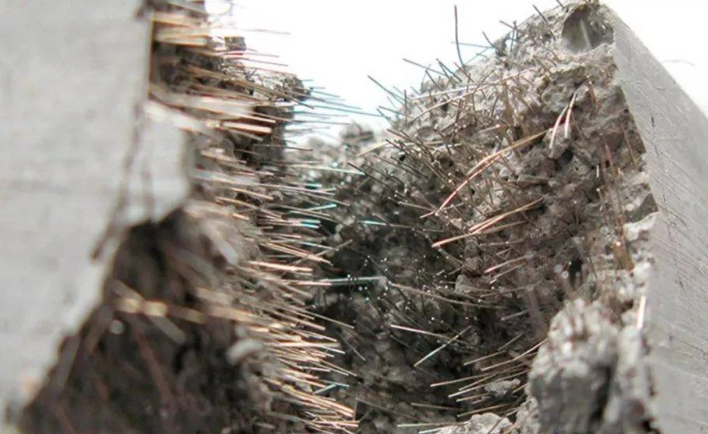 Jan . 31, 2026
Revolutionizing Durability: The Power of High-Performance PP Fiber
Concrete Mixtures
In the evolving world of modern construction, the quest for
materials that offer superior strength, longevity, and resilience is never-ending. Concrete,
the backbone of global infrastructure, has seen remarkable advancements. Among these
Jan . 31, 2026
Revolutionizing Durability: The Power of High-Performance PP Fiber
Concrete Mixtures
In the evolving world of modern construction, the quest for
materials that offer superior strength, longevity, and resilience is never-ending. Concrete,
the backbone of global infrastructure, has seen remarkable advancements. Among these


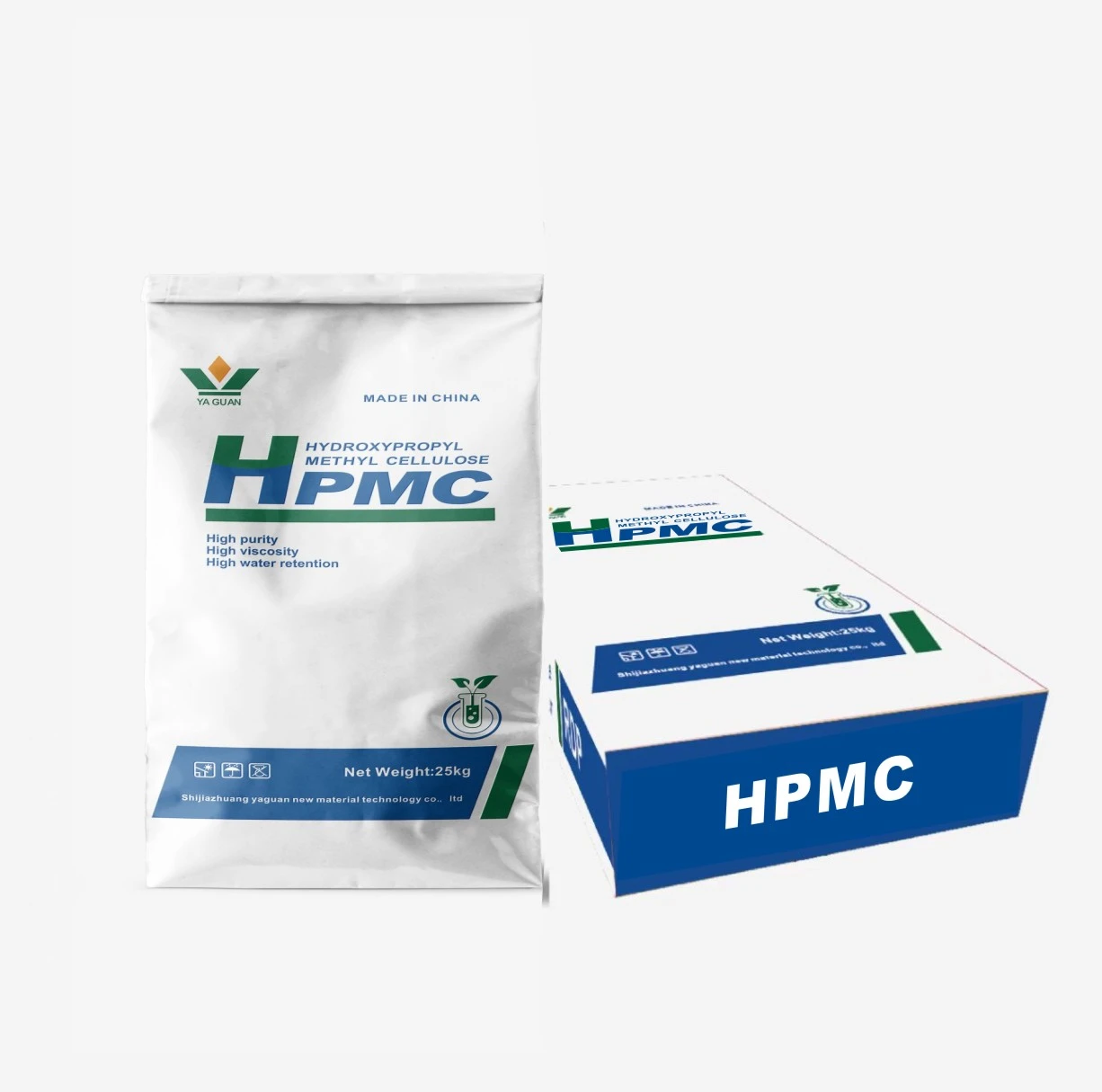 Hydroxypropyl Methyl Cellulose( HPMC)
YAGUAN"HPMC is a non-ionic cellulose ether,an odourless, tasteless,non-toxic white powder,soluble in water and most polar organic solvents.The aqueous solution has surface activity, high transparency and stable performance.It has the character- istics of thickening,bonding,dispersing,emulsifying,film-form- ing,suspending,adsorbing,gelling,surface activity,retaining water and protecting colloid.
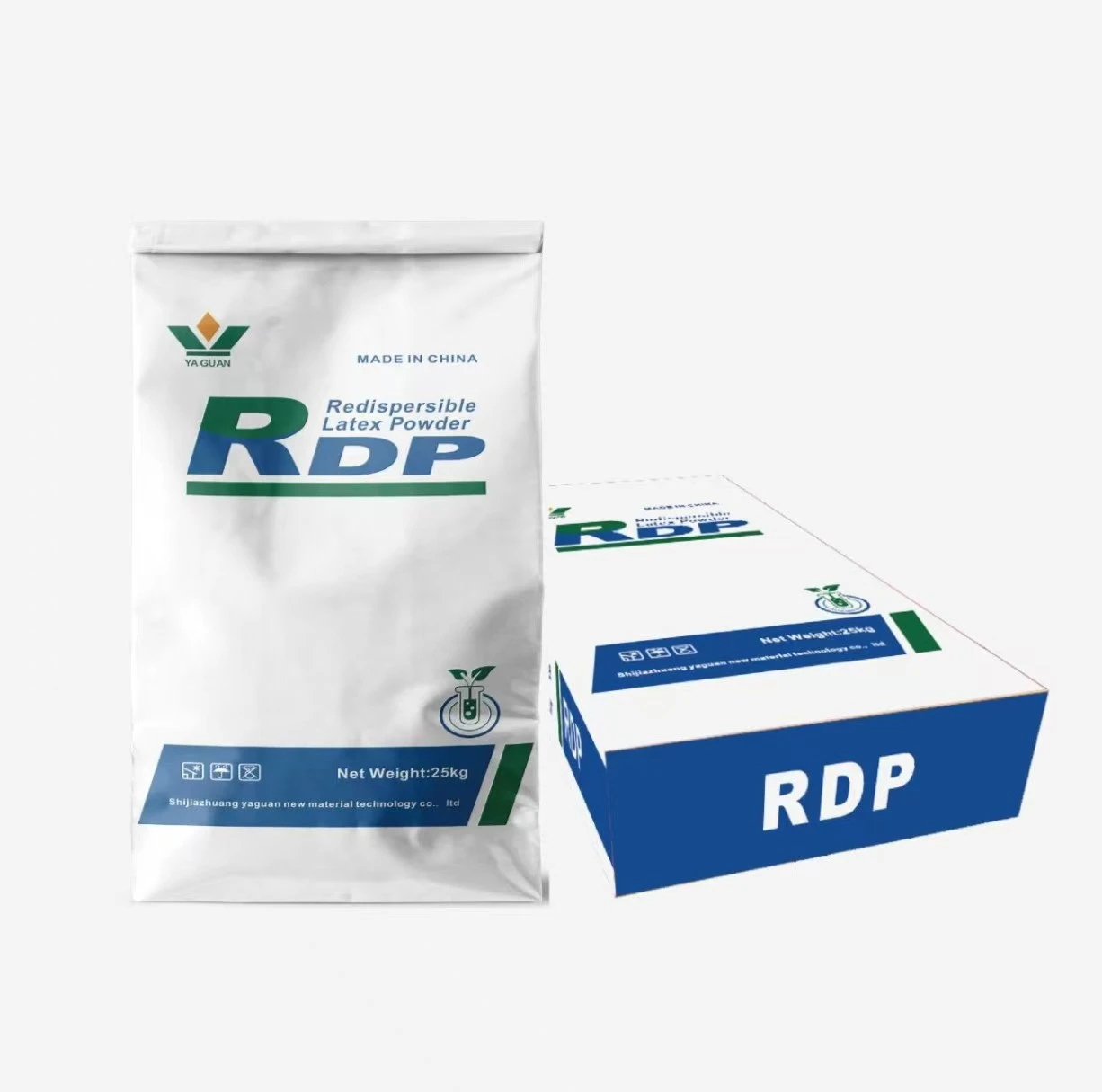 Redispersible Polymer Powder(RDP)
YAGUAN"RDP belongs to the emulsion powder of ethylene-vinylacetatecopolymer whichcanbe dispersed
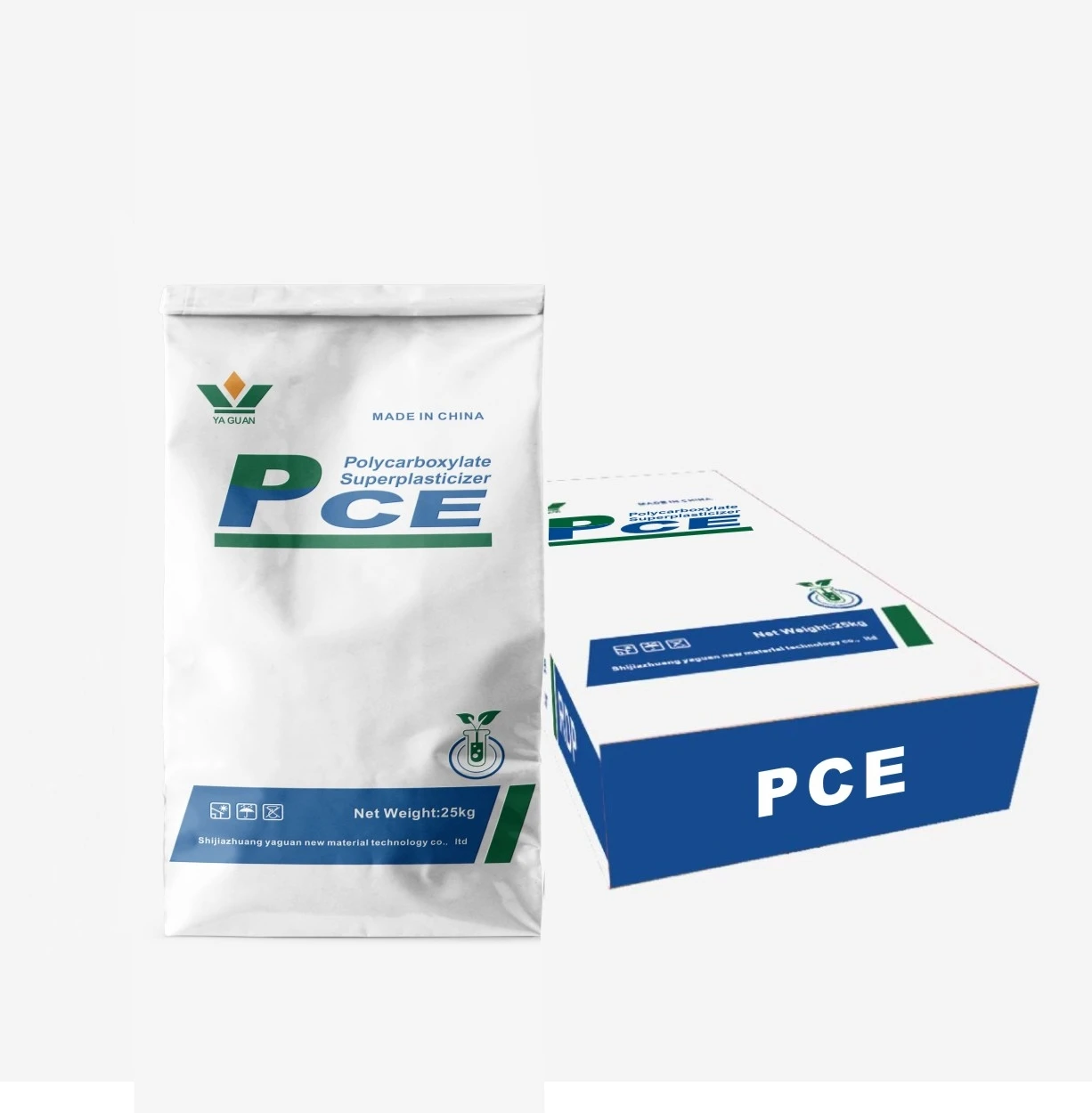 PC-826 Slump Retention Polycarboxylate
Superplasticizer
PC-826 Slump Retention Polycarboxylate
Superplasticizer
product presentation
PC-826 is a functional powder polycarboxylic acid superplasticizer prepared by special spray drying process by modified polyether polymerization. It is a new generation of concrete slow-release water reducing agent with high plastic retention.
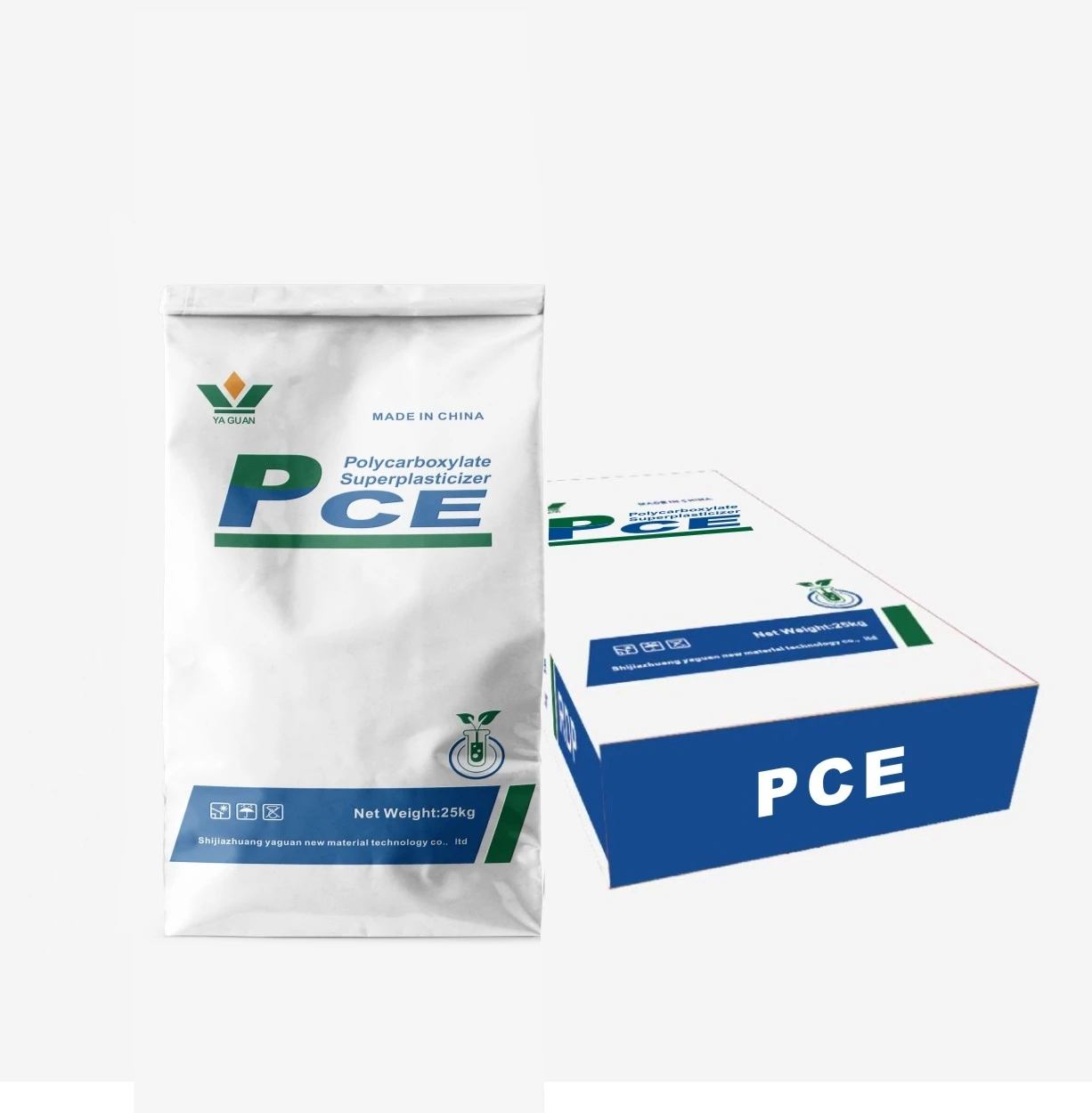 PC-733 Powder Polycarboxylate Water Reducing Agent
product presentation
PC-733 is a powder polycarboxylic acid superplasticizer prepared by special spray drying process by modified polyether polymerization, and a new generation of concrete water reducing agent with ultra high water reduction rate.
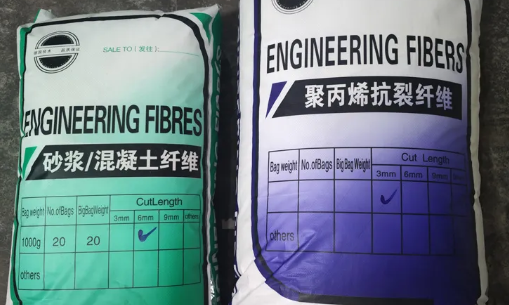
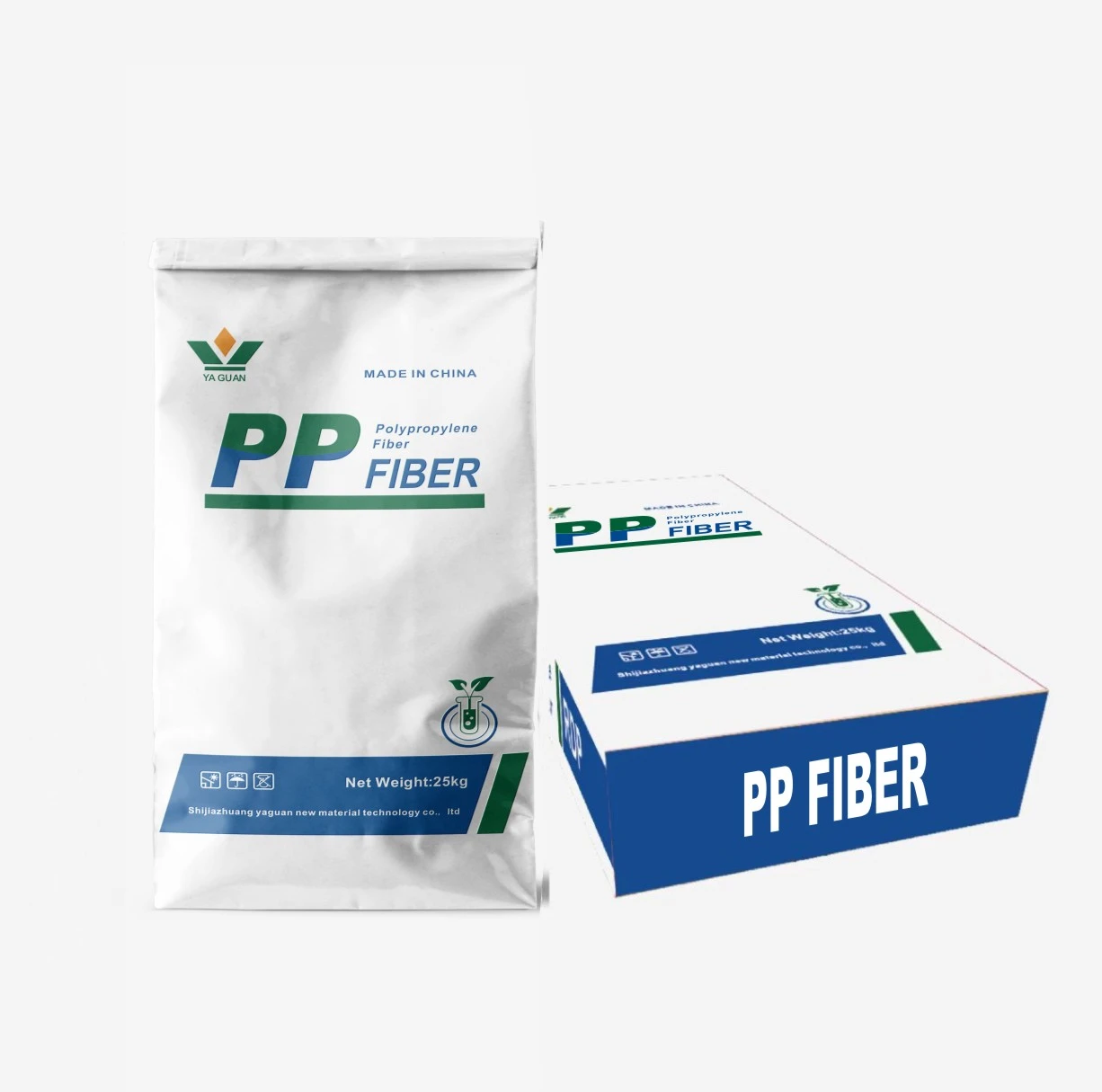 Polypropylene Fiber
YAGUANPolypropylene Fiber,also known as anti-crackingfiber,PPfiber,or concrete fiber,is a high-strength bundled monofilament fiber made of polypropylene.The addition of our polypropylene fiber products to mortar or concrete can effectively control the micro-cracks of concretes or mortars caused by plastic shrink- age