Introduction
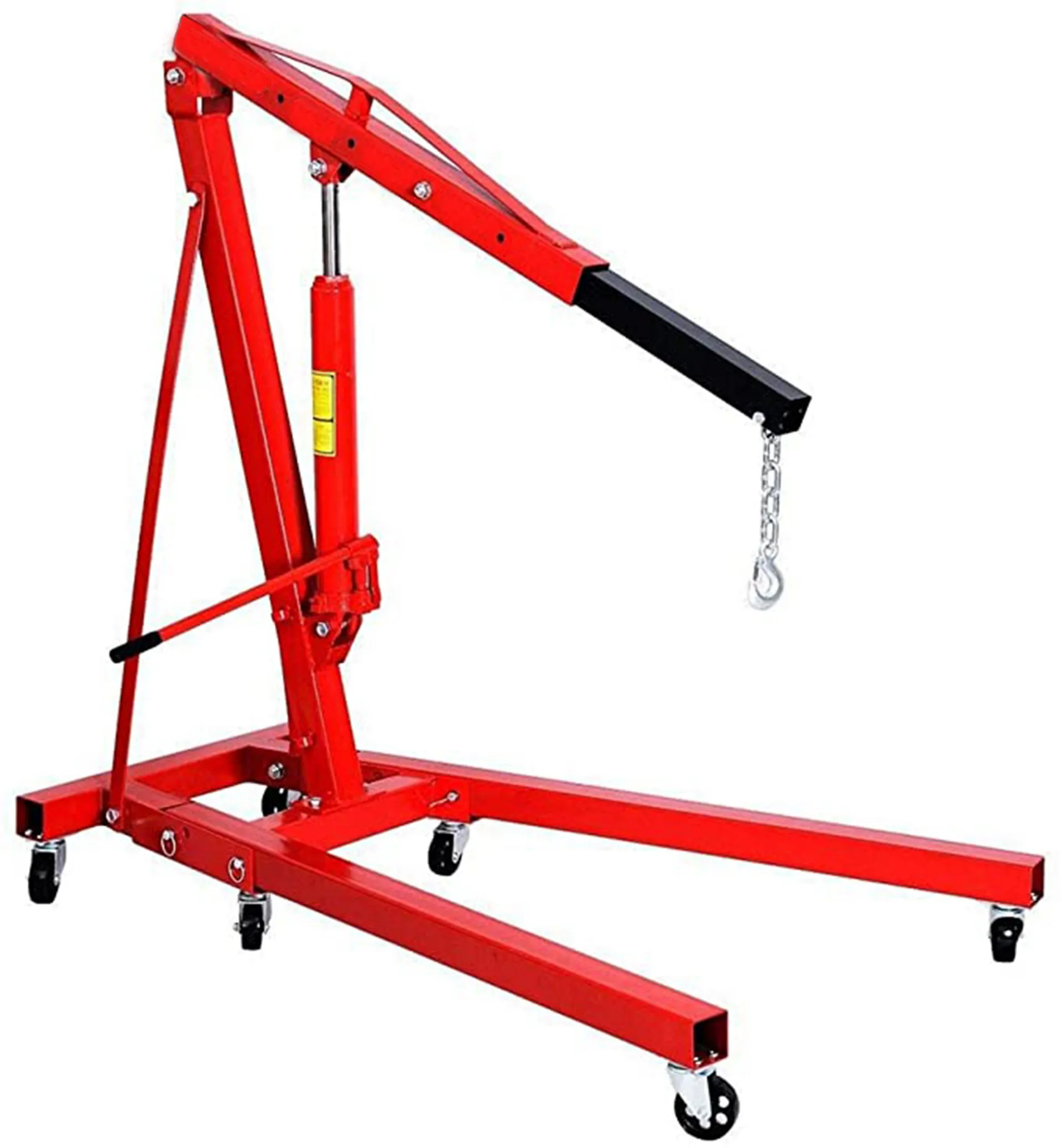
A 2-ton floor jack and jack stand system constitutes critical lifting and support equipment within automotive, industrial maintenance, and heavy equipment repair sectors. These tools enable technicians to safely elevate vehicles and machinery for inspection, repair, and maintenance procedures. Floor jacks utilize hydraulic principles to generate substantial lifting force, while jack stands provide stable, adjustable support to maintain elevated loads. The 2-ton capacity designates the maximum weight the system is engineered to safely lift and support, emphasizing the importance of adherence to load limits for operational safety. Industry demands necessitate robust construction, reliable operation, and adherence to stringent safety standards. Core performance is defined by lift height, stability under load, and the durability of the hydraulic system. Common pain points include corrosion of critical components, hydraulic fluid leakage leading to lift failure, and inadequate stand stability resulting in potential collapses.
Material Science & Manufacturing
The primary material for floor jack bodies and jack stand frames is typically low carbon steel (e.g., AISI 1018), chosen for its weldability and cost-effectiveness. Hydraulic cylinders utilize high-strength alloy steel (e.g., 4140) for superior pressure resistance and wear characteristics. Jack stand pawls and locking pins are frequently manufactured from hardened tool steel (e.g., AISI 1045) to resist deformation under significant load. Manufacturing processes vary. Floor jacks rely heavily on hydraulic cylinder fabrication, involving honing, sealing, and assembly. The hydraulic system incorporates NBR (Nitrile Butadiene Rubber) seals for fluid resistance. Jack stands undergo stamping or forging to create the main body, followed by welding of support structures. Critical parameters during welding include penetration depth and heat input to avoid metallurgical defects. Surface treatments such as phosphating and powder coating are applied to both components to enhance corrosion resistance. Quality control focuses on non-destructive testing (NDT) methods like ultrasonic testing to detect internal flaws in weldments and pressure testing of hydraulic systems to verify leak-free operation. The manufacturing of hydraulic fluid utilizes base oils refined to specific viscosity grades, combined with additives to enhance anti-wear properties and prevent corrosion.
Performance & Engineering
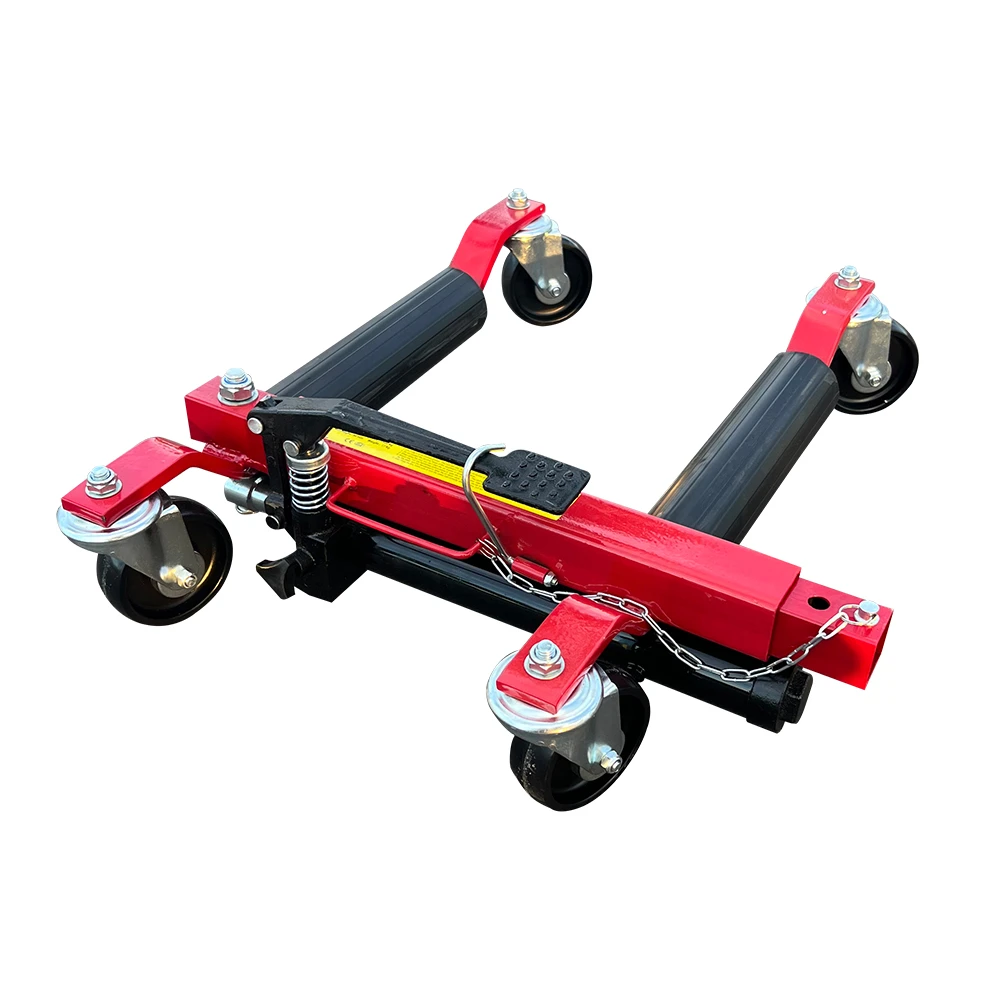
Performance of a 2-ton floor jack and stand system is governed by principles of statics and materials science. Force analysis dictates that the load is distributed across the jack's lifting point and the contact area of the jack stands. The stability of the jack stand relies on a low center of gravity and a sufficiently wide base. Engineering calculations must account for dynamic loading – the impact force when the vehicle is lowered onto the stands. The hydraulic system’s performance is quantified by its pressure rating (typically exceeding 700 PSI for a 2-ton jack) and flow rate, impacting lifting speed. Environmental resistance is crucial; prolonged exposure to moisture and road salts accelerates corrosion. Compliance requirements are mandated by organizations like ASME (American Society of Mechanical Engineers) PALD (Product Assurance and Labeling Division). Specifically, ASME B30.23 outlines safety requirements for hydraulic floor jacks and jack stands, covering load testing, marking, and design considerations. Functional implementation requires precise manufacturing tolerances to ensure proper engagement of the locking mechanisms in the jack stands and prevent unintended lowering. Fatigue analysis is critical for components subjected to cyclical loading, such as the hydraulic piston and jack stand pawls.
Technical Specifications
| Parameter | Floor Jack (Typical) | Jack Stand (Typical) | Units |
|---|---|---|---|
| Capacity | 2.0 | 2.0 | tons |
| Minimum Lifting Height | 3.5 | N/A | inches |
| Maximum Lifting Height | 24 | N/A | inches |
| Base Frame Length | 27 | N/A | inches |
| Jack Stand Height Range | N/A | 11.5 - 17.5 | inches |
| Steel Grade (Body/Frame) | AISI 1018 | AISI 1018 | - |
| Hydraulic Fluid Type | Paraffinic Oil | N/A | - |
Failure Mode & Maintenance
Common failure modes include hydraulic fluid leakage due to seal degradation, leading to reduced lifting capacity or complete failure. Fatigue cracking can occur in jack stand welds or the hydraulic cylinder, particularly under repeated stress cycles. Corrosion is a significant issue, especially in environments with exposure to salt and moisture, leading to weakening of structural components. Pawl failure in jack stands, often due to wear or impact damage, can result in uncontrolled lowering. The hydraulic system can also fail due to air ingress or contamination of the fluid. Maintenance is crucial. Regularly inspect seals for leaks and replace as needed. Lubricate all moving parts, including the jack stand pawls and the jack screw. Ensure the hydraulic fluid level is adequate and the fluid is free of contamination. Perform periodic load testing to verify the system's capacity. Store the jack and stands in a dry environment to prevent corrosion. Never exceed the rated capacity. Inspect for signs of damage, such as cracks or deformation, before each use. Proper storage and preventative maintenance are key to extending the lifespan and ensuring the safe operation of the equipment. A common failure analysis technique is fractography of failed components to determine the root cause of the fracture (fatigue, overload, corrosion).
Industry FAQ
Q: What is the acceptable margin of error for the stated lifting capacity?
A: The stated lifting capacity represents the maximum safe working load. Acceptable margin of error is minimal. ASME B30.23 mandates rigorous testing to ensure the system consistently meets or exceeds the rated capacity. A deviation exceeding 5% should prompt immediate removal from service and thorough inspection.
Q: How often should the hydraulic fluid be replaced?
A: Hydraulic fluid should be replaced every 12-24 months, or more frequently in harsh operating conditions (e.g., dusty environments). Fluid degradation occurs due to contamination and oxidation, reducing its lubricating properties and potentially causing corrosion.
Q: What is the impact of using an incorrect type of hydraulic fluid?
A: Using an incorrect fluid can damage seals, reduce lubricating properties, and cause corrosion. Always use the fluid type specified by the manufacturer – typically a paraffinic oil with appropriate viscosity and additives.
Q: What are the critical inspection points for jack stands before use?
A: Inspect the pawls for wear or damage, verify the locking mechanism engages securely at each height setting, and check for any signs of structural damage (cracks, deformation). Ensure the base is stable and free of obstructions.
Q: What is the proper procedure for lowering a vehicle from jack stands?
A: Slowly and deliberately lower the vehicle using the floor jack, ensuring the jack stands are not subjected to sudden shock loads. Maintain control throughout the lowering process and never lower the vehicle directly onto the jack stands.
Conclusion
The 2-ton floor jack and jack stand system remains a fundamental tool in automotive and industrial maintenance. Its reliable operation is intrinsically linked to robust material selection, precise manufacturing, and diligent adherence to industry standards like ASME B30.23. Understanding the principles of force analysis, hydraulic systems, and potential failure modes is essential for safe and effective utilization.
Continued development focuses on improving corrosion resistance through advanced coating technologies, enhancing locking mechanism designs for increased security, and incorporating lightweight materials to reduce operator fatigue. Regular maintenance, coupled with comprehensive operator training, remains paramount to maximizing the lifespan and ensuring the safety of these critical lifting and support systems.
