Introduction
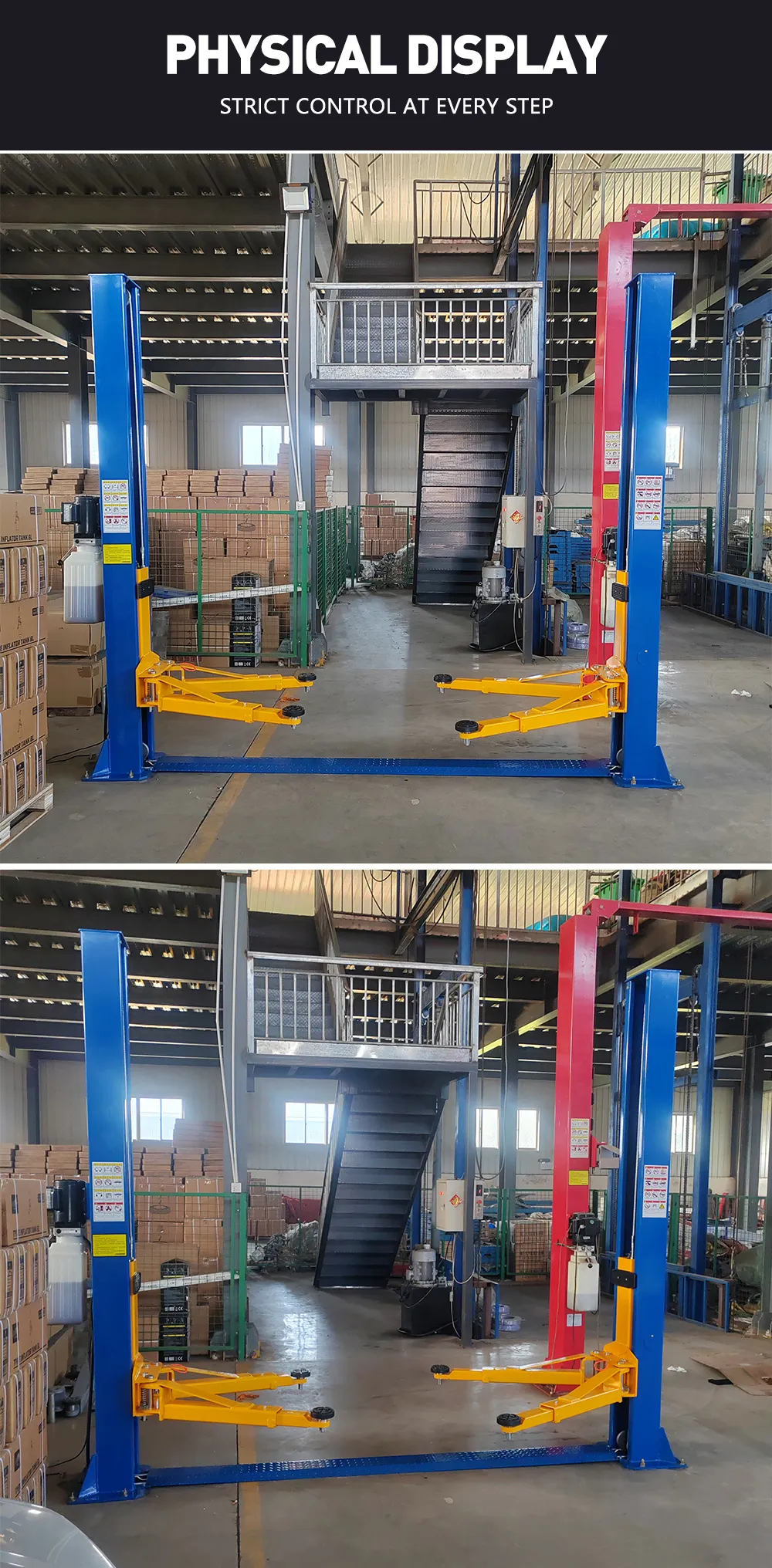
The floor car jack lift, commonly referred to as a hydraulic floor jack, is a mechanical device used to lift vehicles for maintenance and repair. It operates on Pascal's principle, utilizing a hydraulic system to amplify force. Positioned within the automotive aftermarket and professional repair sectors, it represents a critical component for safe vehicle access. Core performance characteristics are defined by lifting capacity (tonnage), lift range (minimum to maximum height), pump stroke count (efficiency of lift), and overall stability during operation. The device bridges the gap between manual effort and substantial lifting force, eliminating the need for ramps or pit access in many scenarios. A primary industry pain point revolves around maintaining consistent performance across varying operating temperatures and ensuring long-term durability under cyclical loading, alongside mitigating risks associated with operator error and insufficient safety protocols.
Material Science & Manufacturing
Floor jack construction relies heavily on high-strength steel alloys. The hydraulic cylinder typically utilizes AISI 1045 steel, chosen for its excellent machinability, weldability, and hardenability. The jack’s frame and lifting arm are frequently constructed from structural steel, such as A36, possessing sufficient yield strength to withstand high loads without permanent deformation. Seals are commonly made of nitrile butadiene rubber (NBR) for compatibility with hydraulic fluid and resistance to abrasion. Manufacturing commences with steel billet cutting and forming – often involving CNC machining for critical components. Cylinder honing is crucial for a smooth piston seal. The hydraulic system is assembled and tested for leaks, operating pressure, and cycle endurance. Welding processes, predominantly shielded metal arc welding (SMAW) or gas metal arc welding (GMAW), must adhere to AWS D1.1 standards. Critical parameters include weld penetration depth, heat-affected zone size, and freedom from porosity. Surface treatments like phosphating are applied to steel components to enhance corrosion resistance. Hydraulic fluid quality control is paramount; typical fluids are mineral oil-based, with viscosity grades carefully selected for optimal performance across temperature ranges. Manufacturing tolerances are tightly controlled, especially in the piston-cylinder interface, to minimize leakage and ensure efficient force transfer.
Performance & Engineering
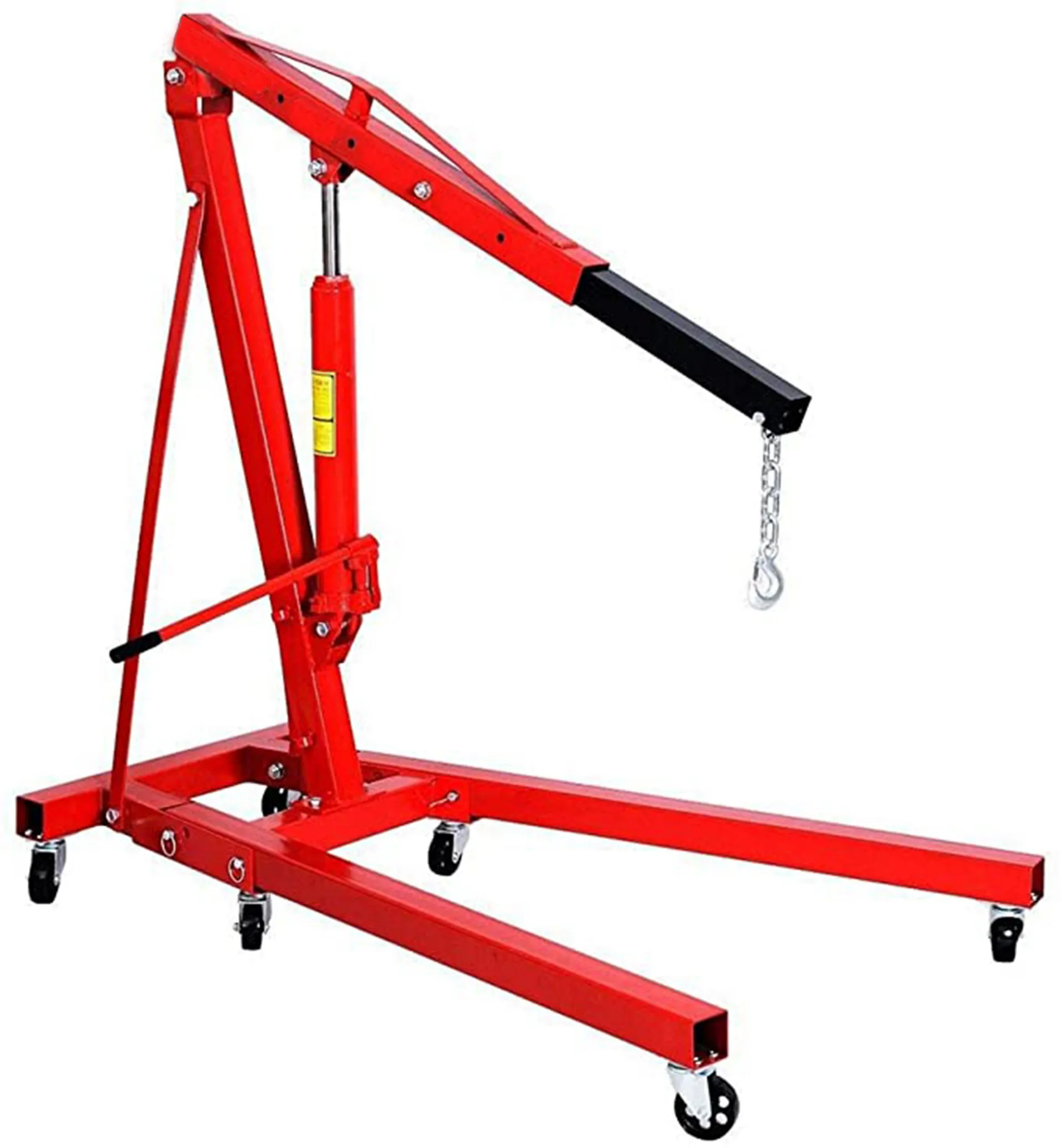
The performance of a floor jack is governed by fundamental principles of fluid mechanics and structural mechanics. Force amplification is dictated by the ratio of the piston areas in the master and slave cylinders, adhering to Pascal’s Law (Pressure = Force/Area). Engineering analysis focuses on stress distribution within the lifting arm and frame, mitigating potential failure points. Finite Element Analysis (FEA) is commonly employed to model load scenarios and optimize structural design. Stability is a key consideration; a wider base and lower center of gravity enhance resistance to tipping. The jack’s saddle, the contact point with the vehicle, must withstand concentrated loads without deformation. Environmental resistance includes protection against corrosion from road salts and humidity. Compliance requirements necessitate adherence to safety standards like ASME PALD-2014 (Pressure Vessel Safety Standards) regarding hydraulic system integrity. The pump mechanism's efficiency is a critical engineering parameter, directly affecting the number of strokes required to achieve the desired lift height. Fatigue analysis is performed on high-stress components to predict lifespan under cyclical loading. Material selection impacts both strength and ductility; a balance is required to prevent brittle fracture. The hydraulic fluid’s thermal expansion coefficient also influences performance, particularly in extreme temperature environments.
Technical Specifications
| Lifting Capacity (Tons) | Minimum Lift Height (in) | Maximum Lift Height (in) | Pump Stroke Count (per Ton) |
|---|---|---|---|
| 2 | 3.5 | 15 | 8 |
| 3 | 3.7 | 18 | 6 |
| 4 | 3.9 | 21 | 5 |
| 5 | 4.1 | 24 | 4 |
| 6 | 4.3 | 27 | 3 |
| 10 | 4.5 | 32 | 2 |
Failure Mode & Maintenance
Common failure modes in floor jacks include hydraulic seal degradation leading to leakage, piston corrosion resulting in reduced lift capacity, and structural fatigue cracking in the lifting arm or frame. Internal corrosion of the cylinder bore can also occur due to moisture contamination of the hydraulic fluid. Failure analysis reveals that seal failure is often accelerated by exceeding the jack’s rated capacity or using it on uneven surfaces. Structural failures typically initiate at stress concentration points, such as weld joints or sharp corners. Maintenance protocols involve regular inspection for leaks, checking hydraulic fluid levels, and lubricating moving parts. Hydraulic fluid should be replaced every 12-24 months, or more frequently in harsh environments, to prevent corrosion and maintain optimal performance. Seals should be inspected and replaced as needed. The lifting arm should be checked for signs of bending or cracking. Preventive maintenance includes cleaning the jack thoroughly to remove dirt and debris and storing it in a dry environment. Avoid subjecting the jack to shock loads or dropping it, as this can damage internal components. Proper saddle placement is crucial to prevent slippage and potential vehicle damage. Signs of impending failure include a slow or jerky lifting action, noticeable leaks, or unusual noises during operation.
Industry FAQ
Q: What is the impact of hydraulic fluid viscosity on jack performance in cold weather?
A: Lower temperatures increase hydraulic fluid viscosity, leading to slower lifting speeds and increased force required to initiate movement. This can also reduce the jack’s efficiency and potentially cause seal damage. Using a fluid with a lower viscosity index specifically formulated for cold weather operation is recommended.
Q: How does the steel alloy composition affect the jack’s resistance to fatigue cracking?
A: Higher alloy content, particularly the presence of elements like manganese and chromium, increases the steel's yield strength and fatigue limit, improving its resistance to crack initiation and propagation under cyclical loading. Heat treatment processes also play a critical role in enhancing fatigue performance.
Q: What are the key considerations for selecting the appropriate seal material for a hydraulic jack?
A: Seal material must be compatible with the hydraulic fluid, exhibit low friction, and provide a tight seal under high pressure. Nitrile butadiene rubber (NBR) is commonly used due to its good oil resistance and abrasion resistance, but other materials like Viton may be necessary for higher temperature or more aggressive fluid applications.
Q: What safety features are essential for preventing accidental lowering of the jack?
A: A properly functioning safety valve is crucial to prevent over-pressurization and sudden lowering. A mechanical locking mechanism, such as a ratchet system, provides an additional layer of security by holding the jack at the desired height. Regular inspection and maintenance of these safety features are essential.
Q: How does the design of the lifting saddle affect the jack’s stability and load distribution?
A: A wider saddle distributes the load over a larger area, reducing stress concentration and improving stability. The saddle’s surface should be textured or coated to prevent slippage. The saddle’s height should be appropriate for the vehicle’s lifting points to ensure proper engagement.
Conclusion
The floor car jack lift remains an indispensable tool within the automotive maintenance landscape, relying on a combination of robust material science, precise manufacturing techniques, and sound engineering principles. Understanding the interplay between hydraulic principles, structural mechanics, and material properties is paramount for ensuring reliable and safe operation. The longevity and performance of these devices are directly correlated with diligent maintenance, adherence to safety protocols, and the selection of high-quality components.
Future advancements in floor jack technology may focus on incorporating intelligent sensors for overload detection, wireless communication for remote control and monitoring, and the development of lighter-weight materials without compromising structural integrity. Continued research into seal materials and hydraulic fluid formulations will further enhance performance and durability, addressing the evolving needs of the automotive repair industry.
