
Introduction
Floor jacks utilizing aluminium alloys represent a significant advancement in lifting technology, particularly within the automotive and industrial maintenance sectors. Historically, steel was the dominant material for floor jack construction due to its inherent strength. However, the increasing demand for lighter, more portable, and corrosion-resistant lifting equipment has driven the adoption of aluminium alloys. This guide provides an in-depth technical analysis of aluminium floor jacks, encompassing material science, manufacturing processes, performance characteristics, failure modes, and relevant industry standards. Aluminium floor jacks address the core industry pain point of operator fatigue and transportation difficulties associated with heavy steel jacks, while simultaneously providing acceptable strength-to-weight ratios. They are positioned as a critical component in vehicle repair shops, industrial facilities, and emergency roadside assistance kits, bridging the gap between capacity and maneuverability.
Material Science & Manufacturing
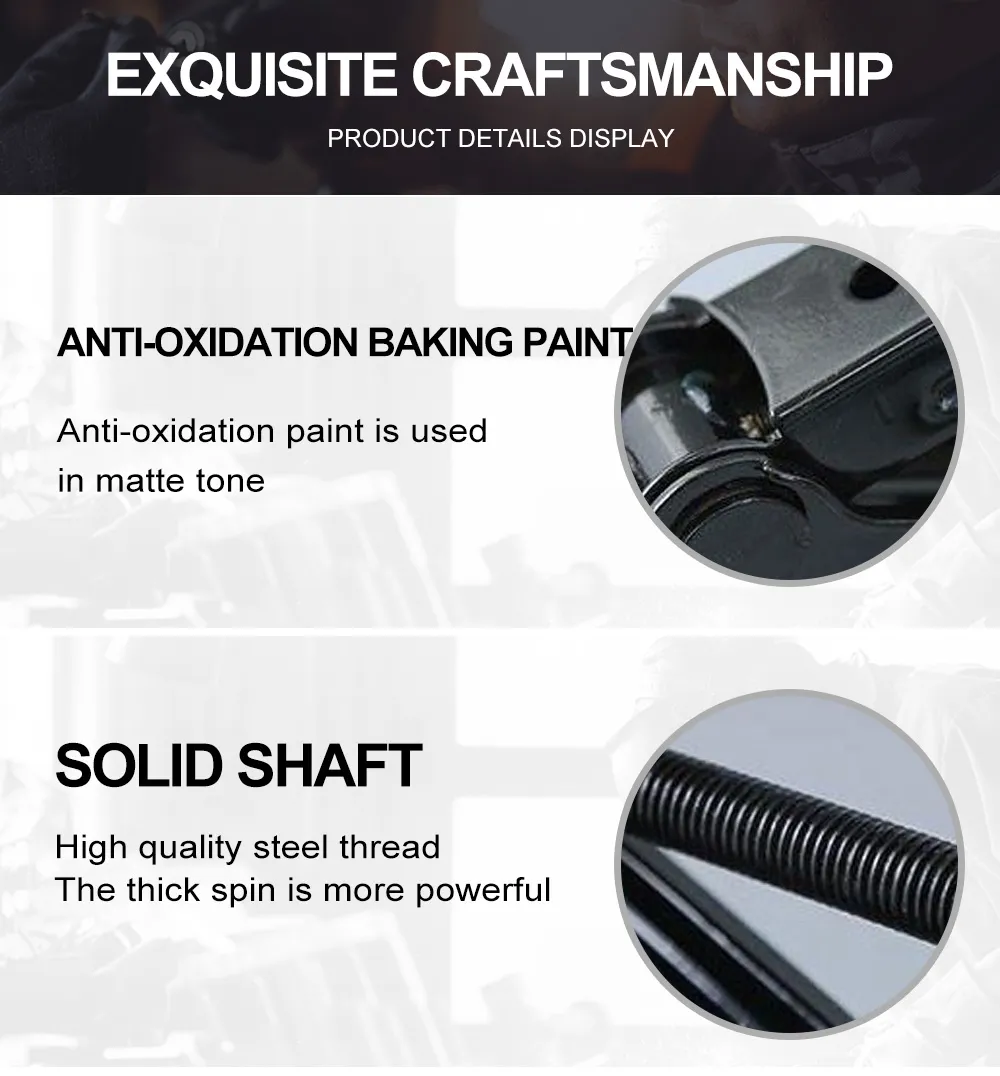
The primary aluminium alloys used in floor jack construction are typically from the 6000-series (aluminium-magnesium-silicon) and 7000-series (aluminium-zinc-magnesium). The 6000-series alloys, such as 6061-T6, offer good weldability, corrosion resistance, and moderate strength. 7000-series alloys, particularly 7075-T6, provide superior strength but are more susceptible to corrosion and require specialized welding techniques. The choice of alloy depends on the component’s intended function and stress levels. The manufacturing process for aluminium floor jacks involves several key stages. Die casting is commonly used for the jack’s body and handle components, allowing for complex geometries and high production rates. Extrusion is used for creating the hydraulic cylinder and lifting arm structures, providing high strength and dimensional accuracy. Welding, primarily Gas Metal Arc Welding (GMAW) or Gas Tungsten Arc Welding (GTAW), is crucial for joining extruded and cast parts. Parameter control during welding is paramount. Precise control of heat input, shielding gas composition (typically argon), and travel speed is necessary to minimize porosity, distortion, and the formation of brittle intermetallic compounds. Heat treatment, specifically solution heat treatment and artificial aging, is often applied to 7000-series alloys to enhance their strength and toughness. Surface treatments, such as anodizing, are employed to improve corrosion resistance and provide a durable finish. Quality control throughout the manufacturing process includes radiographic inspection of welds, ultrasonic testing to detect internal flaws, and dimensional verification using coordinate measuring machines (CMMs).
Performance & Engineering
The performance of an aluminium floor jack is critically dependent on its structural integrity and hydraulic system efficiency. Force analysis reveals that the lifting arm and pivot points experience the highest stresses during operation. Finite Element Analysis (FEA) is widely used to optimize the geometry of these components and minimize stress concentrations. The design must account for both static loading (lifting a vehicle) and dynamic loading (impact forces during vehicle lowering). Buckling analysis is essential for the lifting arm to ensure it does not collapse under load. Aluminium's lower Young’s modulus compared to steel necessitates larger cross-sectional areas to achieve equivalent stiffness. Environmental resistance is a key consideration, particularly regarding corrosion. Galvanic corrosion can occur if aluminium is in contact with dissimilar metals (e.g., steel fasteners) in a corrosive environment. Therefore, the use of compatible materials and protective coatings is crucial. Compliance requirements, such as ASME PA101 Safety Standards for Hydraulic Floor Jacks, dictate minimum safety factors, testing procedures, and marking requirements. The hydraulic system’s efficiency directly impacts the lifting speed and the force required to operate the jack. Factors influencing efficiency include pump design, seal quality, and fluid viscosity. Proper seal selection is critical to prevent leaks and maintain hydraulic pressure. Fluid selection must account for temperature variations and compatibility with aluminium components.
Technical Specifications
| Capacity (tons) | Minimum Lifting Height (in) | Maximum Lifting Height (in) | Weight (lbs) |
|---|---|---|---|
| 2 | 3.5 | 15.75 | 35 |
| 3 | 3.7 | 18.1 | 48 |
| 4 | 3.9 | 20.5 | 60 |
| 6 | 4.1 | 24 | 75 |
| 8 | 4.3 | 27.5 | 90 |
| 10 | 4.5 | 31 | 105 |
Failure Mode & Maintenance
Aluminium floor jacks, while advantageous, exhibit specific failure modes. Fatigue cracking, particularly at weld joints and high-stress areas (like the lifting arm pivot), is a common failure mechanism due to cyclical loading. Corrosion, especially galvanic corrosion, can weaken components and lead to catastrophic failure. Delamination can occur in die-cast components due to porosity or improper casting techniques. Hydraulic seal failure results in pressure loss and inability to lift. The aluminium alloy itself is susceptible to creep under sustained high loads, leading to dimensional changes and potential malfunction. Maintenance solutions involve regular inspection for cracks, corrosion, and leaks. Lubrication of pivot points and the hydraulic system is essential. Weld inspections using dye penetrant testing or ultrasonic testing should be performed periodically. Replacing worn seals and hydraulic fluid prevents system failure. The use of corrosion inhibitors and protective coatings can mitigate corrosion risks. Avoid exceeding the jack's rated capacity and always use it on a level, stable surface. Promptly address any signs of damage or malfunction. Regularly check the hydraulic fluid level and condition. Proper storage in a dry environment will minimize corrosion.
Industry FAQ
Q: What are the primary advantages of using an aluminium floor jack compared to a traditional steel floor jack?
A: The primary advantages are reduced weight, improving portability and operator ergonomics, and enhanced corrosion resistance. The lower weight minimizes operator fatigue and simplifies transportation, while the corrosion resistance extends the jack's lifespan, especially in humid or corrosive environments. However, steel generally offers a higher ultimate strength for a given cost.
Q: How does the choice of aluminium alloy impact the overall performance and durability of the floor jack?
A: The alloy selection directly influences strength, weldability, and corrosion resistance. 7000-series alloys provide higher strength but require more careful welding and corrosion protection. 6000-series alloys offer better weldability and corrosion resistance but at a slight reduction in strength. Choosing the appropriate alloy is a trade-off based on the specific application requirements.
Q: What preventative measures can be taken to minimize the risk of galvanic corrosion in an aluminium floor jack?
A: Using compatible materials, such as stainless steel fasteners, is crucial. Applying protective coatings, like anodizing, creates a barrier between the aluminium and dissimilar metals. Isolating aluminium components from contact with steel using non-conductive materials, and using corrosion inhibiting compounds in the hydraulic fluid, are also effective strategies.
Q: What is the expected lifespan of an aluminium floor jack under normal operating conditions?
A: With proper maintenance and adherence to the rated capacity, an aluminium floor jack can have a lifespan of 5-10 years or more. Regular inspections, lubrication, and prompt repair of any damage are essential to maximizing its service life. The lifespan is also influenced by the frequency and intensity of use.
Q: Are there any specific safety certifications or standards that aluminium floor jacks must comply with?
A: Yes, aluminium floor jacks must comply with relevant safety standards such as ASME PA101 (Safety Standards for Hydraulic Floor Jacks and Jacking Devices) in the US, and EN 1494 for European markets. These standards specify minimum safety factors, testing procedures, and marking requirements to ensure safe operation.
Conclusion
Aluminium floor jacks represent a compelling alternative to traditional steel designs, offering significant advantages in terms of weight, portability, and corrosion resistance. Careful material selection, precise manufacturing processes, and adherence to stringent quality control measures are essential for ensuring structural integrity and long-term durability. Understanding the potential failure modes and implementing proactive maintenance procedures are crucial for maximizing the service life and ensuring the safe operation of these vital lifting tools.
Future advancements in aluminium alloy technology and welding techniques will likely lead to even stronger, lighter, and more durable aluminium floor jacks. Furthermore, the integration of smart sensors and data analytics could enable predictive maintenance, enhancing safety and minimizing downtime. The continued adoption of aluminium in floor jack construction is poised to revolutionize the lifting equipment industry, addressing the evolving needs of automotive technicians and industrial maintenance professionals.
