Introduction
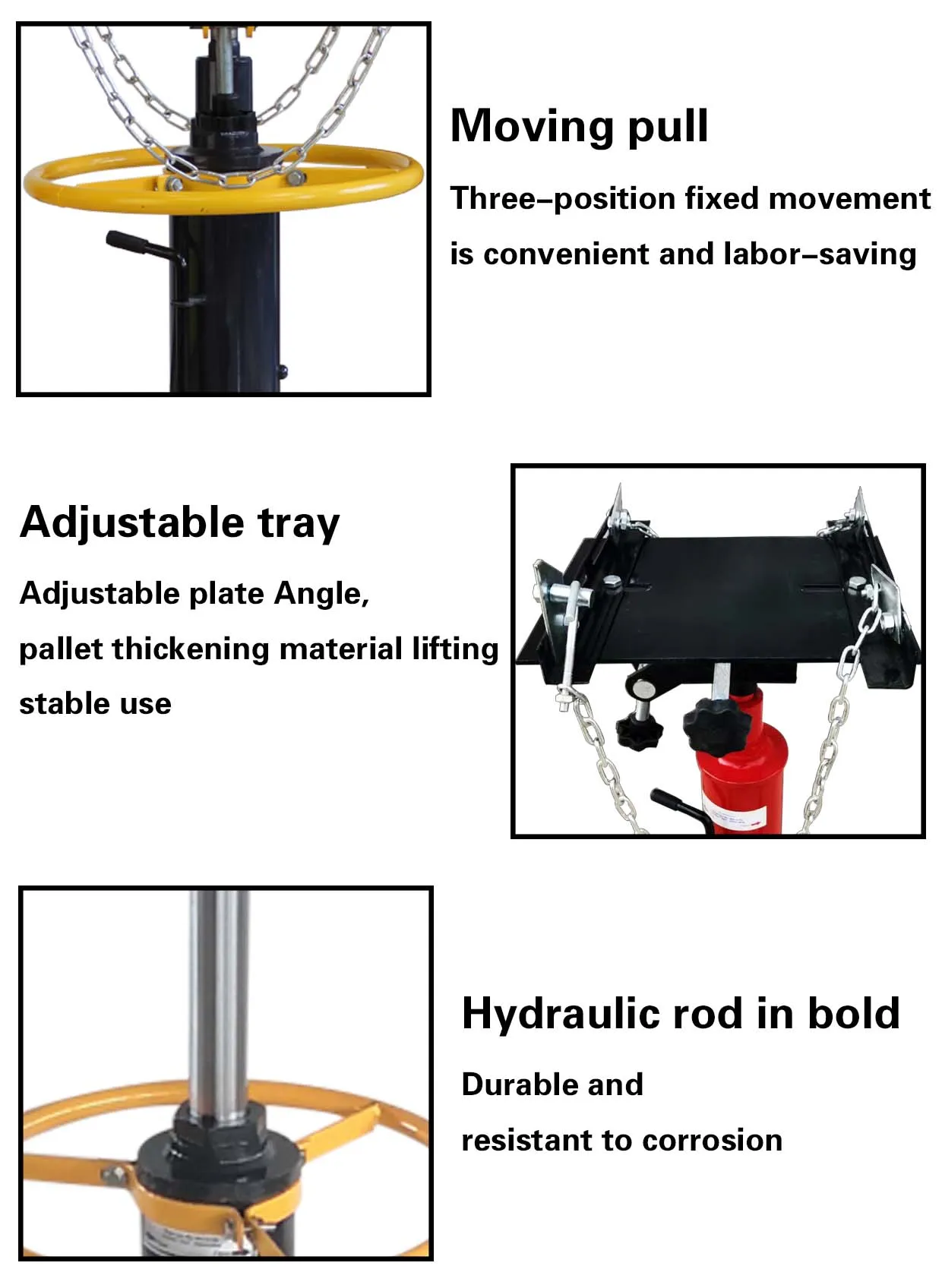
The 2-ton foldable engine crane is a critical piece of lifting equipment commonly utilized in automotive repair shops, industrial maintenance facilities, and heavy equipment operations. Positioned within the material handling equipment chain, it bridges the gap between stationary power lifting systems (like overhead cranes) and manual lifting devices, offering a portable and adaptable solution for engine removal, transmission servicing, and other moderate-weight lifting tasks. Its foldable design addresses the common constraint of limited floor space in workshops, allowing for efficient storage and maneuverability. Core performance characteristics center around safe load capacity (2000 kg/4400 lbs), lifting height, boom reach, and the stability afforded by its base and caster system. A primary industry pain point revolves around ensuring operator safety, minimizing the risk of load instability, and maintaining operational efficiency during repetitive lifting cycles. The crane's performance is fundamentally tied to its structural integrity, hydraulic system reliability, and adherence to relevant safety standards.
Material Science & Manufacturing
The 2-ton foldable engine crane's construction relies heavily on high-strength steel alloys. The primary structural components – the boom, base, and support arms – typically utilize ASTM A572 Grade 50 steel, known for its yield strength (50 ksi) and weldability. Caster wheels employ materials like polyurethane or nylon 6 for durability and load-bearing capacity, selected for their resistance to abrasion and compression. The hydraulic cylinder body is commonly made from honed steel tubing (e.g., SAE 1020) to withstand high internal pressures. Manufacturing processes involve several key stages: steel plate cutting and forming (using CNC plasma cutting or laser cutting), welding (typically shielded metal arc welding – SMAW – or gas metal arc welding – GMAW – adhering to AWS D1.1 standards), hydraulic cylinder assembly, pump and valve integration, and finally, surface finishing (powder coating for corrosion resistance). Critical parameter control during manufacturing includes weld penetration depth, hydraulic fluid cleanliness (ISO 4413 class of cleanliness is typical), and dimensional accuracy of key components to ensure proper load distribution and operational safety. The hydraulic oil itself is usually a petroleum-based fluid with anti-wear additives, and its viscosity is a critical parameter impacting operational efficiency, particularly at varying temperatures.
Performance & Engineering
The 2-ton foldable engine crane's performance is governed by fundamental principles of statics and hydraulics. Force analysis focuses on ensuring the lifting capacity doesn't exceed the crane’s rated load, considering the boom angle and load center of gravity. A crucial engineering aspect is the stability analysis, calculated to prevent tipping. This involves evaluating the overturning moment (created by the load) against the restoring moment (generated by the crane’s weight and base dimensions). Environmental resistance considerations include corrosion prevention through powder coating and selection of hydraulic fluids resistant to temperature fluctuations and degradation. Compliance requirements are paramount; cranes must meet or exceed standards set by ASME B30.9 (Slings, Hoists, and Below-the-Hook Lifting Devices), and OSHA regulations concerning lifting operations. The hydraulic system operates on Pascal's principle, amplifying force from the pump to the cylinder. Engineering design focuses on optimizing pump displacement, cylinder bore and stroke, and valve control to achieve smooth, controlled lifting and lowering speeds. The foldable mechanism requires precise hinge design and locking mechanisms to ensure stability when deployed and compact storage when folded. Fatigue life analysis of critical components, particularly the boom and hinges, is performed to predict service life under cyclical loading conditions.
Technical Specifications
| Parameter | Specification | Testing Standard | Tolerance |
|---|---|---|---|
| Rated Load Capacity | 2000 kg (4400 lbs) | ISO 6096 | +/- 5% |
| Minimum Lifting Height | 850 mm (33.5 in) | N/A | +/- 25 mm |
| Maximum Lifting Height | 2000 mm (78.7 in) | N/A | +/- 50 mm |
| Boom Reach (Maximum) | 1200 mm (47.2 in) | N/A | +/- 50 mm |
| Hydraulic System Pressure | 25 MPa (3625 psi) | ISO 6022 | +/- 1 MPa |
| Hydraulic Fluid Type | ISO VG 46 Hydraulic Oil | ISO 3448 | Per Manufacturer Spec |
Failure Mode & Maintenance
Common failure modes in 2-ton foldable engine cranes include hydraulic leaks (resulting from seal degradation or loose fittings), boom bending or buckling (due to overloading or material fatigue), caster wheel failure (caused by excessive load or impact), and weld cracking (originating from stress concentrations or poor weld quality). Failure analysis often points to insufficient maintenance as a primary contributing factor. Hydraulic leaks reduce system pressure and lifting capacity. Boom failure poses a catastrophic safety hazard. Caster wheel failure compromises maneuverability and stability. Weld cracks can propagate under cyclical loading, leading to structural collapse. Preventative maintenance is crucial and includes regular inspection of hydraulic hoses and fittings for leaks, lubrication of moving parts (hinges, caster wheels), visual inspection of welds for cracks, and periodic checks of hydraulic fluid level and condition (monitoring for contamination and viscosity changes). Replacement of worn seals, hoses, and caster wheels should be performed proactively. Hydraulic fluid should be changed annually or as recommended by the manufacturer. Load testing (performed by qualified personnel) is recommended every 12 months to verify lifting capacity and structural integrity. Avoid exceeding the rated load capacity, and ensure loads are properly balanced to minimize stress on the boom and base.
Industry FAQ
Q: What is the impact of boom angle on the safe lifting capacity of the crane?
A: The safe lifting capacity decreases as the boom angle increases. This is because a larger boom angle introduces a greater overturning moment. Manufacturers provide derating charts that specify the maximum allowable load for various boom angles. Always consult these charts and never exceed the specified capacity for the given boom angle.
Q: How often should the hydraulic fluid be tested for contamination?
A: Hydraulic fluid should be tested for contamination at least every six months, and ideally with each fluid change. Contaminants like water, dirt, and metal particles can cause significant damage to hydraulic components, leading to reduced performance and premature failure. Particle count analysis (ISO 4406) is a standard method for assessing fluid cleanliness.
Q: What type of welding process is preferred for repairing cracks in the crane’s structural members?
A: Gas Metal Arc Welding (GMAW) is generally the preferred welding process for repairing cracks in structural steel members. It offers good weld quality, high deposition rates, and is suitable for a wide range of steel alloys. However, the repair must be performed by a certified welder following established welding procedures (AWS D1.1).
Q: What are the critical safety features that should be inspected before each use?
A: Before each use, inspect the following: hydraulic hoses and fittings for leaks, the boom and hinges for cracks or deformation, the caster wheels for damage and free rotation, the locking mechanisms for proper engagement, and the hydraulic fluid level. Ensure the crane is positioned on a level surface and the load is securely attached with appropriate lifting slings or chains.
Q: What is the expected lifespan of the hydraulic pump, and what factors can shorten it?
A: The expected lifespan of a hydraulic pump is typically 5-7 years with proper maintenance. Factors that can shorten its lifespan include contaminated hydraulic fluid, overheating, improper fluid levels, and excessive operating pressure. Regular fluid changes, proper cooling, and adherence to the manufacturer's recommended operating parameters are crucial for maximizing pump life.
Conclusion
The 2-ton foldable engine crane remains an indispensable tool in a variety of industrial and automotive applications. Its functionality relies on a complex interplay of material science, manufacturing precision, and hydraulic engineering. Understanding the core principles of load distribution, stability, and hydraulic system operation is critical for ensuring safe and efficient operation. Adherence to relevant safety standards (ASME, OSHA) and a proactive maintenance regime are paramount to maximizing the crane’s service life and minimizing the risk of failure.
Looking ahead, advancements in material science – such as the adoption of higher-strength, lightweight alloys – will likely lead to cranes with increased lifting capacities and improved portability. Integration of smart sensors and predictive maintenance algorithms will enable real-time monitoring of crane health, alerting operators to potential issues before they escalate. Continued focus on ergonomic design and operator safety will further enhance the usability and reliability of this essential piece of lifting equipment.
