Introduction
The 2-ton folding engine crane is a critical piece of material handling equipment employed in a wide array of industrial applications, most prominently within automotive repair, heavy equipment maintenance, and manufacturing facilities. Positioned within the lifting and positioning segment of the industrial equipment chain, it serves as a vital intermediary between stationary loads and their intended destination. This type of crane distinguishes itself through its portability, maneuverability, and the capability to operate within confined spaces – attributes achieved through its folding boom design. Core performance metrics center around its 2-ton (2000 kg or 4400 lbs) lifting capacity, maximum lifting height, boom extension range, and operational safety features. A significant pain point for users is balancing lifting capacity with stability, particularly when navigating uneven surfaces or extended boom configurations. Proper operation and maintenance are crucial, as failures can result in substantial damage to equipment, injuries, and production downtime. This guide provides a comprehensive technical overview of 2-ton folding engine cranes, encompassing material science, manufacturing processes, performance characteristics, failure modes, and relevant industry standards.
Material Science & Manufacturing
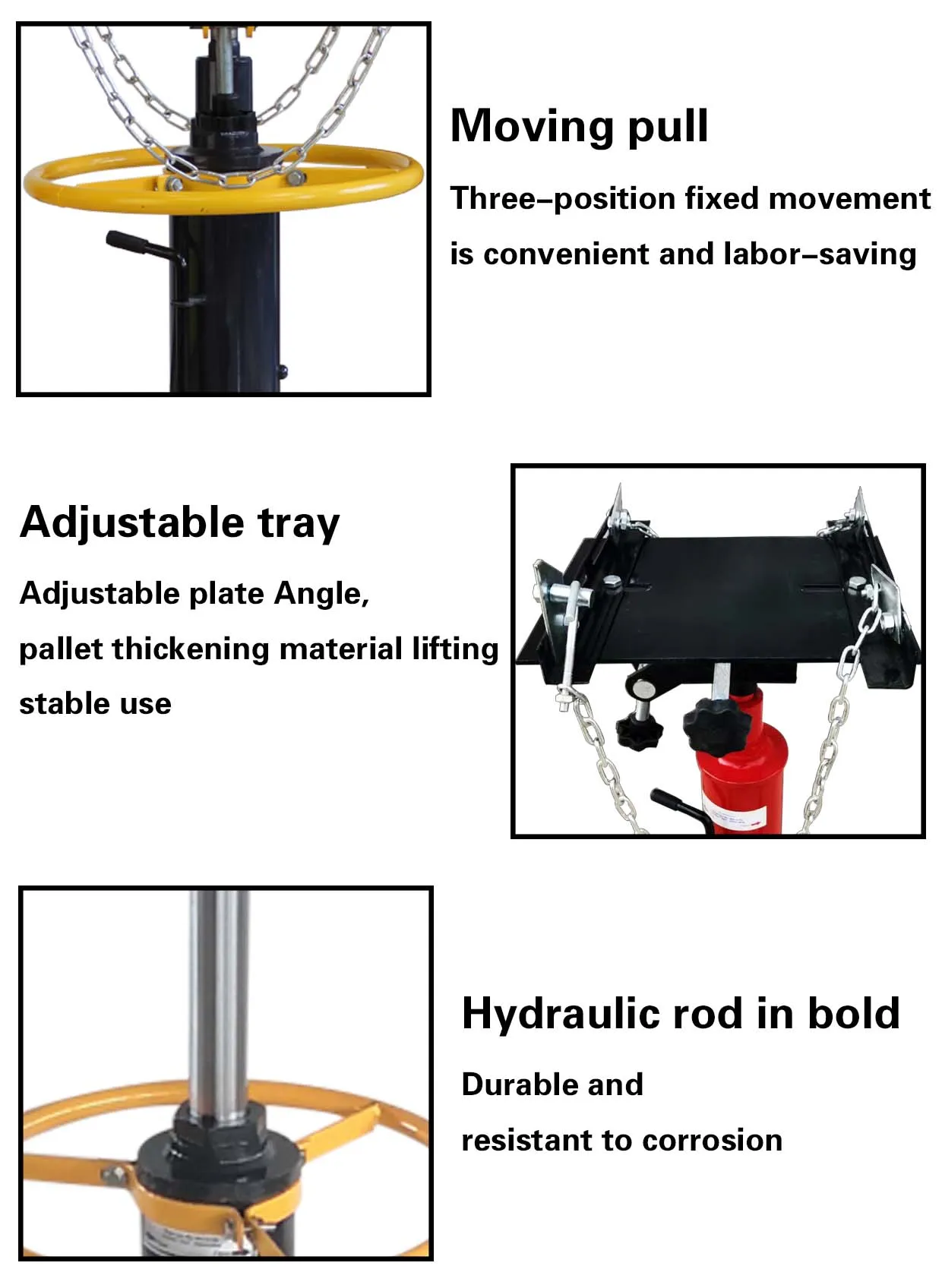
The construction of a 2-ton folding engine crane relies heavily on high-strength steel alloys, primarily carbon steel (SAE 1020, 1045) for the main boom sections, base frame, and load-bearing components. These alloys offer a balance of tensile strength, yield strength, and weldability. Hydraulic cylinders utilize alloy steel (4140) for the piston rods due to its resistance to corrosion and wear, coupled with a high-strength steel tube. The chain, critical for load suspension, is typically manufactured from Grade 80 or Grade 100 alloy steel, providing exceptional strength-to-weight ratio and fatigue resistance. Wheels and rollers frequently employ bearing steel (52100) for hardness and durability.
Manufacturing processes are multi-stage. The boom sections are formed through cold-rolled steel forming and welding, followed by heat treatment to relieve stresses and enhance material properties. Welding is performed using shielded metal arc welding (SMAW) or gas metal arc welding (GMAW) processes, adhering to AWS D1.1 structural welding code. Hydraulic cylinders are manufactured via honing and machining of cylinder bodies and piston rods, ensuring tight tolerances for leak prevention and smooth operation. Critical parameters include weld penetration depth, heat-affected zone size, hydraulic fluid viscosity, and cylinder bore tolerances. Quality control involves non-destructive testing (NDT) methods like ultrasonic testing (UT) and magnetic particle inspection (MPI) to detect flaws in welds and materials. The folding mechanism incorporates precision machining of pivot points and locking mechanisms to guarantee secure operation and prevent unintentional boom collapse. Surface treatments, such as powder coating or painting, are applied for corrosion resistance.
Performance & Engineering
Performance of the 2-ton folding engine crane is fundamentally governed by principles of statics and structural mechanics. Force analysis considers the weight of the load, the angle of the boom, the position of the center of gravity, and the supporting area of the base. Stability is paramount; the crane's base must be sufficiently wide and weighted to prevent tipping. The lifting capacity is de-rated as the boom extends and the lifting angle increases, reflecting the reduced stability and increased stress on the boom structure. Hydraulic system engineering focuses on delivering consistent and controllable lifting and lowering speeds. Key parameters include hydraulic pressure, flow rate, and cylinder bore size. Environmental resistance is a critical design consideration. The crane must withstand exposure to temperature fluctuations, humidity, and potential corrosive agents. Compliance requirements include adherence to OSHA regulations (29 CFR 1910.179) for rigging and lifting operations, as well as ANSI/ASME B30.9 standards for lifts. Safety features, such as overload protection devices and boom angle limiters, are integrated to prevent accidents. A key engineering challenge is mitigating stress concentration points at weld joints and pivot points, where fatigue cracking is most likely to initiate. Finite element analysis (FEA) is commonly used to optimize the crane's structural design and identify potential weaknesses.
Technical Specifications
| Parameter | Specification | Testing Standard | Tolerance |
|---|---|---|---|
| Lifting Capacity | 2000 kg (4400 lbs) | ISO 6887-1 | ±5% |
| Maximum Lifting Height | 2.5 m (8.2 ft) | EN 13155 | ±0.05 m |
| Boom Length (Extended) | 1.6 m (5.2 ft) | ASTM E83 | ±0.02 m |
| Hydraulic System Pressure | 25 MPa (3600 psi) | ISO 4413 | ±1 MPa |
| Chain Grade | Grade 80 | EN 818-7 | Per Material Certificate |
| Base Width | 1.2 m (3.9 ft) | ANSI/ASME B30.9 | ±0.03 m |
Failure Mode & Maintenance
Common failure modes in 2-ton folding engine cranes include fatigue cracking at weld joints, particularly in the boom sections, caused by cyclical loading and stress concentration. Hydraulic cylinder failure can occur due to seal degradation, piston rod corrosion, or internal leakage, leading to reduced lifting capacity or complete failure. Chain wear and stretching, resulting from abrasion and repeated flexing, can compromise load security. Wheel and roller bearing failure, manifested as increased friction and noise, can hinder maneuverability. Degradation of hydraulic fluid due to contamination or oxidation reduces system efficiency and can cause component corrosion.
Preventative maintenance is critical. Regular inspection of weld joints for cracks using visual inspection and dye penetrant testing is essential. Hydraulic fluid should be analyzed for contamination and replaced according to manufacturer recommendations (typically every 6-12 months). Chain should be inspected for wear, stretching, and corrosion and lubricated regularly. Wheel and roller bearings should be inspected for play and lubricated. Boom pivot points should be inspected for wear and lubricated. Load testing should be performed annually to verify lifting capacity. If fatigue cracking is detected, the affected boom section should be replaced immediately. Hydraulic leaks should be addressed promptly to prevent fluid loss and environmental contamination. A comprehensive maintenance log should be maintained to track inspection findings and repair activities.
Industry FAQ
Q: What is the typical safety factor incorporated into the design of a 2-ton folding engine crane?
A: A typical safety factor for a 2-ton folding engine crane is 3:1 or higher. This means the crane is engineered to withstand loads three times its rated capacity without permanent deformation or failure. This safety factor accounts for dynamic loading, shock loads, and variations in material properties. However, it is crucial to never exceed the rated capacity, as exceeding it significantly reduces the margin of safety.
Q: How does temperature affect the performance of the hydraulic system?
A: Temperature significantly affects hydraulic fluid viscosity. Low temperatures increase viscosity, leading to slower operation and increased resistance to flow. High temperatures decrease viscosity, potentially reducing sealing effectiveness and increasing internal leakage. Hydraulic fluid manufacturers specify optimal operating temperature ranges; exceeding these ranges can lead to premature component wear and system failure.
Q: What are the critical considerations when selecting a chain for a 2-ton folding engine crane?
A: Chain selection hinges on its Working Load Limit (WLL), which must exceed the maximum anticipated load. Grade 80 or Grade 100 chains are commonly used, with Grade 100 offering higher strength-to-weight ratio. The chain's material composition, heat treatment, and manufacturing quality are crucial. Regular inspection for wear, corrosion, and stretching is paramount. Compatibility with the lifting hook and other rigging components is also essential.
Q: What are the implications of using an incorrect hydraulic fluid?
A: Using an incorrect hydraulic fluid can have severe consequences. Incompatibility can lead to seal swelling or degradation, resulting in leaks and reduced system pressure. Incorrect viscosity can affect pump performance and cause component wear. Contamination from incompatible fluids can damage valves and cylinders. Always use the hydraulic fluid specified by the crane manufacturer.
Q: How often should the crane undergo a formal load test?
A: A formal load test should be conducted annually, or more frequently if the crane is subjected to heavy use or has been involved in an incident. The load test should verify the crane's lifting capacity and stability. It should be performed by a qualified inspector using calibrated test equipment. Records of the load test should be maintained for future reference.
Conclusion
The 2-ton folding engine crane remains an indispensable tool in numerous industrial settings, offering a versatile solution for material handling. Its performance and longevity are directly linked to the quality of materials employed, the precision of manufacturing processes, and diligent adherence to maintenance protocols. Understanding the underlying principles of statics, hydraulics, and material science is crucial for safe and efficient operation.
Continued advancements in materials, such as the development of higher-strength steel alloys and improved hydraulic fluid formulations, promise to further enhance the performance and reliability of these cranes. Implementing predictive maintenance strategies, leveraging sensor technology to monitor component health, and incorporating advanced control systems will contribute to minimized downtime and maximized operational efficiency. Ultimately, a technically informed approach to crane selection, operation, and maintenance is paramount for ensuring worker safety and optimizing productivity.
