Introduction
The 2-ton folding shop crane represents a critical material handling solution within manufacturing, maintenance, and repair operations. Positioned between basic chain hoists and large overhead gantry cranes, it provides a versatile lifting capacity applicable to a broad spectrum of industrial tasks. Its folding design prioritizes space efficiency, crucial in environments with constrained floor plans. Core performance characteristics revolve around load capacity, lifting height, boom reach, and operational safety features. These cranes are commonly utilized for moving heavy components within workshops, loading and unloading materials from delivery vehicles, and assisting in equipment maintenance. The inherent portability and relatively quick setup time contribute to increased operational flexibility, reducing downtime and improving overall efficiency. Unlike permanently installed cranes, folding shop cranes offer adaptability to changing work requirements and temporary lifting needs.
Material Science & Manufacturing
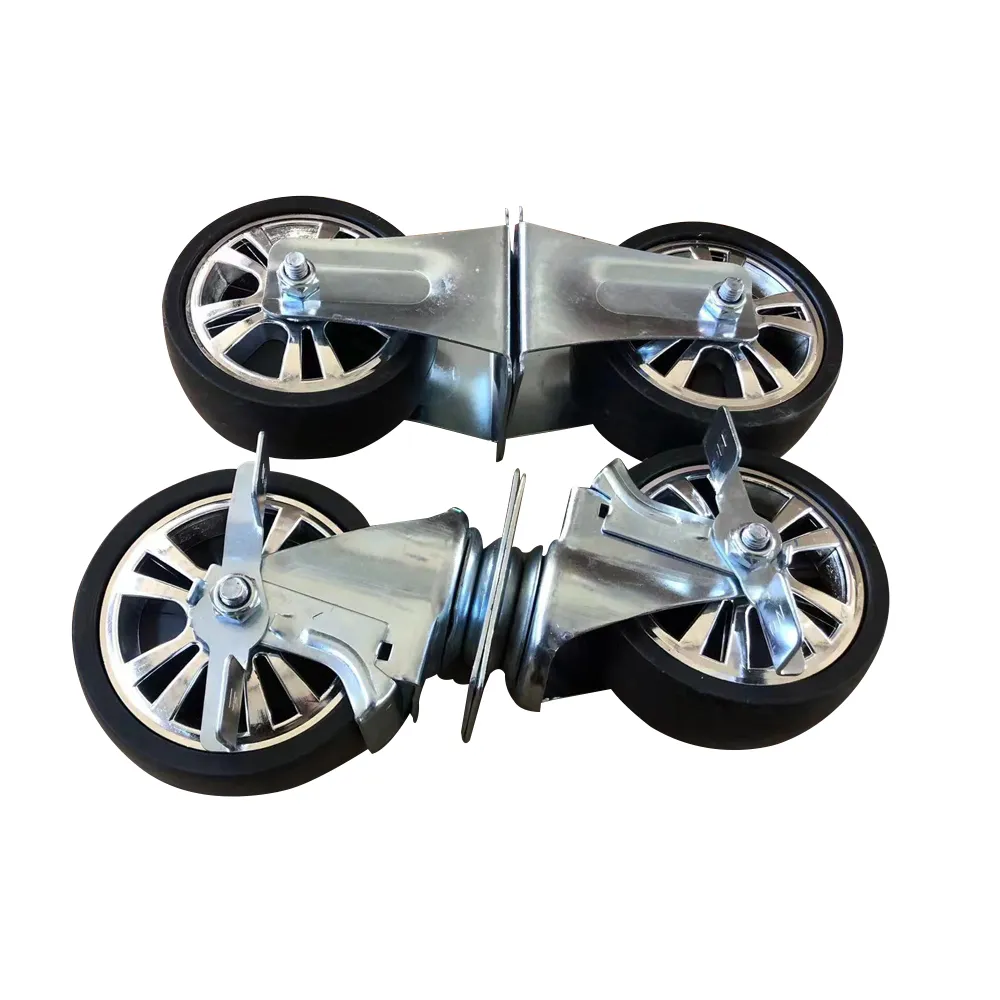
The construction of a 2-ton folding shop crane relies on a combination of high-strength steels and engineered polymers. The primary structural components – the boom, base, and upright – are typically fabricated from carbon steel, specifically ASTM A572 Grade 50, known for its yield strength of 50 ksi (kilopounds per square inch) and good weldability. The hydraulic cylinder housing often employs ASTM A36 steel. Critical weld joints are assessed using Non-Destructive Testing (NDT) methods, including Ultrasonic Testing (UT) and Magnetic Particle Inspection (MPI), to verify structural integrity and detect subsurface defects. The hydraulic system leverages high-tensile steel tubing conforming to SAE J526 standards for fluid conveyance. Seals within the hydraulic system are commonly manufactured from nitrile rubber (NBR) or Viton (fluoroelastomer) due to their resistance to hydraulic fluid and temperature fluctuations. The wheels and casters utilize polyurethane or nylon materials for wear resistance and load-bearing capability. The manufacturing process involves precision cutting, forming, and welding of steel components followed by a multi-stage painting process – typically an epoxy primer followed by a polyurethane topcoat – to provide corrosion protection. Critical parameters controlled during manufacturing include weld penetration depth, material thickness tolerances, and hydraulic system pressure testing.
Performance & Engineering
The performance of a 2-ton folding shop crane is fundamentally governed by principles of structural mechanics and hydraulics. The boom’s load-bearing capacity is determined by analyzing bending moments and shear stresses under maximum load conditions. Finite Element Analysis (FEA) is commonly employed during the design phase to optimize boom geometry and minimize stress concentrations. The stability of the crane is a primary concern, dictated by its center of gravity and base footprint. The base must be sufficiently wide and weighted to prevent tipping, particularly during partial boom extension. Hydraulic cylinder sizing is crucial; the cylinder must generate sufficient force to lift the rated load while maintaining a safe factor of safety. Environmental resistance considerations include corrosion protection for outdoor use and temperature limitations affecting hydraulic fluid viscosity. Compliance requirements often include adherence to OSHA (Occupational Safety and Health Administration) regulations regarding lifting equipment, particularly 29 CFR 1910.179. Functional implementation involves careful consideration of the lifting hook design, ensuring appropriate safety latch mechanisms and load rating. Load testing, performed according to ASME B30.9, is essential to verify performance and identify potential weaknesses prior to operation.
Technical Specifications
| Parameter | Specification | Testing Standard | Tolerance |
|---|---|---|---|
| Rated Load Capacity | 2000 kg (4409 lbs) | ASME B30.9 | ±5% |
| Maximum Lifting Height | 3000 mm (118 inches) | Manufacturer’s Specification | ±2% |
| Boom Length (Extended) | 1800 mm (70.9 inches) | Manufacturer’s Specification | ±1% |
| Boom Rotation Angle | 360° | Manufacturer’s Specification | ±5° |
| Hydraulic System Pressure | 25 MPa (3626 psi) | ISO 6020-2 | ±3% |
| Wheel Diameter | 150 mm (5.9 inches) | Manufacturer’s Specification | ±0.5 mm |
Failure Mode & Maintenance
Common failure modes in 2-ton folding shop cranes include hydraulic cylinder leaks, boom bending or cracking due to overload, caster failure, and weld joint fatigue. Hydraulic leaks often originate from seal degradation caused by fluid contamination or excessive operating temperatures. Boom bending or cracking typically results from exceeding the rated load capacity or repetitive stress cycling. Caster failure is often linked to overloading, uneven load distribution, or operating on rough surfaces. Weld joint fatigue can occur over time due to cyclical loading and can be exacerbated by corrosion. Preventative maintenance is crucial and should include regular inspection of hydraulic lines and fittings for leaks, lubrication of all moving parts, visual inspection of welds for cracks, and periodic load testing. Hydraulic fluid should be replaced according to the manufacturer's recommendations (typically every 6-12 months) and filtered to remove contaminants. Casters should be inspected for wear and replaced as necessary. In the event of a hydraulic leak, the system should be depressurized and the leaking component replaced. If boom damage is detected, the crane should be taken out of service immediately and inspected by a qualified engineer. Non-destructive testing (NDT) of critical weld joints should be performed periodically (e.g., annually) to detect potential fatigue cracking.
Industry FAQ
Q: What is the typical safety factor incorporated into the design of these cranes?
A: Typically, a safety factor of 3:1 is incorporated into the design. This means the crane's structural components are designed to withstand three times the rated load capacity. This provides a margin of safety to account for dynamic loading, impact forces, and material imperfections.
Q: How does operating temperature affect the crane's performance?
A: Extreme temperatures can significantly impact the hydraulic system. Low temperatures can increase fluid viscosity, slowing down operation and potentially leading to component wear. High temperatures can reduce fluid viscosity and compromise sealing effectiveness, leading to leaks. Operating within the manufacturer’s specified temperature range is critical.
Q: What type of hydraulic fluid is recommended for these cranes?
A: Typically, a hydraulic oil meeting ISO VG 46 specifications is recommended. The fluid should be a mineral oil-based fluid with anti-wear additives and corrosion inhibitors. Using the incorrect fluid can damage seals and reduce system efficiency.
Q: What are the key considerations for caster maintenance?
A: Regularly inspect casters for wear, damage, and proper lubrication. Ensure the wheels rotate freely and that the swivel mechanism functions smoothly. Replace casters promptly if they exhibit signs of wear or damage. Operating on clean, level surfaces will also extend caster life.
Q: What NDT methods are commonly used to inspect the crane’s structure?
A: Magnetic Particle Inspection (MPI) and Ultrasonic Testing (UT) are the most common NDT methods employed. MPI is effective at detecting surface and near-surface cracks in ferrous materials, while UT can detect both surface and subsurface defects. Visual inspection is also critical, looking for signs of corrosion or damage.
Conclusion
The 2-ton folding shop crane offers a valuable and versatile lifting solution for a wide range of industrial applications. Its design prioritizes both lifting capacity and space efficiency, making it ideal for environments where floor space is limited. Understanding the material science, manufacturing processes, performance characteristics, and potential failure modes is paramount for ensuring safe and reliable operation. Regular preventative maintenance, adherence to industry standards, and appropriate load handling practices are essential for maximizing the lifespan and minimizing downtime of this critical piece of equipment.
Future development trends are likely to focus on incorporating smart technology, such as load monitoring systems and remote diagnostics, to enhance safety and efficiency. The integration of more durable and lightweight materials, like high-strength low-alloy steels and advanced polymers, will further optimize performance and reduce overall weight. Continued refinement of hydraulic systems, including the implementation of variable displacement pumps and energy-efficient valves, will contribute to improved energy efficiency and reduced operating costs.
