Introduction
A 3-ton floor jack and jack stand system represents a critical component in automotive and heavy equipment maintenance and repair. This system’s technical position lies within the vehicle lifting and support infrastructure, enabling safe access for inspection, servicing, and component replacement. Floor jacks utilize hydraulic principles to generate significant lifting force, while jack stands provide stable, adjustable support once the vehicle is elevated. Core performance characteristics include lifting capacity (3 tons, equating to 6,000 lbs), minimum and maximum lifting heights, stability under load, and the precision of height adjustment. The primary industry pain point revolves around ensuring operator safety by mitigating the risks associated with unstable lifting or inadequate support, particularly given the substantial weight involved. Consistent adherence to manufacturing tolerances and material specifications is paramount to prevent catastrophic failure and ensure reliable operation.
Material Science & Manufacturing
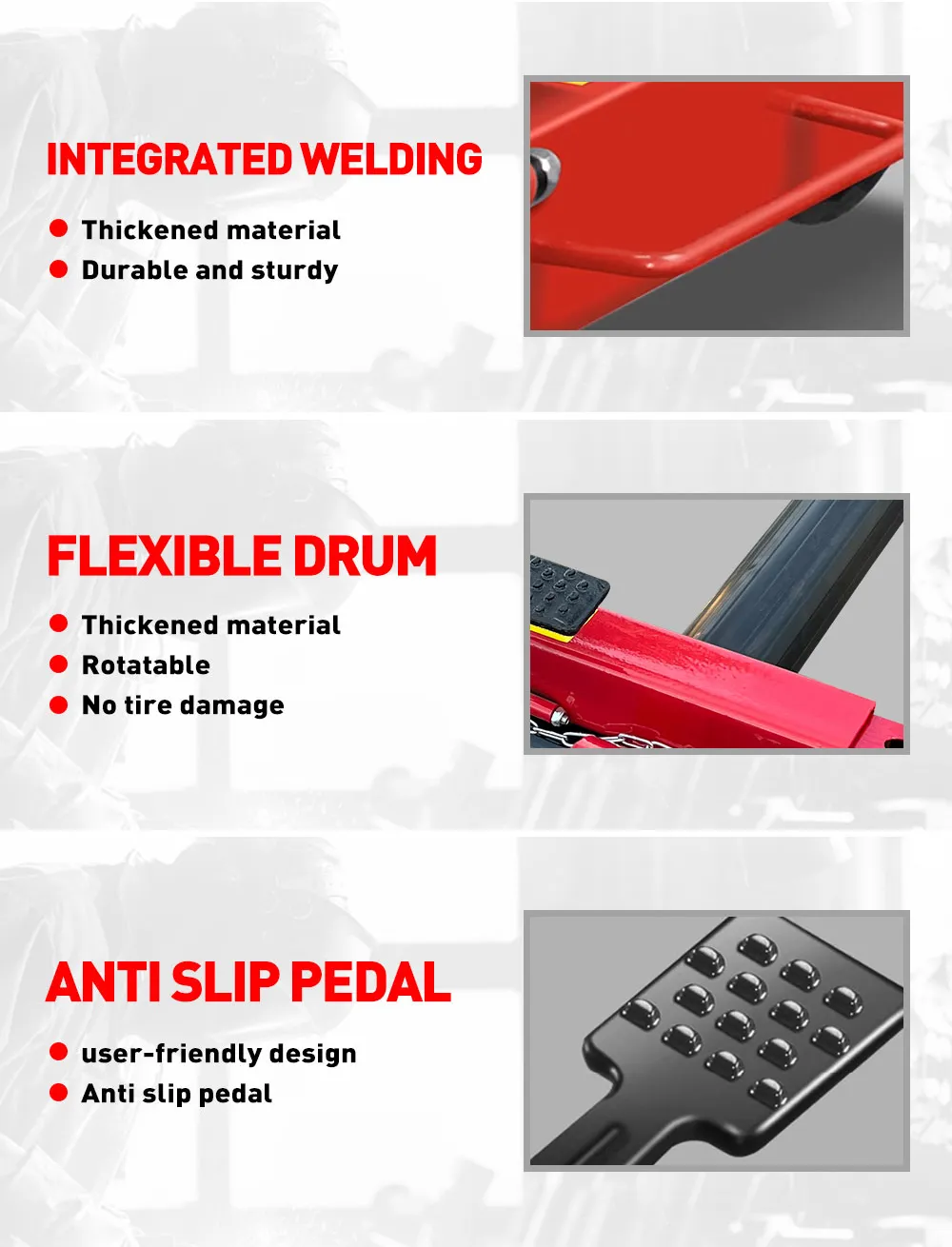
The construction of a 3-ton floor jack and jack stands relies on several key materials. The jack’s hydraulic cylinder typically utilizes carbon steel (e.g., AISI 1045) for its high strength and machinability. The piston and rod are often coated with hard chrome plating to enhance corrosion resistance and reduce friction. The jack’s frame and lifting arm are commonly fabricated from high-strength steel alloys, such as 4140, chosen for their superior yield strength and fatigue resistance. Jack stands predominantly employ steel (again, often 4140 or similar) for the base, support column, and saddle. Manufacturing processes for the floor jack include precision casting for the hydraulic cylinder body, forging and machining for the lifting arm, and welding for structural assembly. Critical parameter control includes weld integrity (ensured through non-destructive testing like ultrasonic or radiographic inspection), heat treatment to achieve desired material hardness and ductility, and tight tolerances in machining operations to ensure smooth piston movement and accurate height adjustment. Jack stand manufacturing involves stamping or forging for the base and column, followed by welding and machining for precise height adjustment mechanisms. Powder coating is a frequent finishing treatment applied to both jacks and stands to prevent corrosion.
Performance & Engineering
The performance of a 3-ton floor jack and jack stand system is dictated by fundamental engineering principles. Force analysis focuses on the stress distribution within the jack’s lifting arm and the jack stand’s support column when subjected to maximum load. Finite Element Analysis (FEA) is frequently employed during the design phase to identify stress concentrations and optimize geometry for maximum strength and stability. Environmental resistance is a crucial consideration. The hydraulic fluid used in the jack (typically a mineral oil-based hydraulic fluid) must exhibit a high viscosity index to maintain consistent performance across a wide temperature range. Jack stands are often subjected to corrosion in workshop environments; therefore, protective coatings and material selection are critical. Compliance requirements are primarily governed by safety standards (detailed in the Standards & Regulations section). Functional implementation involves the hydraulic system’s ability to generate and maintain lifting force, the jack stand’s ratchet mechanism for secure height adjustment, and the overall stability of the system when supporting a vehicle. The jack’s release valve must function reliably to lower the vehicle in a controlled manner. A critical design element is the pawl and ratchet mechanism on the jack stands, ensuring a positive lock at each height increment to prevent slippage.
Technical Specifications
| Parameter | Floor Jack (3 Ton) | Jack Stand (3 Ton - Pair) | Units |
|---|---|---|---|
| Lifting Capacity | 6,000 | 6,000 (per stand) | lbs |
| Minimum Lifting Height | 3.7 | 11.8 | inches |
| Maximum Lifting Height | 18.1 | 16.5 | inches |
| Hydraulic Fluid Capacity | 2.2 | N/A | Quarts |
| Base Width | 8.7 | 6.5 | inches |
| Base Length | 25.6 | 9.8 | inches |
| Steel Grade (Frame) | 4140 | 4140 | - |
Failure Mode & Maintenance
Failure modes in 3-ton floor jacks and jack stands typically stem from material fatigue, hydraulic system issues, or improper usage. Fatigue cracking can occur in the lifting arm or jack stand column due to repeated stress cycles. Hydraulic system failures include seal degradation leading to fluid leaks, cylinder corrosion, and release valve malfunctions. Jack stands can fail due to ratchet mechanism wear, resulting in slippage or collapse. Delamination of powder coating can accelerate corrosion. Oxidation of hydraulic fluid can reduce its lubricating properties and contribute to cylinder wear. Preventative maintenance is crucial. For floor jacks, regular inspection of hydraulic fluid levels and condition is essential, along with lubrication of pivot points. Annual bleeding of the hydraulic system is recommended to remove air bubbles. Jack stands require regular inspection for cracks, corrosion, and ratchet mechanism functionality. Ensure the pawl engages positively at each height setting. Avoid exceeding the rated lifting capacity. Proper storage in a dry environment prevents corrosion. Any jack or stand exhibiting signs of structural damage should be immediately removed from service. A common failure analysis reveals that overloading or use on uneven surfaces significantly increases the risk of failure.
Industry FAQ
Q: What is the primary safety concern when using a 3-ton floor jack and jack stands?
A: The primary safety concern is ensuring the jack stands are securely positioned under appropriate structural points on the vehicle and that the ratchet mechanisms are fully engaged. Never work under a vehicle supported solely by a floor jack; always use jack stands as a secondary safety measure. Verify the vehicle is on a level surface.
Q: What type of hydraulic fluid is recommended for a 3-ton floor jack?
A: A high-quality mineral oil-based hydraulic fluid with a viscosity index of at least 90 is generally recommended. Avoid using fluids not specifically designed for hydraulic systems, as they can damage seals and reduce performance.
Q: How often should jack stands be inspected for wear and tear?
A: Jack stands should be visually inspected before each use for signs of cracks, corrosion, or damage to the ratchet mechanism. A more thorough inspection, including testing the ratchet engagement, should be performed annually, or more frequently with heavy use.
Q: What is the significance of the steel grade used in the construction of these tools?
A: The steel grade (e.g., 4140) determines the strength, ductility, and fatigue resistance of the jack and stands. Higher-grade steels can withstand greater loads and resist cracking under repeated stress, significantly improving safety and longevity.
Q: Can these tools be used with aluminum vehicles? Are there any special considerations?
A: Yes, they can be used with aluminum vehicles, but extra care must be taken when selecting jacking points. Aluminum is softer than steel, so using appropriate saddle adapters is crucial to prevent damage to the vehicle's structure. Ensure the jack stands are making contact with reinforced areas of the aluminum frame.
Conclusion
The 3-ton floor jack and jack stand system is an indispensable tool for automotive and industrial maintenance. Its reliable performance relies heavily on the material science employed – specifically, the utilization of high-strength steels and robust hydraulic systems. The engineering principles of force distribution and stability are paramount to ensuring operator safety and preventing catastrophic failures.
Ongoing preventative maintenance, including regular inspections and fluid changes, is vital to maximize the lifespan and reliability of these tools. Adherence to established safety standards and responsible usage practices, such as avoiding overloading and utilizing appropriate jacking points, are crucial to mitigating risk. Future advancements may focus on lightweight materials and improved hydraulic system efficiency, without compromising structural integrity.
