Introduction
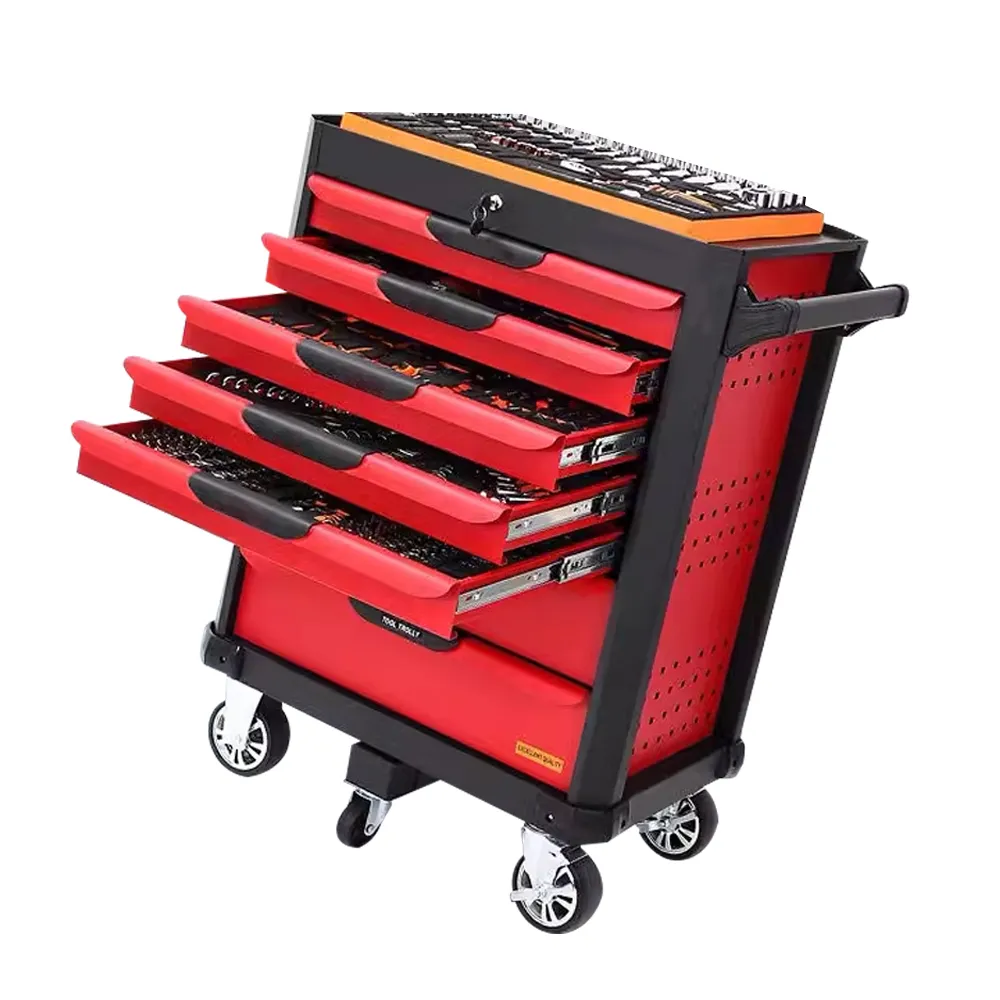
The 36-inch tool cabinet represents a standardized storage solution within the broader industrial tooling and equipment management landscape. Positioned as a mid-sized unit, it addresses the needs of maintenance, repair, and operations (MRO) personnel, as well as technicians requiring organized access to tools and parts. These cabinets bridge the gap between smaller portable toolboxes and larger, fully integrated tool storage systems. Core performance characteristics revolve around load capacity, durability, security, and the efficient organization of contents. Industry pain points addressed by robust 36-inch tool cabinets include minimizing tool loss, preventing workplace injuries caused by disorganization, streamlining workflows, and ensuring compliance with safety regulations. Their prevalence spans automotive, aerospace, manufacturing, construction, and heavy equipment maintenance sectors, making them a foundational component of operational efficiency.
Material Science & Manufacturing
The construction of a 36-inch tool cabinet typically utilizes cold-rolled steel, ranging in gauge from 14 to 18, for the cabinet body and drawers. This material is selected for its high yield strength (250-350 MPa) and formability. Drawer slides are often constructed from high-carbon steel (e.g., AISI 1045) heat-treated for increased hardness and wear resistance. Work surfaces are frequently coated with epoxy powder coat, providing chemical resistance to oils, solvents, and corrosion. Manufacturing processes begin with sheet metal cutting via laser or plasma cutting. Subsequent forming operations – bending, punching, and welding – create the cabinet’s structural components. Welding is typically performed using MIG (Gas Metal Arc Welding) or TIG (Gas Tungsten Arc Welding) processes, with critical welds undergoing non-destructive testing (NDT) such as visual inspection and potentially ultrasonic testing to ensure structural integrity. Drawer construction involves bending and welding operations, followed by the installation of drawer slides and pulls. Powder coating is applied electrostatically, followed by curing at elevated temperatures (typically 180-200°C) to achieve a durable and protective finish. Parameter control during powder coating is crucial, specifically monitoring coating thickness (typically 60-80 microns) and cure temperature to prevent defects like blistering or inadequate adhesion. Lock mechanisms often utilize zinc alloy die castings for durability and corrosion resistance.
Performance & Engineering
Performance of a 36-inch tool cabinet is fundamentally dictated by its load-bearing capacity and structural rigidity. Finite Element Analysis (FEA) is employed during the design phase to optimize the cabinet’s geometry and material thickness to withstand anticipated loads. Static load analysis assesses the cabinet’s ability to support the weight of tools and equipment within each drawer, considering drawer dimensions and weight distribution. Dynamic load analysis evaluates the cabinet’s response to impacts and vibrations encountered during transportation or in a workshop environment. Drawer slide mechanisms are engineered to provide smooth operation and to support a specified load rating, typically ranging from 75 to 150 lbs per drawer. Locking mechanisms must meet or exceed industry standards for security, such as ANSI/BHMA A156.10 for key control locks. Environmental resistance is crucial, particularly in environments with high humidity or corrosive agents. Powder coating provides a barrier against corrosion, but the underlying steel is also susceptible to rust. Compliance requirements include OSHA regulations regarding tool storage and workplace safety, as well as potentially industry-specific standards relating to equipment maintenance procedures. Force analysis on handle and latch mechanisms are performed to ensure ergonomic operation and prevent fatigue-related failures.
Technical Specifications
| Parameter | Unit | Typical Value | Test Method |
|---|---|---|---|
| Overall Dimensions (W x D x H) | inches | 36 x 18 x 42 | Tape Measure |
| Weight Capacity per Drawer | lbs | 100 | Static Load Test (ASTM E415) |
| Steel Gauge (Cabinet Body) | Gauge | 16 | Calibrated Thickness Gauge |
| Powder Coat Thickness | microns | 70 | Magnetic Thickness Gauge (ASTM D7091) |
| Lock Type | - | Keyed Cylinder | ANSI/BHMA A156.10 |
| Drawer Slide Type | - | Ball Bearing | Operational Force Measurement |
Failure Mode & Maintenance
Common failure modes for 36-inch tool cabinets include drawer slide failure due to wear or overloading, corrosion of the steel body (particularly in humid environments), lock mechanism failure caused by key breakage or internal component wear, and powder coat chipping or abrasion. Fatigue cracking can occur in welded joints subjected to repeated stress. Delamination of the powder coat can lead to corrosion. Failure analysis often reveals that overloading drawers significantly reduces the lifespan of drawer slides. Corrosion can be accelerated by exposure to salt spray or harsh chemicals. Preventative maintenance includes regular lubrication of drawer slides with a silicone-based lubricant, inspection of welds for cracks, cleaning of the cabinet surface to remove contaminants, and periodic inspection of the locking mechanism. Damaged powder coat should be repaired promptly to prevent corrosion. If corrosion is present, the affected area should be cleaned, primed, and repainted with a compatible epoxy coating. For drawer slides, replacement is often the most practical solution when wear is significant. Regular torque checks on fasteners are also recommended to prevent loosening and structural instability.
Industry FAQ
Q: What is the typical expected lifespan of a 36-inch tool cabinet under normal industrial use?
A: With proper maintenance and avoidance of extreme overloading, a well-constructed 36-inch tool cabinet should have a functional lifespan of 10-15 years. Lifespan is significantly impacted by the environment and the frequency of use. Corrosive environments and heavy-duty applications will reduce lifespan.
Q: What is the significance of the powder coat finish, and what types are most durable?
A: The powder coat finish provides crucial corrosion resistance and impact protection. Epoxy powder coats offer excellent chemical resistance, while polyester powder coats provide better UV resistance for outdoor applications. Hybrid powder coats combine the benefits of both. Thickness and application quality are also critical – thicker, evenly applied coatings offer superior protection.
Q: How does the gauge of the steel affect the cabinet's load capacity and durability?
A: Lower gauge numbers indicate thicker steel. 14-gauge steel provides the highest load capacity and structural rigidity, but also adds weight and cost. 16-gauge steel is a common compromise, offering a good balance of strength and affordability. 18-gauge steel is suitable for lighter-duty applications.
Q: What are the key considerations when selecting drawer slides?
A: Load capacity is paramount. Consider the weight of the tools and equipment you intend to store in each drawer. Full-extension slides provide maximum accessibility, while ball-bearing slides offer smoother operation and reduced friction. Look for slides with a self-closing feature for added convenience and safety.
Q: What level of security is typically provided by the locking mechanisms?
A: Most 36-inch tool cabinets employ keyed cylinder locks. The level of security depends on the keyway design and the number of unique key combinations. High-security locks with restricted keyways are available for applications requiring enhanced protection against unauthorized access. Compliance with ANSI/BHMA A156.10 standards is a good indicator of security performance.
Conclusion
The 36-inch tool cabinet is a vital asset in maintaining operational efficiency and safety across numerous industries. Its performance hinges on a combination of robust material selection – primarily cold-rolled steel – and precise manufacturing techniques, including welding and powder coating. Understanding the potential failure modes, such as drawer slide wear and corrosion, and implementing preventative maintenance procedures are essential for maximizing the cabinet’s lifespan and return on investment.
Effective selection requires careful consideration of load capacity, environmental factors, and security requirements. Compliance with relevant industry standards, such as OSHA regulations and ANSI/BHMA lock standards, is crucial. As workplaces continue to emphasize organization and safety, the 36-inch tool cabinet will remain a cornerstone of effective tooling management.
