Introduction
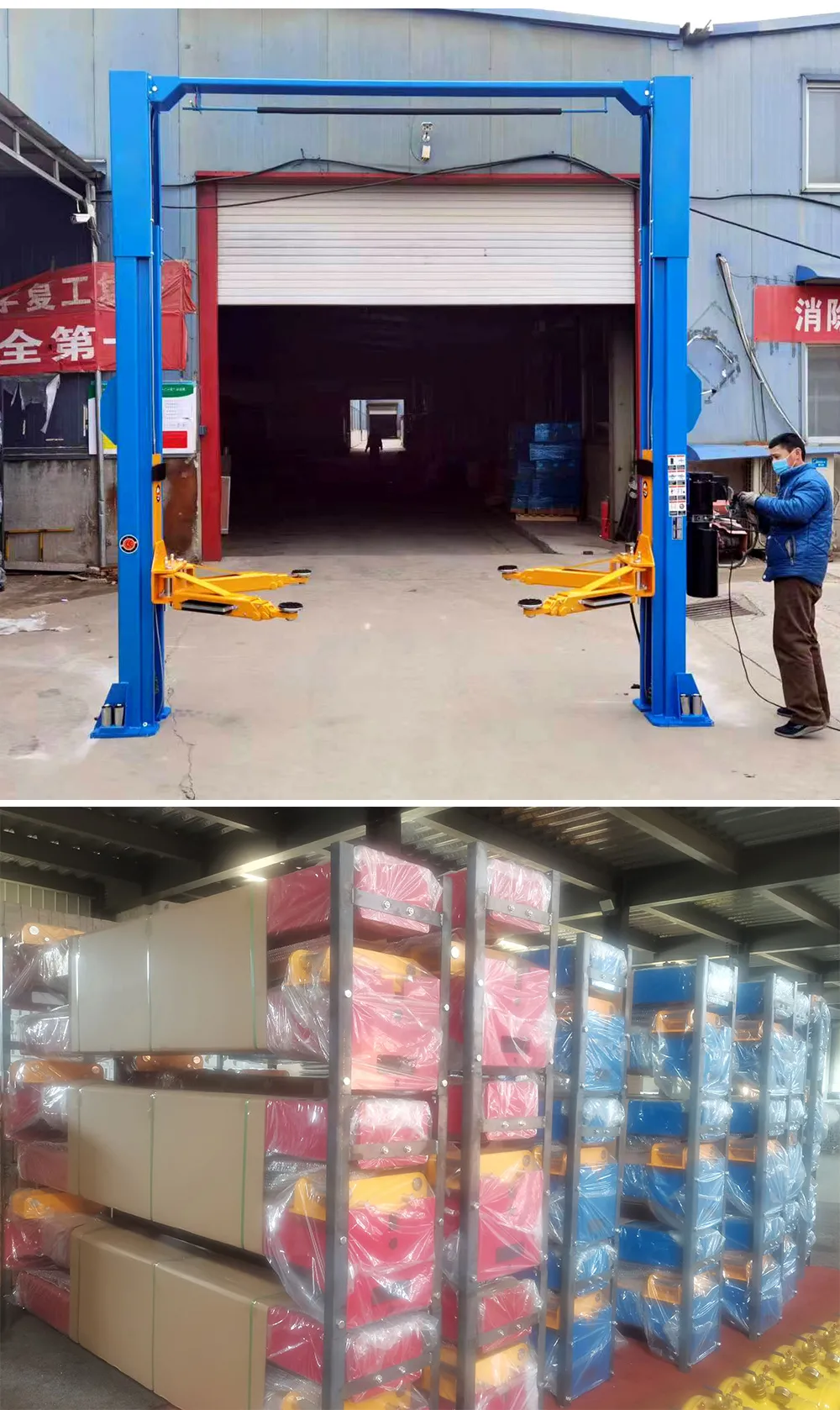
An 8-ton engine crane, also known as an engine hoist or shop crane, is a critical piece of material handling equipment utilized extensively in automotive repair facilities, industrial maintenance operations, and heavy equipment assembly. Positioned within the lifting and positioning segment of the industrial machinery chain, its primary function is the safe and controlled lifting, maneuvering, and lowering of heavy components – particularly internal combustion engines, transmissions, and other large mechanical assemblies. Core performance characteristics are defined by its lifting capacity (8 tons / 16,000 lbs), maximum lifting height, boom reach, and load stability. A significant industry pain point resides in ensuring accurate load calculation, preventing exceeding the crane's rated capacity, and mitigating the risk of instability during operation, leading to potential damage or injury. Modern designs increasingly integrate hydraulic systems for smooth operation and improved control, addressing historical issues of jerky movements and operator fatigue.
Material Science & Manufacturing
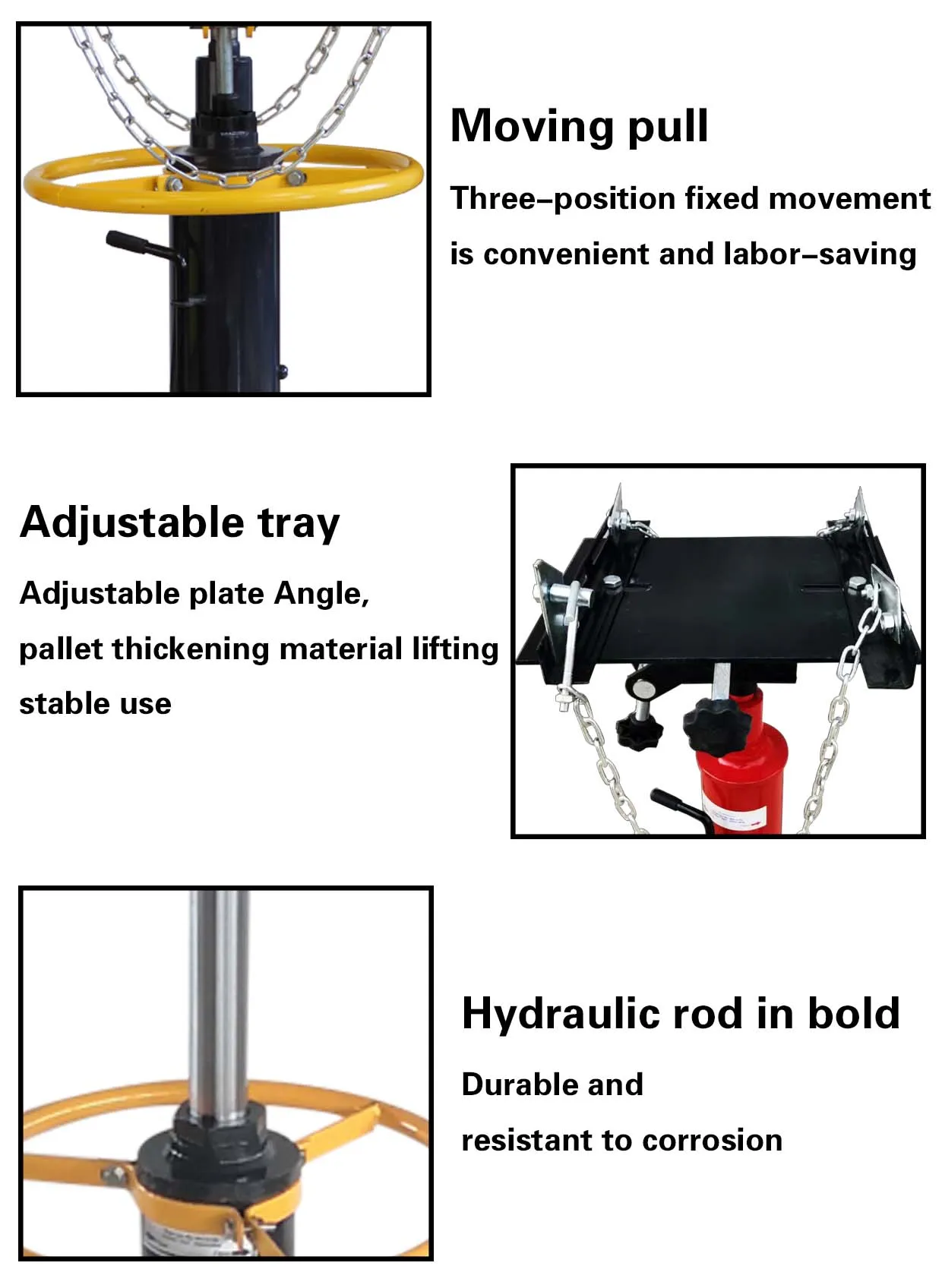
The construction of an 8-ton engine crane relies on a combination of high-strength steel alloys and robust hydraulic components. The primary structural elements – the boom, base, and upright – are typically fabricated from A36 or equivalent carbon steel, chosen for its weldability, tensile strength (approximately 400 MPa), and cost-effectiveness. The hydraulic cylinder bodies and piston rods employ AISI 1045 steel, heat-treated for increased hardness and wear resistance. The hydraulic fluid itself is usually a mineral oil-based formulation with viscosity grades ranging from ISO VG 32 to VG 46, selected for its lubricating properties, thermal stability, and compatibility with the sealing materials.
Manufacturing processes commence with steel plate cutting using CNC laser or plasma cutting machines, ensuring dimensional accuracy. The structural components are then assembled via submerged arc welding (SAW) or gas metal arc welding (GMAW), processes chosen for their high deposition rates and weld integrity. Critical welds undergo non-destructive testing (NDT), including ultrasonic testing (UT) and magnetic particle inspection (MPI), to detect subsurface flaws. Hydraulic cylinders are manufactured through precision machining of cylinder bodies and honing of internal surfaces to achieve a smooth finish and tight tolerances. The hydraulic power unit is assembled with hydraulic pumps, valves, and a reservoir, rigorously tested for leaks and performance before integration. Final assembly involves connecting the hydraulic system to the lifting mechanism, installing the wheels and steering components, and applying a durable powder coat finish for corrosion protection. Parameter control during welding is paramount, specifically maintaining interpass temperature and shielding gas flow to prevent hydrogen embrittlement.
Performance & Engineering
The performance of an 8-ton engine crane is dictated by several engineering principles. Force analysis centers on calculating bending moments and shear stresses within the boom and upright structures under maximum load conditions. Stability is a critical factor; the base must be sufficiently weighted and the load center of gravity maintained within the crane’s stability envelope to prevent tipping. The hydraulic system is engineered to provide controlled lifting and lowering speeds, typically ranging from 0.8 to 3.5 meters per minute. The ram’s stroke length dictates the maximum lift height.
Environmental resistance is addressed through corrosion-resistant coatings and material selection. The crane must operate reliably in a range of temperatures, typically from -10°C to 50°C. Compliance requirements include adherence to OSHA regulations regarding load capacity labeling, operator training, and inspection procedures. Functional implementation involves a two-speed hydraulic pump (low speed for precise positioning, high speed for rapid lifting), a manual release valve for controlled descent in the event of power failure, and a swivel hook to prevent load twisting. Finite element analysis (FEA) is routinely employed during the design phase to optimize structural integrity and minimize weight. A key engineering consideration is the factor of safety applied to all structural components, typically a factor of 3:1 or higher to account for dynamic loads and unforeseen stresses.
Technical Specifications
| Parameter | Specification | Testing Standard | Tolerance |
|---|---|---|---|
| Lifting Capacity | 8,000 kg (17,600 lbs) | ISO 6095 | ±5% |
| Maximum Lifting Height | 3,000 mm (9.8 ft) | EN 13155 | ±25 mm |
| Boom Length | 2,400 mm (7.9 ft) | ASME B30.2 | ±10 mm |
| Base Width | 1,500 mm (4.9 ft) | GB/T 20801 | ±5 mm |
| Hydraulic Oil Capacity | 10 Liters | ASTM D6158 | ±0.25 L |
| Wheel Diameter | 150 mm (5.9 in) | DIN 863 | ±1 mm |
Failure Mode & Maintenance
Failure modes in 8-ton engine cranes commonly arise from material fatigue, hydraulic system malfunctions, and improper usage. Fatigue cracking is prevalent in the boom and upright structures, particularly at weld points, due to cyclical loading. Delamination can occur in painted surfaces, accelerating corrosion. Hydraulic cylinder failures can stem from seal degradation, piston rod corrosion, or pump cavitation. Oxidation of hydraulic fluid leads to viscosity changes and reduced lubricating properties. Overloading the crane is a primary cause of structural failure. Improper maintenance, such as neglecting lubrication or failing to inspect hydraulic hoses, significantly increases the risk of failure.
Preventive maintenance is critical. Regular inspection of welds for cracks is essential, employing visual inspection and dye penetrant testing. Hydraulic fluid should be replaced every 6-12 months, and filters should be changed concurrently. All moving parts – wheels, pivots, and hydraulic cylinders – require regular lubrication with a suitable grease. Hydraulic hoses and fittings must be inspected for leaks and damage. Load chains and hooks should be inspected for wear and deformation. The base should be inspected for cracks or damage. A comprehensive annual inspection by a qualified technician is recommended, including load testing and functional checks. Repair procedures typically involve welding cracked components (followed by NDT), replacing damaged seals or hoses, and flushing the hydraulic system. Adherence to the manufacturer's recommended maintenance schedule is paramount.
Industry FAQ
Q: What is the safe working load (SWL) calculation for this crane, and how does it account for sling angles?
A: The SWL of 8,000 kg assumes a vertical lift. When using slings, the effective SWL decreases as the sling angle increases. The calculation is SWL_effective = SWL cos(sling angle). For example, at a 45-degree sling angle, the effective SWL is reduced to approximately 5,657 kg. It is crucial to consult a sling angle chart and factor this reduction into load planning.
Q: How does the quality of the hydraulic oil impact the crane’s performance and lifespan?
A: Hydraulic oil quality is paramount. Contaminated or degraded oil leads to increased wear on hydraulic components, reduced efficiency, and potential system failure. Using the incorrect viscosity grade can also impact performance. Regular oil analysis is recommended to monitor for contaminants, viscosity changes, and wear debris.
Q: What are the key inspection points for identifying potential structural fatigue in the boom?
A: Focus on weld areas, particularly at the boom's base and pivot points. Look for cracks, discoloration, or deformation. Utilize dye penetrant testing to reveal surface cracks. Regularly inspect for signs of bending or twisting, which indicate stress beyond design limits. Document all inspection findings.
Q: What is the recommended procedure for load testing and certification of the crane?
A: Load testing should be performed annually by a qualified technician. The crane should be tested to 125% of its rated capacity using a calibrated load cell. The test should involve a static hold for a specified duration (e.g., 10 minutes) to verify structural integrity. Certification should be documented, including the test date, load applied, and technician’s signature.
Q: What are the implications of exceeding the maximum lifting height specification?
A: Exceeding the maximum lifting height can compromise stability. The boom's structural integrity is designed for loads within a specific height range. Extension beyond this limit can induce excessive bending moments, leading to boom failure. Additionally, exceeding the height can destabilize the crane, increasing the risk of tipping.
Conclusion
The 8-ton engine crane remains an indispensable tool in numerous industrial applications, demanding a thorough understanding of its material science, manufacturing processes, and operational parameters. Ensuring safe and efficient operation necessitates strict adherence to engineering principles, regular maintenance protocols, and a comprehensive understanding of potential failure modes.
The future of engine crane technology will likely focus on enhanced safety features, such as integrated load monitoring systems and automated stability control. Further advancements in material science, potentially utilizing higher-strength steel alloys or composite materials, will contribute to lighter and more durable designs. Digitalization through IoT integration will allow for remote monitoring of crane performance and predictive maintenance scheduling, optimizing operational efficiency and minimizing downtime.
