Gearbox Housing reliability is the foundation of smooth steering response in heavy trucks and agricultural machinery. As vehicles become more complex and operators demand greater control, the quality of cast metal components directly influences steering precision, longevity, and safety. Few parts endure the repeated stress, vibration, and torque loads found in steering systems, which makes material integrity and dimensional accuracy non-negotiable.
The Role of High-Quality Castings in Steering Systems
Steering assemblies rely on a network of robust cast components — from steering knuckles and pitman arms to sector shafts and housing assemblies. Each part must withstand cyclic loading, corrosive environments, and temperature extremes. A casting defect such as porosity, shrinkage, or misalignment can lead to premature wear, fluid leaks, or even catastrophic failure at high speeds. That is why leading vehicle manufacturers increasingly specify ductile iron and other high-strength alloys for these safety-critical parts.
Modern foundries employ automated molding lines, real-time melt analysis, and advanced simulation software to eliminate internal flaws before production begins. The result is a near-net-shape casting that requires minimal machining and delivers consistent mechanical properties. For the end user, this translates to reduced maintenance intervals, longer service life, and predictable handling characteristics.
Quality Management Systems: IATF 16949 and ISO 9001 Standards
Third-party certification is a reliable indicator of a foundry's commitment to consistent quality. The IATF 16949 standard, specifically designed for the automotive supply chain, requires rigorous process controls, traceability, and continuous improvement. Facilities that achieve this certification demonstrate the ability to produce parts that meet strict dimensional tolerances and material specifications demanded by global OEMs.
A well-documented quality management system also helps reduce scrap rates and rework, which lowers overall production costs. These savings are often passed down the supply chain, making certified foundries more competitive without sacrificing quality. For buyers of steering components, working with an IATF-certified supplier reduces the risk of field failures and warranty claims.
Why Dimensional Accuracy Matters for Steering Performance
Even minor deviations in bore alignment, flange flatness, or bolt-hole position can cause binding, uneven tire wear, or steering wheel vibration. Precision machining of castings has become a critical value-add service offered by many foundries. State-of-the-art machining centers with multi-axis capability can hold tolerances within microns, ensuring that the Clutch Pressure Plate and other rotating assemblies engage smoothly without excessive friction or noise.
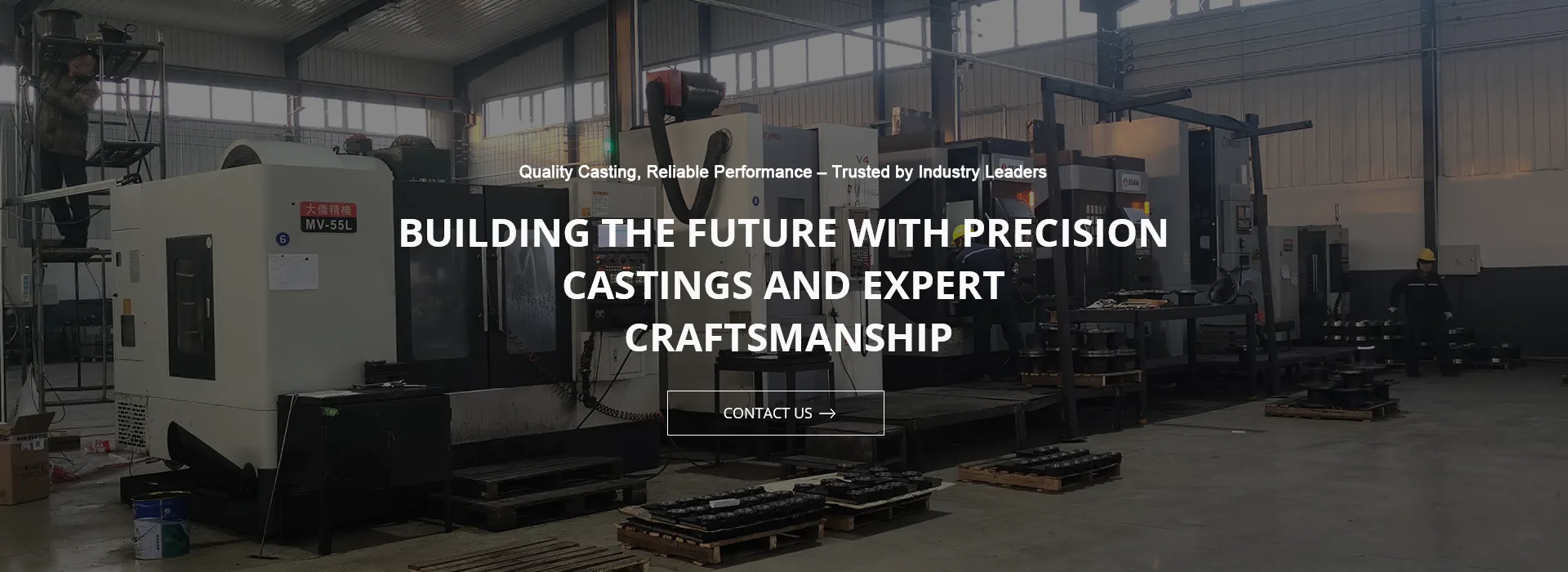
When a foundry combines in-house casting with CNC machining, it eliminates the need for secondary handling between facilities. This streamlined approach reduces lead times and minimizes the risk of damage during transport. For the vehicle manufacturer, it means receiving fully finished components that are ready for assembly — a clear advantage in today's just-in-time production environment.
Material Selection: Ductile Iron and Beyond
Ductile iron (also known as nodular iron) has become the material of choice for steering components because of its excellent strength-to-weight ratio, fatigue resistance, and machinability. Unlike gray iron, ductile iron can undergo plastic deformation before fracturing, adding a safety margin in overload situations. For applications requiring even higher strength, austempered ductile iron (ADI) offers tensile strengths exceeding 1,000 MPa.
Material traceability from melt to final part is another hallmark of a professional foundry. Each heat of metal is sampled and tested for chemical composition, ensuring that every casting meets the specified grade. This level of control is especially important when producing components for export, where standards may vary by region.
The Future of Steering Component Manufacturing
As electric and autonomous vehicles reshape the automotive landscape, steering systems are evolving too. While traditional hydraulic power steering is giving way to electric power steering (EPS) and steer-by-wire technologies, the underlying cast housings and support structures remain essential. These new systems demand even tighter tolerances and lighter designs, driving foundries to invest in advanced simulation, additive manufacturing for patterns, and automated inspection.
Established foundries with a decade or more of experience, such as those operating in Hebei Province's industrial clusters, are well positioned to meet these emerging requirements. Their ability to combine traditional casting expertise with modern process control makes them reliable partners for global OEMs seeking both quality and capacity.
Conclusion
Steering system performance depends on the integrity of its cast components. From the gearbox housing that contains the gear train to the clutch pressure plate that manages torque transfer, every part must be manufactured with precision and consistency. By choosing foundries that follow IATF 16949 standards and employ modern molding and machining technology, vehicle manufacturers can ensure that their steering systems deliver the safety, comfort, and durability that today's operators expect.
Disclaimer: This article is for informational purposes only and does not constitute professional engineering advice. Always consult qualified engineers for specific component design and material selection.
