Introduction
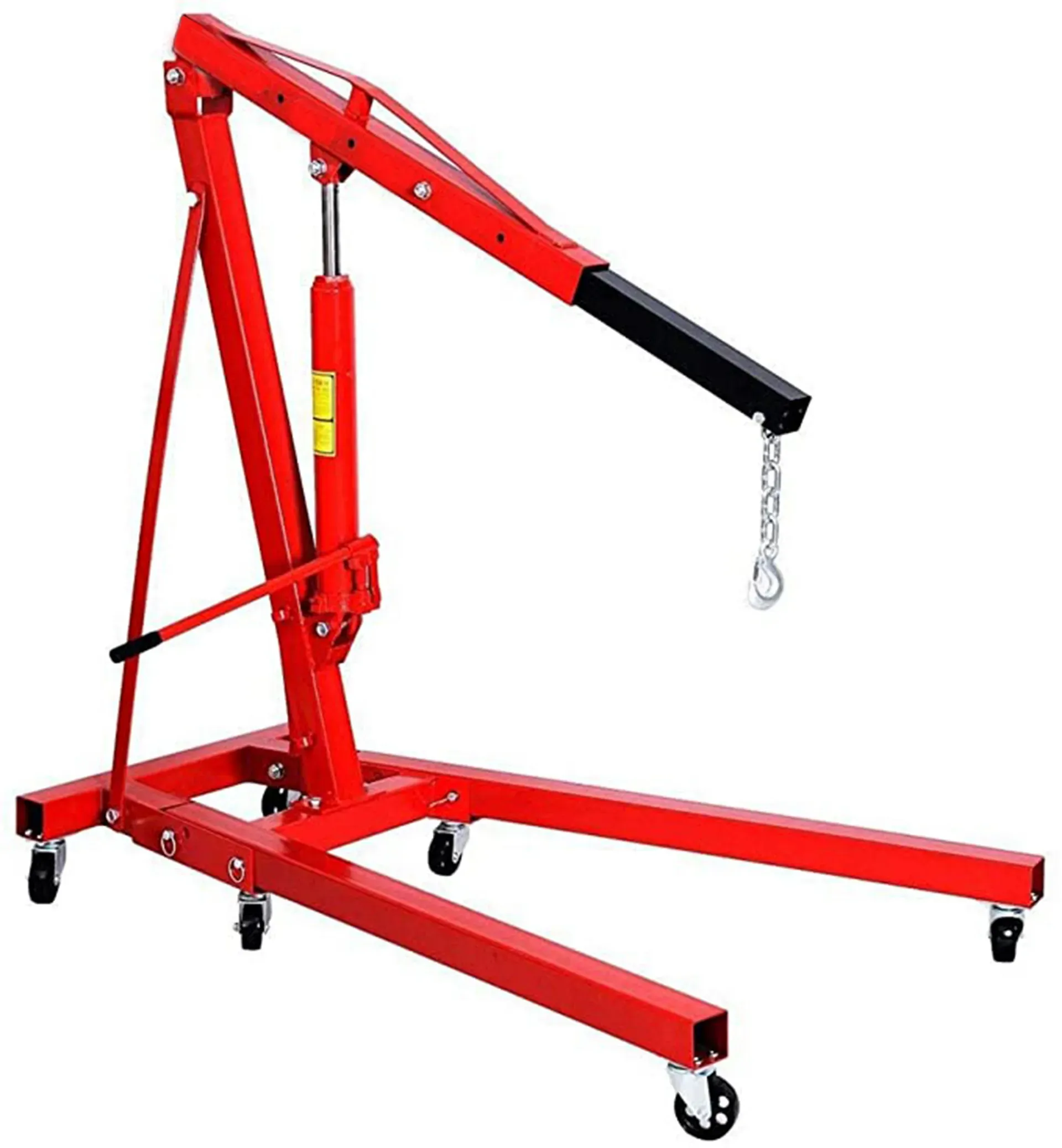
Auto jacks and stands are essential tools in automotive maintenance and repair, providing a secure method for lifting and supporting vehicles. This guide details the material science, manufacturing processes, performance characteristics, potential failure modes, and maintenance procedures for these critical pieces of equipment. Positioned within the automotive aftermarket and professional garage sectors, they bridge the gap between basic vehicle access and comprehensive underside work. Core performance revolves around static load capacity, lifting speed, stability under load, and long-term durability. Understanding these aspects is crucial for ensuring operator safety and preventing vehicle damage during maintenance operations. The increasing complexity of vehicle chassis, coupled with stricter safety regulations, demand a nuanced understanding of jack and stand design and application.
Material Science & Manufacturing
Auto jacks and stands predominantly utilize high-strength steel alloys for critical load-bearing components. The steel grade varies depending on the intended load capacity, with common choices including AISI 1045 carbon steel for hydraulic cylinders and AISI 1018 for structural members. Stand pawls and locking mechanisms frequently employ hardened tool steels (e.g., 4140) for wear resistance. Hydraulic jacks utilize hydraulic fluid, typically a mineral oil-based formulation, selected for its viscosity, thermal stability, and corrosion inhibition properties. Manufacturing processes differ significantly between jack types and stand construction. Hydraulic jacks involve precision machining of cylinders and pistons, coupled with seamless welding of the jack housing. The hydraulic pump assembly necessitates tight tolerances for consistent performance. Mechanical jacks employ forging and stamping processes for components like the lifting arm and base. Stand manufacturing involves steel tube bending, welding, and stamping of locking pins. Critical parameters include weld integrity (tested via non-destructive testing like ultrasonic or radiographic inspection), heat treatment for steel hardness and ductility, and surface coating (e.g., phosphate coating) for corrosion resistance. Material traceability is paramount to ensure adherence to design specifications and safety standards.
Performance & Engineering
The performance of auto jacks and stands is governed by fundamental engineering principles, including stress analysis, fatigue resistance, and material yield strength. Force analysis focuses on determining the maximum load each component can withstand without deformation or failure. Stability is crucial; stand base geometry and footprint size are optimized to prevent tipping under load. Hydraulic jack design incorporates safety valves to prevent over-extension of the piston and potential catastrophic failure. Engineering considerations extend to environmental resistance. Steel components are susceptible to corrosion, particularly in humid or saline environments. Powder coating or other protective finishes are applied to mitigate corrosion. Compliance with safety standards (detailed in the footer) dictates minimum load capacity, stability requirements, and testing protocols. Finite Element Analysis (FEA) is widely used during the design phase to predict stress distribution and identify potential weak points. Dynamic load testing is conducted to simulate real-world conditions and validate design assumptions. The locking mechanism of stands must demonstrate positive engagement and resistance to accidental disengagement under load. Long-term creep and plastic deformation must also be accounted for in the design process.
Technical Specifications
| Parameter | Hydraulic Floor Jack (2 Ton) | Mechanical Floor Jack (3 Ton) | Jack Stand (3 Ton Capacity - Pair) | High-Lift Jack Stand (6 Ton Capacity - Pair) |
|---|---|---|---|---|
| Lifting Capacity | 2000 kg (4400 lbs) | 3000 kg (6600 lbs) | 3000 kg (6600 lbs) per stand | 6000 kg (13200 lbs) per stand |
| Minimum Lifting Height | 75 mm (3 in) | 130 mm (5.1 in) | 295 mm (11.6 in) | 380 mm (15 in) |
| Maximum Lifting Height | 600 mm (23.6 in) | 535 mm (21 in) | 430 mm (16.9 in) | 540 mm (21.3 in) |
| Pump Stroke (Hydraulic) | N/A | N/A | N/A | N/A |
| Handle Length | 800 mm (31.5 in) | 650 mm (25.6 in) | N/A | N/A |
| Weight | 32 kg (70.5 lbs) | 45 kg (99 lbs) | 8 kg (17.6 lbs) per pair | 15 kg (33 lbs) per pair |
Failure Mode & Maintenance
Failure modes in auto jacks and stands typically fall into several categories. Hydraulic jacks can experience seal failure, leading to pressure loss and inability to maintain lift. Corrosion within the hydraulic system can also impair functionality. Mechanical jacks are prone to pawl wear and fatigue cracking of the lifting arm. Stand failures often involve deformation or fracture of the base, pawl disengagement, or weld failure. Fatigue cracking is a common failure mode in all components, especially those subjected to repeated loading. Delamination of protective coatings can accelerate corrosion. Oxidation of steel components is a slow but persistent degradation process. Maintenance procedures are critical for preventing failures. Hydraulic jacks require regular inspection of fluid levels and seals. The hydraulic fluid should be replaced periodically (typically every 2-3 years) to prevent corrosion and maintain optimal viscosity. Mechanical jacks require lubrication of moving parts. Stands should be inspected for weld integrity, pawl engagement, and base deformation. Avoid exceeding the rated load capacity, and always use stands in pairs on a level surface. Never work under a vehicle supported solely by a jack. Regularly clean and inspect all components for signs of wear or damage. Proper storage in a dry environment minimizes corrosion.
Industry FAQ
Q: What is the difference between dynamic and static load capacity, and why is it important?
A: Static load capacity refers to the maximum weight a jack or stand can support when stationary. Dynamic load capacity considers the impact forces generated during lifting or lowering. It’s crucial to understand the dynamic load capacity as sudden movements or uneven weight distribution can exceed the static rating and lead to failure. Always factor in a safety margin and account for potential dynamic forces.
Q: How often should I replace the hydraulic fluid in a hydraulic jack?
A: The recommended replacement interval for hydraulic fluid is typically every 2-3 years, or more frequently if the jack is used heavily or in dusty environments. Old fluid can become contaminated and corrosive, reducing the jack's efficiency and lifespan.
Q: What is the correct procedure for using jack stands?
A: First, position the jack stands on a level, solid surface. Raise the vehicle with a jack to the desired height. Carefully position the jack stands under designated reinforced lifting points on the vehicle's chassis. Lower the vehicle onto the jack stands slowly and ensure they are securely supporting the weight. Never work under a vehicle supported only by a jack.
Q: What are the signs that a jack stand is failing or unsafe to use?
A: Signs of failure include visible cracks, deformation of the base or stand, a loose or damaged pawl mechanism, or difficulty in adjusting the height. Any sign of damage warrants immediate removal from service and replacement.
Q: Are there specific materials used for jack stands intended for heavier vehicles like trucks?
A: Yes, heavy-duty jack stands for trucks and larger vehicles typically utilize thicker gauge steel and more robust locking mechanisms. They often incorporate wider base plates for increased stability and may be constructed from alloy steels with higher yield strengths to handle the increased loads.
Conclusion
Auto jacks and stands are indispensable tools in automotive maintenance, but their safe and effective operation hinges on a thorough understanding of their underlying engineering principles, material properties, and potential failure modes. Selecting the appropriate jack and stand combination, adhering to specified load capacities, and implementing a rigorous maintenance schedule are paramount to preventing accidents and ensuring operator safety. The continuous advancements in material science and manufacturing processes are driving the development of more durable and reliable lifting equipment.
Future developments are likely to focus on incorporating advanced safety features, such as automatic locking mechanisms and overload protection systems. Further research into corrosion-resistant materials and coatings will also extend the service life of these tools. Ultimately, a proactive approach to safety and maintenance is the cornerstone of responsible vehicle repair.
