Introduction
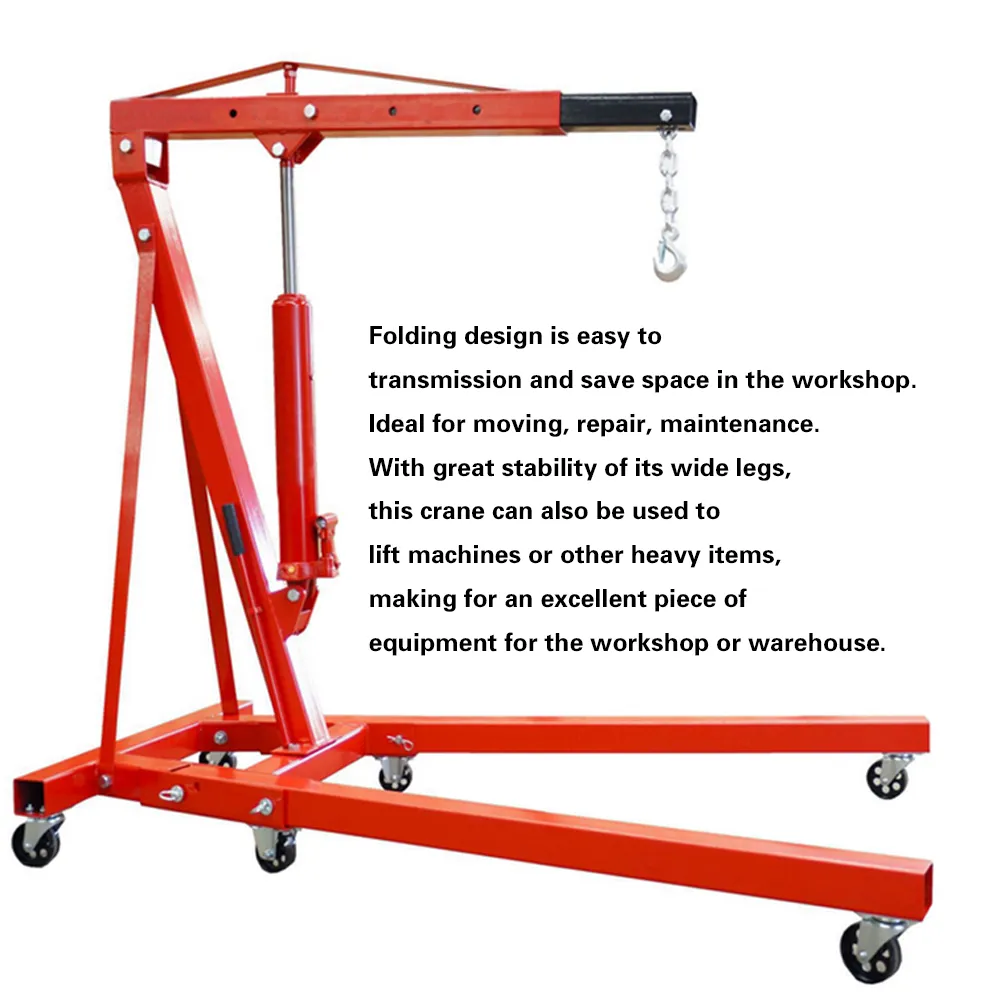
Automotive stands, also known as vehicle support stands or service stands, are critical pieces of equipment utilized within the automotive maintenance, repair, and manufacturing industries. They provide a stable and secure elevated platform for vehicle access, enabling technicians to perform undercarriage inspections, repairs, and maintenance procedures efficiently and safely. Their technical position within the automotive aftermarket supply chain is as essential safety equipment, directly impacting workshop productivity and technician wellbeing. Core performance characteristics center around load capacity, stability under dynamic loads, adjustability to accommodate varying vehicle heights, and adherence to stringent safety standards. The evolution of automotive stand design has shifted from basic mechanical locking mechanisms to more sophisticated pneumatic and self-locking systems, driven by increasing vehicle weights and the demand for enhanced safety features. A key pain point in the industry is the compromise between affordability and robust construction; lower-cost stands often exhibit instability or premature failure, leading to safety risks and increased lifecycle costs.
Material Science & Manufacturing
The majority of automotive stands are constructed from steel, with varying grades employed to balance strength, weldability, and cost. Common steel grades include ASTM A572 Grade 50 (high-strength low-alloy steel) for structural components and ASTM A36 for less stressed elements. The manufacturing process typically begins with steel plate or tubing, which undergoes precision cutting using laser or plasma cutting technologies. Welding is a crucial step, often utilizing Gas Metal Arc Welding (GMAW) or Submerged Arc Welding (SAW) to ensure high-strength, consistent welds. Critical weld parameters – current, voltage, travel speed, and shielding gas composition – are carefully controlled to prevent porosity, cracking, and incomplete fusion. Post-welding, components are subjected to stress relieving heat treatment to mitigate residual stresses that could lead to premature failure. The support cradles, which directly contact the vehicle, are often lined with a durable polymer, typically Polyurethane (Shore A durometer 85-95) or High-Density Polyethylene (HDPE), to prevent damage to the vehicle’s chassis and provide enhanced grip. The locking mechanisms, particularly in ratchet-style stands, employ hardened steel pawls and ratchets manufactured via cold forming and heat treatment for durability. Chemical compatibility is also a consideration. Stands are exposed to automotive fluids (oil, coolant, brake fluid) and cleaning agents; therefore, surface coatings (powder coating, zinc plating) are applied to enhance corrosion resistance. Material selection hinges on yield strength, tensile strength, elongation, and impact resistance, dictated by the intended load capacity and operational environment.
Performance & Engineering
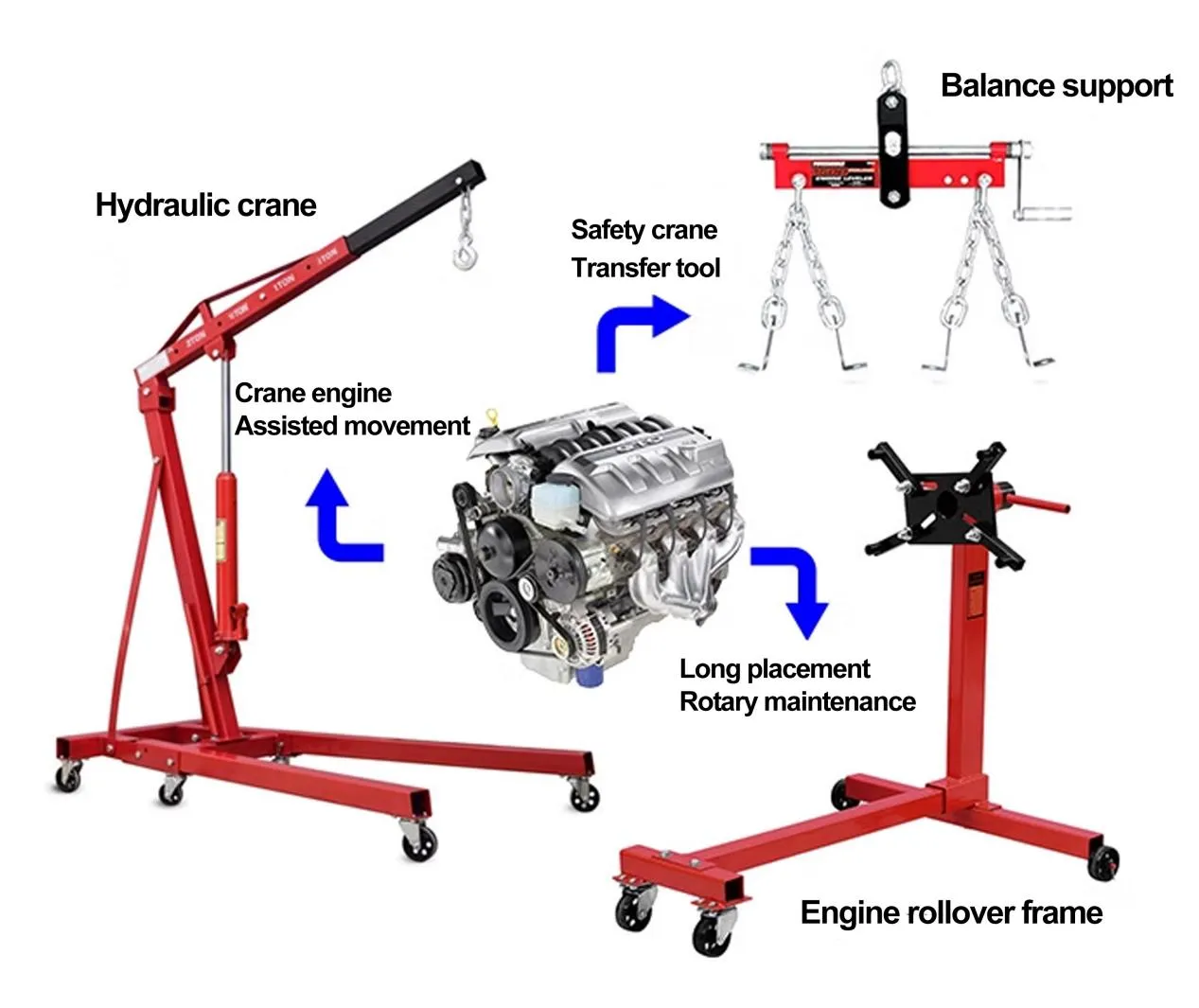
The performance of automotive stands is fundamentally governed by structural mechanics principles. Force analysis, including Finite Element Analysis (FEA), is employed during the design phase to predict stress distribution under maximum load conditions. Key parameters include the buckling load, yield strength, and fatigue life of the critical components. Stability is paramount; stands must resist tipping and side-load forces that arise during vehicle maneuvering or uneven weight distribution. Adjustability is achieved through telescoping designs utilizing locking mechanisms, which must maintain secure engagement even under dynamic loads. The load rating, typically expressed in tons or kilograms, is determined through rigorous testing, including static load tests (applying a sustained load exceeding the rated capacity) and dynamic load tests (simulating vehicle movement and shock loads). Compliance requirements are dictated by industry standards (see section 7). The design must account for the vehicle's center of gravity and the location of lifting points to prevent instability. Hydraulic stands offer advantages in terms of smooth and controlled lowering, but require regular maintenance to prevent seal failure and loss of hydraulic pressure. Pneumatic stands provide rapid lifting and lowering but necessitate a compressed air supply. The selection of the appropriate stand type depends on the specific application, vehicle weight, and workshop environment. Environmental resistance is crucial; stands operating outdoors are susceptible to corrosion and UV degradation, necessitating robust protective coatings and materials.
Technical Specifications
| Load Capacity (tons) | Minimum Height (inches) | Maximum Height (inches) | Base Diameter (inches) |
|---|---|---|---|
| 2 | 15 | 63 | 28 |
| 3 | 18 | 78 | 32 |
| 6 | 24 | 96 | 36 |
| 10 | 30 | 120 | 42 |
| 20 | 36 | 144 | 48 |
| 30 | 42 | 168 | 54 |
Failure Mode & Maintenance
Automotive stands are susceptible to several failure modes. Fatigue cracking is a common issue, particularly in welded joints and areas subject to repeated stress cycles. This is exacerbated by overloading or improper usage. Corrosion, especially in environments with exposure to road salt and automotive fluids, can weaken structural components. Delamination of the polymer padding on the support cradles reduces grip and increases the risk of slippage. Locking mechanism failure, due to wear, debris accumulation, or improper lubrication, can lead to sudden stand collapse. Hydraulic stands can fail due to seal degradation, resulting in a slow or complete loss of lifting capacity. Oxidation and surface degradation of protective coatings compromise corrosion resistance. Maintenance protocols should include regular visual inspections for cracks, corrosion, and wear. Locking mechanisms should be lubricated periodically with a suitable grease. Hydraulic stands require periodic fluid checks and seal replacements. Stands should be stored in a dry environment to prevent corrosion. Overloading must be strictly avoided. Any stand exhibiting signs of damage or malfunction should be immediately removed from service. Failure Analysis, often involving metallographic examination of fractured components, can identify the root cause of failures and inform design improvements. Proper preventative maintenance extends the service life of the stands and ensures continued safe operation.
Industry FAQ
Q: What is the typical safety factor applied in the design of automotive stands?
A: A typical safety factor of 3:1 or higher is applied to the rated load capacity. This means the stand is designed to withstand a load three times greater than its stated capacity before reaching its yield strength. This margin accounts for dynamic loads, uneven weight distribution, and potential material imperfections.
Q: How do hydraulic stands compare to mechanical ratchet-style stands in terms of reliability?
A: Hydraulic stands offer smoother operation and quicker height adjustment but are generally less reliable in the long term due to the potential for seal failure and hydraulic fluid leaks. Mechanical ratchet-style stands are simpler in design and typically more robust, but require more physical effort for adjustment.
Q: What type of steel is most commonly used for the support arms of a heavy-duty automotive stand?
A: ASTM A572 Grade 50, a high-strength low-alloy steel, is frequently used for support arms due to its excellent weldability, high yield strength, and good impact resistance. The specific steel grade selection is determined by the intended load capacity and the required fatigue life.
Q: What are the key considerations for selecting the appropriate stand base diameter?
A: Base diameter is crucial for stability. A larger base diameter increases the stand's resistance to tipping. The selection should be based on the vehicle's weight, the height of the stand, and the surface conditions of the workshop floor. Uneven or sloped floors necessitate larger base diameters.
Q: What is the role of powder coating in extending the service life of automotive stands?
A: Powder coating provides a durable, corrosion-resistant finish that protects the steel components from rust and environmental degradation. It enhances the stand’s appearance and helps to maintain its structural integrity over time. The thickness and type of powder coating (e.g., epoxy, polyester) impact its level of protection.
Conclusion
Automotive stands represent a critical safety component within the vehicle maintenance ecosystem. Their design and manufacturing require a comprehensive understanding of material science, structural engineering, and relevant industry standards. The selection of appropriate materials, precise welding techniques, and rigorous testing are paramount to ensuring reliable performance and preventing catastrophic failures. The ongoing evolution of stand technology focuses on enhancing safety features, improving ease of use, and increasing durability while maintaining affordability.
Looking ahead, advancements in sensor technology and predictive maintenance capabilities may be integrated into automotive stand designs. These advancements could involve load monitoring systems and early failure detection mechanisms, further enhancing safety and reducing downtime. Continued refinement of materials and coatings will also be crucial for improving corrosion resistance and extending service life. Maintaining strict adherence to industry regulations and prioritizing worker safety will remain the primary drivers of innovation in this essential segment of the automotive aftermarket.
