Introduction
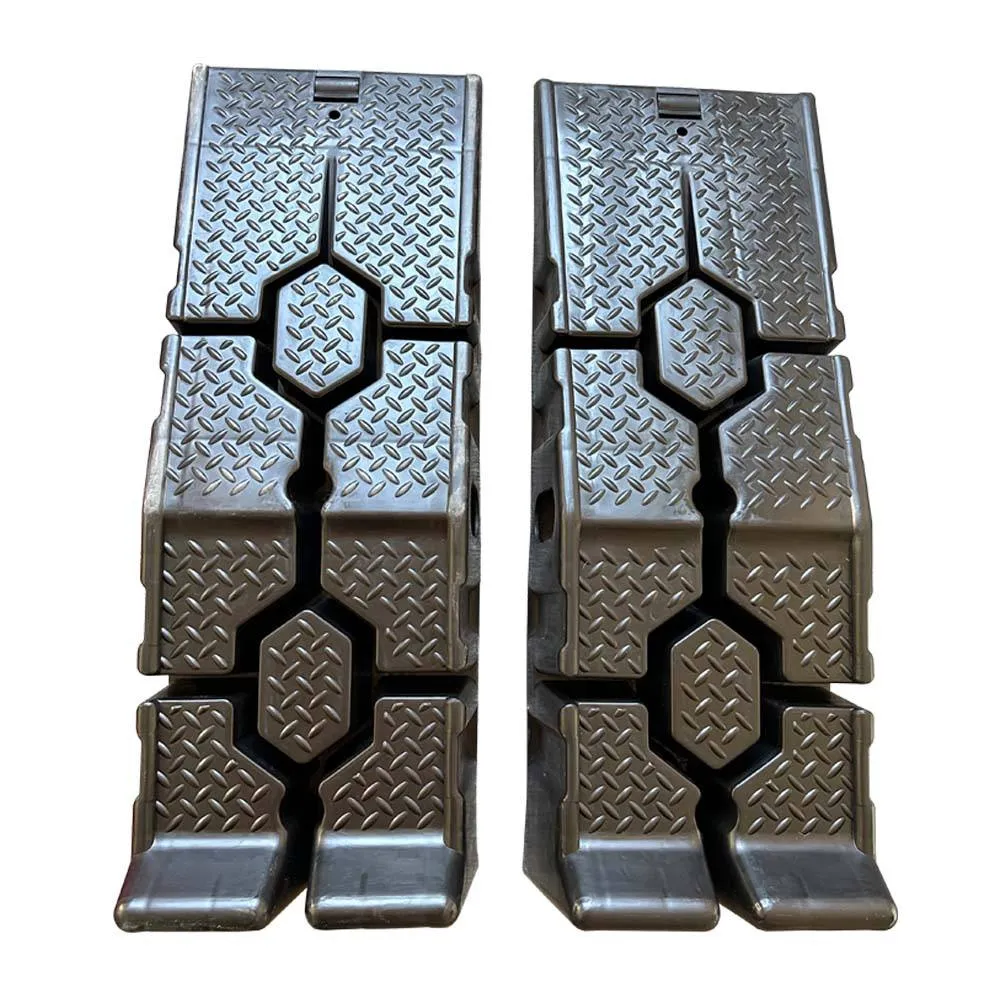
Axle stands, also known as car stands, are critical safety devices used in conjunction with hydraulic jacks when performing maintenance or repair work underneath a vehicle. They are not lifting devices themselves, but rather support structures designed to bear the static load of a raised vehicle. Their position within the automotive aftermarket supply chain is as essential safety equipment, positioned between the jack (lifting mechanism) and the repair processes. Core performance characteristics revolve around static load capacity, stability, and adherence to stringent safety standards. Unlike hydraulic jacks which are dynamic and prone to slow settling, axle stands provide a fixed, stable platform. The industry faces increasing demand for higher load capacities to support larger vehicles (trucks, SUVs) and a need for improved stability designs to mitigate risks associated with improper usage or uneven ground. Quality control and material selection are paramount, as failure can result in severe injury or death.
Material Science & Manufacturing
The primary material for axle stand construction is steel, typically carbon steel (grades such as A36 or equivalent). The selection of steel grade is governed by its yield strength, tensile strength, and ductility. Higher load-rated stands often utilize higher-grade alloy steels like 4140 for increased strength and toughness. Manufacturing processes vary depending on the stand's design and load capacity. Lower-capacity stands frequently employ stamped and welded construction; steel sheets are pressed into the desired shape and then welded together to form the stand’s structure. Higher-capacity stands, designed for heavier vehicles, often utilize a combination of rolled steel sections (I-beams, square tubing) and robust welding techniques (Submerged Arc Welding – SAW, Gas Metal Arc Welding – GMAW). Critical parameters during manufacturing include weld penetration, weld integrity (checked via non-destructive testing like ultrasonic or radiographic inspection), and the accuracy of dimensional tolerances. The pawl mechanisms, responsible for locking the stand at various heights, are often manufactured from hardened steel alloys (e.g., 4150) to resist wear and deformation. Surface treatments, such as powder coating or zinc plating, are applied to protect against corrosion and enhance durability. Pin materials (locking pins) are typically alloy steel heat treated for shear strength and resistance to yielding. The saddle, the contact point with the vehicle, is often covered with a rubber pad – typically a blend of natural and synthetic rubbers (e.g., EPDM) – to prevent damage to the vehicle’s chassis and provide a more secure grip.

Performance & Engineering
Axle stand performance is fundamentally governed by principles of statics and materials science. The primary engineering consideration is ensuring the stand’s ability to withstand the static load imposed by the vehicle without failure (yielding, buckling, fracture). Force analysis involves calculating the shear stress on the pawl mechanism, the compressive stress on the stand’s legs, and the bending moment at critical weld points. Stability is another crucial aspect; a wider base provides greater resistance to tipping. The height adjustment mechanism must be engineered to securely lock at various positions, preventing accidental collapse. Finite Element Analysis (FEA) is frequently employed during the design phase to simulate stress distribution under load and identify potential weak points. Environmental resistance is also important; stands used in outdoor environments must be resistant to corrosion from moisture and road salts. Compliance requirements are dictated by standards organizations (detailed in the footer). The design must consider the vehicle’s weight distribution; standing a vehicle on axle stands incorrectly, especially near the center of gravity, can lead to instability. The saddle material’s coefficient of friction must be sufficient to prevent slippage, and the rubber pad must maintain its integrity over a wide temperature range.
Technical Specifications
| Capacity (tons) | Minimum Height (in) | Maximum Height (in) | Base Diameter (in) |
|---|---|---|---|
| 2 | 11 | 15.75 | 6.5 |
| 3 | 13.75 | 19.25 | 7.5 |
| 6 | 16 | 24 | 8.5 |
| 8 | 18 | 28 | 9.5 |
| 10 | 20 | 32 | 10.5 |
| 20 | 24 | 40 | 12 |
Failure Mode & Maintenance
Common failure modes in axle stands include: 1) Yielding/Fracture: Occurs when the load exceeds the stand’s rated capacity, resulting in permanent deformation or catastrophic failure of the steel structure. 2) Pawl Mechanism Failure: Wear or damage to the pawl mechanism can prevent it from securely locking, leading to a sudden collapse. 3) Weld Failure: Poor weld quality or fatigue cracking at weld points can compromise the stand’s structural integrity. 4) Corrosion: Rust can weaken the steel, reducing its load-bearing capacity and increasing the risk of failure. 5) Base Instability: Uneven or soft ground can cause the base to sink or tip, leading to instability. 6) Saddle Degradation: The rubber pad on the saddle can crack or deteriorate over time, reducing friction and increasing the risk of slippage. Maintenance primarily involves regular inspection. Check for signs of corrosion, weld cracks, and damage to the pawl mechanism. Lubricate the pawl mechanism with a light oil to ensure smooth operation. Replace any damaged or worn components immediately. Never exceed the stand’s rated capacity. Ensure the stands are placed on a level, solid surface. Avoid using stands with missing or damaged locking pins. Regularly inspect the rubber saddle for cracks or deterioration and replace as needed. A thorough visual inspection prior to every use is critical.
Industry FAQ
Q: What is the minimum quantity of axle stands I should use when working under a vehicle?
A: A minimum of four axle stands is universally recommended. Using fewer increases the risk of instability and potential collapse. For longer vehicles, or those with significant weight distribution imbalances, six or more stands may be necessary.
Q: What does the "ton" rating on an axle stand represent?
A: The "ton" rating refers to the maximum static weight the axle stand is designed to safely support. It's crucial to ensure that the combined weight of the vehicle section being supported does not exceed the total capacity of the stands being used. Remember, this is a static load; dynamic loads (e.g., from someone working under the vehicle) should be accounted for.
Q: Can I use axle stands on concrete floors with cracks?
A: Using axle stands on cracked concrete is risky. The cracks can compromise the stability of the stand. If cracks are unavoidable, use a wider base plate or a load distribution plate under each stand to spread the weight over a larger area and minimize the risk of sinking or tipping.
Q: What is the difference between ratchet-style and screw-style axle stands?
A: Ratchet-style stands utilize a pawl mechanism for quick height adjustment, offering convenience. Screw-style stands adjust via a threaded spindle, providing more precise height control and potentially greater stability, particularly with heavier loads. The choice depends on frequency of height adjustment and the load requirements.
Q: How often should I replace axle stands, even if they appear undamaged?
A: Axle stands should be replaced every 5-10 years, or sooner if they have been subjected to heavy use or significant stress. Even without visible damage, metal fatigue can occur over time, reducing their load-bearing capacity. Regular inspection is vital, but preventative replacement is a best practice for safety.
Conclusion
Axle stands are deceptively simple devices with a critical role in vehicle maintenance safety. Their effective performance relies on careful material selection, precise manufacturing processes, and adherence to established engineering principles. Understanding the potential failure modes and implementing a robust maintenance schedule are essential for mitigating risks. The industry continues to innovate in areas of increased capacity, enhanced stability, and improved ease of use.
Looking forward, advancements in material science – specifically the development of higher-strength, lighter-weight alloys – will likely lead to more durable and portable axle stands. Furthermore, integration of smart technologies, such as load sensors and stability monitoring systems, could provide real-time feedback on stand performance and alert users to potential hazards. Prioritizing safety through rigorous testing, quality control, and user education remains paramount.
