Introduction
Big car jack stands, fundamentally essential components in automotive maintenance and repair, provide temporary support for vehicles when raised off the ground. Unlike hydraulic jacks which are used for lifting, jack stands are designed to bear the static load of the vehicle, ensuring stability and safety during extended periods of work. They occupy a critical position within the automotive aftermarket, serving both professional mechanics in commercial garages and DIY enthusiasts undertaking vehicle servicing. Core performance characteristics revolve around load capacity, stability under load, and adherence to safety standards. This guide provides an in-depth technical overview of big car jack stands, encompassing material science, manufacturing processes, performance engineering, failure analysis, and relevant industry regulations. A key pain point within the industry is the variability in quality and adherence to stated load capacities, leading to potential safety risks. Furthermore, understanding long-term corrosion resistance is paramount, particularly in environments with exposure to road salts and moisture.
Material Science & Manufacturing
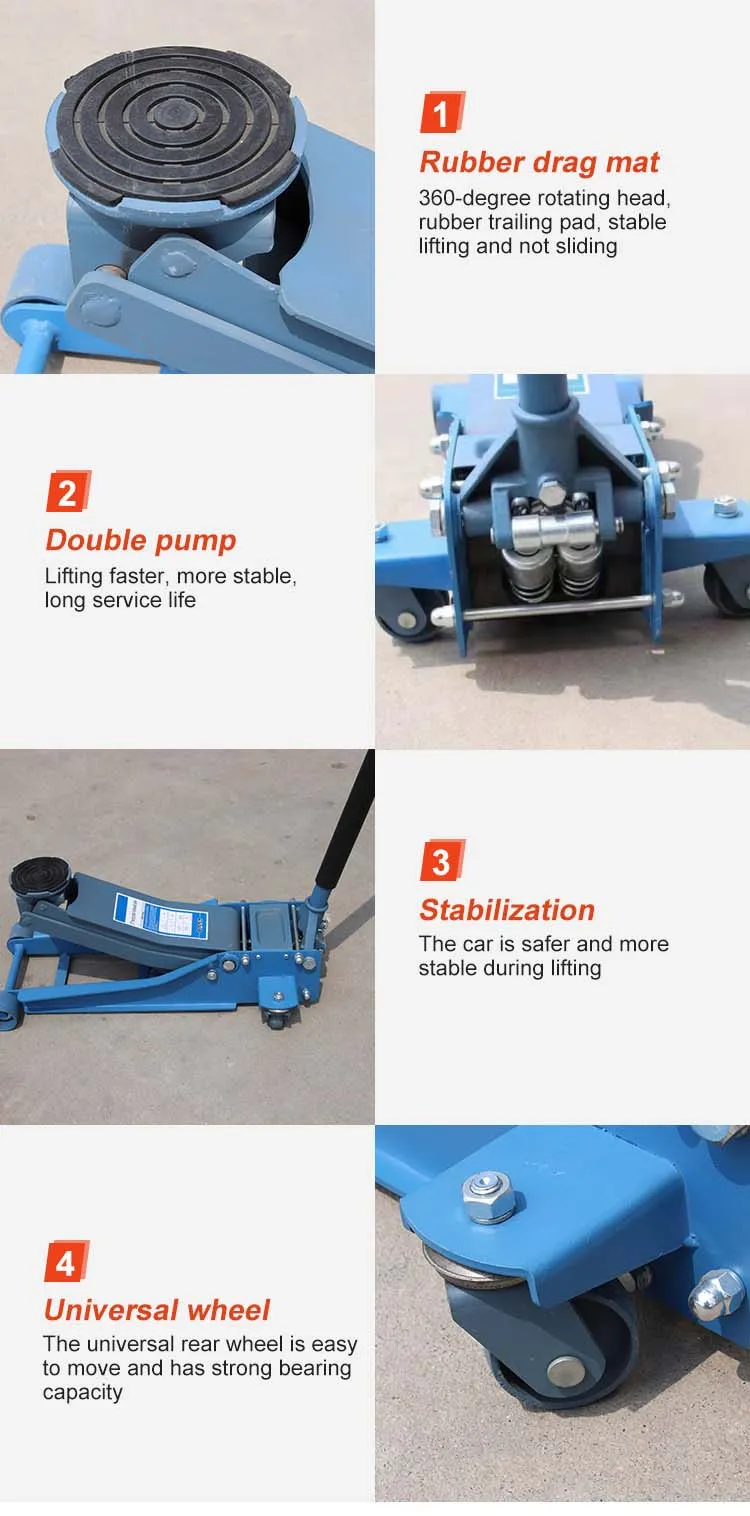
The predominant material utilized in the construction of big car jack stands is steel, specifically carbon steel grades such as ASTM A572 Grade 50. This grade offers a balance of tensile strength, yield strength, and weldability. The steel is selected based on its ability to withstand significant compressive and bending forces. Manufacturing typically involves a combination of processes. First, steel plates and structural sections are cut to specified dimensions using automated plasma cutting or laser cutting. Critical dimensions pertaining to the stand’s footprint and load-bearing surfaces are held to tight tolerances. Subsequent fabrication relies heavily on welding – primarily shielded metal arc welding (SMAW) and gas metal arc welding (GMAW) – to assemble the stand’s frame. Welding parameters (current, voltage, travel speed) are meticulously controlled to ensure complete penetration and minimize weld defects such as porosity and slag inclusions. Post-welding, a stress-relieving process (heat treatment) may be applied to reduce residual stresses induced by the welding process, enhancing the stand’s long-term durability. Surface finishing usually involves powder coating or painting with corrosion-resistant primers and topcoats. The choice of coating is critical, as it directly impacts the stand's resistance to rust and chemical attack. Some higher-end models incorporate polyurethane or rubber pads on the contact surfaces to prevent damage to the vehicle's chassis and enhance grip. The chemical compatibility of these pads with common automotive paints and coatings is an important consideration. The raw material’s composition must adhere to stringent chemical analysis protocols to verify the correct carbon content, manganese content, and other alloy elements.
Performance & Engineering
The performance of a big car jack stand is governed by several key engineering principles. Foremost is the structural analysis of the stand under load. Finite element analysis (FEA) is commonly employed to simulate stress distribution and identify potential weak points in the design. The critical load is the maximum weight the stand is designed to safely support, and this is determined through rigorous testing. Stability is also crucial; a wider base generally improves stability and reduces the risk of tipping. The design must account for the vehicle’s center of gravity and the potential for uneven weight distribution. The locking mechanism, which secures the stand at a specific height, is a critical safety component. It must be robust and reliable, preventing accidental collapse. Environmental resistance is another essential performance aspect. Jack stands are frequently used in outdoor environments and are exposed to rain, snow, and road salts. The chosen materials and coatings must provide adequate protection against corrosion. Compliance with industry standards, such as ASME B30.23, is mandatory. This standard outlines requirements for the design, manufacturing, testing, and marking of portable lifting devices, including jack stands. Force analysis reveals that the primary stresses are concentrated at the weld joints and the base of the stand. Therefore, weld quality and base plate thickness are paramount design considerations. The potential for buckling of the support columns must also be assessed.
Technical Specifications
| Load Capacity (per stand) | Minimum Height | Maximum Height | Base Width |
|---|---|---|---|
| 3 Ton (6,000 lbs / 2,722 kg) | 11 inches (279 mm) | 18.5 inches (469 mm) | 23 inches (584 mm) |
| 5 Ton (10,000 lbs / 4,536 kg) | 13 inches (330 mm) | 24 inches (610 mm) | 27 inches (686 mm) |
| 6 Ton (12,000 lbs / 5,443 kg) | 14 inches (356 mm) | 27 inches (686 mm) | 29 inches (737 mm) |
| 8 Ton (16,000 lbs / 7,257 kg) | 16 inches (406 mm) | 32 inches (813 mm) | 33 inches (838 mm) |
| 10 Ton (20,000 lbs / 9,072 kg) | 18 inches (457 mm) | 36 inches (914 mm) | 36 inches (914 mm) |
| 12 Ton (24,000 lbs / 10,886 kg) | 20 inches (508 mm) | 40 inches (1016 mm) | 39 inches (991 mm) |
Failure Mode & Maintenance
Big car jack stands are subject to several potential failure modes. Fatigue cracking is a common issue, particularly in the weld joints, due to cyclical loading and unloading. This is often initiated by stress concentrations at weld defects. Corrosion, especially in environments with road salts, can weaken the steel structure, leading to premature failure. Bending or buckling of the support columns can occur if the load exceeds the stand’s capacity or if the load is applied unevenly. Failure of the locking mechanism is a critical safety hazard, potentially causing the vehicle to collapse. Delamination of the rubber pads on the contact surfaces can reduce grip and stability. Maintenance is crucial to ensure the long-term reliability of jack stands. Regular inspection for signs of corrosion, weld cracks, and damage to the locking mechanism is essential. Moving parts should be lubricated periodically with a suitable lubricant to ensure smooth operation. Worn or damaged rubber pads should be replaced. If significant corrosion is detected, the stand should be retired from service. Preventative maintenance, including cleaning the stands after use and storing them in a dry environment, can significantly extend their lifespan. A thorough inspection should be conducted before each use to verify the integrity of all components.
Industry FAQ
Q: What is the impact of steel grade selection on the lifespan of a jack stand?
A: The steel grade directly influences the lifespan. Higher-yield strength steels (e.g., ASTM A572 Grade 50) offer greater resistance to deformation and fatigue, resulting in a longer service life. Lower-grade steels are more susceptible to bending and cracking under repeated loading. The specific alloy composition also affects corrosion resistance.
Q: How critical is the quality of the welding process in jack stand fabrication?
A: Welding quality is paramount. Poor welds are a primary point of failure. Complete penetration, minimal porosity, and proper weld bead geometry are essential. Non-destructive testing methods, such as visual inspection and ultrasonic testing, should be employed to verify weld integrity.
Q: What are the key considerations for choosing the appropriate surface coating?
A: The coating must provide robust corrosion protection. Powder coating is a popular choice due to its durability and resistance to chipping. The coating’s chemical resistance is also important, as exposure to automotive fluids and road salts is common. Salt spray testing is used to evaluate coating performance.
Q: How does the base width influence the stability of the jack stand?
A: A wider base provides greater stability by increasing the stand’s resistance to tipping. The base width should be proportional to the load capacity and the height of the stand. The base should also be designed to distribute the load evenly across the supporting surface.
Q: What are the implications of exceeding the stated load capacity of a jack stand?
A: Exceeding the load capacity significantly increases the risk of failure, potentially leading to catastrophic collapse. This can result in severe damage to the vehicle and serious injury to personnel. It’s crucial to always select a jack stand with a load capacity that exceeds the weight of the vehicle being supported.
Conclusion
Big car jack stands are critical safety components in automotive maintenance, and their reliable performance hinges on a combination of appropriate material selection, precise manufacturing processes, rigorous quality control, and diligent maintenance. Understanding the underlying engineering principles – stress analysis, stability considerations, and failure modes – is essential for ensuring their safe and effective operation. The industry faces ongoing challenges related to ensuring consistent product quality and adherence to safety standards.
Future advancements may focus on incorporating smart features, such as load sensors and integrated safety interlocks, to further enhance safety and reliability. Continued research into corrosion-resistant materials and coatings will also be important. Furthermore, improved testing methodologies and certification programs are needed to ensure that all jack stands meet stringent safety requirements.
