Introduction
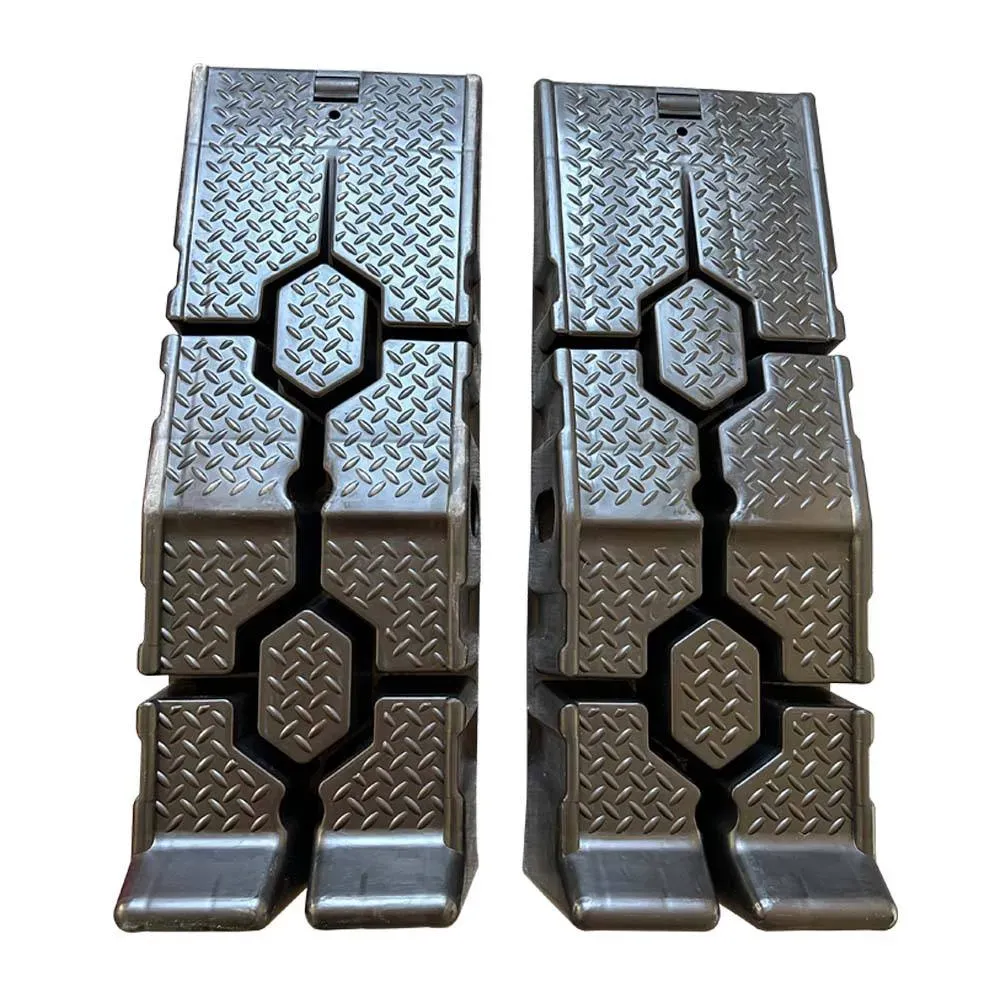
Big truck jack stands are critical safety equipment utilized in the maintenance and repair of heavy-duty vehicles, including commercial trucks, buses, and large construction equipment. Positioned within the broader vehicle lift industry, they provide stable, adjustable support when vehicles are elevated off the ground, allowing technicians to perform necessary work safely and efficiently. Unlike hydraulic lifts which rely on fluid dynamics, jack stands operate on principles of mechanical support, primarily through load distribution and material strength. Core performance characteristics include load capacity, height adjustment range, base stability, and structural integrity under sustained loading. The increasing weight of modern commercial vehicles and the stringent safety regulations governing workshop environments are driving demand for higher-capacity, more robust jack stand designs.
Material Science & Manufacturing
The primary material in the construction of big truck jack stands is typically high-strength steel, often utilizing grades such as AISI 1045 or equivalent carbon steel alloys. The selection is predicated on a balance of yield strength, tensile strength, and weldability. The steel's chemical composition, specifically the carbon content, dictates its hardness and resistance to deformation under load. Manufacturing processes predominantly involve steel fabrication techniques. Initial stages include steel plate cutting, frequently employing CNC plasma or laser cutting for precision. Key components, such as the base, upright support, and saddle, are then formed through bending and pressing operations. Welding is extensively used to assemble the various components, typically using Shielded Metal Arc Welding (SMAW) or Gas Metal Arc Welding (GMAW) processes. Critical weld parameters, including amperage, voltage, and travel speed, are meticulously controlled to ensure complete fusion and minimize weld defects (porosity, inclusions, cracking). Heat treatment, such as stress relieving, is often applied post-welding to reduce residual stresses and enhance the overall structural integrity. The saddle, which contacts the vehicle’s frame, frequently incorporates a textured or rubberized surface to enhance grip and prevent slippage. Powder coating is a common finishing process, providing corrosion resistance and a durable exterior.
Performance & Engineering
The engineering of big truck jack stands centers around resisting compressive forces and preventing buckling failure. Force analysis, using Finite Element Analysis (FEA) software, is crucial to optimize component geometry and material distribution. Key considerations include the stand’s ability to withstand static loads (the weight of the vehicle) and dynamic loads (forces generated during vehicle movement or repair operations). Stability is paramount; a wider base significantly improves resistance to tipping. The height adjustment mechanism typically employs a ratchet or pin-lock system, which requires precise manufacturing tolerances to ensure secure locking at various heights. Environmental resistance is a significant factor. Jack stands operating in harsh workshop environments are susceptible to corrosion, particularly from exposure to road salt, hydraulic fluids, and moisture. Material selection and protective coatings (powder coating, galvanization) mitigate this risk. Compliance requirements are dictated by industry standards (detailed in the footer). These standards specify minimum load capacities, safety factors, and testing procedures. A critical aspect of performance is the prevention of progressive failure. Designs incorporate features to ensure that even under overload conditions, the stand will deform in a predictable manner, providing warning before catastrophic collapse.
Technical Specifications
| Load Capacity (per stand) | Minimum Height | Maximum Height | Base Diameter |
|---|---|---|---|
| 10,000 lbs (4536 kg) | 16 inches (40.6 cm) | 29 inches (73.7 cm) | 8 inches (20.3 cm) |
| 15,000 lbs (6804 kg) | 18 inches (45.7 cm) | 36 inches (91.4 cm) | 9 inches (22.9 cm) |
| 20,000 lbs (9072 kg) | 20 inches (50.8 cm) | 48 inches (121.9 cm) | 10 inches (25.4 cm) |
| 25,000 lbs (11340 kg) | 22 inches (55.9 cm) | 56 inches (142.2 cm) | 12 inches (30.5 cm) |
| 30,000 lbs (13608 kg) | 24 inches (61 cm) | 60 inches (152.4 cm) | 14 inches (35.6 cm) |
| 35,000 lbs (15876 kg) | 26 inches (66 cm) | 68 inches (172.7 cm) | 16 inches (40.6 cm) |
Failure Mode & Maintenance
Big truck jack stands are susceptible to several failure modes. Yielding of the steel structure under excessive load is a primary concern. Buckling, particularly of the upright support, can occur if the load is not applied vertically or if the stand is improperly positioned. Fatigue cracking can develop over time due to repeated loading and unloading cycles, often initiating at weld points or areas of stress concentration. Corrosion, especially in environments with high humidity or exposure to corrosive substances, can weaken the steel and reduce its load-bearing capacity. Delamination of any rubberized saddle material can reduce grip and increase the risk of slippage. Maintenance procedures are critical. Regular visual inspections should be conducted to check for signs of damage, such as cracks, dents, or corrosion. The ratchet or pin-lock mechanism should be tested to ensure proper function. Lubrication of moving parts (ratchet, screw threads) is essential to prevent binding and ensure smooth operation. Any stand exhibiting signs of damage should be removed from service immediately. Periodic recalibration of the height adjustment mechanism may be necessary to maintain accuracy. Storage should be in a dry, protected environment to minimize corrosion.
Industry FAQ
Q: What is the significance of the safety factor in jack stand design?
A: The safety factor is a crucial design parameter representing the ratio of the ultimate load capacity of the jack stand to the maximum intended working load. A higher safety factor indicates a more conservative design, providing a greater margin of error and reducing the risk of failure. Industry standards (e.g., ASME B30.23) typically require safety factors of at least 4:1, meaning the stand can withstand four times the rated load before failure. This accounts for uncertainties in material properties, manufacturing tolerances, and potential overload conditions.
Q: How do different base designs impact jack stand stability?
A: Base design profoundly affects stability. A wider base inherently provides greater resistance to tipping, especially when supporting off-center loads. A circular base distributes load evenly, but can be more prone to rotation on smooth surfaces. A square or rectangular base offers increased stability, particularly when the sides are parallel to the vehicle’s axles. Some designs incorporate rubber pads or feet on the base to enhance grip and prevent sliding. The material thickness and rigidity of the base also play a critical role in preventing deformation under load.
Q: What are the common causes of jack stand collapse in a workshop setting?
A: Common causes include exceeding the rated load capacity, improper placement on an uneven or unstable surface, application of side loads (loads not aligned with the vertical axis), failure of the locking mechanism (ratchet or pin), and corrosion weakening the structural components. Human error, such as failing to fully engage the locking mechanism or using a damaged stand, is also a significant contributing factor.
Q: What is the best material for the saddle (contact point with the vehicle)?
A: The ideal saddle material combines high strength, durability, and a high coefficient of friction. Hardened steel is often used for its strength, but it can damage the vehicle's frame. A steel saddle with a rubber or polymer coating provides a balance of strength and protection. Polyurethane is another common material, offering good abrasion resistance and grip. The saddle’s shape should conform to the vehicle’s frame to maximize contact area and distribute the load effectively.
Q: How important are regular inspections, and what should be specifically checked?
A: Regular inspections are paramount for safety. Inspectors should thoroughly examine the stand for signs of cracks, dents, corrosion, or weld defects. The locking mechanism must be tested to ensure it securely engages and disengages. The height adjustment mechanism should operate smoothly and accurately. Any damaged or malfunctioning stands should be immediately removed from service and tagged for repair or disposal. Maintaining a log of inspections and maintenance activities is recommended.
Conclusion
Big truck jack stands are essential components of a safe and efficient heavy-duty vehicle maintenance operation. Their design and manufacturing are governed by stringent material science principles and engineering considerations, focused on load capacity, stability, and durability. Adherence to industry standards and rigorous quality control are paramount to ensure reliable performance and prevent catastrophic failures. The increasing demands of modern commercial vehicles and the emphasis on workshop safety continue to drive innovation in jack stand design, with a focus on higher capacity, improved stability, and enhanced corrosion resistance.
Effective implementation of regular inspection and maintenance procedures are integral to maximizing the lifespan and ensuring the continued safe operation of these critical pieces of equipment. Neglecting these measures can lead to potentially hazardous situations and costly downtime. Selecting jack stands with appropriate load capacities and understanding their limitations is crucial for all personnel involved in vehicle maintenance and repair.
