Introduction
Car jack stands are critical safety devices used in conjunction with automotive jacks to support a vehicle's weight during maintenance and repair procedures. They are not lifting devices themselves; their function is solely to securely hold a raised vehicle. The market encompasses a range of capacity, material, and design options, categorized broadly into steel, aluminum, and composite materials. Proper selection and use are paramount to prevent catastrophic failure resulting in severe injury or vehicle damage. This guide provides an in-depth technical overview of car jack stands, encompassing material science, manufacturing processes, performance characteristics, failure modes, and relevant industry standards. The core pain point in the automotive maintenance sector is ensuring operator safety and mitigating the risks associated with unstable vehicle support, often stemming from using inadequate or improperly maintained jack stands. This guide addresses that challenge through a comprehensive understanding of the underlying engineering principles and practical considerations.
Material Science & Manufacturing
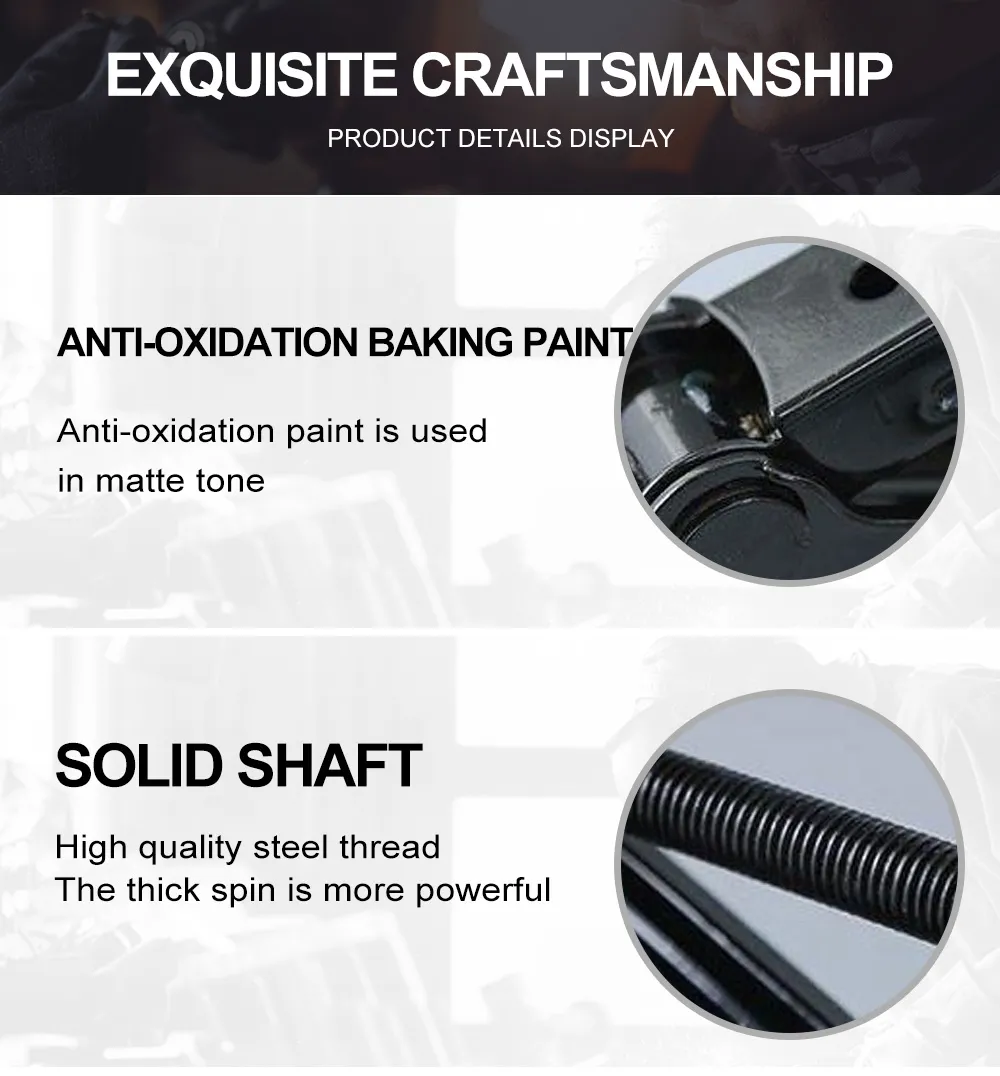
The majority of car jack stands are constructed from steel, typically carbon steel grades such as A36 or 1018, chosen for their high yield strength and relatively low cost. Aluminum alloys, particularly 6061-T6, are gaining popularity for their lightweight properties, facilitating easier maneuvering, although at a higher material cost and reduced ultimate load capacity. Manufacturing processes vary depending on the material and design. Steel jack stands commonly involve stamping and welding of thick-gauge steel plates to create the main support structure. Welding is performed using Shielded Metal Arc Welding (SMAW) or Gas Metal Arc Welding (GMAW), requiring strict adherence to welding procedures (WPS) to ensure joint integrity and prevent porosity or cracking. Critical weld areas are often subjected to Non-Destructive Testing (NDT), such as visual inspection, dye penetrant testing, or ultrasonic testing. Aluminum jack stands are often manufactured via casting and extrusion processes. Die casting offers complex geometries but requires careful control of cooling rates to minimize porosity. Extrusion provides high strength in the direction of extrusion but may necessitate machining for precise dimensions. The pawl mechanisms, responsible for locking the stand at specific heights, are typically manufactured from hardened steel alloys (e.g., 4140) and undergo heat treatment to increase wear resistance. The release mechanism often utilizes spring steel components requiring precise spring constant control. Chemical compatibility between different materials (e.g., steel pawls interacting with aluminum stand bodies) must be considered to prevent galvanic corrosion.
Performance & Engineering
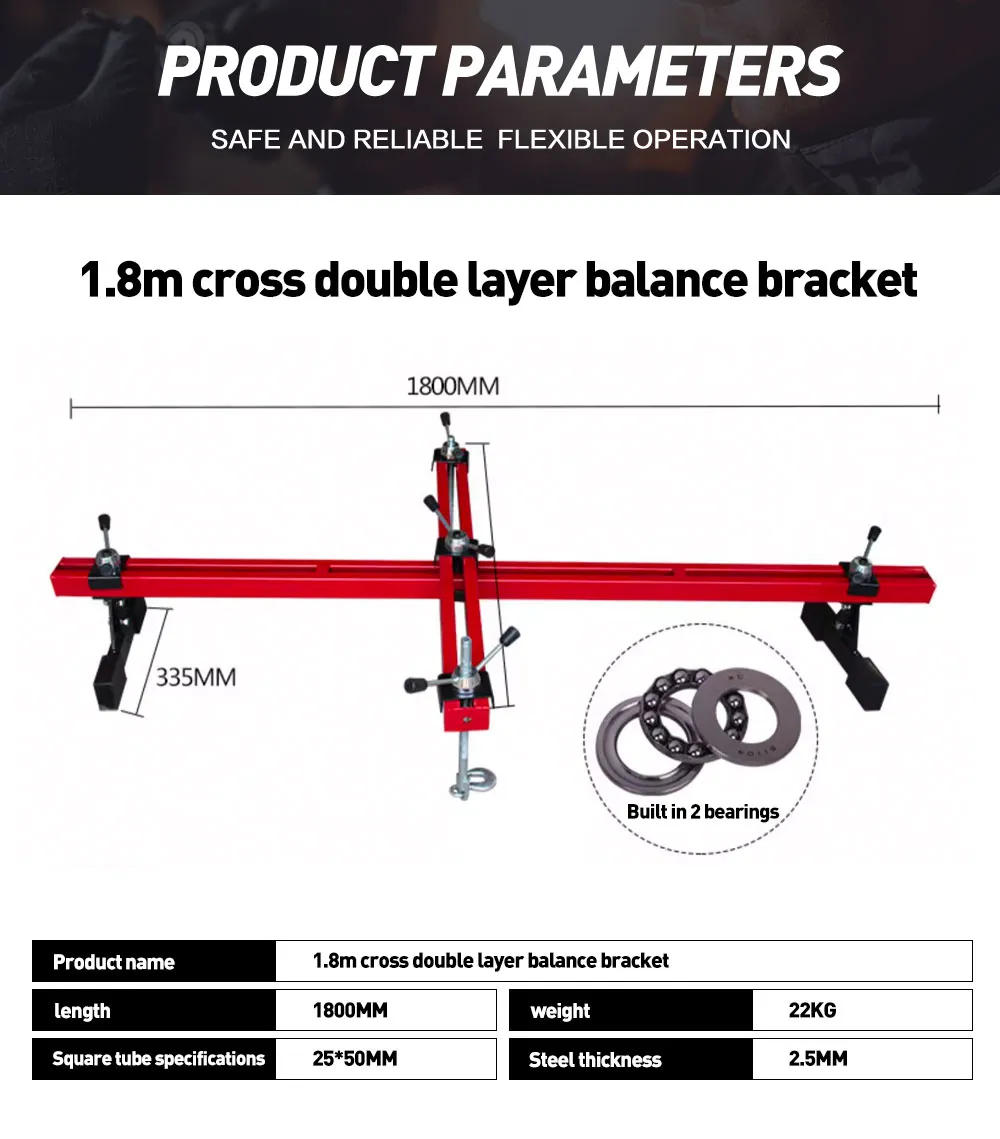
The primary performance metric for car jack stands is load capacity, typically expressed in tons or pounds. This capacity is determined through rigorous testing conforming to industry standards (see section 7). Engineering considerations include buckling analysis of the stand's legs under compressive load. Finite Element Analysis (FEA) is frequently employed to simulate stress distribution and identify potential weak points in the design. The pawl mechanism’s shear strength is another critical factor, as it directly affects the stand’s ability to hold the load securely. Environmental resistance is also vital; jack stands are often used in harsh conditions, exposed to moisture, road salts, and extreme temperatures. Steel stands are susceptible to corrosion, requiring protective coatings such as powder coating or galvanization. Aluminum stands exhibit inherent corrosion resistance but can suffer from pitting corrosion in chloride-rich environments. Stability is paramount. A wider base footprint enhances lateral stability, reducing the risk of tipping. The stand’s height adjustment range must be adequate for the intended vehicle types and maintenance procedures. Force analysis considers not only static loads but also dynamic loads induced by vehicle movement or operator actions. Compliance with safety regulations, such as ANSI/ASSP standards, is mandatory for manufacturers and distributors.
Technical Specifications
| Capacity (tons) | Minimum Height (in) | Maximum Height (in) | Material |
|---|---|---|---|
| 3 | 11 | 17.5 | Carbon Steel (A36) |
| 6 | 14 | 24 | Carbon Steel (1018) |
| 3 | 12 | 18 | Aluminum Alloy (6061-T6) |
| 6 | 15 | 25 | Aluminum Alloy (6061-T6) |
| 3 | 10 | 16 | Carbon Steel (A36), Powder Coated |
| 6 | 13 | 23 | Carbon Steel (1018), Galvanized |
Failure Mode & Maintenance
Common failure modes include: 1) Buckling: Excessive load exceeding the stand’s capacity can cause the legs to buckle, leading to collapse. This is more prevalent in stands with a high aspect ratio (height/width). 2) Pawl Mechanism Failure: Wear, corrosion, or deformation of the pawl or ratchet teeth can prevent the mechanism from locking securely, resulting in a sudden drop. 3) Weld Failure: Poor weld quality or fatigue cracking in welded joints can lead to structural failure, particularly under cyclical loading. 4) Corrosion: Rust weakens steel stands, reducing their load-bearing capacity. Aluminum can experience pitting corrosion. 5) Base Deformation: Repeated loading and unloading can cause deformation of the base plate, reducing stability. 6) Thread Stripping: Height adjustment mechanisms utilizing threaded components can experience thread stripping under excessive force. Maintenance involves regular inspection for signs of corrosion, damage, or wear. Lubricating the pawl mechanism with a suitable lubricant (e.g., silicone-based spray) prevents sticking and ensures smooth operation. Worn or damaged pawls should be replaced immediately. Weld inspections should be conducted periodically to identify cracks or signs of fatigue. Rust should be removed and the affected area re-coated. Avoid exceeding the rated load capacity. Never use jack stands on uneven or unstable surfaces. Regularly calibrate height adjustment mechanisms to ensure accurate locking.
Industry FAQ
Q: What is the difference between dynamic and static load capacity?
A: Static load capacity refers to the maximum weight the jack stand can support when the load is applied slowly and evenly, and remains constant. Dynamic load capacity accounts for shock loads and vibrations that occur during vehicle operation or movement. The dynamic capacity is always lower than the static capacity, and it's crucial to consider the dynamic load when using jack stands during tasks involving vehicle movement, such as suspension work.
Q: Can I use two jack stands on one side of the vehicle?
A: While technically possible, it is highly discouraged. This practice compromises stability and increases the risk of failure. It’s always best to use four jack stands, placing them on designated reinforced jacking points as specified in the vehicle’s owner’s manual. Distributing the weight evenly across all four stands ensures a secure and stable lifting platform.
Q: What is the significance of the pawl engagement teeth angle?
A: The angle of the pawl engagement teeth directly impacts the stand's holding power and resistance to disengagement. A steeper angle provides a more secure lock but may require more force to release. A shallower angle is easier to release but offers less holding power. Manufacturing tolerances and proper heat treatment of the pawl and ratchet are crucial for consistent engagement.
Q: How important is the base width of the jack stand?
A: Base width significantly influences lateral stability. A wider base provides a larger footprint, reducing the risk of the stand tipping over, especially on uneven surfaces or when subjected to side loads. For heavier vehicles or more demanding tasks, selecting jack stands with a wider base is highly recommended.
Q: What are the limitations of aluminum jack stands compared to steel?
A: While aluminum jack stands offer a weight advantage, they generally have a lower load capacity than steel stands of comparable size. Aluminum is also more susceptible to damage from impact and deformation. The cost of aluminum jack stands is typically higher than steel counterparts. Careful consideration of the application and vehicle weight is essential when choosing between aluminum and steel.
Conclusion
Car jack stands are indispensable safety components in automotive maintenance, demanding careful selection based on load capacity, material properties, and intended application. Understanding the underlying engineering principles – including buckling analysis, weld integrity, and pawl mechanism performance – is crucial for mitigating the risk of catastrophic failure. Regular inspection and maintenance, coupled with strict adherence to safety protocols, are essential for ensuring operator safety and preventing vehicle damage.
The trend towards lightweight materials like aluminum offers advantages in maneuverability, but necessitates a thorough understanding of the trade-offs in load capacity and durability. Future advancements may focus on incorporating smart sensor technology to monitor stand stability and load distribution, providing real-time feedback to the operator. Continuous adherence to evolving industry standards is critical for maintaining a high level of safety and reliability in car jack stand design and manufacturing.
