Introduction
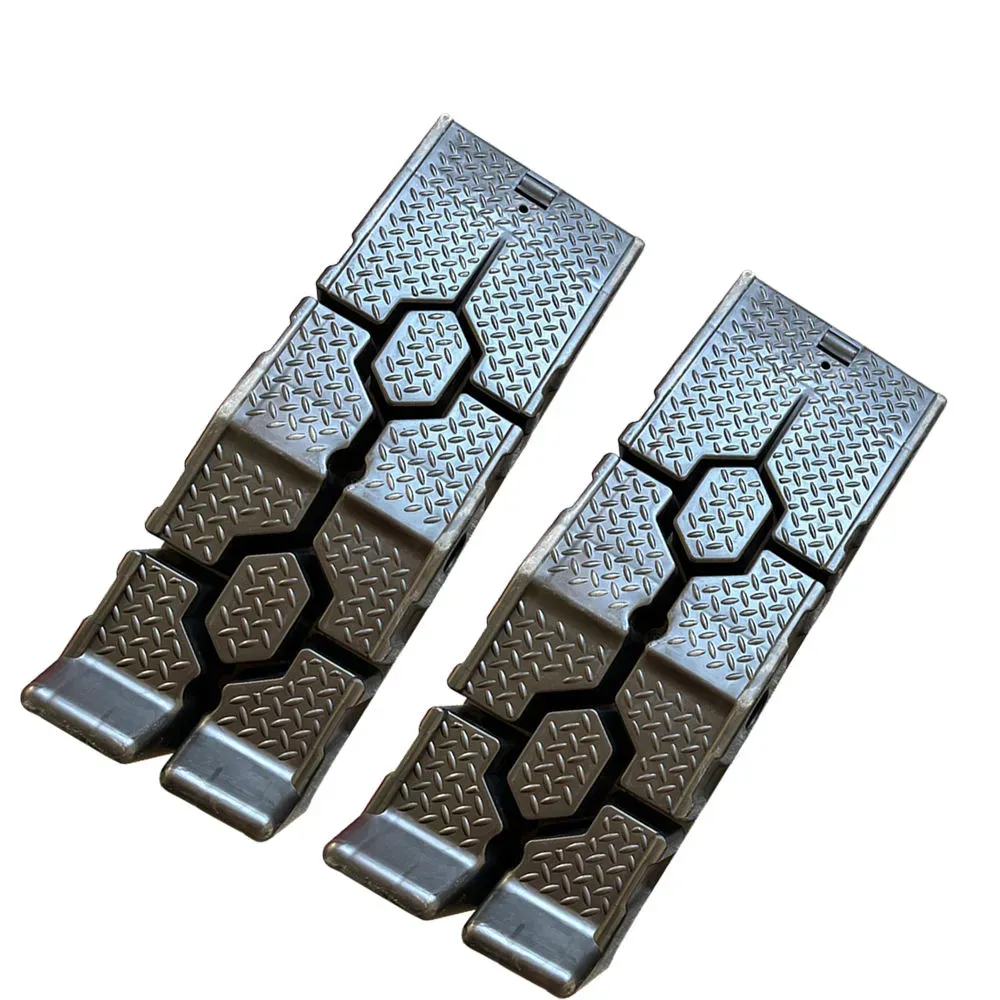
Car floor jacks and jack stands are essential tools for vehicle maintenance and repair, constituting a critical component within the automotive aftermarket industry. Positioned between the vehicle and the technician, these tools facilitate safe access to the undercarriage for tasks ranging from oil changes to brake repairs and tire rotations. Floor jacks utilize hydraulic or mechanical leverage to lift vehicles, while jack stands provide stable support once the vehicle is elevated. The core performance characteristics center around load capacity, lifting range, stability, and adherence to safety standards. A primary industry pain point is ensuring long-term structural integrity under repeated stress cycles and preventing catastrophic failure that could result in injury or vehicle damage. The selection of appropriate jack and stand combinations is paramount, dependent on vehicle weight and intended work scope. This guide provides an in-depth examination of the material science, manufacturing processes, performance parameters, failure modes, and industry standards governing these critical automotive tools.
Material Science & Manufacturing
The primary material in most floor jacks is steel, specifically carbon steel for its balance of strength and cost-effectiveness. Hydraulic jacks incorporate steel alloy cylinders and pistons chosen for their resistance to wear and corrosion. Jack stands commonly utilize steel, again typically carbon steel, with higher-grade alloys employed in critical load-bearing components. Manufacturing processes for floor jacks involve deep drawing for the jack housing, precision machining for the hydraulic cylinder, and welding for the lifting arm assembly. Parameter control during welding is crucial to prevent stress concentrations and ensure weld integrity, typically using Shielded Metal Arc Welding (SMAW) or Gas Metal Arc Welding (GMAW) with stringent quality checks based on AWS D1.1 standards. Jack stand manufacturing involves stamping or forging for the base and upright, followed by welding of the support arms and locking mechanisms. The steel's yield strength and ultimate tensile strength are critical material properties, impacting load capacity. Surface treatments, such as phosphating and powder coating, are applied to both jacks and stands to enhance corrosion resistance. The hydraulic fluid used in hydraulic jacks is typically a mineral oil-based fluid, formulated for viscosity stability over a wide temperature range and compatibility with the seals within the hydraulic system. Seal material selection, often nitrile rubber (NBR), is crucial to prevent leaks and maintain hydraulic pressure. The manufacturing of locking mechanisms in jack stands requires high-precision machining to ensure reliable engagement and disengagement, preventing accidental lowering of the vehicle.
Performance & Engineering
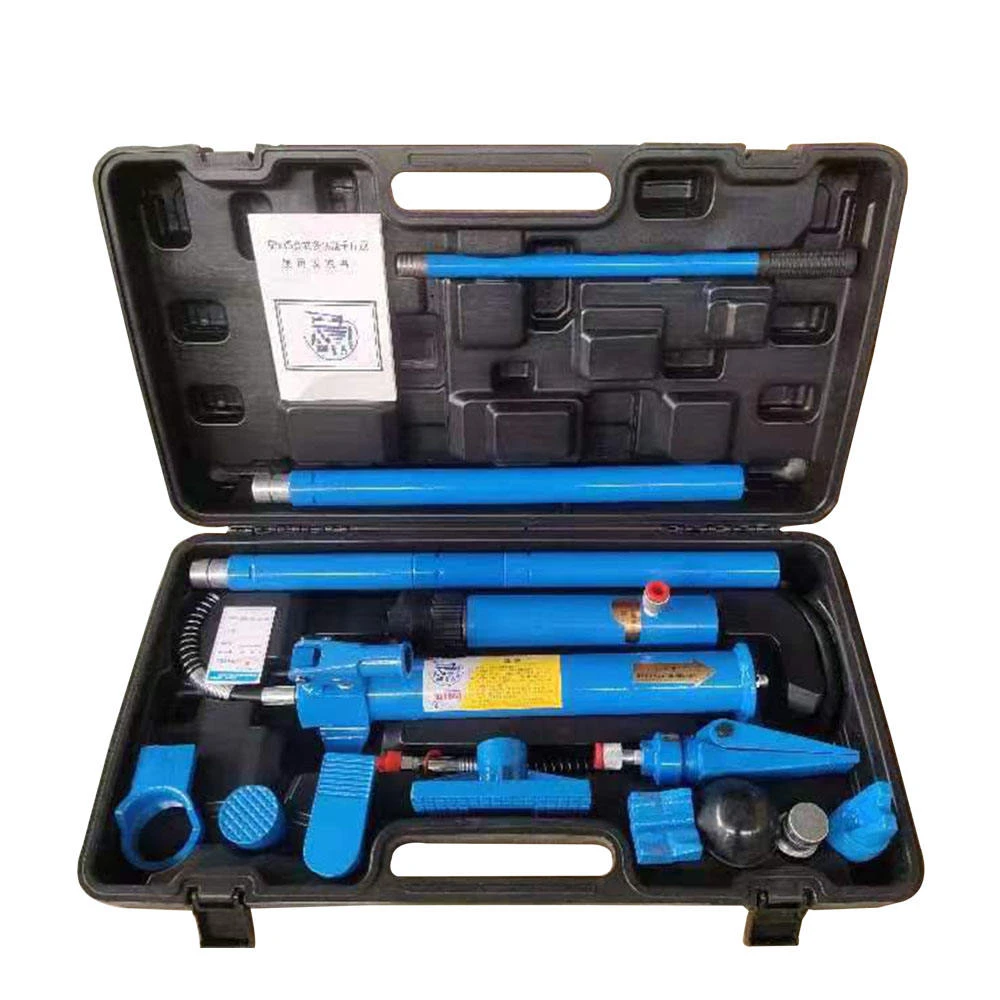
The performance of floor jacks and stands is fundamentally governed by stress analysis and fatigue resistance. The lifting arm of a floor jack experiences significant bending stress under load, requiring careful design to minimize stress concentrations. Finite Element Analysis (FEA) is commonly employed to optimize the geometry and material thickness of the lifting arm. Jack stands are subjected to compressive stress in their uprights and shear stress in their locking mechanisms. The stability of a jack stand is paramount; a wider base and lower center of gravity improve stability and resistance to tipping. Environmental resistance is another critical performance factor. Exposure to moisture, road salt, and other corrosive substances can accelerate corrosion and weaken the structural integrity of the tools. Coating durability and material selection are key considerations in mitigating corrosion. Compliance requirements, notably ASME B30.23 standards for hydraulic jacks and ASME B30.27 for jack stands, dictate minimum safety factors and testing procedures. These standards mandate proof load testing to verify that the tools can withstand loads exceeding their rated capacity. The hydraulic system’s efficiency—defined as the ratio of output force to input force—is crucial for ease of use. Proper valve design and seal integrity minimize hydraulic losses. The locking mechanism’s shear strength must exceed the maximum load applied, with safety factors typically ranging from 4:1 to 6:1. Load distribution analysis is also crucial; ensuring the load is evenly distributed across the contact area minimizes stress on individual components.
Technical Specifications
| Parameter | Hydraulic Floor Jack (2 Ton) | Mechanical Floor Jack (3 Ton) | Jack Stand (3 Ton, Pair) | Heavy Duty Jack Stand (6 Ton, Pair) |
|---|---|---|---|---|
| Lifting Capacity | 2000 kg (4400 lbs) | 3000 kg (6600 lbs) | 3000 kg (6600 lbs) per stand | 6000 kg (13200 lbs) per stand |
| Minimum Lifting Height | 75 mm (3 in) | 85 mm (3.3 in) | 295 mm (11.6 in) | 380 mm (15 in) |
| Maximum Lifting Height | 600 mm (23.6 in) | 630 mm (24.8 in) | 430 mm (16.9 in) | 600 mm (23.6 in) |
| Pump Strokes per Full Lift | ~5-7 | ~3-5 | N/A | N/A |
| Material (Main Body) | Carbon Steel | Carbon Steel | Carbon Steel | Carbon Steel |
| Material (Hydraulic Cylinder) | Alloy Steel | N/A | N/A | N/A |
| Weight | 8 kg (17.6 lbs) | 12 kg (26.5 lbs) | 4 kg (8.8 lbs) per stand | 7 kg (15.4 lbs) per stand |
Failure Mode & Maintenance
Common failure modes in floor jacks include hydraulic seal failure, leading to a gradual loss of lifting capacity; bending or cracking of the lifting arm due to overload or material defects; and corrosion of internal components. In jack stands, failure typically manifests as cracking of the upright under compressive load, failure of the locking mechanism due to wear or fatigue, or base plate deformation leading to instability. Fatigue cracking is a significant concern, particularly in heavily used tools, and can occur even below the rated load capacity. Corrosion, especially in environments with high humidity or salt exposure, accelerates the weakening of steel components. Oxidation of hydraulic fluid can reduce its lubricating properties and cause internal corrosion. Preventative maintenance is crucial to prolonging the lifespan of these tools. For floor jacks, regular inspection of hydraulic fluid levels and condition, as well as lubrication of moving parts, are essential. Bleeding the hydraulic system to remove air bubbles can restore optimal performance. For jack stands, periodic inspection for cracks, corrosion, and proper function of the locking mechanism is critical. Avoid exceeding the rated load capacity under any circumstances. Store jacks and stands in a dry environment to minimize corrosion. If a jack or stand exhibits any signs of damage or malfunction, it should be removed from service immediately and repaired or replaced. Regularly check and tighten all fasteners to prevent loosening due to vibration.
Industry FAQ
Q: What is the correct procedure for using jack stands to ensure safety?
A: The correct procedure involves first lifting the vehicle with the floor jack to the desired height. Then, carefully position the jack stands under designated reinforced points on the vehicle's chassis, as specified in the vehicle's owner's manual. Slowly lower the vehicle onto the jack stands, ensuring they are securely engaged. Never work under a vehicle supported only by a floor jack. Always use jack stands in pairs and on a level, stable surface. Before starting any work, give the vehicle a gentle shake to confirm its stability on the stands.
Q: How often should hydraulic jacks be serviced?
A: Hydraulic jacks should be serviced annually, or more frequently with heavy use. Servicing typically involves checking and topping up the hydraulic fluid, inspecting seals for leaks, and bleeding the system to remove air bubbles. Replacing the hydraulic fluid every few years can also help prevent corrosion and maintain optimal performance.
Q: What is the difference between a mechanical and a hydraulic floor jack?
A: A hydraulic floor jack uses hydraulic pressure to lift the vehicle, providing a smoother and easier lifting action, especially for heavier vehicles. A mechanical floor jack utilizes a screw mechanism and requires more physical effort to operate. Hydraulic jacks generally have a higher lifting capacity and are preferred for professional use, while mechanical jacks are often more affordable and suitable for lighter vehicles and occasional use.
Q: What safety certifications should I look for when purchasing jack stands?
A: Look for jack stands that are certified to meet ASME B30.27 standards. This certification indicates that the jack stands have been tested and meet specific safety requirements. Also, check for a clearly marked load capacity and a reputable manufacturer known for quality and safety.
Q: What causes a hydraulic jack to slowly sink after being lifted?
A: A slow sinking of a hydraulic jack usually indicates a leak in the hydraulic system, most commonly due to worn or damaged seals. Air bubbles in the hydraulic fluid can also contribute to this issue. Servicing the jack to replace seals and bleed the system should resolve the problem.
Conclusion
Car floor jacks and jack stands represent a critical safety system for automotive maintenance, demanding rigorous engineering, precise manufacturing, and diligent maintenance. The material selection, particularly the use of high-strength steels and compatible hydraulic fluids, directly impacts the tools' load-bearing capacity and longevity. Adherence to industry standards, such as ASME B30.23 and B30.27, is non-negotiable to ensure user safety and prevent catastrophic failures. Proper operation, including the consistent use of jack stands in conjunction with a floor jack, is paramount.
Future development in this area will likely focus on lightweight materials like aluminum alloys to reduce user fatigue, improved locking mechanisms for enhanced safety, and integration of sensors to provide real-time load monitoring. Continued refinement of manufacturing processes, coupled with stringent quality control measures, will be essential to meet the evolving demands of the automotive industry and maintain the highest levels of safety and reliability. Regular inspection and preventative maintenance remain the cornerstone of safe and effective operation.
