Introduction
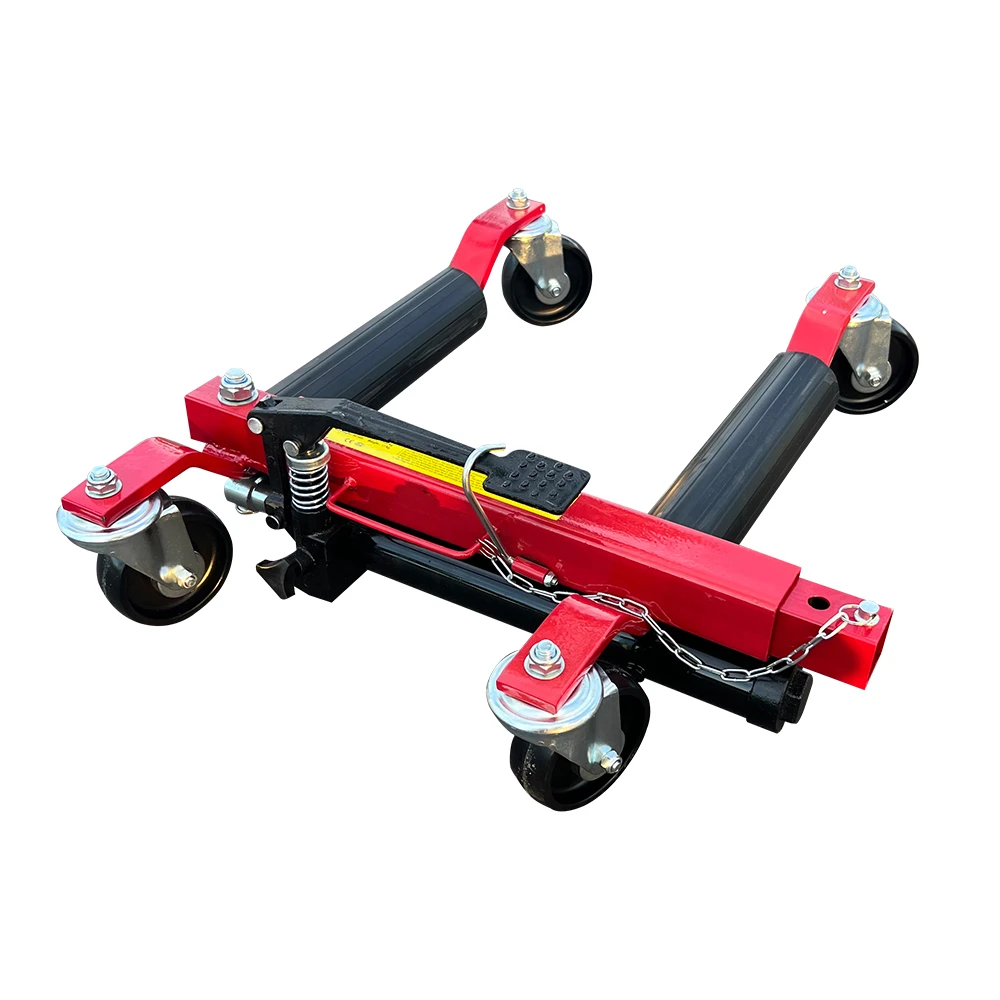
Car floor stands, also known as vehicle support stands or jack stands, are critical safety devices utilized in automotive repair and maintenance. They provide a stable and secure support structure for vehicles raised off the ground by a jack. Positioned within the automotive aftermarket supply chain, floor stands are essential for any professional or DIY mechanic performing under-vehicle work. Core performance characteristics center on load capacity, stability, and the integrity of the locking mechanism. A key industry pain point revolves around inconsistent manufacturing quality leading to stand collapse, resulting in severe injury or vehicle damage. Furthermore, ensuring stands meet rigorous safety standards is paramount, necessitating adherence to international regulations and robust testing protocols. The evolution of floor stands focuses on increased load capacity, enhanced stability features, and the incorporation of materials resistant to corrosion and deformation under sustained stress.
Material Science & Manufacturing
The primary material for car floor stands is typically carbon steel, specifically AISI 1045 or equivalent, selected for its high yield strength and weldability. Manufacturing begins with steel plate or tubing, often sourced as hot-rolled steel. The steel undergoes precision cutting, typically via laser or plasma cutting, to form the stand’s components: base, support column, and saddle. Critical parameters during cutting include maintaining dimensional accuracy and minimizing heat-affected zones to preserve material properties. Welding, primarily Shielded Metal Arc Welding (SMAW) or Gas Metal Arc Welding (GMAW), joins these components. Welding parameter control—specifically amperage, voltage, and travel speed—is crucial to achieve full penetration welds with minimal porosity and stress concentration. Following welding, the stands undergo surface treatment. This often includes powder coating, providing corrosion resistance and a durable finish. The saddle, which contacts the vehicle, frequently utilizes a polymer contact pad (typically polypropylene or polyurethane) to prevent damage to the vehicle's undercarriage and provide increased friction. Quality control involves non-destructive testing (NDT) methods such as ultrasonic testing to detect internal weld defects and dimensional inspections to ensure compliance with specifications. Material hardness is assessed using Rockwell hardness testing to verify the steel has been properly heat-treated.
Performance & Engineering
The structural integrity of a floor stand is governed by principles of static mechanics and material science. Force analysis reveals that the stand experiences primarily compressive loading along the support column, coupled with bending moments induced by off-center loads. The base's footprint is engineered to maximize stability, resisting overturning moments. The locking mechanism, typically a ratchet and pawl system or a pin locking system, is a critical component. Failure of this mechanism can result in catastrophic collapse. Engineering calculations determine the minimum steel thickness and weld size required to withstand the rated load capacity with a substantial safety factor (typically 4:1 or higher). Environmental resistance is another key consideration. Exposure to moisture, road salt, and other corrosive substances can lead to steel degradation. Powder coating and the selection of corrosion-resistant steel alloys mitigate this risk. Compliance requirements are stringent, necessitating adherence to standards like ASME B30.28 (Safety Requirements for Lifting, Positioning, and Suspension Equipment) and regional safety regulations. Finite Element Analysis (FEA) is commonly employed during the design phase to simulate stress distribution under various loading conditions and optimize the stand’s geometry.
Technical Specifications
| Load Capacity (tonnes) | Minimum Height (mm) | Maximum Height (mm) | Base Width (mm) |
|---|---|---|---|
| 2 | 280 | 420 | 450 |
| 3 | 330 | 480 | 500 |
| 4 | 380 | 550 | 550 |
| 6 | 450 | 650 | 600 |
| 8 | 500 | 750 | 700 |
| 10 | 550 | 850 | 800 |
Failure Mode & Maintenance
Common failure modes for car floor stands include: 1) Yielding or fracture of the support column, typically due to exceeding the rated load capacity or fatigue cracking from repeated use. 2) Locking mechanism failure, stemming from wear and tear on the ratchet teeth or pawl, preventing secure locking. 3) Base deformation or fracture, often resulting from instability on uneven surfaces or concentrated loads. 4) Corrosion, particularly in environments with high humidity or exposure to road salts, leading to material weakening. 5) Weld failure, caused by insufficient weld penetration or defects introduced during the welding process. Maintenance is crucial. Regular inspection should include visually checking for cracks, deformations, and corrosion. The locking mechanism must be tested to ensure proper engagement. Lubrication of the locking mechanism with a light oil prevents sticking and ensures smooth operation. If corrosion is present, the affected area should be cleaned and re-coated. Stands should never be modified or repaired by unqualified personnel. Damaged stands should be removed from service immediately. Regularly inspect the saddle pad for wear and replace it if damaged to maintain a secure grip and prevent vehicle damage.
Industry FAQ
Q: What is the typical safety factor applied in the design of car floor stands?
A: The industry standard safety factor is generally 4:1, meaning the stand is designed to withstand four times its rated load capacity before yielding or failing. However, some manufacturers implement a higher safety factor (e.g., 5:1 or 6:1) for added redundancy, particularly for heavier-duty applications.
Q: How does the base width impact the stability of a floor stand?
A: A wider base provides greater stability by increasing the stand's resistance to overturning moments. The base width must be sufficient to counteract the lateral forces generated by off-center loads or uneven surfaces. A larger base effectively lowers the center of gravity, improving stability.
Q: What materials are commonly used for the saddle pad, and what are their advantages?
A: Polypropylene and polyurethane are the most common materials. Polypropylene is cost-effective and provides good abrasion resistance. Polyurethane offers superior cushioning and a higher coefficient of friction, providing a more secure grip on the vehicle’s surface, and is less prone to cracking over time.
Q: What type of welding process is most suitable for manufacturing car floor stands?
A: Shielded Metal Arc Welding (SMAW) and Gas Metal Arc Welding (GMAW) are both widely used. GMAW is generally preferred for its higher welding speed, better weld quality, and reduced spatter. However, SMAW offers greater portability and is suitable for field repairs.
Q: How often should car floor stands be inspected for wear and tear?
A: Regular inspection should be conducted before each use. This includes a visual check for cracks, deformation, corrosion, and proper locking mechanism function. A more thorough inspection, including testing the locking mechanism under load, should be performed at least annually or more frequently for heavy use.
Conclusion
Car floor stands are vital safety components within the automotive service industry, and their reliable performance is non-negotiable. The material selection—primarily high-strength carbon steel—and rigorous manufacturing processes, including precise welding and surface treatment, are critical to achieving the necessary load capacity and durability. Understanding the engineering principles governing stand stability and the potential failure modes is essential for both manufacturers and users.
Continued advancements in materials science and manufacturing techniques will likely lead to lighter, stronger, and more durable floor stands. Future designs may incorporate features such as improved locking mechanisms, enhanced corrosion resistance, and integrated sensors for load monitoring. Strict adherence to industry standards and regular maintenance remain paramount to ensuring safe and reliable operation, minimizing the risk of accidents and maximizing the lifespan of this essential automotive tool.
