Introduction
Car hoist stands, also known as axle stands, are critical safety components used in conjunction with automotive lifts to support a vehicle's weight during maintenance and repair procedures. They serve as a redundant safety measure, preventing accidental lowering of the vehicle onto personnel. Positioned within the automotive aftermarket and professional repair sectors, these stands are integral to any workshop environment where under-vehicle work is performed. Core performance characteristics center on load capacity, stability, and adherence to stringent safety standards. The selection of appropriate hoist stands is dictated by the vehicle’s weight, the intended duration of support, and the nature of the repair being undertaken. Unlike hydraulic jacks which are for lifting, stands are for supporting a lifted load. A fundamental understanding of their material properties, engineering principles, and potential failure modes is essential for ensuring operator safety and preventing catastrophic incidents.
Material Science & Manufacturing
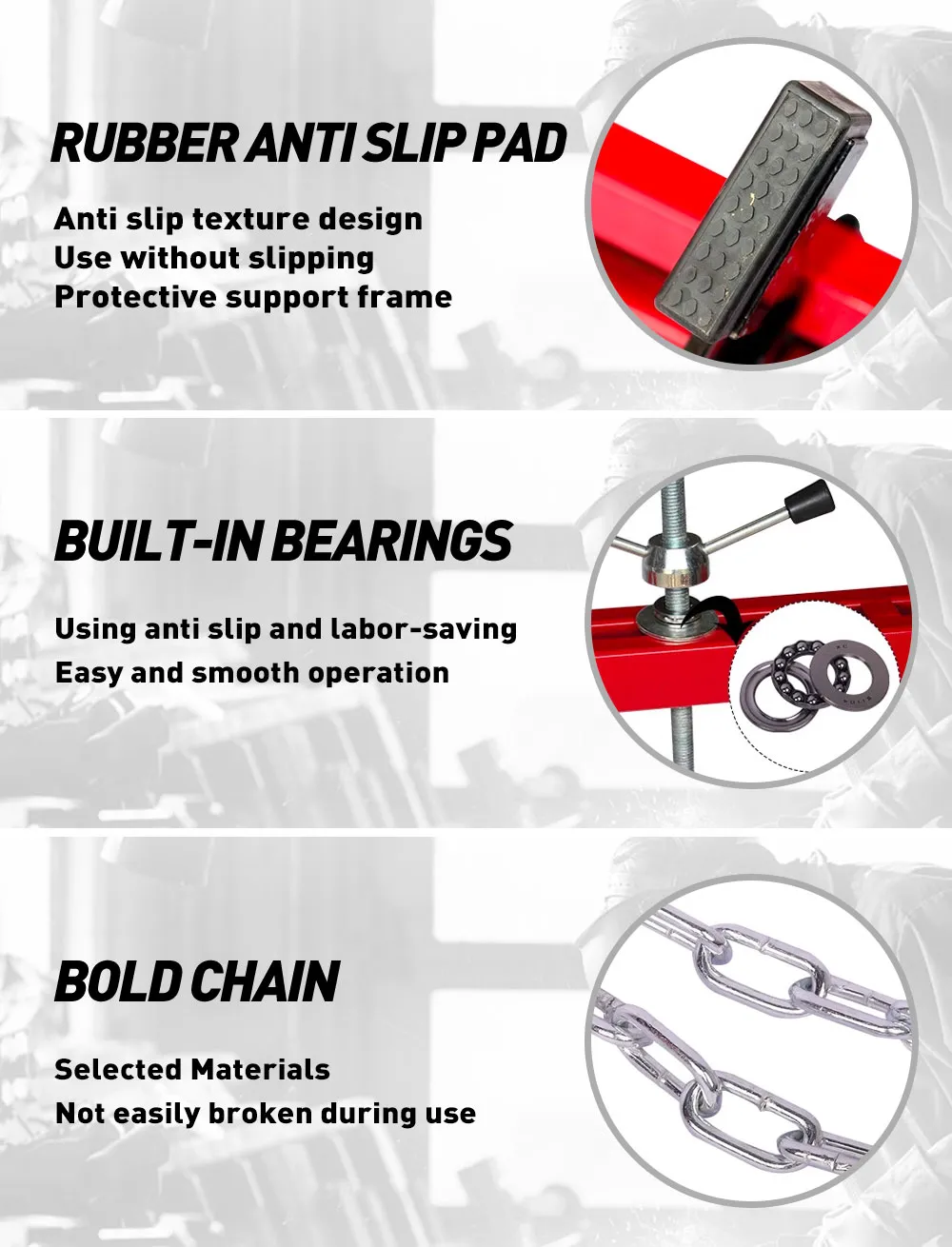
The predominant material in car hoist stand construction is steel, specifically carbon steel grades such as ASTM A572 Grade 50 or equivalent EN 10025-2 S235JR. This choice is driven by the material’s high yield strength, tensile strength, and weldability. Steel composition typically includes manganese, silicon, and small amounts of phosphorus and sulfur. Manufacturing processes vary based on stand capacity and design. Lower-capacity stands (typically up to 3 tons) are often manufactured from stamped and formed steel sections, welded together to create the desired geometry. Critical welds undergo Non-Destructive Testing (NDT), such as ultrasonic or radiographic inspection, to ensure integrity and identify defects. Higher-capacity stands (3 tons and above) frequently employ rolled structural steel sections, offering superior strength and rigidity. The ratcheting mechanism, responsible for height adjustment, is typically manufactured from hardened steel alloys, like 4140 or 4150, to resist wear and deformation under load. Powder coating is the standard surface treatment, providing corrosion resistance. The saddle, the contact point between the stand and the vehicle, is often clad with a high-density polyethylene (HDPE) or rubber pad to protect the vehicle’s finish and enhance grip. Parameter control during welding is paramount; heat input, cooling rate, and shielding gas composition directly influence weld strength and ductility. Accurate dimensional control during forming ensures proper fit and functionality of the various components.
Performance & Engineering
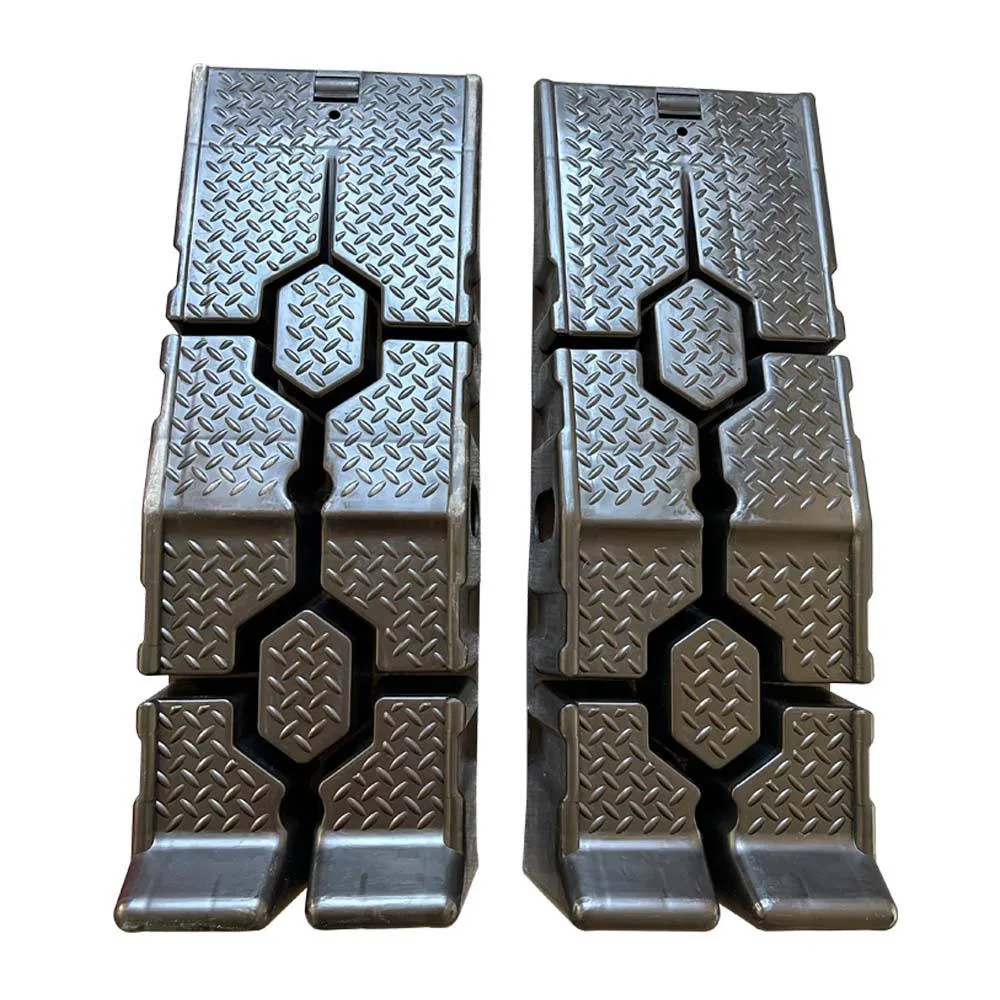
The core engineering principle governing hoist stand performance is structural stability under compressive load. Force analysis relies heavily on Finite Element Analysis (FEA) to simulate stress distribution within the stand’s structure under various loading scenarios, including static and dynamic loads. Buckling is a primary concern, particularly for taller stands with a higher slenderness ratio. Design features such as gussets, bracing, and increased wall thickness are employed to enhance buckling resistance. The base footprint is carefully designed to maximize stability and prevent tipping. The saddle’s geometry is engineered to distribute the load evenly across the vehicle’s contact point, minimizing stress concentrations. Environmental resistance is addressed through the powder coating process, which provides protection against corrosion from exposure to moisture, road salt, and other contaminants. Compliance requirements are dictated by standards such as ASME B30.23 (Safety Standard for Motor Vehicle Lifts – Hoist), which specifies minimum load testing, marking requirements, and inspection procedures. The ratcheting mechanism’s engagement teeth are subjected to high shear stresses; material selection and heat treatment are critical to prevent stripping or deformation. Dynamic load considerations include the potential for impacts during vehicle positioning and the vibration induced by engine operation or nearby machinery. A safety factor of at least 4:1 is typically applied in the design to account for uncertainties in loading conditions and material properties.
Technical Specifications
| Capacity (tons) | Minimum Height (in) | Maximum Height (in) | Base Diameter (in) |
|---|---|---|---|
| 2 | 15.7 | 28.3 | 6.3 |
| 3 | 17.3 | 36.6 | 7.9 |
| 6 | 23.6 | 47.2 | 9.8 |
| 8 | 27.6 | 55.1 | 11.8 |
| 10 | 31.5 | 63.0 | 13.8 |
| 20 | 39.4 | 78.7 | 17.7 |
Failure Mode & Maintenance
Common failure modes in car hoist stands include yielding of structural components under overload, buckling of the stand body, fatigue cracking at weld points, and failure of the ratcheting mechanism. Overloading is a primary cause of failure, often resulting from exceeding the rated capacity or uneven weight distribution. Fatigue cracking can occur due to repeated loading and unloading cycles, particularly in areas of high stress concentration, like welds. Corrosion, especially in harsh environments, weakens the steel structure, reducing its load-bearing capacity. Saddle damage, such as cracking or deformation, can compromise the stand’s ability to securely support the vehicle. The ratcheting mechanism can fail due to wear of the engagement teeth, corrosion, or improper lubrication. Preventative maintenance includes regular visual inspections for signs of damage, corrosion, or deformation. Lubrication of the ratcheting mechanism with a suitable grease is essential to ensure smooth operation and prevent wear. Welds should be inspected for cracks or porosity. Stands should be stored in a dry environment to minimize corrosion. Regular load testing, as per ASME B30.23, is recommended to verify the stand’s structural integrity. If any damage or defects are detected, the stand should be removed from service immediately and repaired or replaced.
Industry FAQ
Q: What is the correct spacing for using multiple hoist stands under a vehicle?
A: The correct spacing depends on the vehicle’s frame design and the location of structural support points. Generally, stands should be placed under reinforced areas of the frame or designated jack points, as indicated in the vehicle’s service manual. A common rule of thumb is to space stands no more than 36 inches apart, ensuring adequate support along the vehicle’s length. Overlap is not necessary if stands are properly positioned on designated support points.
Q: How often should hoist stands be inspected and load tested?
A: Visual inspections should be performed before each use, checking for signs of damage, corrosion, or deformation. Load testing should be conducted at least annually, or more frequently in high-usage environments, according to ASME B30.23 guidelines. This typically involves applying a load exceeding the rated capacity to verify structural integrity.
Q: What is the difference between dynamic and static load capacity?
A: Static load capacity refers to the maximum weight the stand can support when applied gradually and consistently. Dynamic load capacity accounts for shock loads and impact forces that may occur during vehicle positioning or operation. The dynamic load capacity is always lower than the static load capacity due to the increased stress induced by these forces.
Q: Can I use a hoist stand if the saddle is cracked?
A: No. A cracked saddle significantly compromises the stand’s ability to securely support the vehicle and creates a serious safety hazard. The stand should be immediately removed from service and either repaired or replaced.
Q: What type of steel is typically used in the manufacturing of high-capacity hoist stands?
A: High-capacity hoist stands (typically 8 tons and above) often utilize higher-strength steel alloys like ASTM A572 Grade 70 or equivalent, and may incorporate alloy steel components in critical areas such as the ratcheting mechanism and weld joints. These materials provide increased yield strength, tensile strength, and resistance to fatigue.
Conclusion
Car hoist stands represent a critical safety component in automotive repair, demanding rigorous adherence to engineering principles, material science, and safety standards. The selection process must prioritize load capacity, stability, and compatibility with the vehicle being serviced. Consistent preventative maintenance, including regular visual inspections and load testing, is paramount to identifying and mitigating potential failure modes. Understanding the limitations of these stands and following established safety procedures are crucial for ensuring a safe working environment.
Future developments in hoist stand technology may focus on incorporating advanced materials, such as high-strength low-alloy steels, and implementing smart monitoring systems to detect structural anomalies and provide real-time safety alerts. Improved saddle designs, utilizing advanced polymers or composite materials, may enhance grip and reduce the risk of slippage. Standardization of testing procedures and increased enforcement of safety regulations will further enhance the reliability and safety of these essential workshop tools.
