Introduction
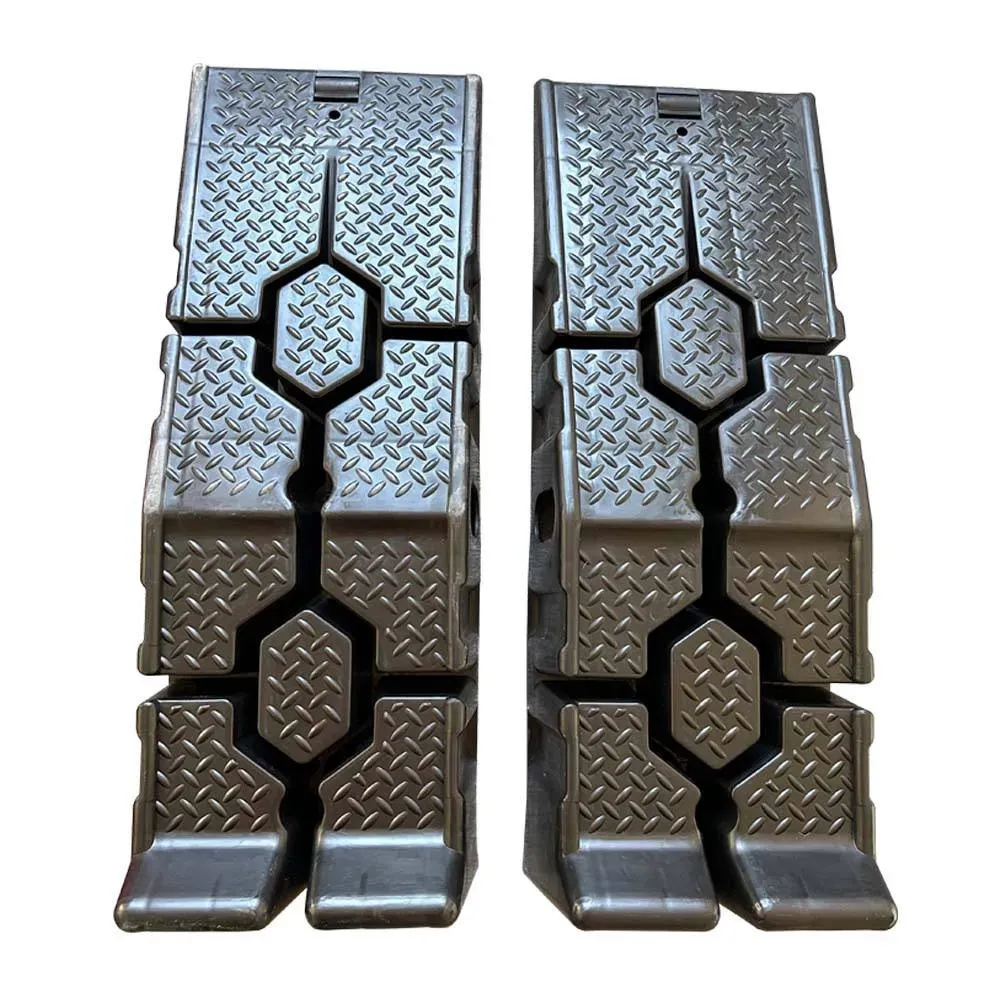
Car jack axle stands are critical safety devices used in conjunction with hydraulic floor jacks to support vehicle weight during maintenance and repair procedures. They are not lifting devices themselves, but rather support mechanisms to secure a vehicle after it has been raised. Their primary function is to prevent the vehicle from collapsing if the jack fails or is accidentally bumped. The industrial chain position for axle stands is primarily within the automotive aftermarket, encompassing manufacturing, distribution, and retail. Core performance metrics revolve around static and dynamic load capacity, stability under load, and adherence to safety standards. Insufficient load capacity or instability are primary concerns leading to catastrophic failure and potential injury, making robust design and material selection paramount. The modern axle stand has evolved from simple, single-pillar designs to more complex ratcheting and multi-point contact systems to enhance stability and ease of use.
Material Science & Manufacturing
The predominant material used in the construction of car jack axle stands is steel, specifically carbon steel grades such as ASTM A36 or equivalent EN 10025-2 S235JR. These grades provide a balance of strength, weldability, and cost-effectiveness. High-strength low-alloy (HSLA) steels may be employed in critical load-bearing components to reduce weight while maintaining structural integrity. Manufacturing processes typically involve steel tube forming, welding, and surface finishing. Tube forming is usually achieved through hydraulic press bending or roll forming, creating the main support structure. Welding, often utilizing MIG (Gas Metal Arc Welding) or spot welding techniques, joins various components together. Quality control is crucial, particularly in weld integrity – non-destructive testing methods such as ultrasonic testing or radiographic inspection are frequently applied to identify flaws. Surface finishing commonly includes powder coating or painting to provide corrosion resistance. The baseplates are often constructed from thicker gauge steel and may incorporate rubberized pads for enhanced grip and stability on various surfaces. Parameter control during welding is critical; excessive heat input can compromise the steel’s temper, reducing its yield strength. Proper pre-treatment of steel surfaces prior to coating is also essential for coating adhesion and long-term corrosion protection.
Performance & Engineering
Performance of axle stands is fundamentally governed by principles of structural mechanics, specifically compression, bending, and shear stress. The design must account for the worst-case loading scenario, including eccentric loads that can introduce bending moments. Force analysis involves calculating the maximum stress experienced by each component under full load, comparing this to the material’s yield strength and applying a safety factor – typically 3:1 or higher. Stability is critical; a wider base and lower center of gravity enhance resistance to tipping. Ratcheting mechanisms, commonly found in adjustable axle stands, introduce a mechanical advantage, allowing users to easily adjust the height while maintaining a secure locking position. These mechanisms rely on pawl and ratchet principles, requiring precise manufacturing tolerances to prevent slippage under load. Environmental resistance is addressed through corrosion protection. Exposure to moisture and road salts can accelerate corrosion, reducing the cross-sectional area of steel components and weakening the stand. Compliance requirements are dictated by standards such as ASME B30.23 (Safety Standard for Hydraulic and Pneumatic Lift Equipment) which specifies load testing and marking requirements. Buckling analysis is also key; slender columns are susceptible to buckling failure under compressive loads, so the stand’s geometry must be optimized to prevent this.
Technical Specifications
| Capacity (tons) | Minimum Height (in) | Maximum Height (in) | Base Diameter (in) |
|---|---|---|---|
| 3 | 11 | 17.5 | 7.5 |
| 6 | 14.5 | 24 | 9 |
| 10 | 18 | 30 | 11 |
| 15 | 22 | 38 | 13 |
| 20 | 26 | 45 | 15 |
| 30 | 30 | 52 | 17 |
Failure Mode & Maintenance
Common failure modes for car jack axle stands include yielding of the steel structure under overload, buckling of the support column, and failure of the ratcheting mechanism. Fatigue cracking can occur over time due to repeated loading and unloading cycles, particularly at weld points. Corrosion, as previously mentioned, weakens the steel, accelerating these failures. Delamination of powder coating can expose the underlying steel to corrosive elements. A significant failure mode is also related to improper usage - exceeding the stated load capacity is the most frequent cause of catastrophic failure. Maintenance primarily consists of regular inspection for signs of corrosion, cracks, or damage to the ratcheting mechanism. Lubricating the ratcheting mechanism with a light oil can ensure smooth operation. Periodic cleaning to remove dirt and debris is also recommended. Damaged or corroded stands should be immediately removed from service. Non-destructive testing, such as visual inspection with a magnifying glass for micro-cracks, can be performed periodically by qualified personnel. It is crucial to avoid modifying the axle stands in any way, as this can compromise their structural integrity. Oxidation will eventually occur on exposed steel, especially in humid environments. Protective coatings, when compromised, should be reapplied promptly.
Industry FAQ
Q: What is the correct procedure for using axle stands?
A: First, ensure the vehicle is parked on a level surface with the parking brake engaged. Use a hydraulic jack to raise the vehicle to the desired height. Carefully position the axle stand under a designated jacking point – consult the vehicle’s owner’s manual for these locations. Slowly lower the vehicle onto the axle stand, ensuring it is securely seated. Never work under a vehicle supported only by a jack.
Q: What is the difference between single-pillar and saddle-style axle stands?
A: Single-pillar stands have a single vertical support column and are generally suitable for lighter vehicles. Saddle-style stands feature a wider base and a contoured saddle designed to better fit around vehicle components, providing greater stability, especially for heavier vehicles or uneven surfaces.
Q: How often should axle stands be inspected?
A: Axle stands should be inspected before each use. Look for signs of corrosion, cracks, damage to the ratcheting mechanism, or any other visible defects. Regular, thorough inspections are paramount to safe operation.
Q: What is the significance of the safety factor in axle stand design?
A: The safety factor is a multiplier applied to the calculated maximum stress to account for uncertainties in material properties, manufacturing tolerances, and loading conditions. A higher safety factor provides a greater margin of safety, reducing the risk of failure.
Q: Can axle stands be used on sloped surfaces?
A: No. Axle stands must be used on a level surface. Using them on a slope significantly increases the risk of instability and vehicle collapse. The baseplate needs full, even contact with the ground.
Conclusion
Car jack axle stands are indispensable components in automotive maintenance, providing a crucial safety barrier against vehicle collapse. Their reliable performance depends heavily on material selection, robust manufacturing processes, and adherence to stringent engineering principles. Understanding the potential failure modes, such as yielding, buckling, and corrosion, is vital for ensuring long-term operational safety.
Regular inspection and preventative maintenance are key to maximizing the lifespan and reliability of axle stands. Continuous improvement in design, incorporating features like enhanced stability and improved ratcheting mechanisms, will further contribute to safer working environments in automotive repair facilities. The evolution of standards and regulations will also play a role in defining future performance benchmarks for these critical safety devices.
