Introduction
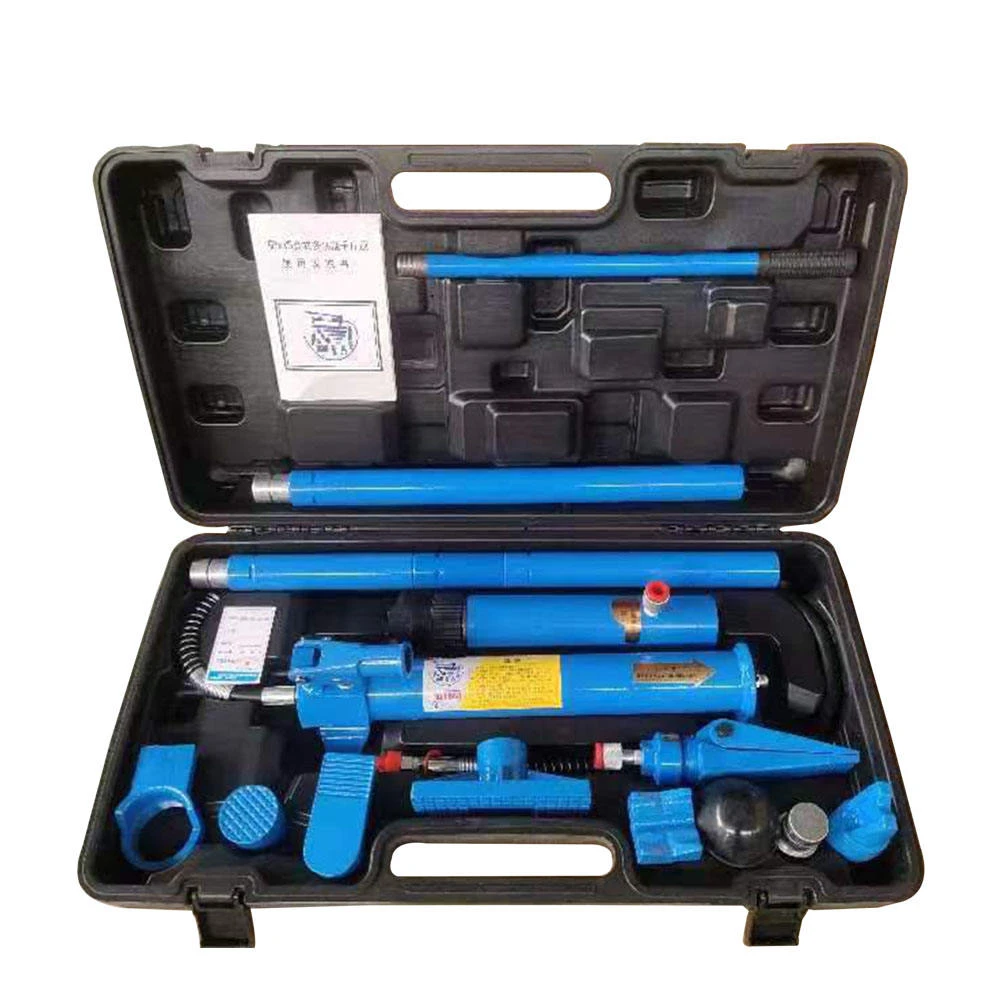
Car jack lift and stands are critical components in automotive maintenance and repair, facilitating safe vehicle elevation for tasks ranging from tire changes to comprehensive undercarriage servicing. These devices operate on principles of mechanical advantage, converting manual force into lifting power. Within the automotive aftermarket, they represent a fundamental category of tools, categorized broadly into hydraulic jacks, mechanical jacks (screw and ratchet), and supporting jack stands. Their importance stems from the inherent dangers of working beneath a vehicle supported only by its parking brake. A robust understanding of their operational limits, material composition, and maintenance requirements is paramount to ensuring workplace safety and preventing catastrophic failures. This guide provides a comprehensive technical overview of car jack lift and stands, encompassing material science, manufacturing processes, performance characteristics, potential failure modes, and relevant industry standards. The core pain points in this sector revolve around reliability, load capacity verification, corrosion resistance, and adherence to stringent safety regulations, particularly concerning stability and locking mechanisms.
Material Science & Manufacturing
The construction of car jack lift and stands relies heavily on high-strength steels, primarily carbon steel alloys such as AISI 1045 and 4140, selected for their high yield strength, tensile strength, and weldability. Hydraulic jacks incorporate hydraulic fluid, typically mineral oil-based formulations with anti-wear and corrosion inhibiting additives. Jack stands frequently utilize stamped steel components for base structures and pin-lock mechanisms. Manufacturing processes vary significantly based on component type. Hydraulic cylinders are produced via honing and precision machining of seamless steel tubes, followed by rigorous pressure testing. Jack stand base plates are formed through deep drawing and progressive stamping, requiring precise die design to maintain dimensional accuracy. Welding processes, including MIG (Gas Metal Arc Welding) and spot welding, are crucial for assembling structural components. Critical parameters during welding include heat input control to prevent material property degradation and ensuring complete fusion to maintain structural integrity. The quality of steel used directly impacts fatigue life. Surface treatments, such as phosphating and powder coating, are applied to enhance corrosion resistance. The manufacturing of the hydraulic pump components involve precision casting followed by machining to tight tolerances to prevent leakage. Material certification and traceability are crucial to ensure adherence to specified mechanical properties.
Performance & Engineering
Performance assessment of car jack lift and stands centers on load capacity, stability, and durability. Force analysis involves calculating the shear stress and bending moment experienced by critical components under maximum load conditions. Finite Element Analysis (FEA) is commonly employed to simulate stress distribution and identify potential failure points. Stability is paramount; jack stands must exhibit a low center of gravity and a wide base to resist tipping. Locking mechanisms are engineered to withstand significant shear forces and prevent unintentional release. Hydraulic jack performance is evaluated based on lift rate, pressure holding capacity, and seal integrity. Environmental resistance is a critical consideration. Exposure to moisture, road salt, and chemicals can induce corrosion, compromising structural integrity. Compliance requirements are dictated by standards such as ASME B30.23 for hydraulic jacks and ASME B30.24 for jack stands. Engineering considerations include factor of safety – typically a minimum of 2:1 or higher – to account for dynamic loads and material variability. The pawl and tooth engagement in jack stands are subject to wear analysis, dictating the material selection for these components. Hydraulic fluid viscosity plays a critical role in consistent performance across varying temperature ranges. Regular load testing is conducted to verify adherence to specified capacity ratings.
Technical Specifications
| Parameter | Hydraulic Floor Jack (2 Ton) | Mechanical Floor Jack (3 Ton) | Jack Stand (3 Ton - Pair) | Ultra-Low Profile Jack (2 Ton) |
|---|---|---|---|---|
| Lifting Capacity | 2000 kg (4400 lbs) | 3000 kg (6600 lbs) | 3000 kg (6600 lbs) - per stand | 2000 kg (4400 lbs) |
| Minimum Lifting Height | 75 mm (3 inches) | 130 mm (5.1 inches) | 290 mm (11.4 inches) | 70 mm (2.8 inches) |
| Maximum Lifting Height | 600 mm (23.6 inches) | 510 mm (20.1 inches) | 430 mm (16.9 inches) | 540 mm (21.3 inches) |
| Pump Type | Hydraulic, Single Piston | Mechanical, Ratchet | N/A - Support Only | Hydraulic, Single Piston |
| Base Width | 210 mm (8.3 inches) | 280 mm (11 inches) | 350 mm (13.8 inches) | 230 mm (9.1 inches) |
| Weight | 8 kg (17.6 lbs) | 12 kg (26.5 lbs) | 6 kg (13.2 lbs) - Pair | 9 kg (19.8 lbs) |
Failure Mode & Maintenance
Common failure modes in car jack lift and stands include hydraulic seal failure leading to pressure loss in hydraulic jacks, pawl and tooth wear in jack stands resulting in slippage, and structural fatigue cracking in welded components. Corrosion, particularly in areas exposed to road salt, can accelerate material degradation. Fatigue cracking often initiates at stress concentration points, such as weld toes and pin holes. Delamination can occur in composite jack stand components (less common but emerging). Oxidation of hydraulic fluid can reduce its lubricating properties and contribute to corrosion. Maintenance procedures include regular inspection for corrosion, lubrication of moving parts, and hydraulic fluid replacement (every 12-24 months for hydraulic jacks). Jack stands should be inspected for tooth wear and structural damage before each use. Periodic torque checks on critical fasteners are recommended. In case of hydraulic jack failure, the entire hydraulic system should be inspected and seals replaced. A visual inspection of welds for cracks is critical. Proper storage in a clean, dry environment is essential to prevent corrosion. Always operate jacks and stands on a level, hard surface.
Industry FAQ
Q: What is the appropriate safety factor to consider when selecting a jack stand?
A: A minimum safety factor of 2:1 is generally recommended, and often 3:1 is preferred, particularly for heavier vehicles or situations involving prolonged support. This means the jack stand’s rated capacity should be at least twice the weight of the vehicle section it is supporting. Overloading compromises stability and increases the risk of failure.
Q: How often should hydraulic jack fluid be replaced, and what type of fluid is recommended?
A: Hydraulic fluid should be replaced every 12-24 months, or more frequently if the jack is used heavily. Mineral oil-based hydraulic fluid conforming to ISO 32 or equivalent specifications is generally recommended. Avoid using brake fluid or other incompatible fluids, as they can damage seals.
Q: What are the key indicators of a failing jack stand pawl mechanism?
A: Key indicators include difficulty engaging the pawl, audible clicking or slipping sounds during load application, visible wear or deformation of the pawl teeth, and any looseness in the pawl assembly. A compromised pawl mechanism poses a serious safety hazard.
Q: What is the impact of corrosion on the load-bearing capacity of a jack stand?
A: Corrosion significantly reduces the effective cross-sectional area of steel components, decreasing their load-bearing capacity. Rust weakens the metal and can lead to brittle fracture. Severely corroded jack stands should be immediately removed from service.
Q: Are there specific standards related to the testing and certification of car jacks and stands?
A: Yes, ASME B30.23 (for hydraulic jacks) and ASME B30.24 (for jack stands) define the testing and certification requirements. UL (Underwriters Laboratories) also provides certifications based on safety standards. Compliance with these standards ensures a minimum level of safety and performance.
Conclusion
Car jack lift and stands are essential, yet potentially hazardous, tools within the automotive maintenance ecosystem. Their reliable operation hinges on a confluence of robust material selection, precise manufacturing processes, diligent adherence to engineering principles, and consistent preventative maintenance. The selection of appropriate equipment, based on vehicle weight and intended application, is paramount. Understanding the potential failure modes, such as hydraulic seal degradation, pawl mechanism wear, and corrosion-induced structural weakening, is critical for preventing catastrophic incidents.
Future developments in this field will likely focus on enhanced materials – potentially incorporating lightweight, high-strength alloys and corrosion-resistant coatings – and the integration of smart technology, such as load sensors and automated locking mechanisms, to improve safety and user experience. Continuous adherence to evolving industry standards (ASME, ISO) and rigorous quality control measures are essential to mitigate risks and ensure the long-term dependability of these crucial automotive tools.
