Introduction
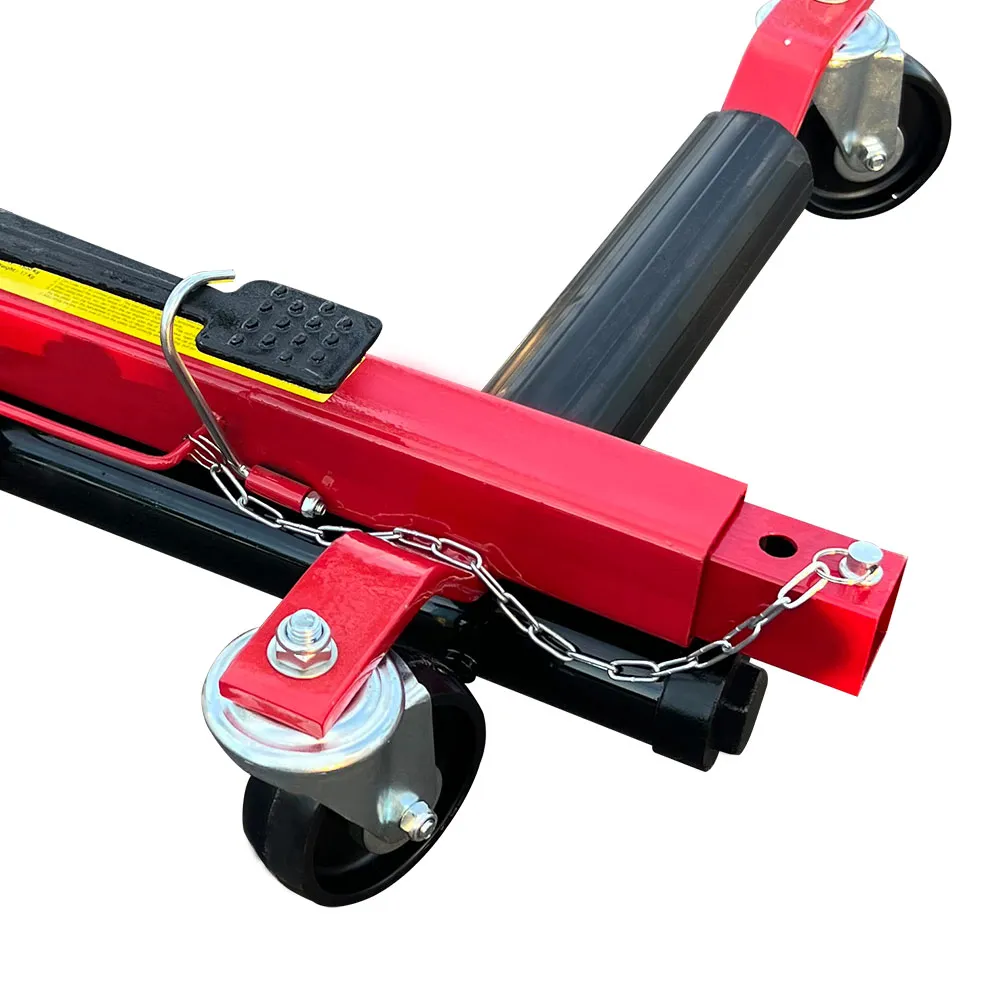
Car safety stands, also known as vehicle support stands or jack stands, are critical pieces of equipment used in automotive maintenance and repair. They provide a stable and secure elevated platform for a vehicle, allowing technicians to safely work underneath. Unlike hydraulic jacks, which are designed for lifting, safety stands are engineered to support a load over extended periods. This guide provides a comprehensive technical overview of car safety stands, covering material science, manufacturing processes, performance engineering, failure modes, and relevant industry standards. The increasing complexity of vehicle chassis and the rising demands for worker safety necessitate a thorough understanding of these support systems. A primary industry pain point revolves around ensuring sufficient load capacity combined with stability, particularly on uneven shop floors, and preventing stand collapse during extended work periods. Incorrect stand selection or improper usage remains a significant safety concern, driving the need for rigorous testing and compliance verification.
Material Science & Manufacturing
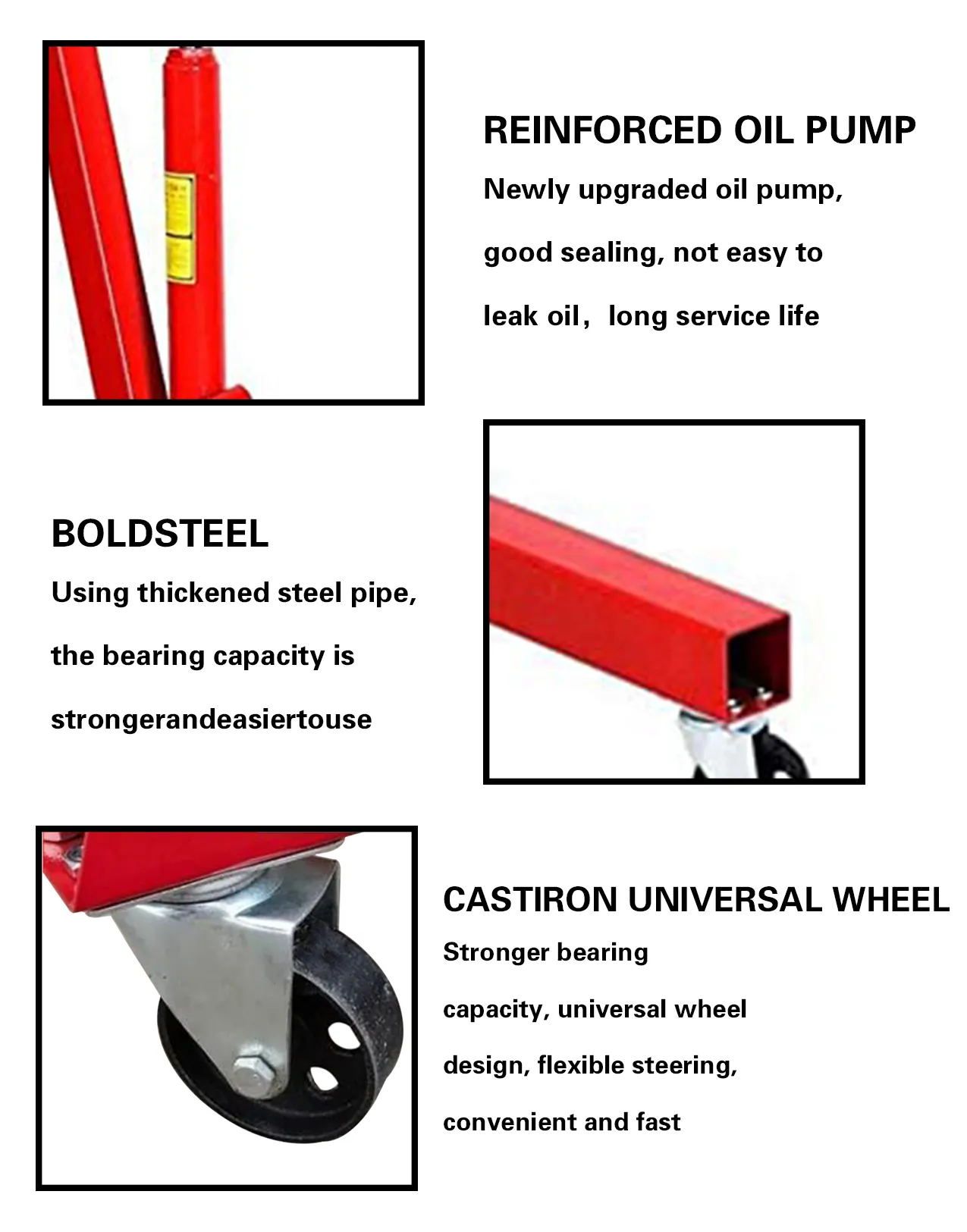
The vast majority of car safety stands are manufactured from steel, though the specific alloy and fabrication methods vary significantly impacting performance and cost. Commonly used steel grades include A36 carbon steel for lower-cost applications and 4140 alloy steel for higher-strength, more demanding applications. The choice depends on the intended load capacity and the anticipated service life. Manufacturing processes typically involve several stages. First, steel plates or profiles are cut to size using CNC laser cutting or plasma cutting. These components are then formed through bending, stamping, or forging, depending on the design complexity. The critical load-bearing components, particularly the pawl mechanism and the support saddle, often undergo heat treatment processes such as quenching and tempering to enhance hardness and toughness. Welding is extensively used to assemble the stand structure, requiring skilled welders and stringent quality control to ensure weld integrity. Powder coating is the prevalent surface finish, providing corrosion resistance and enhancing durability. The manufacturing process demands meticulous parameter control. Precise welding parameters (current, voltage, gas shielding) are crucial to avoid weld defects like porosity and incomplete fusion. Heat treatment cycles must be carefully monitored to achieve the desired mechanical properties. Furthermore, the quality of the raw material significantly influences the final product's performance – variations in steel composition can lead to unpredictable fracture behavior. Polymeric components, such as the grip pads on the saddle, are typically made from thermoset rubbers like neoprene or polyurethane, chosen for their non-slip properties and resistance to oil and solvents.
Performance & Engineering
The performance of car safety stands is fundamentally governed by principles of structural mechanics and material strength. A key engineering consideration is the buckling load – the maximum compressive load a stand can withstand before it undergoes lateral deformation. Finite element analysis (FEA) is extensively used during the design phase to predict stress distribution under various loading conditions and optimize the stand's geometry to maximize buckling resistance. The pawl mechanism, responsible for locking the stand at different height positions, is subjected to shear and tensile forces. Its design must ensure positive engagement and prevent accidental disengagement under load. Stability is another critical performance parameter. Stands are designed with a wide base to increase their footprint and reduce the risk of tipping. Force analysis considers factors such as vehicle weight distribution, center of gravity, and potential dynamic loads resulting from technician movement. Environmental resistance is also vital. Stands operating in harsh conditions (e.g., workshops with exposure to corrosive chemicals, outdoor use) require robust corrosion protection. Compliance requirements dictate stringent testing protocols. Standards such as ASME B30.23 specify load testing procedures, including static load tests and dynamic load tests, to verify that the stand can safely support the specified load capacity. A critical aspect is ensuring the stand's stability on sloped surfaces, requiring rigorous testing at varying angles. Furthermore, the stand’s design must account for the potential for localized stress concentrations at weld points and geometric discontinuities.
Technical Specifications
| Load Capacity (per stand) | Minimum Height | Maximum Height | Base Width |
|---|---|---|---|
| 3 Ton (6,600 lbs) | 11 inches | 16 inches | 24 inches |
| 6 Ton (13,200 lbs) | 14 inches | 22 inches | 32 inches |
| 10 Ton (22,000 lbs) | 16 inches | 28 inches | 36 inches |
| 3 Ton (6,600 lbs) – Low Profile | 8 inches | 13 inches | 20 inches |
| 6 Ton (13,200 lbs) – Heavy Duty | 15 inches | 25 inches | 38 inches |
| Material | A36 Carbon Steel | 4140 Alloy Steel | Cast Iron (Base) |
Failure Mode & Maintenance
Car safety stands are susceptible to several failure modes. Yielding or buckling of the main structural members is a primary concern, often resulting from exceeding the rated load capacity or from fatigue cracking due to repeated loading cycles. Pawl mechanism failure, particularly the ratchet teeth stripping or the pawl itself fracturing, can lead to a sudden and catastrophic collapse. Corrosion, especially in humid environments or when exposed to road salt, weakens the steel structure and accelerates fatigue cracking. Weld defects, such as incomplete fusion or porosity, act as stress concentrators and can initiate fracture. Delamination of polymeric components (grip pads) reduces friction and increases the risk of slippage. Maintenance is crucial for extending the service life and ensuring continued safety. Regular visual inspections are essential, checking for signs of corrosion, weld cracks, or deformation. The pawl mechanism should be tested frequently to verify proper engagement and disengagement. Lubricating the moving parts of the pawl mechanism reduces friction and prevents wear. If corrosion is detected, the affected areas should be cleaned and repainted with a corrosion-resistant coating. Stands should be stored in a dry environment to minimize corrosion. Damaged or worn stands should be removed from service immediately. Periodic load testing, although often impractical for individual users, is recommended for professional workshops. Any stand exhibiting signs of structural weakness should be scrapped and replaced.
Industry FAQ
Q: What is the correct procedure for using safety stands?
A: First, securely chock the wheels that remain on the ground. Then, using a hydraulic jack, lift the vehicle to the desired height. Always position the safety stands under designated reinforced areas of the vehicle’s chassis or frame, as specified in the vehicle’s service manual. Lower the vehicle onto the stands slowly and carefully, ensuring they are fully engaged. Avoid placing the stands on uneven surfaces and always use stands in pairs.
Q: How often should safety stands be inspected?
A: Safety stands should be visually inspected before each use. Look for signs of damage, corrosion, deformation, or wear. A more thorough inspection, including checking the pawl mechanism and lubricating moving parts, should be performed at least annually, or more frequently in heavy-use environments.
Q: Can safety stands be used on sloped surfaces?
A: Generally, no. Using safety stands on sloped surfaces significantly reduces their stability and increases the risk of tipping. If working on a vehicle on a slope is unavoidable, use additional safety precautions, such as wheel chocks and a secondary support system.
Q: What is the difference between a safety stand and a jack?
A: A jack is designed for lifting a vehicle, while a safety stand is designed for supporting a vehicle. Jacks are not intended for long-term support; they can slowly lower or fail under sustained load. Safety stands are engineered to hold a vehicle at a fixed height for extended periods.
Q: What does the "ton" rating on a safety stand represent?
A: The "ton" rating indicates the maximum weight (in tons) that a single stand is designed to support. It's crucial to consider the total weight of the vehicle and distribute the load evenly across at least two stands. Always use stands with a combined capacity exceeding the vehicle’s weight.
Conclusion
Car safety stands are indispensable tools in automotive maintenance, demanding rigorous engineering and adherence to industry standards. Their performance is critically linked to material selection, manufacturing precision, and proper usage. Understanding the potential failure modes and implementing a robust maintenance program are essential for ensuring operator safety and preventing catastrophic accidents. The selection of appropriate stands, based on vehicle weight and anticipated work conditions, is paramount.
The future of safety stand design will likely focus on incorporating advanced materials, such as high-strength low-alloy (HSLA) steels and composite materials, to further enhance strength-to-weight ratios. Integration of smart sensors for load monitoring and real-time stability assessment could provide an additional layer of safety. Continued development and refinement of industry standards will be crucial to address evolving vehicle technologies and maintain the highest levels of safety in automotive repair environments.
