Introduction
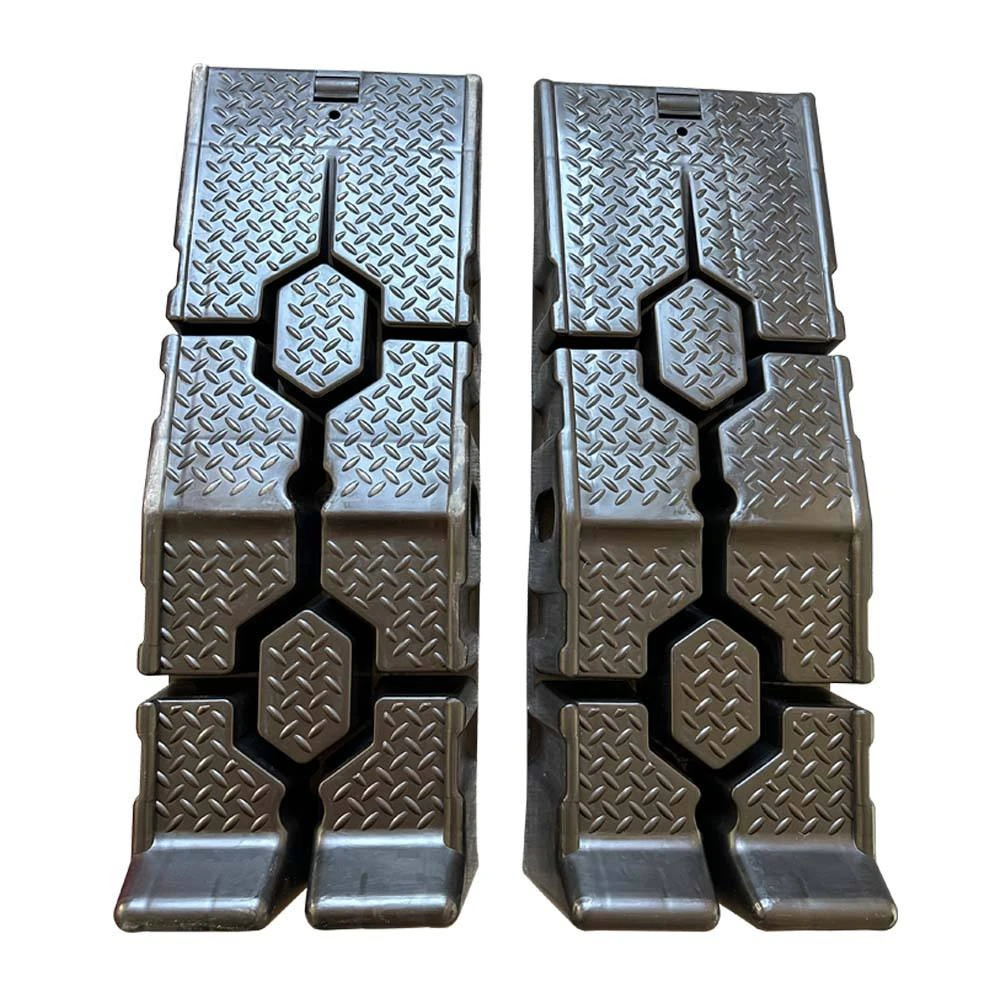
Car support jack stands are critical safety devices used in automotive maintenance and repair. They function as static load-bearing supports, maintaining a vehicle’s elevated position after lifting with a jack. Unlike hydraulic jacks, which are designed for lifting, jack stands are engineered for sustained weight support, preventing collapse during work operations. These stands occupy a crucial position in the automotive aftermarket and professional repair industries, categorized by load capacity, height adjustment range, and construction material. Core performance is defined by their static load rating, stability under load, and durability, all directly impacting operator safety and the successful completion of automotive tasks. The rising trend towards DIY automotive repairs, coupled with the increasing complexity of vehicle systems, has underscored the importance of high-quality, reliable jack stands. This guide details the material science, manufacturing processes, performance characteristics, failure modes, and relevant industry standards governing these essential tools.
Material Science & Manufacturing
The predominant material in jack stand construction is steel, specifically carbon steel (AISI 1018, 1045) and occasionally alloy steels for enhanced strength. The selection is predicated on a balance of tensile strength, yield strength, ductility, and weldability. Carbon steel offers a cost-effective solution for load-bearing components, while alloying elements like manganese and chromium can improve hardness and resistance to deformation. Manufacturing typically involves several key processes. First, steel plates and tubing are cut to precise dimensions using laser cutting or plasma cutting. Welding, primarily shielded metal arc welding (SMAW) or gas metal arc welding (GMAW), is then used to assemble the stand’s frame. Critical welds, particularly those supporting the pawl mechanism and load-bearing surfaces, are subject to non-destructive testing (NDT) such as ultrasonic testing or radiographic inspection to detect internal flaws. The pawl, the locking mechanism that secures the stand at the desired height, is frequently manufactured from hardened steel (HRC 45-55) to resist wear and deformation under repeated loading. Powder coating or painting provides corrosion resistance. Key parameter control includes weld penetration depth, hardness of the pawl, dimensional accuracy of the base, and coating thickness. The base is often stamped or roll-formed to provide increased rigidity and surface area for stability. Quality control protocols involve load testing each stand to at least 125% of its rated capacity, validating the structural integrity of the welded joints and the locking mechanism.
Performance & Engineering
Performance analysis of jack stands centers around their capacity to withstand static loads without failure, maintain stability, and resist deformation. Force analysis considers both the vertical load from the vehicle and potential lateral forces induced by uneven surfaces or vehicle movement. The design must account for stress concentrations at weld joints and the pawl engagement points. Buckling analysis is critical for the vertical support members, ensuring they do not collapse under compressive loads. Stability is further enhanced by a wide base, increasing the stand’s footprint and lowering its center of gravity. Environmental resistance is a significant concern. Exposure to moisture, road salts, and corrosive fluids can lead to corrosion, reducing the steel’s cross-sectional area and compromising its structural integrity. Therefore, corrosion protection (powder coating, galvanization) is paramount. Compliance requirements include meeting or exceeding standards set by organizations like ASME (American Society of Mechanical Engineers) and ANSI (American National Standards Institute). These standards dictate minimum load capacities, testing procedures, and labeling requirements. The pawl mechanism’s shear strength and fatigue life are also engineered to withstand repeated engagement and disengagement. A robust pawl design minimizes the risk of accidental disengagement under load, which is the primary safety hazard associated with jack stands.
Technical Specifications
| Load Capacity (per stand) | Minimum Height | Maximum Height | Base Width |
|---|---|---|---|
| 3 Ton (6,000 lbs / 2,722 kg) | 11 inches (279 mm) | 16 inches (406 mm) | 7.5 inches (190 mm) |
| 6 Ton (12,000 lbs / 5,443 kg) | 14 inches (356 mm) | 23 inches (584 mm) | 9 inches (229 mm) |
| 10 Ton (20,000 lbs / 9,072 kg) | 16 inches (406 mm) | 28 inches (711 mm) | 10 inches (254 mm) |
| 3.5 Ton (7,000 lbs / 3,175 kg) - Heavy Duty | 12 inches (305 mm) | 18 inches (457 mm) | 8 inches (203 mm) |
| 2 Ton (4,000 lbs / 1,814 kg) - Compact | 8 inches (203 mm) | 13 inches (330 mm) | 6 inches (152 mm) |
| 5 Ton (10,000 lbs / 4,536 kg) – Ratcheting | 13 inches (330 mm) | 20 inches (508 mm) | 8.5 inches (216 mm) |
Failure Mode & Maintenance
Common failure modes in jack stands include yield point failure of the steel frame under excessive load, fatigue cracking at weld joints due to repeated stress cycles, and pawl mechanism failure leading to accidental stand collapse. Corrosion, particularly in areas exposed to the elements, weakens the steel structure and accelerates these failure processes. Shear failure of the pawl is a critical concern, often resulting from inadequate hardening or wear. Failure analysis typically reveals that overloading, improper use (e.g., using on uneven surfaces), or lack of maintenance are the root causes. Maintenance procedures involve regular inspection for corrosion, weld cracks, and pawl wear. Lubricating the pawl mechanism with a light oil prevents sticking and ensures smooth operation. Periodically cleaning the stand removes dirt and debris that can accelerate corrosion. Damaged or corroded stands must be removed from service immediately. Any visible cracks or deformation necessitate replacement. Load testing, although impractical for individual users, is crucial for professional repair shops to verify the continued integrity of their jack stand fleet. Proper storage in a dry environment minimizes corrosion risk. The lifespan of a jack stand is directly correlated with its load history, maintenance practices, and environmental exposure.
Industry FAQ
Q: What is the safety factor typically incorporated into the design of car support jack stands?
A: A typical safety factor for jack stands is 2:1 or higher, meaning the stand is designed to withstand at least twice its rated load capacity before yielding or failing. This factor accounts for dynamic loads, impact forces, and material variability. However, exceeding the rated capacity even with a safety factor significantly increases the risk of failure.
Q: What are the primary differences between stamped and welded jack stand bases?
A: Stamped bases are generally more cost-effective and provide uniform thickness, while welded bases can be more robust and allow for greater design flexibility. Welded bases often incorporate reinforcing ribs for increased strength. The choice depends on the intended load capacity and application.
Q: How does the hardness of the pawl material affect its performance and longevity?
A: A harder pawl material (typically HRC 45-55) resists wear and deformation, ensuring a secure grip on the support column. Softer pawls are prone to rounding and slipping, compromising safety. However, excessively hard pawls can be brittle and susceptible to cracking.
Q: Can I use a jack stand on a sloped or uneven surface?
A: Absolutely not. Jack stands must be placed on a firm, level surface to ensure stability. Using a jack stand on a sloped or uneven surface can cause it to shift or tip, leading to a vehicle collapse. Proper use requires a solid, horizontal support base.
Q: What is the recommended inspection frequency for jack stands in a professional automotive repair shop?
A: Jack stands in a professional shop should be inspected at least annually, and more frequently if subjected to heavy use or harsh environmental conditions. Inspections should include a visual check for corrosion, cracks, weld defects, and pawl functionality, as well as periodic load testing.
Conclusion
Car support jack stands represent a critical safety component within the automotive repair and maintenance landscape. Their effective performance hinges on careful material selection – predominantly high-strength carbon steel – and meticulous manufacturing processes, including robust welding techniques and appropriate hardening of critical components like the pawl mechanism. Understanding the engineering principles governing load capacity, stability, and failure modes is essential for both manufacturers and end-users.
Adherence to established industry standards (ASME, ANSI) and diligent maintenance practices are vital for maximizing the service life and ensuring the reliable operation of these safety devices. As vehicle weights and suspension systems continue to evolve, ongoing research and development focused on improving jack stand design and materials will remain paramount in mitigating the risk of catastrophic failure and safeguarding the well-being of automotive technicians and DIY enthusiasts.
