Introduction
Car trolley jacks and axle stands represent fundamental components of vehicle maintenance and repair, specifically within the automotive aftermarket. They are categorized as lifting and support equipment, critical for safely elevating a vehicle to facilitate tasks such as tire changes, brake servicing, and undercarriage inspections. The trolley jack provides the lifting mechanism, typically utilizing hydraulic force, while axle stands provide static support, preventing accidental vehicle descent during work. Unlike pit lifts or scissor lifts found in professional garages, these tools are designed for portability and ease of use by both amateur enthusiasts and professional technicians in field service or limited workspace environments. Core performance metrics revolve around lift capacity (tonnage), minimum and maximum lift height, stability under load, and adherence to safety standards. A primary industry pain point is the prevalence of substandard or counterfeit products which compromise safety and create potential liability issues. Furthermore, understanding load distribution, material fatigue, and proper usage techniques is vital to prevent catastrophic failure.
Material Science & Manufacturing
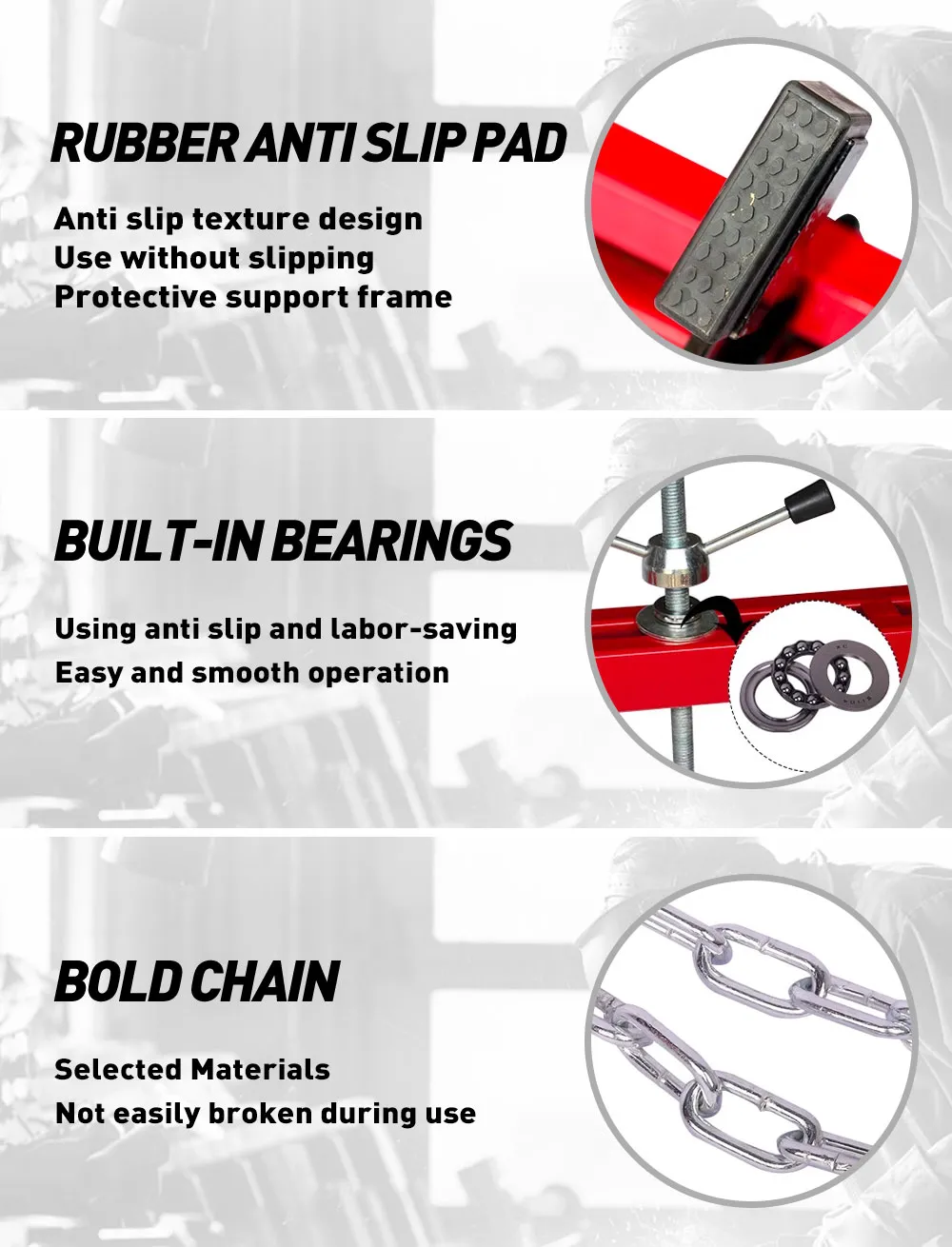
The construction of car trolley jacks and axle stands relies heavily on ferrous metallurgy, specifically carbon steels. Trolley jacks commonly employ steel alloys such as AISI 1045 for the hydraulic cylinder components due to their excellent machinability and tensile strength. The jack’s frame and lifting arm frequently utilize higher strength steels like AISI 1018 or 4140, requiring subsequent heat treatment (quenching and tempering) to optimize hardness and ductility. Axle stands primarily use tubular steel sections, often employing ERW (Electric Resistance Welding) or seamless construction. The steel grade utilized depends on the rated load capacity; higher capacities necessitate thicker wall thicknesses and higher strength alloys. Pawl pins, crucial for adjustable height locking mechanisms in axle stands, are often manufactured from hardened alloy steel (e.g., 4140) for resistance to shear forces and wear. Manufacturing processes include steel casting (for some jack components), forging (for critical high-stress parts), precision machining (for hydraulic cylinders and piston rods), and welding (primarily for frame and axle stand construction). Quality control parameters during manufacturing include dimensional accuracy, weld integrity (non-destructive testing - NDT - such as ultrasonic testing), hardness testing (Rockwell or Vickers scales), and surface finish inspection to prevent corrosion initiation points. Hydraulic fluid used in trolley jacks is typically a mineral oil-based formulation with viscosity additives to maintain performance across a range of temperatures. Chemical compatibility between the fluid and seal materials (NBR, Viton) is a key consideration to prevent swelling or degradation.
Performance & Engineering
Performance of these devices is governed by principles of statics and mechanics of materials. Force analysis dictates that the load applied by the vehicle must be adequately distributed across the contact area of the jack saddle and the axle stand base. The geometry of the axle stand – specifically the base width and height adjustment range – influences its stability; a wider base provides greater resistance to tipping. Trolley jacks operate on Pascal's principle, whereby pressure applied to a confined fluid is transmitted equally in all directions. The hydraulic cylinder's bore diameter and piston area directly correlate to the force output. Engineering considerations include buckling analysis of the axle stand's support columns, fatigue life prediction of welded joints, and material selection to resist plastic deformation under sustained load. Environmental resistance is critical, particularly corrosion protection. Surface treatments like zinc plating or powder coating are common to mitigate rust formation. Compliance requirements mandate adherence to safety standards like ANSI/ASME B30.23 (USA) and EN 1494 (Europe), specifying minimum load testing requirements, material specifications, and marking requirements. Proper load centering is paramount; off-center loads introduce bending moments that significantly reduce the load capacity and increase the risk of failure.
Technical Specifications
| Parameter | Trolley Jack (2 Ton Capacity) | Axle Stand (3 Ton Capacity - Pair) | Hydraulic Fluid Type | |
|---|---|---|---|---|
| Lift Capacity | 2000 kg (4400 lbs) | 3000 kg (6600 lbs) per stand | ISO VG 32 Hydraulic Oil | |
| Minimum Lift Height | 75 mm (3 inches) | 800 mm (31.5 inches) | Viscosity Index | 80-100 |
| Maximum Lift Height | 600 mm (23.6 inches) | 1200 mm (47.2 inches) | Pour Point | -30°C (-22°F) |
| Frame Material | AISI 1018 Steel | AISI 1018 Steel (Tubular) | Seal Material Compatibility | NBR, Viton |
| Hydraulic Cylinder Bore | 32 mm (1.26 inches) | N/A | Operating Temperature Range | -20°C to 80°C (-4°F to 176°F) |
| Pawl Engagement Points | N/A | Multiple (Typically 6-8) | Corrosion Resistance | Zinc Plated/Powder Coated |
Failure Mode & Maintenance
Failure modes in car trolley jacks commonly include hydraulic seal failure (leading to pressure loss and inability to lift), cylinder wall corrosion (resulting in internal leakage), and weld fracture in the frame (due to fatigue or overloading). Axle stands are susceptible to pawl pin shear (if overloaded or pins are worn), buckling of the support column (especially with uneven load distribution), and corrosion-induced weakening of the base. Failure analysis indicates that overloading is the most frequent cause of catastrophic failures. Fatigue cracking can occur in welded joints subjected to repeated loading cycles. Degradation of hydraulic fluid due to contamination or age reduces efficiency and can lead to internal component corrosion. Maintenance procedures for trolley jacks involve regular inspection of hydraulic fluid level, checking for leaks, lubricating moving parts, and verifying the integrity of the release valve. For axle stands, maintenance consists of inspecting pawl pins for wear and proper engagement, cleaning and lubricating the telescoping sections, and checking for corrosion. Periodic load testing (with a known weight) is recommended to verify functionality and structural integrity. Preventative maintenance, including proper storage in a dry environment and avoiding exposure to harsh chemicals, significantly extends the service life of both types of equipment.
Industry FAQ
Q: What is the safe working load (SWL) and how does it differ from the rated capacity?
A: The rated capacity is the maximum load the jack or stand is designed to lift under ideal conditions. The Safe Working Load (SWL) is a more conservative value, typically 80-90% of the rated capacity, representing the maximum load that should be supported during work. The SWL accounts for factors like dynamic loading (impacts during vehicle movement), uneven load distribution, and potential wear and tear. Always operate within the SWL to ensure safety.
Q: Can I use a wheel chock in conjunction with axle stands for added security?
A: Yes, absolutely. Wheel chocks are a highly recommended safety precaution. While axle stands provide vertical support, chocks prevent unintended vehicle movement along the horizontal plane. Always chock the wheels opposite the end being lifted and supported. This provides a redundant layer of safety.
Q: What type of hydraulic fluid is compatible with my trolley jack and how often should it be changed?
A: Most trolley jacks utilize ISO VG 32 hydraulic oil. Refer to the manufacturer’s specifications, as some jacks may require a specific fluid type. Fluid should be changed every 12-24 months, or more frequently if the jack is heavily used or exposed to contaminants. Old fluid loses its viscosity and lubricating properties, leading to decreased performance and potential damage.
Q: How can I visually inspect an axle stand for signs of potential failure?
A: Inspect the axle stand for any signs of bending, cracking, or corrosion, particularly around the welded joints and pawl pin holes. Verify that the pawl pins engage fully and securely at each height adjustment. Any visible damage or malfunction should render the axle stand unusable until repaired or replaced.
Q: Is it acceptable to stack wooden blocks or other materials on top of axle stands to increase their height?
A: No, this is extremely dangerous and strictly prohibited. Adding any material on top of axle stands compromises their structural integrity and stability. It significantly increases the risk of tipping or collapse. Always use axle stands that are adjusted to the appropriate height for the vehicle and the work being performed.
Conclusion
Car trolley jacks and axle stands are essential tools for vehicle maintenance, but their safe and effective use relies heavily on understanding the underlying principles of material science, engineering mechanics, and adherence to safety protocols. The selection of appropriate equipment, based on vehicle weight and intended application, is paramount. Regular inspection and preventative maintenance are critical for identifying and mitigating potential failure modes, extending service life, and preventing catastrophic incidents.
Ultimately, prioritizing safety through proper training, adherence to manufacturer guidelines, and a thorough understanding of load limitations is non-negotiable when working with lifting and support equipment. The ongoing development of improved materials and manufacturing processes continues to enhance the reliability and safety of these tools, but responsible usage remains the most crucial factor in preventing accidents and ensuring a secure working environment.
