Introduction
The caravan scissor jack is a mechanical lifting device widely utilized in the recreational vehicle (RV) industry and by mobile plant/equipment operators for temporary stabilization and leveling. Positioned within the broader category of lifting equipment, it differentiates itself from hydraulic jacks through its purely mechanical operation, relying on a screw thread and linked scissor mechanism for force amplification. Core performance characteristics center around lifting capacity, operational height range, stability under load, and durability against environmental factors. The primary pain point within the industry lies in the balance between cost-effective manufacturing and ensuring reliable performance under varying load conditions and environmental exposures, particularly regarding corrosion resistance and the prevention of structural failure. The jack’s widespread adoption is driven by its compact storage footprint and relatively simple operational procedure, making it a preferred choice for situations demanding portability and ease of use.
Material Science & Manufacturing
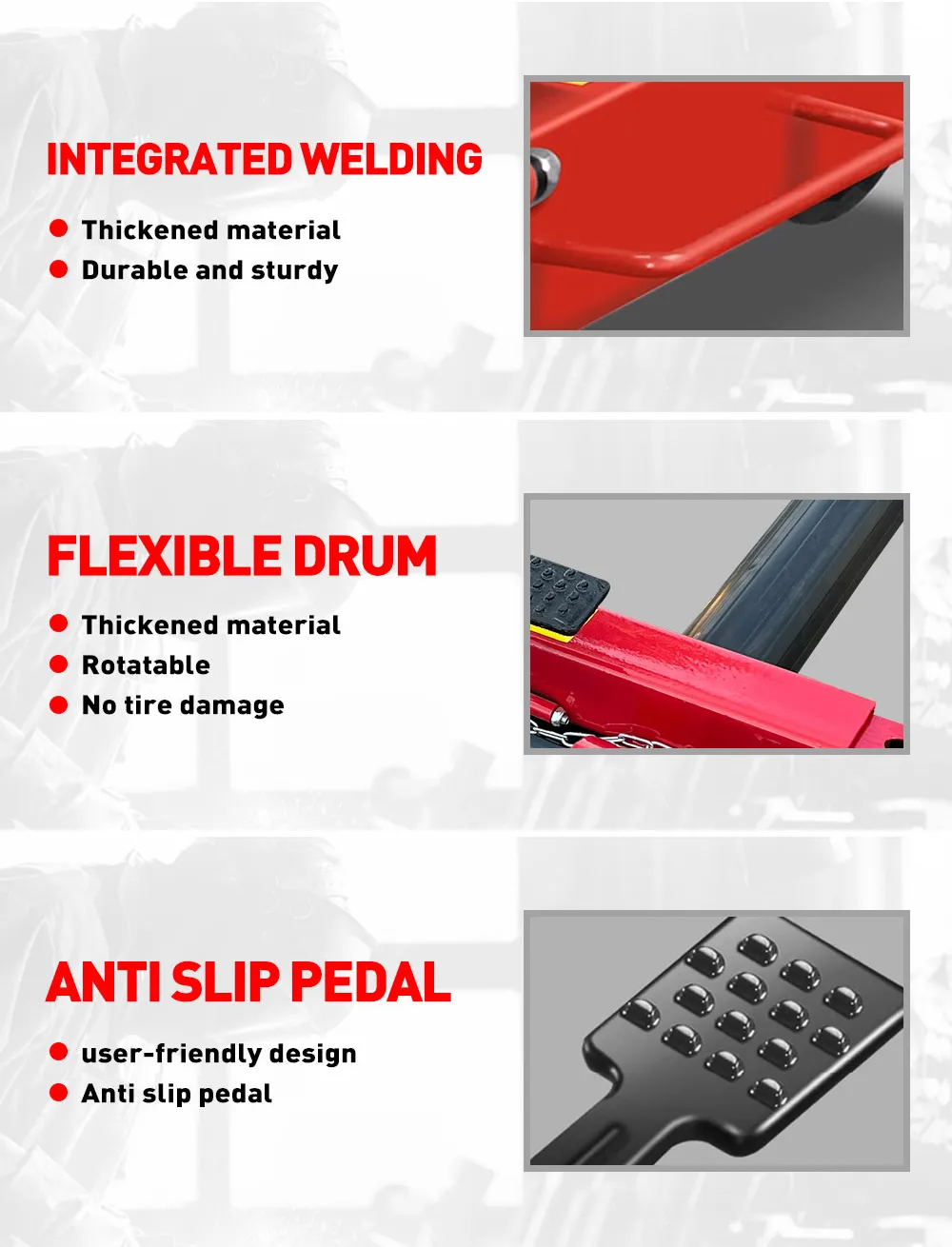
Caravan scissor jacks are typically constructed from carbon steel, chosen for its high strength-to-weight ratio and cost-effectiveness. The specific grade of steel varies, but commonly used materials include SAE 1018 or equivalent, offering sufficient tensile strength for the intended lifting loads. Manufacturing begins with steel plate or tubing, which undergoes cutting, forming, and welding processes. The scissor arms are often formed via cold-forming techniques to enhance strength and dimensional accuracy. Welding, generally employing MIG or TIG processes, joins the individual components, requiring meticulous quality control to prevent weld defects that could compromise structural integrity. The screw thread, a critical component, is typically cold-rolled to create a hardened surface, increasing wear resistance and load-bearing capability. Lubrication of the screw thread, frequently with a lithium-based grease, is crucial to minimize friction and prevent galling. Surface treatment, including zinc plating or powder coating, is applied to mitigate corrosion. Galvanization is sometimes utilized for increased protection, particularly in marine or high-humidity environments. Parameter control during manufacturing focuses on weld penetration depth, thread pitch accuracy, and coating thickness, all of which directly influence the jack’s performance and lifespan. The material's yield strength is a critical parameter, as exceeding this limit during operation will result in permanent deformation. The hardness of the screw thread, measured via Rockwell testing, directly correlates to its resistance to wear and deformation under load.
Performance & Engineering
Performance of a caravan scissor jack is fundamentally governed by mechanical advantage. The scissor mechanism amplifies the rotational force applied to the screw thread, converting it into linear lifting force. Force analysis reveals that the load capacity is directly proportional to the screw thread’s diameter, pitch, and the material’s tensile strength. The stability of the jack is critically dependent on the base plate’s surface area and the underlying ground conditions. Engineering design considerations include minimizing stress concentrations at weld points and ensuring sufficient buckling resistance in the scissor arms. Environmental resistance is a key concern, particularly regarding corrosion. Exposure to moisture, salt, and UV radiation can significantly degrade the material’s properties. Compliance requirements vary by region, but generally involve adherence to safety standards pertaining to lifting equipment. Functional implementation requires careful consideration of the jack’s intended application. Higher lifting capacities necessitate larger, more robust designs. The jack’s operational height range dictates the length of the scissor arms and the screw thread’s travel. Fatigue analysis is essential to predict the jack’s lifespan under cyclic loading conditions. Stress distribution is evaluated using Finite Element Analysis (FEA) to identify potential failure points and optimize the design. The material's Poisson's ratio influences its deformation behavior under load, and this is considered in design calculations.
Technical Specifications
| Lifting Capacity (kg) | Minimum Lifting Height (mm) | Maximum Lifting Height (mm) | Closed Length (mm) |
|---|---|---|---|
| 1500 | 200 | 400 | 600 |
| 2000 | 250 | 500 | 700 |
| 3000 | 300 | 600 | 850 |
| 4000 | 350 | 700 | 950 |
| 5000 | 400 | 800 | 1100 |
| 6000 | 450 | 900 | 1200 |
Failure Mode & Maintenance
Common failure modes for caravan scissor jacks include fatigue cracking at weld points, particularly under cyclic loading. Screw thread stripping or galling can occur due to insufficient lubrication or exceeding the load capacity. Corrosion, especially in coastal environments, can lead to rust formation and weakening of the metal structure. Buckling of the scissor arms can occur if the load is unevenly distributed or exceeds the design limits. Delamination of any protective coating (zinc plating or powder coating) accelerates corrosion. Failure analysis often reveals that inadequate maintenance, such as infrequent lubrication, contributes significantly to premature failure. Maintenance procedures should include regular inspection for corrosion, weld cracks, and thread damage. Periodic lubrication of the screw thread is essential. Tightening of any loose bolts or fasteners is crucial. Avoid exceeding the stated lifting capacity, and always ensure the jack is positioned on a stable, level surface. When storing the jack, ensure it is clean and dry to prevent corrosion. If corrosion is present, remove it mechanically and reapply a protective coating. Replace any components exhibiting signs of significant wear or damage. Preventative maintenance, including regular cleaning and lubrication, extends the service life and ensures safe operation.
Industry FAQ
Q: What is the maximum load capacity I can safely apply to a standard 2000kg rated scissor jack?
A: While a 2000kg rating indicates the jack’s ultimate capacity, it’s crucial to apply a safety factor of at least 1.5 to 2. This means the safe working load should not exceed 1333kg to 1000kg. Exceeding the safe working load increases the risk of structural failure and potential injury. This factor accounts for dynamic loading (shock loads) and variations in material properties.
Q: How often should I lubricate the screw thread to prevent galling and ensure smooth operation?
A: Lubrication frequency depends on usage frequency and environmental conditions. As a general guideline, lubricate the screw thread after every 5-10 lifting cycles, or at least every 3-6 months, even with infrequent use. In dusty or corrosive environments, more frequent lubrication is recommended. Use a lithium-based grease specifically formulated for threaded fasteners.
Q: What steps can I take to prevent corrosion, especially if I store my caravan outdoors?
A: Regular cleaning to remove dirt, salt, and moisture is paramount. Apply a corrosion inhibitor or protectant spray specifically designed for metal surfaces. Consider using a waterproof cover to shield the jack from the elements when stored. If rust does appear, remove it mechanically (wire brush, sandpaper) and reapply a protective coating, such as zinc-rich primer followed by a topcoat.
Q: What should I do if I notice a crack developing near a weld point?
A: Any crack, regardless of size, near a weld point constitutes a serious safety hazard. Immediately cease using the jack. Do not attempt to repair the crack yourself. The jack should be taken out of service and either professionally repaired by a qualified welder or replaced. Continuing to use a cracked jack significantly increases the risk of catastrophic failure.
Q: What type of ground surface is most suitable for using a scissor jack, and are there surfaces to avoid?
A: A firm, level surface is essential. Concrete, asphalt, or packed gravel are suitable. Avoid soft ground (sand, mud, loose soil) as the jack base can sink, compromising stability. Also avoid surfaces with debris or unevenness, as these can cause the jack to tilt or slip. Using a solid base plate under the jack distributes the load and improves stability on questionable surfaces.
Conclusion
The caravan scissor jack remains a prevalent lifting solution due to its advantageous combination of portability, simplicity, and cost-effectiveness. However, its reliable performance is intrinsically linked to material selection, manufacturing quality, and diligent maintenance. Understanding the critical failure modes – fatigue cracking, corrosion, and thread damage – is paramount for ensuring operational safety and extending service life.
Future development trends may focus on incorporating higher-strength alloys to reduce weight and increase load capacity, as well as implementing advanced corrosion protection technologies. Continued refinement of manufacturing processes, particularly welding techniques, will further enhance structural integrity. Adherence to stringent quality control procedures and proactive maintenance practices will remain crucial for mitigating the inherent risks associated with mechanical lifting equipment.
