Introduction
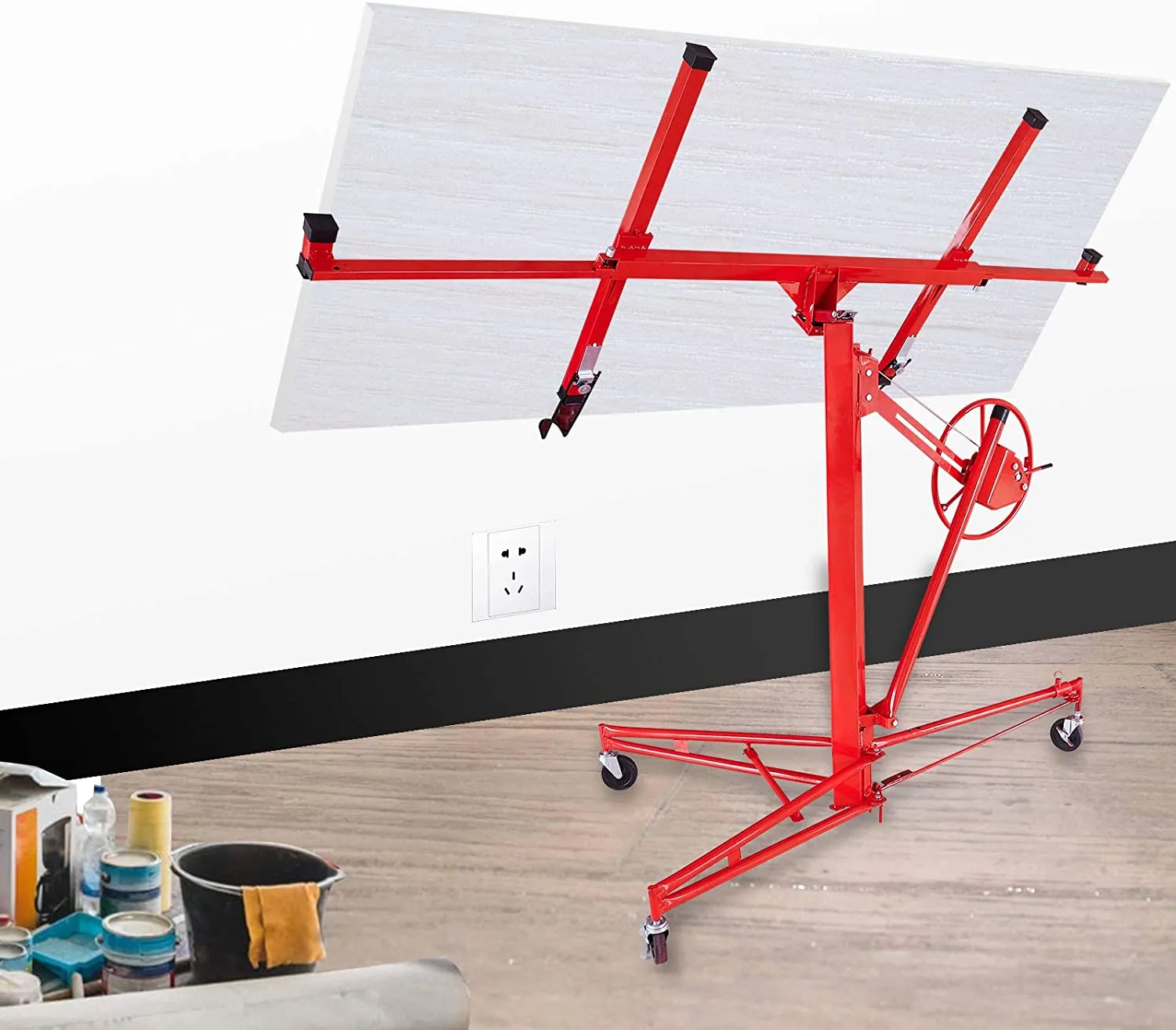
The 1000kg engine crane, a critical component in automotive repair, heavy equipment maintenance, and industrial settings, is a lifting device specifically designed for the controlled vertical movement of heavy objects. Positioned within the material handling equipment category, it serves as a bridge between manual lifting limitations and the expense/complexity of larger overhead crane systems. Its primary function is the safe removal and installation of engines, transmissions, and other substantial components from vehicles and machinery. Core performance characteristics revolve around load capacity (1000kg/2200lbs), lift height, boom reach, and stability under load. The growing demand for efficient maintenance practices and increasing weight of modern engines dictates the need for robust and reliable engine cranes, making this a consistently relevant technology in numerous industries. A key pain point addressed by modern engine cranes is the reduction of workplace injuries associated with manual lifting and the improvement of workshop efficiency through faster, more controlled component handling.
Material Science & Manufacturing
The construction of a 1000kg engine crane necessitates a robust material selection. High-strength steel, typically A36 or equivalent, forms the foundational structure of the boom, base, and support columns. The specific steel grade is chosen for its yield strength (typically exceeding 250 MPa) and weldability. The hydraulic cylinder components are commonly manufactured from 4140 alloy steel, offering excellent tensile strength and resistance to fatigue. For the lifting hook and chain, alloy steels like 8620 or similar are employed, prioritizing both strength and ductility to prevent catastrophic failure under stress. Manufacturing processes begin with steel fabrication – cutting, bending, and welding of structural components. Welding is performed using shielded metal arc welding (SMAW) or gas metal arc welding (GMAW) processes, adhering to AWS D1.1 standards for structural welding. The hydraulic cylinder assembly involves precision machining of cylinder bores and piston rods, followed by honing and sealing. Critical parameters include cylinder bore diameter, piston rod diameter, and seal material compatibility with the hydraulic fluid. The boom is often constructed using a box-section design for increased torsional rigidity. Surface treatments, such as powder coating, are applied to protect against corrosion and enhance the crane’s durability. Quality control involves non-destructive testing (NDT) of welds, including visual inspection, magnetic particle inspection, and ultrasonic testing, to identify potential flaws.

Performance & Engineering
The performance of a 1000kg engine crane is fundamentally governed by principles of statics and mechanics. Force analysis considers the gravitational force acting on the load, the lifting force provided by the hydraulic cylinder, and the reaction forces at the base supports. Stability is paramount; the crane’s base must be sufficiently wide and weighted to prevent tipping under load, especially when the boom is extended. The lifting capacity decreases as the boom is extended due to the increasing moment arm. Engineering calculations involve determining the maximum allowable load at various boom angles and extension lengths, adhering to ASME B30.9 standards for lifts. Environmental resistance is a crucial factor. The crane must withstand temperature variations, humidity, and potential exposure to corrosive substances. Hydraulic fluid viscosity is temperature-dependent, impacting lifting speed and force. Compliance requirements include adherence to CE marking regulations (for European markets) and OSHA safety standards (in the US). Functional implementation relies on a hydraulic system consisting of a pump, reservoir, valves, and cylinders. Valve control regulates the flow of hydraulic fluid, controlling lifting and lowering speed. Chain selection is critical; Grade 80 or Grade 100 chains are commonly used, providing a high strength-to-weight ratio and resistance to abrasion. Regular inspection and maintenance are essential to ensure continued safe operation.
Technical Specifications
| Parameter | Specification | Testing Standard | Tolerance |
|---|---|---|---|
| Rated Capacity | 1000 kg (2200 lbs) | ISO 6098 | ±5% |
| Lift Height (Minimum) | 1.75 m (5.7 ft) | ASME B30.9 | ±0.05 m |
| Lift Height (Maximum) | 3.0 m (9.8 ft) | ASME B30.9 | ±0.05 m |
| Boom Length (Extended) | 1.5 m (4.9 ft) | In-house QC | ±0.02 m |
| Base Width | 1.2 m (3.9 ft) | In-house QC | ±0.01 m |
| Hydraulic Fluid Capacity | 8 Liters (2.1 gallons) | ISO 3448 | ±0.1 Liter |
Failure Mode & Maintenance
Engine cranes are susceptible to several failure modes. Fatigue cracking can occur in the boom or base due to repeated stress cycles, particularly at weld points. Delamination of the hydraulic cylinder seals leads to pressure loss and reduced lifting capacity. Corrosion, especially in marine or humid environments, can weaken structural components. Oxidation of hydraulic fluid degrades its lubricating properties, accelerating wear and tear on hydraulic components. Chain failure is a critical concern; wear, corrosion, and overloading can reduce chain strength. Maintenance should include regular visual inspection for cracks, corrosion, and damaged components. Hydraulic fluid levels should be checked and replenished as needed, with fluid changes performed according to the manufacturer’s recommendations (typically every 6-12 months). Lubrication of pivot points and moving parts is essential. Chain inspection should involve visual assessment for wear, kinks, and broken links. Welds should be periodically inspected using non-destructive testing methods. Proper storage is crucial; cranes should be stored indoors or covered to protect against the elements. Overloading the crane significantly accelerates wear and increases the risk of failure and must be strictly avoided. Furthermore, periodic load testing should be conducted to verify the crane's capacity and identify any potential weaknesses.
Industry FAQ
Q: What is the significance of the safety factor in engine crane design?
A: The safety factor, typically ranging from 3:1 to 5:1, represents the ratio of the crane's ultimate strength to its rated capacity. It accounts for uncertainties in material properties, manufacturing tolerances, and dynamic loading conditions. A higher safety factor provides a greater margin of error, reducing the risk of failure and enhancing operator safety. It's critical for ensuring the crane can handle unexpected loads or stresses.
Q: How does hydraulic fluid type affect crane performance?
A: Hydraulic fluid viscosity is a key factor. Too low a viscosity results in internal leakage and reduced lifting force; too high a viscosity increases resistance and slows down operation. The fluid must also possess anti-wear properties, corrosion inhibitors, and thermal stability. ISO VG 46 or ISO VG 68 hydraulic oils are commonly recommended. Compatibility with seal materials is also vital.
Q: What are the common causes of drift in an engine crane?
A: Drift, or the gradual lowering of a load, typically indicates a problem with the hydraulic system. Potential causes include internal leakage in the hydraulic cylinder, a faulty check valve, or air in the hydraulic lines. Regular inspection and maintenance of the hydraulic system are essential to prevent drift.
Q: How should the lifting chain be inspected for wear and damage?
A: Chain inspection should involve a visual examination for wear, kinks, corrosion, and broken links. Measure chain stretch; excessive stretch indicates wear. Look for cracks or deformities in the chain links. Damaged or worn chains should be replaced immediately. Regular lubrication helps prevent corrosion and extend chain life.
Q: What are the implications of exceeding the rated capacity of the engine crane?
A: Exceeding the rated capacity places excessive stress on the structural components, hydraulic system, and chain, significantly increasing the risk of catastrophic failure. This can result in damage to the crane, injury to personnel, and damage to the lifted object. It is paramount to always adhere to the crane’s rated capacity.
Conclusion
The 1000kg engine crane remains an indispensable tool for a wide range of industrial applications, delivering a balance of lifting capacity, maneuverability, and cost-effectiveness. Its core functionality relies on sound engineering principles, robust material selection, and precise manufacturing processes. Understanding the critical parameters governing its performance—load capacity, lift height, stability—is essential for safe and efficient operation.
Ongoing maintenance, encompassing regular inspections, hydraulic fluid management, and chain assessments, is paramount to prevent failure and ensure long-term reliability. Adherence to relevant industry standards and safety regulations, such as ASME B30.9, is non-negotiable. Future advancements are likely to focus on incorporating smarter technologies, such as load monitoring systems and remote control operation, further enhancing safety and productivity.
