Introduction
The 2-ton engine crane, also known as a shop crane or cherry picker, is a critical piece of lifting equipment utilized extensively across automotive repair, heavy equipment maintenance, and industrial assembly applications. This lifting device employs a hydraulic system to elevate and position heavy loads with precision. Its technical position within the supply chain rests between component manufacturers (hydraulic cylinders, steel suppliers) and end-users such as automotive workshops, construction sites, and manufacturing facilities. Core performance characteristics include a 2000 kg (4400 lbs) lifting capacity, variable reach achieved through a telescopic boom, and 360-degree rotation allowing for maneuverability in confined spaces. The primary pain point addressed by robust engine cranes is the safe and efficient handling of substantial engine blocks, transmissions, and other heavy components, mitigating the risk of worker injury and equipment damage associated with manual lifting techniques. Industry demands are shifting toward increased safety features, enhanced durability, and improved ergonomics for operator comfort and efficiency.
Material Science & Manufacturing
The primary construction material for a 2-ton engine crane is high-strength steel, typically ASTM A36 or equivalent, chosen for its excellent weldability, ductility, and tensile strength. The boom assembly utilizes hollow structural sections (HSS) to maximize strength-to-weight ratio, minimizing deflection under load. Hydraulic cylinders are constructed from honed cylinder tubing, often 4140 alloy steel, providing high resistance to wear and corrosion. Piston rods are typically chrome-plated to enhance surface hardness and prevent corrosion. Wheel materials often include cast iron or polyurethane, depending on load capacity and floor surface requirements.
Manufacturing processes involve several key stages. Steel components are cut, formed, and welded using shielded metal arc welding (SMAW) or gas metal arc welding (GMAW). Welding parameters – current, voltage, travel speed, and shielding gas composition – are rigorously controlled to ensure weld integrity and prevent defects such as porosity and cracking. Hydraulic cylinders undergo honing and polishing to achieve a smooth internal surface, minimizing friction and maximizing sealing performance. The boom assembly is typically assembled using bolted connections, allowing for ease of maintenance and repair. Critical parameters during assembly include bolt tightening torque, alignment of components, and verification of boom extension and retraction smoothness. Finally, a protective coating, such as powder coating, is applied to prevent corrosion and enhance the crane's aesthetic appeal. Quality control checks include non-destructive testing (NDT) of welds using methods like ultrasonic testing or magnetic particle inspection, and pressure testing of hydraulic cylinders to verify leak-free operation.
Performance & Engineering
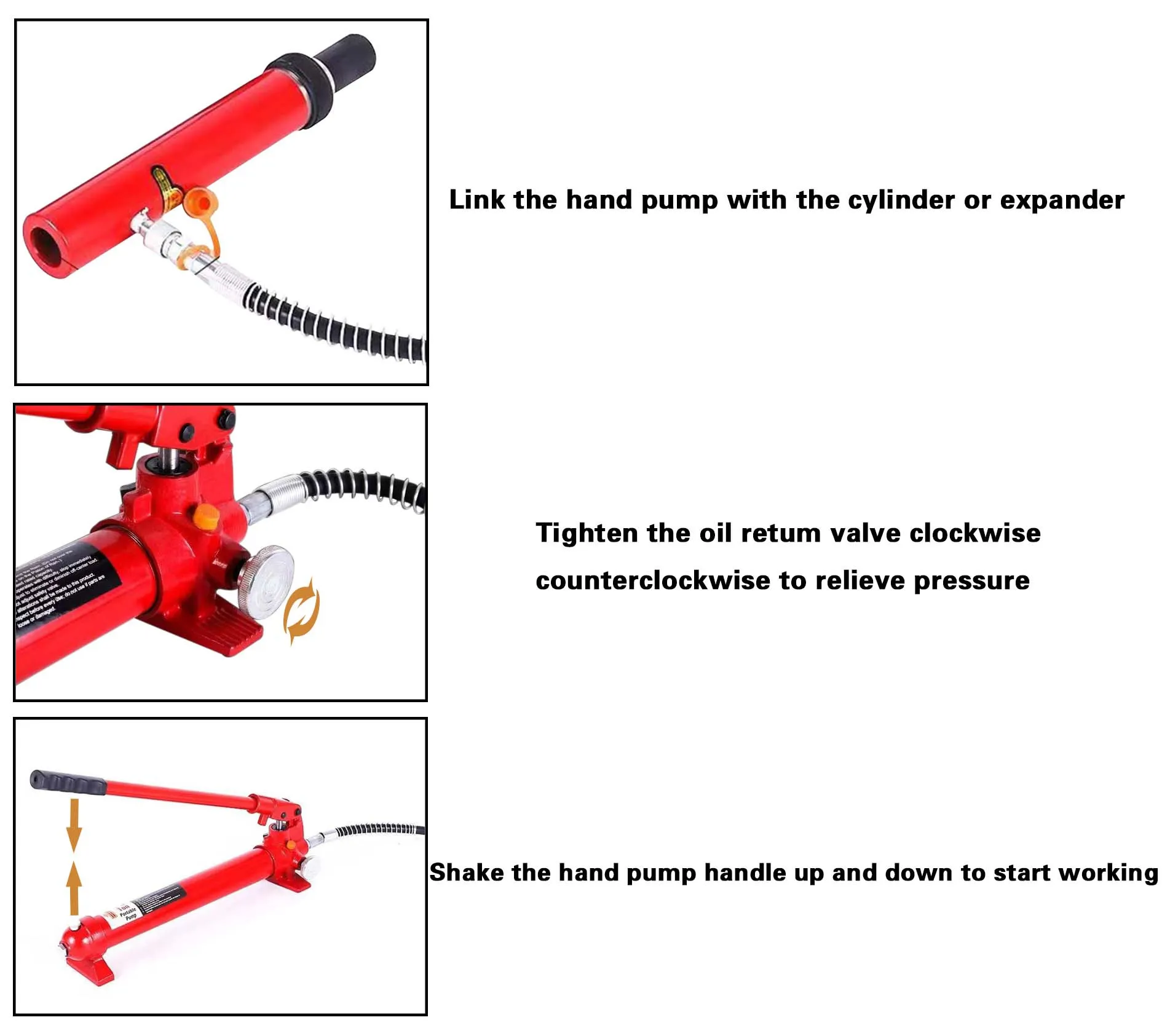
The performance of a 2-ton engine crane is fundamentally governed by principles of statics and hydraulics. Force analysis dictates the structural integrity of the boom and supporting components. The lifting capacity is dictated by the cylinder bore area and maximum hydraulic pressure, coupled with the mechanical advantage of the boom’s linkage system. Environmental resistance is a crucial consideration; exposure to corrosive elements like salt spray necessitates corrosion-resistant coatings and materials. Compliance requirements, particularly OSHA regulations regarding lifting devices, mandate regular inspections, load testing, and operator training. Functional implementation hinges on a robust hydraulic system capable of delivering consistent and controlled lifting and lowering speeds.
The stability of the engine crane is paramount. Calculations of the center of gravity (CG) under various load conditions are essential to prevent tipping. The base span of the crane directly influences its stability; a wider base provides greater resistance to overturning moments. The hydraulic system must be designed to handle dynamic loads and prevent hydraulic shock, which can damage components. Load testing procedures, conforming to ASME B30.2 standards, verify the crane’s ability to safely lift and sustain loads at specified radii. The chain or wire rope used for load attachment must have a safety factor of at least 5:1 to account for potential overloads and wear. Proper rigging techniques are essential to distribute the load evenly and prevent stress concentrations.
Technical Specifications
| Parameter | Specification | Tolerance | Testing Standard |
|---|---|---|---|
| Lifting Capacity | 2000 kg (4400 lbs) | ±5% | ASME B30.2 |
| Maximum Lifting Height | 2.7 meters (8.86 ft) | ±2% | Manufacturer’s Specification |
| Boom Length (Extended) | 1.5 meters (4.92 ft) | ±1% | Manufacturer’s Specification |
| Boom Rotation | 360 degrees | ±5 degrees | Visual Inspection |
| Hydraulic System Pressure | 25 MPa (3625 psi) | ±1 MPa | ISO 6020 |
| Wheel Diameter | 150 mm (5.91 in) | ±2 mm | Manufacturer’s Specification |
Failure Mode & Maintenance
Common failure modes in 2-ton engine cranes include hydraulic cylinder leaks due to worn seals, boom deflection or bending due to overloading, fatigue cracking in welded joints, and wheel bearing failure due to insufficient lubrication. Hydraulic leaks typically manifest as reduced lifting capacity or slow operation. Fatigue cracking often initiates at stress concentration points, such as weld toes, and can lead to catastrophic failure under load. Wheel bearing failure is characterized by increased rolling resistance and audible noise. Corrosion, particularly in coastal environments, can degrade the structural integrity of steel components.
Preventive maintenance is crucial for ensuring long-term reliability. Regular inspection of hydraulic hoses and fittings for leaks or damage is essential. Lubrication of all moving parts, including wheel bearings and boom pivot points, should be performed according to the manufacturer’s recommendations. Periodic load testing should be conducted to verify lifting capacity and identify potential structural weaknesses. Welds should be visually inspected for cracks or signs of corrosion. Hydraulic fluid should be replaced periodically to maintain optimal viscosity and prevent contamination. Storage in a dry environment can minimize corrosion. If a failure occurs, a thorough failure analysis should be conducted to identify the root cause and prevent recurrence. Replacement parts should be of equivalent or superior quality to the original components.
Industry FAQ
Q: What is the appropriate inspection frequency for a 2-ton engine crane in a heavy-use automotive workshop?
A: ASME B30.2 recommends frequent inspections (monthly) and periodic inspections (annually or after major repairs). Frequent inspections involve visual checks for damage, leaks, and proper functionality. Periodic inspections require a qualified person to perform a detailed inspection, including load testing and examination of critical components.
Q: How does boom deflection impact the safe lifting capacity of the crane?
A: Increased boom deflection reduces the crane’s stability and can significantly lower its safe lifting capacity. The crane manufacturer’s load chart specifies the allowable lifting capacity at various boom angles and radii. Exceeding these limits can lead to tipping or structural failure.
Q: What type of hydraulic fluid is recommended for this crane and what are the consequences of using an incorrect fluid?
A: Typically, an ISO VG 46 hydraulic oil is recommended. Using an incorrect fluid can lead to reduced lubrication, increased wear, seal damage, and decreased system efficiency. Some fluids may also be incompatible with the crane’s seals and hoses, causing them to deteriorate.
Q: What safety precautions should be taken during load rigging to prevent load swing or instability?
A: Ensure the load is properly balanced and secured with appropriate slings or chains. Use a tag line to control load swing. Avoid exceeding the crane’s lifting capacity. Ensure the load is lifted vertically and avoid side loading. Never lift a load over personnel.
Q: What are the signs that a hydraulic cylinder seal is failing, and what corrective actions should be taken?
A: Signs of a failing hydraulic cylinder seal include visible oil leaks, reduced lifting speed, and difficulty maintaining load position. Corrective action involves replacing the seal with a manufacturer-approved replacement and inspecting the cylinder bore for damage.
Conclusion
The 2-ton engine crane represents a vital component in numerous industrial settings, offering a safe and efficient solution for heavy lifting tasks. Its performance is dictated by a combination of material science, engineering principles, and adherence to stringent safety standards. Understanding the material properties of its components, the manufacturing processes employed, and the potential failure modes is crucial for maximizing its lifespan and ensuring reliable operation.
Future advancements in engine crane technology will likely focus on incorporating smart features such as overload protection systems, remote monitoring capabilities, and ergonomic enhancements to improve operator safety and efficiency. Continued refinement of hydraulic systems and the adoption of lighter, higher-strength materials will further enhance performance and reduce overall weight. Regular maintenance, coupled with adherence to industry best practices, remains paramount to maintaining the integrity and reliability of these essential lifting devices.
