Introduction
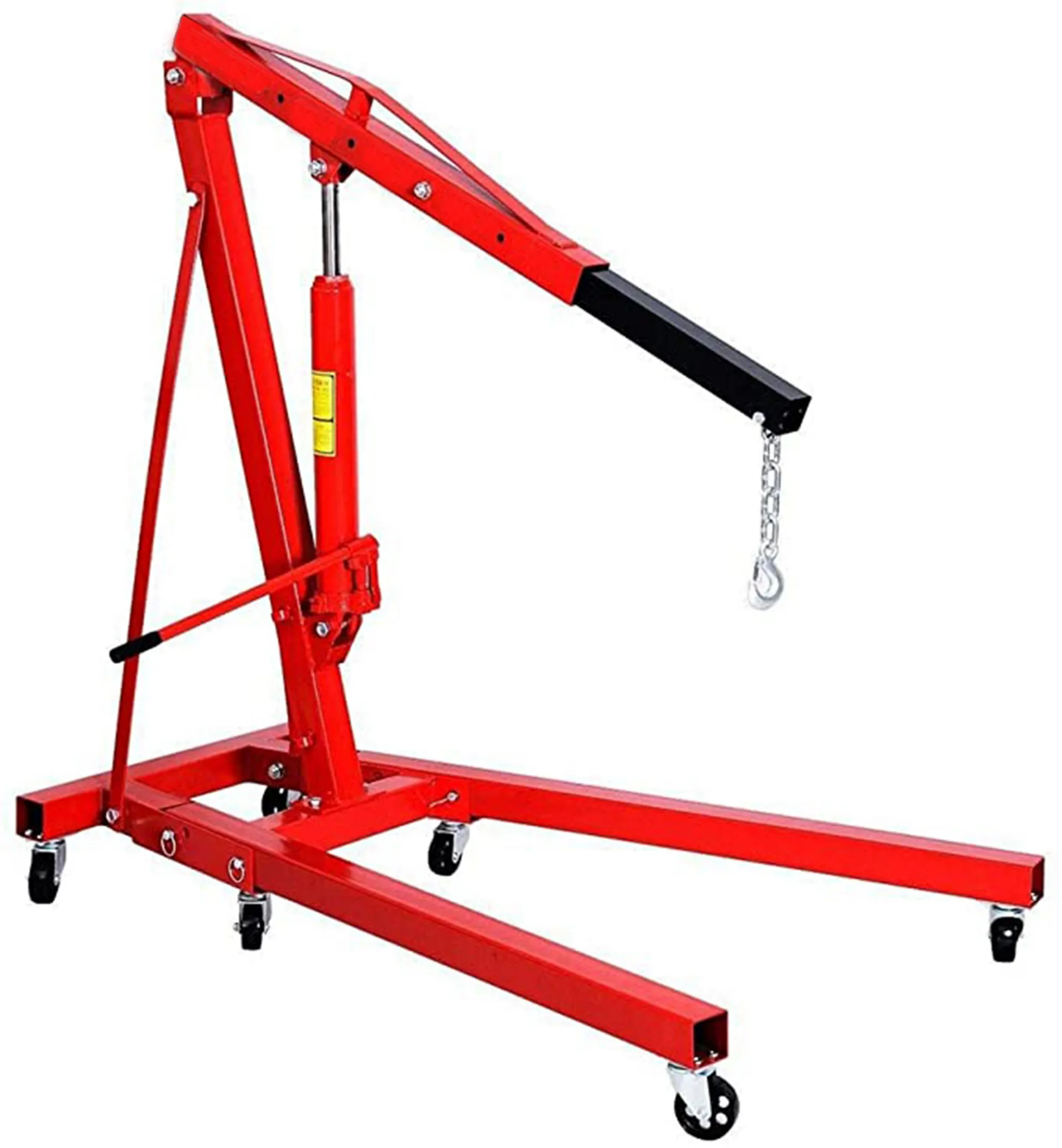
Engine crossbar supports are critical structural components within internal combustion engines, and increasingly, within electric vehicle (EV) powertrain assemblies. Positioned transversely or longitudinally, these supports mitigate stress concentrations and vibrational forces generated during engine operation. They function as a load-bearing interface between the engine block (or electric motor assembly) and the vehicle chassis, preventing damage to sensitive components and ensuring powertrain alignment. The industry chain involves raw material suppliers (steel, aluminum alloys, composite materials), specialized forging/casting/molding facilities, precision machining operations, surface treatment providers, and ultimately, integration into the engine/powertrain assembly by Original Equipment Manufacturers (OEMs) or Tier 1 suppliers. Core performance characteristics are defined by static load capacity, dynamic stiffness (resistance to vibration), fatigue life, and corrosion resistance. A primary industry pain point revolves around achieving optimal weight reduction without compromising structural integrity, particularly in light of increasingly stringent fuel efficiency and emissions standards.
Material Science & Manufacturing
Engine crossbar supports are commonly manufactured from high-strength steel alloys (4140, 4340) for internal combustion engines, and increasingly from aluminum alloys (6061-T6, 7075-T6) and composite materials for weight reduction, especially in EV applications. Steel alloys offer excellent tensile strength and fatigue resistance but are susceptible to corrosion if not properly treated. Aluminum alloys provide a superior weight-to-strength ratio but exhibit lower stiffness and are prone to galvanic corrosion. Composite materials (carbon fiber reinforced polymers, or CFRP) offer the highest strength-to-weight ratio, but are expensive and require specialized manufacturing techniques. Manufacturing processes include forging (for high-volume, complex shapes in steel), die casting (for aluminum alloys, offering good dimensional accuracy), and resin transfer molding (RTM) or autoclave curing (for composite materials). Key parameter control during forging involves precise temperature management to prevent grain growth and maintain material properties. Die casting requires meticulous control of melt temperature, injection pressure, and cooling rates to minimize porosity and ensure structural soundness. Composite manufacturing demands precise fiber alignment, resin impregnation, and curing cycles to achieve optimal mechanical performance. Surface treatments such as powder coating, e-coating, or anodizing are critical for enhancing corrosion resistance and extending component lifespan. Material selection is often driven by a trade-off analysis between cost, weight, strength, and durability.
Performance & Engineering
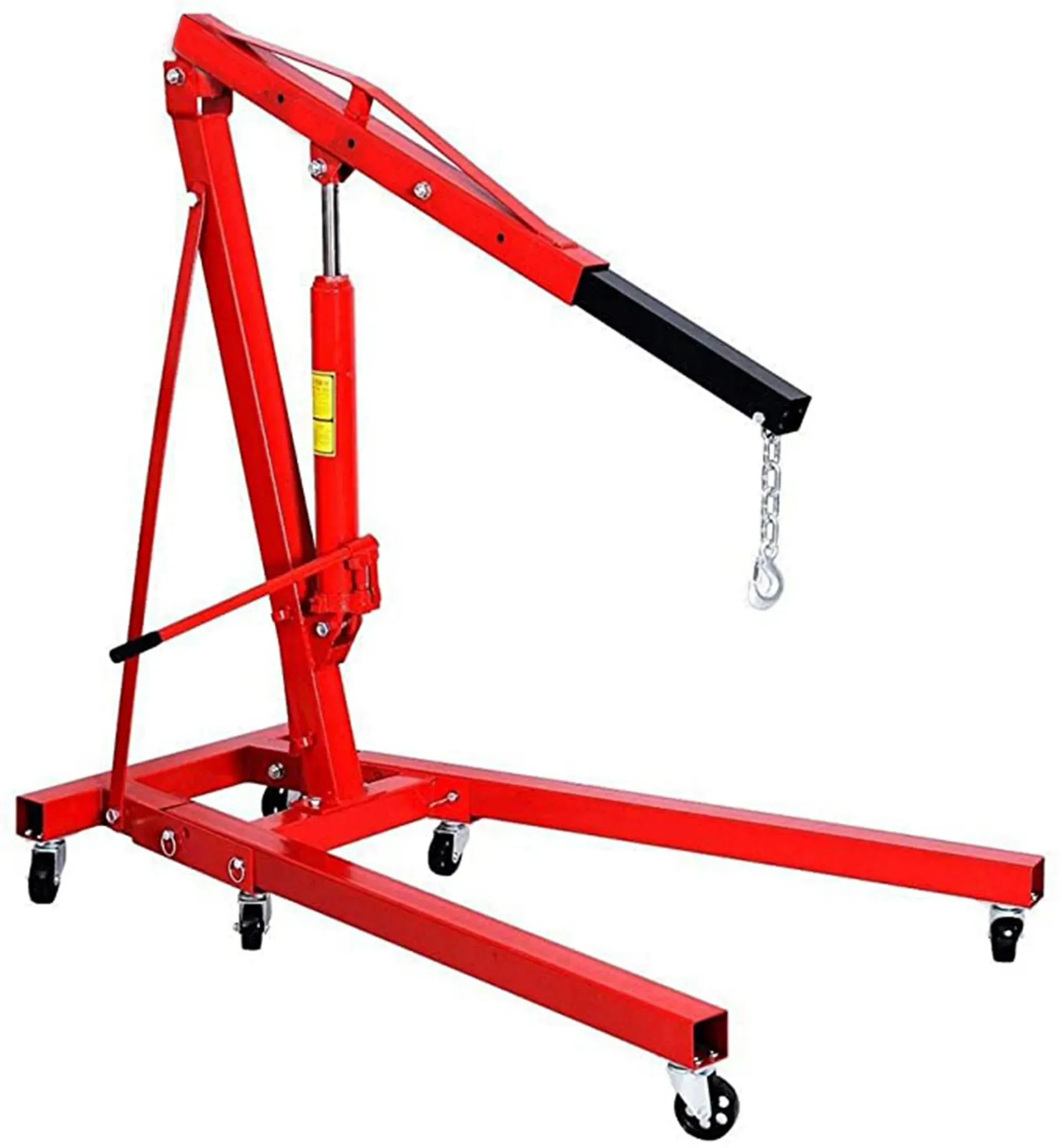
Performance assessment of engine crossbar supports hinges on robust force analysis, incorporating static load cases (engine weight, peak torque reactions) and dynamic load cases (vibrational frequencies induced by engine operation, road impacts, and emergency maneuvers). Finite Element Analysis (FEA) is extensively employed to simulate stress distributions, identify potential failure zones, and optimize component geometry. Environmental resistance is crucial; supports must withstand exposure to engine oil, coolant, road salt, and temperature extremes. Compliance requirements are dictated by OEM specifications and industry standards related to vehicle safety and durability. Functional implementation involves precise mounting interface design to ensure proper load transfer and alignment. Stiffness is a critical parameter, directly impacting NVH (Noise, Vibration, and Harshness) performance. Higher stiffness generally reduces vibration transmission, but can also increase stress concentrations. Damping characteristics, often achieved through material selection or the incorporation of damping elements, are also important for mitigating resonant frequencies. Fatigue analysis, utilizing S-N curves (stress-strain curves), is essential for predicting component lifespan under cyclic loading conditions. The design must account for potential stress risers, such as holes, fillets, and weldments, which can accelerate fatigue crack initiation and propagation.
Technical Specifications
| Material | Tensile Strength (MPa) | Yield Strength (MPa) | Weight (kg) | Corrosion Resistance (ASTM B117 hours to 5% salt spray) |
|---|---|---|---|---|
| 4140 Steel | 896 | 655 | 8.5 | 720 |
| 6061-T6 Aluminum | 310 | 276 | 4.2 | 480 |
| 7075-T6 Aluminum | 572 | 503 | 4.8 | 360 |
| CFRP (Carbon Fiber Reinforced Polymer) | 1500 | 1000 | 2.8 | 1000+ |
| 4340 Steel | 965 | 760 | 9.2 | 840 |
| A356-T6 Aluminum | 280 | 220 | 3.9 | 400 |
Failure Mode & Maintenance
Common failure modes for engine crossbar supports include fatigue cracking (initiated by cyclic loading, particularly at stress concentration points), corrosion (leading to material degradation and reduced strength), yielding (exceeding the material's elastic limit under static load), and deformation (resulting from impact or overload). Fatigue cracking often originates at weldments, bolt holes, or sharp corners. Corrosion can be accelerated by exposure to road salt, moisture, and dissimilar metal contact (galvanic corrosion). Failure analysis techniques, such as fractography (examining fracture surfaces) and metallography (analyzing material microstructure), are crucial for identifying the root cause of failures. Maintenance typically involves visual inspection for cracks, corrosion, and deformation. Torque checks on mounting bolts are essential to ensure proper preload and prevent loosening. Protective coatings should be regularly inspected and reapplied as needed. For composite supports, delamination (separation of layers) is a common failure mode requiring non-destructive testing (NDT) methods such as ultrasonic inspection. Periodic cleaning to remove contaminants is also recommended. Preventative maintenance, including proper lubrication of mounting interfaces and regular inspection for signs of wear, can significantly extend component lifespan. Replacement is typically required if significant cracks, corrosion, or deformation are detected.
Industry FAQ
Q: What are the primary differences in selecting a steel versus an aluminum crossbar support?
A: Steel offers higher strength and fatigue resistance, making it suitable for high-load applications and engines with significant vibration. However, it is heavier and more susceptible to corrosion. Aluminum provides a better weight-to-strength ratio, reducing overall vehicle weight and improving fuel efficiency, but has lower strength and requires careful consideration regarding corrosion prevention, especially in environments with road salt exposure. The selection hinges on a trade-off analysis of these factors, informed by the specific engine characteristics and operating conditions.
Q: How does the mounting interface design impact the performance of the crossbar support?
A: The mounting interface is critical for ensuring proper load transfer and alignment. Improperly designed mounting points can introduce stress concentrations, leading to premature failure. Bolt hole sizes and locations must be precisely engineered to distribute loads evenly. The stiffness of the mounting interface also affects the overall system stiffness. Using appropriate bushings and isolators can help dampen vibrations and reduce noise transmission.
Q: What are the challenges associated with using composite materials for crossbar supports?
A: Composite materials offer exceptional strength-to-weight ratios, but their higher cost and complex manufacturing processes pose challenges. Ensuring consistent fiber alignment and resin impregnation is crucial for achieving optimal mechanical properties. Composite supports are also more susceptible to damage from impact and require specialized inspection techniques to detect delamination. Repairing composite structures can be difficult and costly.
Q: What surface treatment options are recommended for steel crossbar supports?
A: Powder coating, e-coating, and galvanizing are commonly used surface treatments for steel crossbar supports. Powder coating provides a durable, corrosion-resistant finish. E-coating (electrodeposition coating) offers excellent coverage and adhesion. Galvanizing provides sacrificial corrosion protection. The choice depends on the specific operating environment and corrosion resistance requirements.
Q: How can FEA be used to optimize the design of a crossbar support?
A: FEA allows engineers to simulate stress distributions under various loading conditions, identify potential failure zones, and optimize the component geometry to minimize stress concentrations. It can also be used to evaluate the effects of different materials and manufacturing processes. By iteratively refining the design based on FEA results, engineers can create a crossbar support that is both strong and lightweight.
Conclusion
Engine crossbar supports are vital components, demanding careful material selection, precise manufacturing, and rigorous performance analysis. The ongoing industry trend towards weight reduction, coupled with increasing demands for durability and NVH performance, necessitates a comprehensive understanding of material properties, manufacturing processes, and failure modes. Aluminum alloys and composite materials are gaining prominence, but require diligent engineering to mitigate their inherent limitations. The effective implementation of FEA and adherence to stringent quality control procedures are critical for ensuring the long-term reliability and safety of these essential powertrain components.
Looking forward, advancements in materials science, such as the development of new high-strength alloys and improved composite formulations, will continue to drive innovation in crossbar support design. Furthermore, the integration of sensor technologies for real-time stress monitoring and predictive maintenance will enhance component lifespan and reduce the risk of catastrophic failures. A holistic approach, considering the entire powertrain system and its operating environment, is essential for optimizing crossbar support performance and ensuring vehicle reliability.
