Introduction
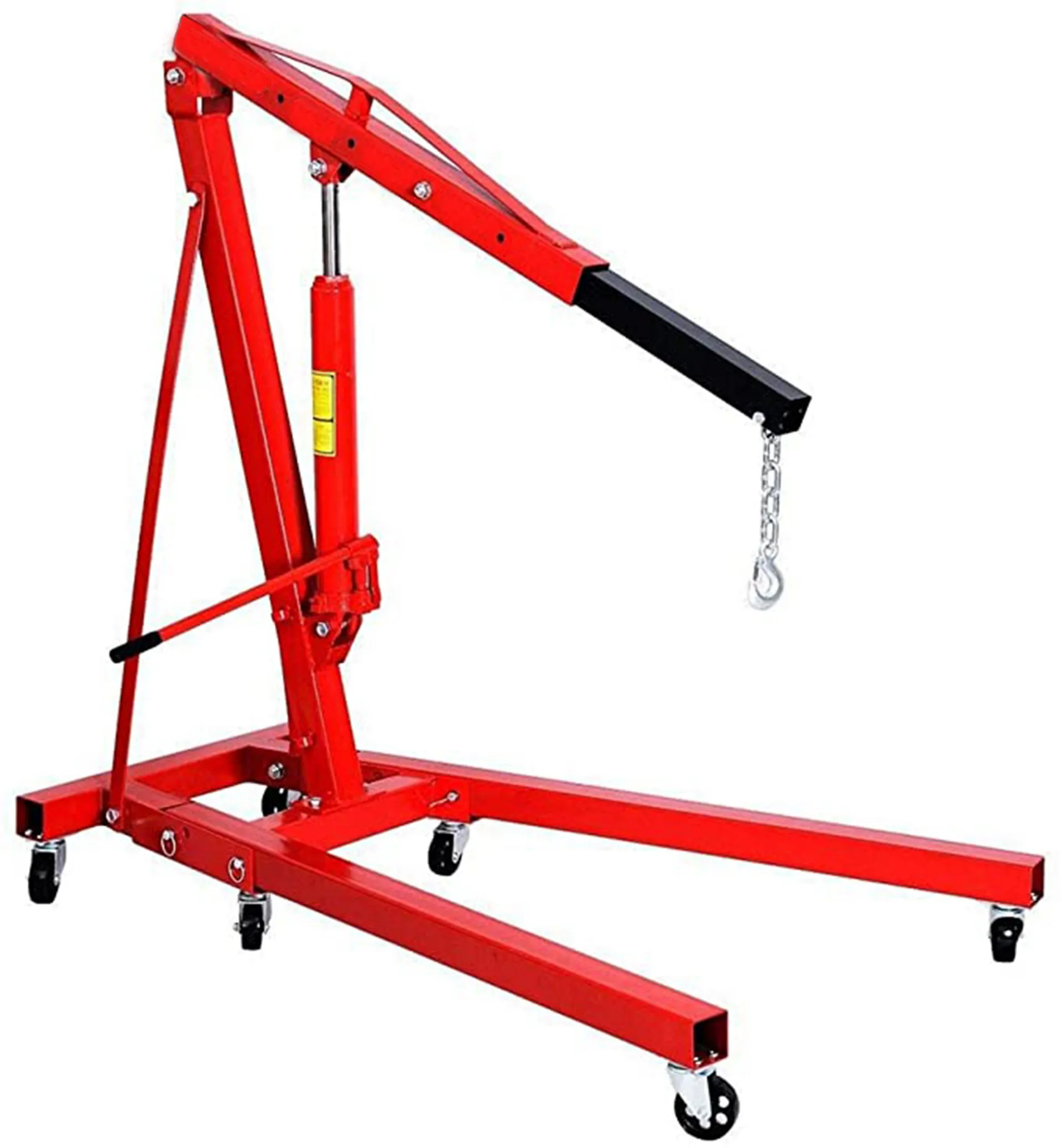
Engine floor cranes are specialized lifting devices employed within aircraft engine maintenance, repair, and overhaul (MRO) facilities, and heavy industrial settings requiring precise and controlled lifting of substantial weight. They differ significantly from general-purpose overhead cranes due to the demands of working within the confined spaces around engine casings and the critical need to avoid damage to sensitive engine components. Positioned within the industry chain as a core element of engine maintenance tooling, their performance directly influences maintenance turnaround time, safety, and the integrity of engine rebuilds. Core performance characteristics include load capacity, lifting height, rotational arc, precision of positioning, and safety features designed to mitigate the risk of dropped loads or collisions. The selection of an engine floor crane is paramount to ensuring efficient and reliable engine maintenance operations; improper selection can lead to significant cost overruns, safety hazards, and potential engine damage.
Material Science & Manufacturing
The primary structural material for engine floor cranes is high-strength low-alloy steel, specifically grades like ASTM A572 Grade 50. This material selection balances tensile strength (typically 50 ksi or 345 MPa) with weldability and cost-effectiveness. Critical components like the lifting hook and load-bearing members frequently utilize alloy steels such as AISI 4140, offering superior toughness and resistance to fatigue cracking. Manufacturing processes begin with steel plate forming via methods like rolling and pressing. The main boom and support structures are often fabricated through welding, employing shielded metal arc welding (SMAW) and gas metal arc welding (GMAW) processes. Welding parameter control, including preheat temperature, weld current, and cooling rate, is crucial to minimizing residual stress and preventing weld defects like porosity and cracking. The crane’s trolley and hoist mechanisms are frequently manufactured through precision machining of components like gears, shafts, and bearings. Bearing surfaces benefit from hardening treatments, such as case hardening or induction hardening, to enhance wear resistance. The surface finish of critical components is meticulously controlled through processes like grinding and polishing to minimize friction and ensure smooth operation. Furthermore, protective coatings, such as epoxy or polyurethane paints, are applied to prevent corrosion and extend the crane’s service life. Wire rope used for hoisting is typically constructed from high-strength steel alloys, undergoing rigorous quality control to verify load-bearing capacity and resistance to fatigue failure.

Performance & Engineering
Engine floor crane performance is fundamentally governed by principles of statics and structural mechanics. Force analysis focuses on ensuring that the crane's structure can withstand the maximum anticipated load, considering factors like dynamic loading (acceleration and deceleration of the load), impact forces, and wind loads. A critical engineering consideration is the stress distribution within the boom and support structures under load. Finite element analysis (FEA) is routinely employed to identify stress concentration points and optimize the design to minimize the risk of failure. Environmental resistance is crucial; MRO facilities can exhibit a wide range of temperatures and humidity levels. Corrosion protection is vital, particularly in environments exposed to jet fuel, cleaning solvents, and de-icing fluids. The design must also account for potential electrostatic discharge (ESD) hazards, particularly when handling sensitive electronic engine components. Compliance requirements are stringent, adhering to standards set by organizations like the Occupational Safety and Health Administration (OSHA) and relevant industry-specific guidelines. Lifting mechanisms incorporate redundant safety features, including overload protection devices, emergency stop buttons, and load moment indicators (LMIs) to prevent exceeding the crane's rated capacity. Precise positioning of the load is achieved through variable-speed drives and sophisticated control systems, allowing operators to maneuver the engine components with millimeter-level accuracy. The rotational arc of the crane is also a critical parameter, optimized to provide maximum accessibility within the engine bay.
Technical Specifications
| Parameter | Typical Value (Small Engine Crane) | Typical Value (Large Engine Crane) | Unit |
|---|---|---|---|
| Load Capacity | 5 | 25 | tons |
| Lifting Height | 3 | 8 | meters |
| Boom Length | 2 | 6 | meters |
| Rotation Angle | 180 | 360 | degrees |
| Trolley Travel Speed | 0.8 | 2.0 | m/min |
| Lifting Speed | 0.3 | 0.8 | m/min |
Failure Mode & Maintenance
Engine floor cranes are susceptible to several failure modes. Fatigue cracking is a common issue in high-stress areas like the boom and lifting hook, often initiated by microscopic defects or stress concentrations. Corrosion, particularly pitting corrosion, can weaken structural components over time, especially in harsh operating environments. Wear and tear on bearings, gears, and wire ropes can lead to reduced lifting capacity and operational inefficiencies. Delamination of protective coatings can accelerate corrosion and compromise the structural integrity of the crane. Overload conditions, even if infrequent, can induce plastic deformation and permanently reduce the crane’s load-bearing capacity. Maintenance protocols should include regular visual inspections for signs of cracking, corrosion, and wear. Non-destructive testing (NDT) methods, such as magnetic particle inspection (MPI) and ultrasonic testing (UT), are essential for detecting subsurface cracks. Lubrication of bearings and gears is critical to reducing friction and preventing premature wear. Wire rope inspections should be conducted by qualified personnel, examining for broken strands, kinking, and corrosion. Load testing should be performed periodically to verify the crane’s lifting capacity. Preventive maintenance schedules, based on manufacturer recommendations and operational usage, are crucial for maximizing the crane’s lifespan and ensuring its safe operation. Any detected defects should be addressed promptly through repair or replacement of the affected components.
Industry FAQ
Q: What is the significance of load moment indicator (LMI) systems on engine floor cranes?
A: Load moment indicators are critical safety devices that continuously monitor the crane's lifting capacity in relation to its boom angle and load radius. They prevent exceeding the crane's rated capacity, significantly reducing the risk of tip-over accidents. An LMI system provides real-time feedback to the operator, alerting them if the load is approaching or exceeding safe limits and, in many cases, automatically limiting crane movement.
Q: How does the operating environment impact the selection of wire rope for an engine floor crane?
A: The operating environment profoundly influences wire rope selection. Exposure to corrosive environments (e.g., jet fuel, cleaning solvents) necessitates the use of corrosion-resistant wire rope constructions, such as those with galvanized or stainless steel cores and strands. Temperature extremes can affect wire rope strength and flexibility, requiring materials that maintain their properties across the expected temperature range.
Q: What are the key considerations when performing non-destructive testing (NDT) on engine floor cranes?
A: Key considerations include selecting the appropriate NDT method for the specific defect being sought, ensuring proper surface preparation, and employing qualified and certified NDT personnel. Magnetic particle inspection (MPI) is effective for detecting surface and near-surface cracks in ferromagnetic materials, while ultrasonic testing (UT) can detect subsurface defects. Thorough documentation of NDT results is essential for maintaining a comprehensive maintenance record.
Q: How often should a complete inspection and load test be conducted on an engine floor crane?
A: The frequency of inspections and load tests should be determined based on the crane's usage intensity, the severity of the operating environment, and manufacturer recommendations. Generally, a comprehensive inspection should be performed annually, and a load test should be conducted every 12-24 months, or after any major repair or modification.
Q: What are the implications of using improper lifting slings or attachments with an engine floor crane?
A: Using improper lifting slings or attachments can drastically reduce the crane's lifting capacity and create significant safety hazards. Slings must be rated for the weight of the load and configured correctly to distribute the load evenly. Incorrectly sized or damaged slings can fail, leading to dropped loads and potential injuries. Attachments must be compatible with the lifting hook and properly secured to prevent disengagement.
Conclusion
Engine floor cranes represent a critical investment for any MRO facility or heavy industrial operation involved in engine maintenance. Their performance is intrinsically linked to material science principles, meticulous manufacturing processes, and adherence to stringent engineering standards. Selecting a crane with the appropriate load capacity, lifting height, and safety features is paramount to ensuring efficient, reliable, and safe engine handling.
Consistent and diligent maintenance, including regular inspections, non-destructive testing, and adherence to preventative maintenance schedules, is crucial for maximizing the crane’s lifespan and mitigating the risk of catastrophic failure. Ongoing training for crane operators and maintenance personnel is equally important to ensure that they are fully aware of safety procedures and best practices. By prioritizing these factors, organizations can maximize the return on their investment and ensure the long-term safe and efficient operation of their engine floor cranes.
