Introduction
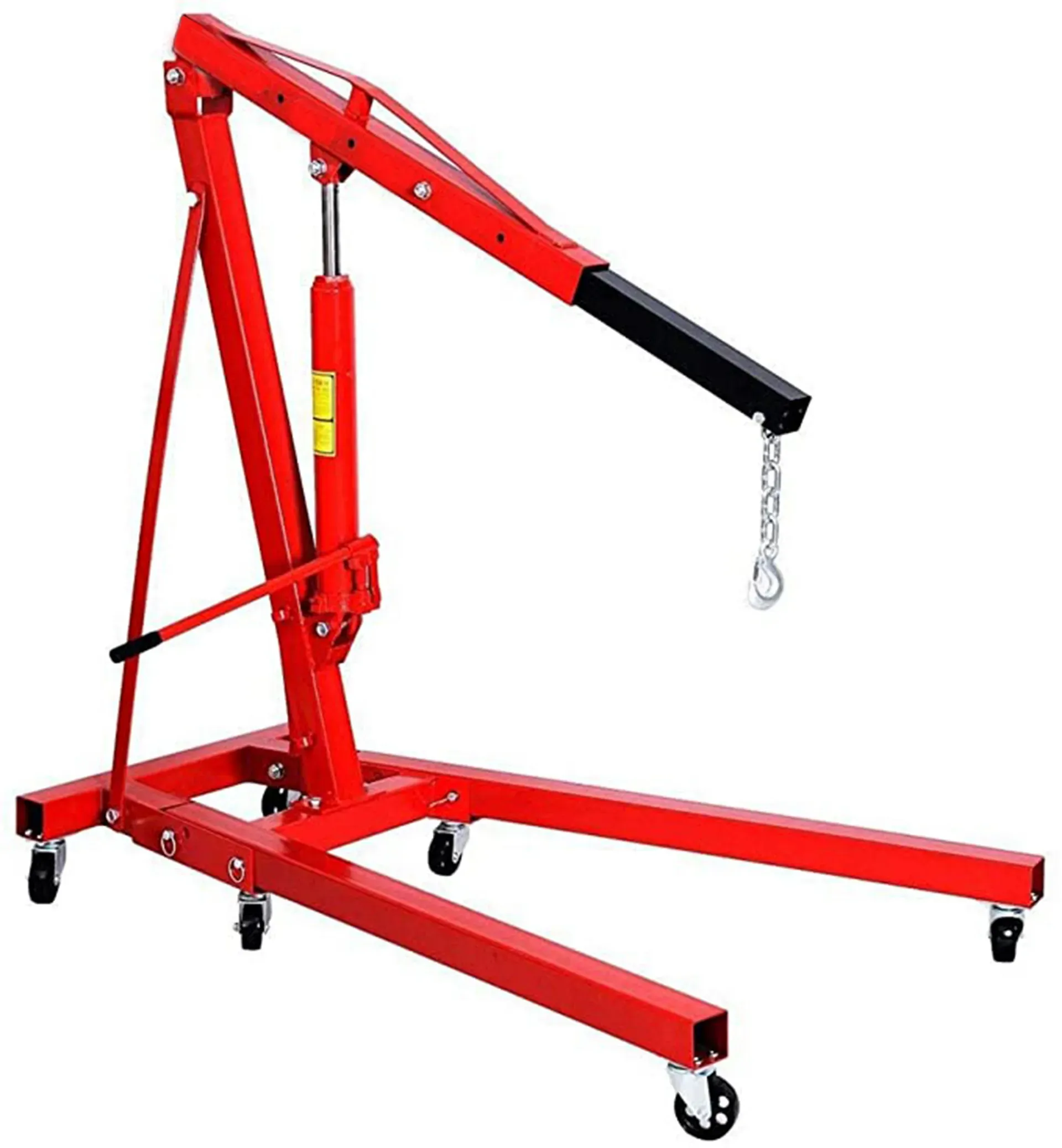
Engine holding bars, critical components in engine maintenance and overhaul processes, are specialized fixtures designed to securely support engine blocks and cylinder heads during disassembly, machining, and reassembly. Positioned within the broader context of automotive and aerospace manufacturing, repair, and overhaul (MRO) operations, these bars provide a rigid and stable platform, preventing distortion and facilitating precise work. Their core performance characteristics center on rigidity, dimensional accuracy, and the ability to withstand significant clamping forces without deformation. The selection of appropriate materials and manufacturing processes directly impacts the operational efficiency and quality of engine repair. A substandard holding bar can lead to engine component damage, inaccurate machining, and ultimately, engine failure. This guide provides a comprehensive technical overview of engine holding bars, covering material science, manufacturing, performance, failure modes, and relevant industry standards.
Material Science & Manufacturing
Engine holding bars are typically manufactured from high-strength alloy steels, primarily 4140 or 4340 chromium-molybdenum alloys. These alloys are chosen for their excellent tensile strength, yield strength, and hardenability. The raw material undergoes rigorous quality control, including chemical composition analysis (ASTM E350) and ultrasonic inspection to identify internal flaws. Manufacturing processes commonly involve CNC machining from forged or cast billets. Forged bars offer superior grain structure and mechanical properties compared to cast counterparts, leading to increased fatigue resistance. Critical surfaces requiring high precision, such as clamping interfaces and mounting points, are precision-ground to tight tolerances (IT Grade 6 or better). Heat treatment is a crucial step, involving hardening and tempering to achieve the desired balance of strength and ductility. The hardening process, typically involving quenching in oil, introduces martensite into the microstructure, increasing hardness. Tempering then reduces brittleness and enhances toughness. Stress relieving is also often employed to minimize residual stresses introduced during machining and heat treatment, reducing the risk of distortion during use. Surface finishing often includes black oxide coating or phosphate coating to provide corrosion resistance. Welding is generally avoided in critical load-bearing areas due to the potential for weld defects and stress concentrations. Parameter control during CNC machining – specifically cutting speed, feed rate, and depth of cut – is vital to maintain dimensional accuracy and surface finish. Coolant selection also significantly influences machining performance and tool life. The material’s carbon content influences weldability; higher carbon content alloys require pre- and post-weld heat treatments to prevent cracking.
Performance & Engineering
The performance of an engine holding bar is primarily dictated by its ability to withstand tensile and shear forces during engine support. Force analysis, often employing Finite Element Analysis (FEA), is critical during the design phase to identify stress concentrations and optimize bar geometry. The bar must prevent deformation under the weight of the engine and the clamping forces applied during machining operations. Buckling stability is also a key consideration, especially for longer bars. The clamping mechanism must distribute load evenly across the bar’s surface to avoid localized stresses. Material selection directly impacts the bar's stiffness, quantified by its Young's modulus. Higher Young's modulus materials resist deformation more effectively. Environmental resistance is another crucial performance factor. Engine repair environments often involve exposure to cutting fluids, coolants, and cleaning solvents. The bar material must be chemically compatible with these fluids to prevent corrosion or degradation. Compliance requirements are generally dictated by engine manufacturer specifications and industry best practices. Dimensional accuracy is paramount, ensuring proper alignment and preventing interference with engine components. The bar’s design must also facilitate easy access and operation, allowing technicians to quickly and securely position the engine. The mounting interfaces should be designed to minimize stress risers and maximize contact area. Fatigue life is also an important consideration, especially for bars used in high-volume repair facilities. Repeated loading and unloading can lead to fatigue cracking, ultimately compromising the bar’s structural integrity.
Technical Specifications
| Material | Tensile Strength (MPa) | Yield Strength (MPa) | Hardness (HRC) | Maximum Load Capacity (kg) | Weight (kg) |
|---|---|---|---|---|---|
| 4140 Steel (Heat Treated) | 860 - 1030 | 690 - 820 | 30-35 | 500 | 15 |
| 4340 Steel (Heat Treated) | 930 - 1100 | 760 - 900 | 32-38 | 600 | 18 |
| Cast Iron (Grade 60-40) | 480 - 620 | 275 - 415 | 18-24 | 300 | 20 |
| Aluminum Alloy (7075-T6) | 570 - 620 | 500 - 550 | 28-34 | 200 | 8 |
| Stainless Steel (304) | 517 - 724 | 205 - 276 | 20-25 | 400 | 16 |
| Stainless Steel (316) | 586 - 790 | 241 - 310 | 22-28 | 450 | 17 |
Failure Mode & Maintenance
Engine holding bars are susceptible to several failure modes. Fatigue cracking, initiated by repeated loading and unloading, is a common issue, particularly around stress concentration points like mounting holes and clamping surfaces. Corrosion, especially pitting corrosion from exposure to corrosive fluids, can weaken the material and initiate cracks. Overloading, exceeding the bar’s maximum load capacity, can cause immediate yielding or fracture. Dimensional inaccuracies resulting from improper machining or heat treatment can lead to uneven load distribution and premature failure. Delamination can occur in composite materials used in some specialized applications. Oxidation, at elevated temperatures, can affect surface properties and reduce material strength. Maintenance procedures include regular visual inspection for cracks, corrosion, and deformation. Non-destructive testing (NDT) methods, such as dye penetrant inspection and ultrasonic testing, can detect subsurface flaws. Clamping surfaces should be cleaned regularly to remove debris and ensure proper load distribution. Lubrication of threaded connections prevents seizing and facilitates easy operation. Any bar exhibiting signs of damage should be removed from service immediately. Periodic calibration of clamping mechanisms ensures accurate load application. It is crucial to adhere to manufacturer’s recommended maintenance schedules and load limits. Record-keeping of inspections and maintenance activities is essential for tracking bar performance and identifying potential issues.
Industry FAQ
Q: What material offers the best balance of strength and cost for a general-purpose engine holding bar?
A: 4140 steel, properly heat-treated, provides an excellent balance of tensile strength, yield strength, and cost-effectiveness. It is widely used in engine holding bar applications and offers good resistance to fatigue and wear. While 4340 steel offers superior strength, the cost increase may not be justified for general-purpose applications.
Q: How does heat treatment affect the performance of an engine holding bar?
A: Heat treatment is critical. Hardening increases surface hardness and wear resistance, while tempering improves toughness and reduces brittleness. Improper heat treatment can result in a bar that is either too brittle and prone to cracking or too soft and prone to deformation. Stress relieving minimizes residual stresses that can lead to distortion during use.
Q: What are the risks associated with using a damaged engine holding bar?
A: Using a damaged bar poses significant risks. Cracks or deformation can lead to engine component damage during machining, inaccurate alignment, and potential engine failure after reassembly. It also creates a safety hazard for technicians. A compromised bar can fail catastrophically under load.
Q: What level of dimensional accuracy is required for engine holding bar mounting surfaces?
A: Mounting surfaces should be machined to tight tolerances, typically IT Grade 6 or better. This ensures proper alignment with engine components and prevents interference. Inaccuracies can lead to uneven load distribution and increased stress concentrations.
Q: What inspection methods are recommended for detecting flaws in engine holding bars?
A: Visual inspection for cracks, corrosion, and deformation should be performed regularly. Non-destructive testing (NDT) methods, such as dye penetrant inspection and ultrasonic testing, are recommended for detecting subsurface flaws that are not visible to the naked eye. Magnetic particle inspection can also be used for detecting surface cracks in ferromagnetic materials.
Conclusion
Engine holding bars represent a crucial, yet often overlooked, component within engine maintenance and manufacturing workflows. Their performance is fundamentally linked to material selection, precise manufacturing processes, and rigorous quality control. The appropriate choice of alloy steel, coupled with optimized heat treatment, is paramount to achieving the required strength, ductility, and fatigue resistance. Consistent adherence to recommended maintenance procedures, including regular inspection and NDT, is essential for ensuring the long-term reliability and safety of these critical fixtures.
Future developments may focus on the incorporation of advanced materials, such as high-strength aluminum alloys or composite materials, to reduce weight and improve corrosion resistance. Further advancements in FEA modeling and simulation will enable the design of even more optimized bar geometries. Standardization of inspection protocols and the development of automated inspection systems will contribute to improved quality control and reduced failure rates. Continuous improvement in these areas will be vital to meeting the evolving demands of the automotive and aerospace industries.
