Introduction
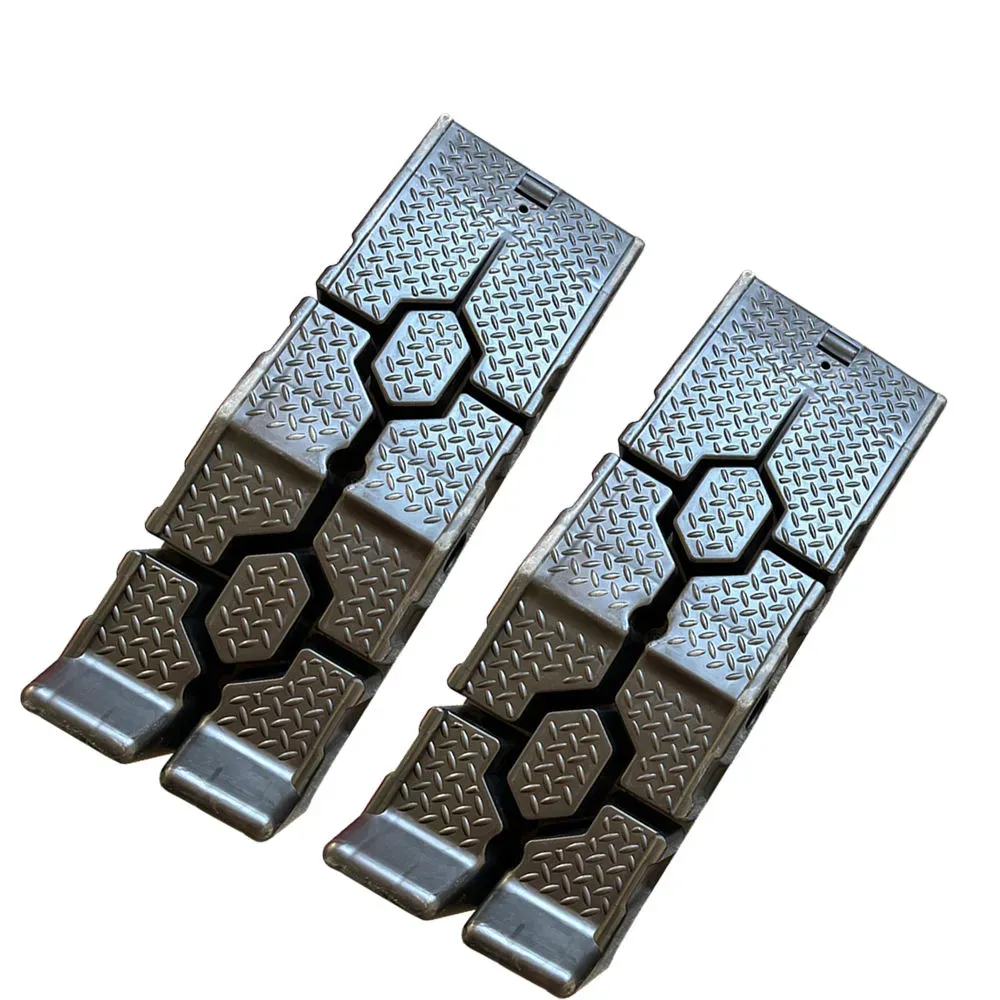
Floor jacks and jack stands are critical components in automotive maintenance and repair, falling squarely within the realm of lifting and positioning equipment. While seemingly simple, their engineering and material science are deeply intertwined with safety and operational efficacy. This guide details the construction, performance characteristics, potential failure modes, and proper maintenance procedures for these essential tools. Their position within the automotive service chain is fundamental; they enable access to vehicle undercarriage components for inspection, repair, and replacement. Core performance metrics revolve around load capacity, lift range, stability, and adherence to rigorous safety standards. A primary industry pain point is the continued occurrence of incidents stemming from improper use, substandard construction materials, or inadequate maintenance, leading to vehicle damage and, critically, personnel injury. This document aims to provide a comprehensive technical understanding to mitigate these risks.
Material Science & Manufacturing
Floor jacks typically utilize high-strength steel alloys, specifically AISI 1045 or equivalent carbon steels, for critical components like the lift arm, pump cylinder, and base. These materials are selected for their yield strength (typically >350 MPa), tensile strength (typically >600 MPa), and weldability. The hydraulic fluid commonly employed is a mineral oil-based fluid, often with viscosity ranging from 32 to 46 cSt at 40°C, designed for consistent performance across a broad temperature range. Jack stands are often constructed from stamped steel (again, often AISI 1045) for the base and support saddle, with supporting columns fabricated from welded steel tubing. Manufacturing processes for floor jacks involve deep drawing for the jack casing, precision machining of the pump cylinder and piston, and robust welding procedures for critical joints. Quality control focuses on non-destructive testing (NDT) methods like ultrasonic testing and magnetic particle inspection to detect flaws in welds. Jack stand manufacturing involves stamping, welding, and a phosphate coating for corrosion resistance. Parameter control during welding is paramount; excessive heat input can compromise the steel's heat-affected zone, reducing its strength. Similarly, the precision of the stamped steel components directly influences the jack stand’s load-bearing capacity and stability. The quality of the hydraulic seals (typically nitrile rubber) is crucial; degradation of these seals leads to pressure loss and functional failure.
Performance & Engineering
The performance of a floor jack and jack stand system is dictated by several key engineering principles. The hydraulic system's efficiency – the ratio of output force to input force – is crucial. This is governed by Pascal's Law and the precise machining tolerances of the pump cylinder and piston. Force analysis requires considering the load distribution across the jack stand’s base, ensuring the ground’s compressive strength is not exceeded. Stability is paramount; jack stands must resist overturning moments induced by off-center loads. This is addressed through a wide base design and low center of gravity. Environmental resistance is another critical factor. Exposure to corrosive elements (road salt, moisture) can accelerate material degradation. Coatings, such as powder coating or zinc plating, are applied to mitigate corrosion. Compliance requirements vary by region. In the US, ASME/ANSI B107.1 standards govern the design, construction, and testing of hydraulic jacks and jack stands. These standards mandate minimum load capacities, safety factors, and testing procedures. Functional implementation requires careful consideration of the vehicle's weight distribution and lifting points. Incorrect placement can lead to instability and damage. The locking mechanism of the jack stand must reliably engage and prevent accidental lowering. Redundant locking systems are often employed to enhance safety.
Technical Specifications
| Parameter | Floor Jack (2 Ton Capacity) | Jack Stand (2 Ton Capacity - Pair) | Material |
|---|---|---|---|
| Load Capacity | 2000 kg (4400 lbs) | 2000 kg (4400 lbs) per stand | AISI 1045 Steel |
| Lift Range | 135 mm - 535 mm | 1150 mm - 1600 mm (adjustable height) | Nitrile Rubber (Seals) |
| Hydraulic Fluid Type | ISO VG 32 Hydraulic Oil | N/A | Zinc Plating (Coating) |
| Base Width | 230 mm | 180 mm | Powder Coating (Coating) |
| Net Weight | 35 kg | 10 kg (pair) | Carbon Steel |
| Safety Standard Compliance | ASME/ANSI B107.1 | ASME/ANSI B107.1 | N/A |
Failure Mode & Maintenance
Floor jacks and jack stands are susceptible to several failure modes. Fatigue cracking can occur in the lift arm or jack stand column due to repeated stress cycles. This is often initiated at stress concentration points, such as weld joints. Hydraulic seal failure leads to pressure loss and inability to maintain lift. Corrosion, particularly in environments with high salt concentration, can weaken structural components. Jack stand pawl mechanisms can fail due to wear or debris accumulation, resulting in the stand collapsing. For floor jacks, air ingress into the hydraulic system can cause spongy operation and reduced lifting capacity. Maintenance is crucial to prevent these failures. Regularly inspect the jack for leaks, damaged hoses, and corrosion. Lubricate moving parts with a suitable grease. Check the hydraulic fluid level and top up as needed, using the specified fluid type. For jack stands, inspect the pawl mechanism for smooth operation and wear. Clean the stands regularly to remove dirt and debris. Never exceed the rated load capacity. Do not use jack stands on uneven surfaces. Always engage the parking brake and chock the wheels before lifting a vehicle. Periodically perform a visual inspection of welds for signs of cracking. Replace any damaged or worn components immediately.
Industry FAQ
Q: What is the significance of the safety factor in jack and jack stand design?
A: The safety factor represents the ratio of the ultimate load capacity to the working load limit. It accounts for uncertainties in material properties, manufacturing tolerances, and dynamic loading conditions. A higher safety factor (typically 2:1 or greater) provides a greater margin of safety, reducing the risk of failure. Standards like ASME/ANSI B107.1 mandate minimum safety factors for these products.
Q: How does temperature affect hydraulic fluid performance in a floor jack?
A: Temperature significantly impacts hydraulic fluid viscosity. Lower temperatures increase viscosity, potentially slowing down operation and increasing internal resistance. Higher temperatures decrease viscosity, potentially leading to leakage and reduced efficiency. Hydraulic fluids are formulated to maintain consistent viscosity within a specified temperature range. Regular fluid changes are recommended to maintain optimal performance.
Q: What are the common causes of jack stand instability?
A: Instability often arises from uneven ground surfaces, exceeding the rated load capacity, or off-center loading. A wide base and low center of gravity are designed to enhance stability, but these features are compromised if the stand is improperly positioned or overloaded. Ensuring a solid, level surface and proper load distribution are paramount.
Q: What type of steel is best suited for manufacturing jack stands to maximize durability?
A: AISI 1045 carbon steel is a common choice due to its high yield strength, tensile strength, and weldability. However, other alloy steels with improved corrosion resistance or higher strength properties can also be utilized. The steel must be appropriately heat-treated to achieve the desired mechanical properties.
Q: How often should hydraulic fluid be replaced in a floor jack?
A: Hydraulic fluid should be replaced every 2-3 years, or more frequently if the jack is heavily used or exposed to contaminants. Contamination with dirt, moisture, or metal particles can degrade the fluid's performance and damage internal components. Regular fluid changes extend the jack’s lifespan and ensure reliable operation.
Conclusion
Floor jacks and jack stands are engineered lifting devices demanding meticulous attention to material selection, manufacturing processes, and proper usage. Their functionality hinges on principles of hydraulics, statics, and material strength. Failure to adhere to safety guidelines and maintenance protocols can lead to catastrophic consequences. Understanding the inherent failure modes – fatigue cracking, seal degradation, and corrosion – is critical for proactive maintenance and hazard mitigation.
Continued advancements in materials science, such as the development of higher-strength steel alloys and improved hydraulic fluid formulations, will further enhance the safety and performance of these tools. Strict adherence to industry standards (ASME/ANSI B107.1) and ongoing training for users remain paramount to minimizing risk and ensuring a safe working environment. The industry's focus on redundant safety features and robust quality control procedures is essential for maintaining public trust and preventing accidents.
