Introduction
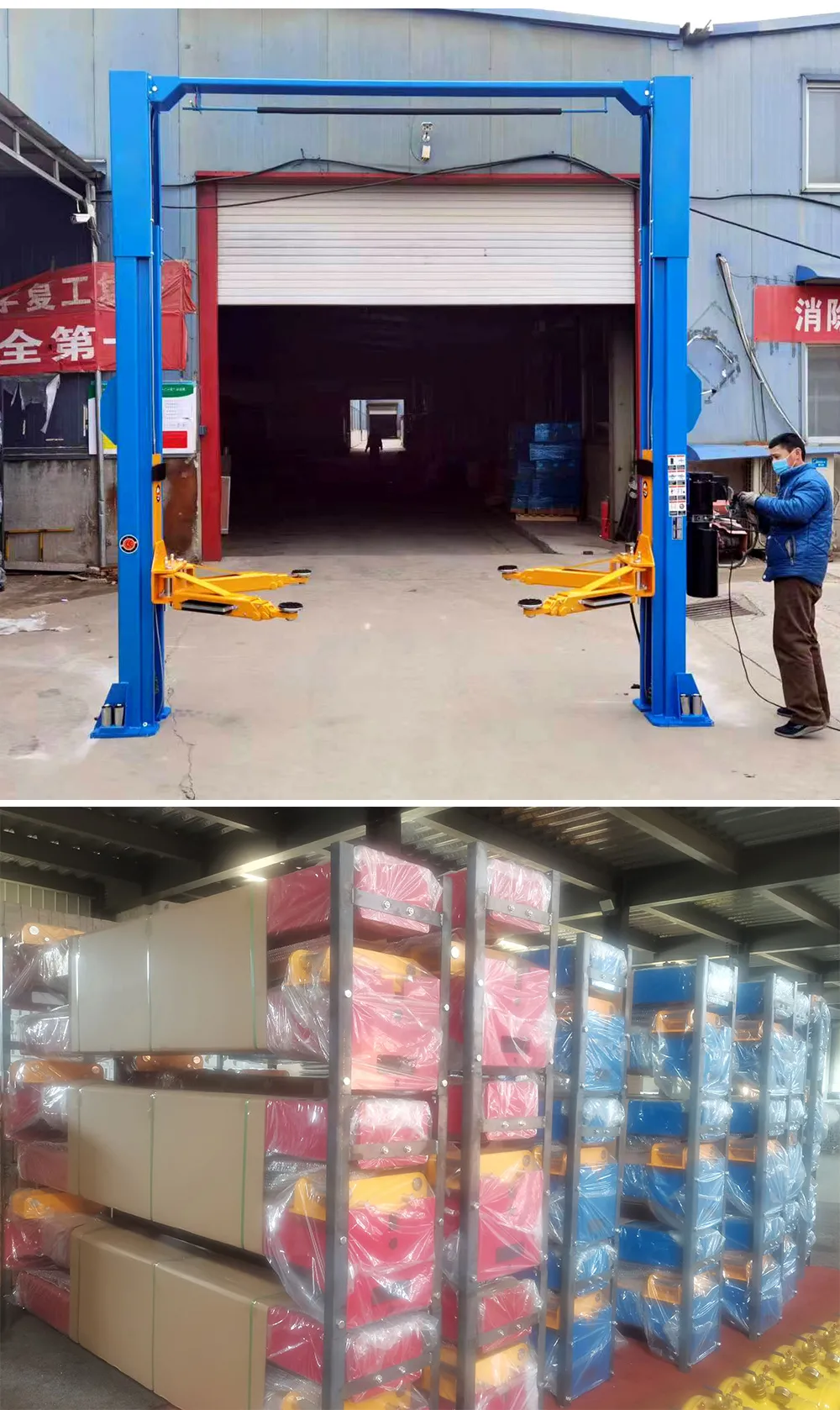
Automotive floor stands, also known as service lifts or vehicle support stands, are critical components within automotive maintenance and repair facilities. Positioned within the broader industry chain of vehicle service equipment, they represent a fundamental safety and operational necessity. Unlike more complex lifting systems such as two-post or four-post lifts, floor stands provide focused, adjustable support for specific vehicle areas during tasks like tire changes, brake work, or undercarriage inspections. Core performance characteristics revolve around load capacity, stability under load, height adjustability, and footprint dimensions. A significant pain point within the industry stems from ensuring these stands consistently meet stringent safety regulations and preventing catastrophic failure due to material defects, improper usage, or inadequate maintenance. The increasing weight of modern vehicles, including electric vehicles (EVs) with heavy battery packs, further amplifies the demand for robust and reliable floor stand designs.
Material Science & Manufacturing
The predominant material for automotive floor stands is high-strength steel, specifically grades like AISI 1045 or equivalent EN 10083-2 S355J2. These steels offer a balance of tensile strength, yield strength, and weldability crucial for structural integrity. Manufacturing typically involves a combination of processes. The primary structural components – the base, support column, and saddle – are often formed through hot-rolling or cold-drawn steel tubing. Welding is extensively used to join these components, employing Shielded Metal Arc Welding (SMAW) or Gas Metal Arc Welding (GMAW) processes. Critical welding parameters, including amperage, voltage, and travel speed, are meticulously controlled to ensure complete penetration and minimize weld defects like porosity or undercut. The saddle, the point of contact with the vehicle, frequently incorporates hardened steel inserts or polymer pads (typically polyurethane) to prevent damage to the vehicle’s undercarriage and enhance grip. Ratcheting mechanisms, used for height adjustment, are often manufactured from case-hardened steel to resist wear and deformation under repeated use. Powder coating is standard for corrosion protection, with surface preparation – including sandblasting – being a critical step for adhesion. Chemical compatibility of the powder coat with the underlying steel is paramount to prevent premature failure. Regular Non-Destructive Testing (NDT) methods, such as ultrasonic testing (UT) and magnetic particle inspection (MPI), are employed to verify weld integrity during quality control.
Performance & Engineering
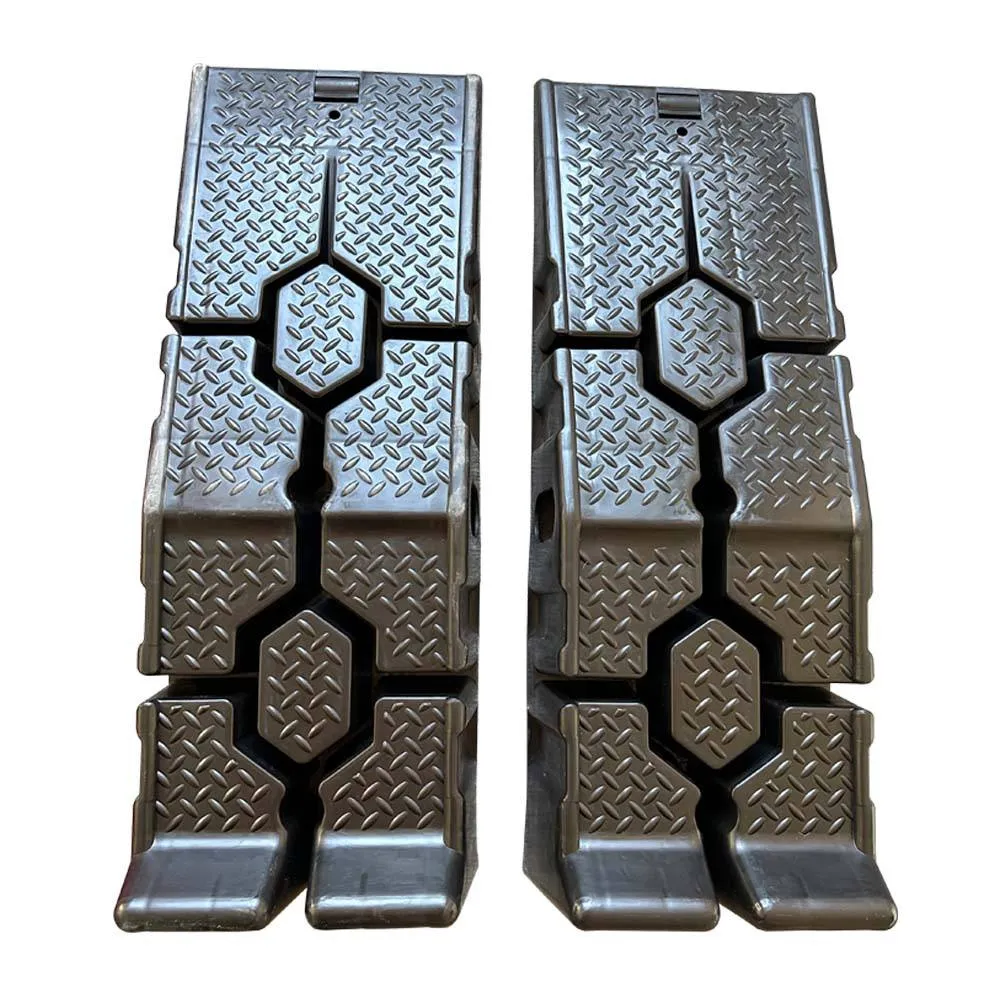
Performance evaluation of floor stands centers around static load testing and dynamic load testing. Static load tests involve applying a load equal to or exceeding the rated capacity of the stand and maintaining it for a specified duration (typically 24-48 hours) to assess for permanent deformation or failure. Dynamic load testing simulates real-world usage conditions, including repeated loading and unloading cycles, and potentially introducing shock loads to evaluate fatigue resistance. Force analysis employs Finite Element Analysis (FEA) to model stress distribution under various loading scenarios, identifying potential weak points in the design. Stability is a key concern; the base of the stand must be sufficiently wide and the center of gravity low enough to prevent tipping. Environmental resistance is crucial, particularly resistance to corrosion from road salts, fluids, and humidity. Compliance requirements are heavily influenced by standards such as ASME B30.23 for personnel lifts, though specific regulations for floor stands vary by region. Functional implementation involves a robust locking mechanism to prevent accidental lowering of the stand. The ratcheting mechanism must provide distinct and positive engagement points, and the release lever must be easily accessible and operable.
Technical Specifications
| Parameter | Unit | Typical Value (Standard Duty) | Typical Value (Heavy Duty) |
|---|---|---|---|
| Rated Capacity | tons | 3 | 6 |
| Minimum Height | inches | 15 | 18 |
| Maximum Height | inches | 72 | 84 |
| Base Diameter | inches | 16 | 20 |
| Steel Grade (Base/Column) | - | AISI 1045 | AISI 1045 |
| Weight | lbs | 65 | 95 |
Failure Mode & Maintenance
Common failure modes for automotive floor stands include weld cracking, typically originating at points of high stress concentration. Fatigue cracking can occur in the support column or saddle due to repeated loading cycles, particularly if the stand is consistently overloaded. Delamination of the saddle surface, if a polymer pad is used, can reduce grip and increase the risk of slippage. Corrosion, particularly in environments exposed to road salts, can weaken the steel structure. Oxidation of the ratcheting mechanism can hinder smooth operation. Preventive maintenance is crucial. Regular inspection should include visual checks for weld defects, cracks, corrosion, and damage to the saddle. Lubrication of the ratcheting mechanism is essential for smooth operation. Periodic load testing (though not always practical in a shop environment) can verify continued functionality. If cracks are detected, the stand should be immediately removed from service. Weld repairs should only be performed by qualified welders using appropriate welding procedures. Proper storage in a dry environment can mitigate corrosion. Strict adherence to the manufacturer's rated capacity is paramount to prevent overload-induced failure.
Industry FAQ
Q: What is the most critical safety feature of a floor stand?
A: The most critical safety feature is a robust and reliable locking mechanism. This mechanism must prevent accidental lowering of the stand while under load. A positive, multi-point ratcheting system with clear engagement indicators is essential. Regular inspection of the locking mechanism is paramount.
Q: How does the weight of electric vehicles (EVs) affect floor stand selection?
A: EVs typically weigh significantly more than internal combustion engine (ICE) vehicles due to the heavy battery packs. This necessitates the use of heavy-duty floor stands with higher rated capacities. Using standard-duty stands for EVs poses a significant safety risk.
Q: What type of steel is generally recommended for floor stand construction?
A: High-strength, low-alloy steel such as AISI 1045 or equivalent EN 10083-2 S355J2 is commonly used. This provides a good balance of strength, weldability, and cost-effectiveness. The steel should undergo appropriate heat treatment for enhanced durability.
Q: What are the potential consequences of using a damaged or corroded floor stand?
A: Using a damaged or corroded floor stand can lead to catastrophic failure, resulting in serious injury or death. Corrosion weakens the steel structure, while cracks compromise its load-bearing capacity. Regular inspection and prompt replacement of damaged stands are essential.
Q: How important is the surface finish (e.g., powder coating) on a floor stand?
A: The surface finish, particularly powder coating, is critical for corrosion protection. A well-applied powder coat protects the steel from exposure to road salts, fluids, and humidity, significantly extending the stand's lifespan. Proper surface preparation prior to powder coating is essential for adhesion.
Conclusion
Automotive floor stands are foundational pieces of equipment in vehicle maintenance, demanding a high degree of engineering rigor and material selection. The performance of these stands directly impacts workshop safety and operational efficiency. The increasing weight of modern vehicles and the prevalence of corrosive environments necessitate a focus on robust construction, high-quality materials, and diligent maintenance practices.
Future developments will likely focus on incorporating smart technologies, such as load sensors and remote monitoring capabilities, to further enhance safety and prevent overloading. Furthermore, advancements in material science may lead to the adoption of lighter, yet equally strong, materials to reduce the overall weight of the stands themselves. Continuous adherence to evolving safety standards and rigorous quality control procedures are crucial for maintaining the integrity and reliability of these vital tools.
