Introduction
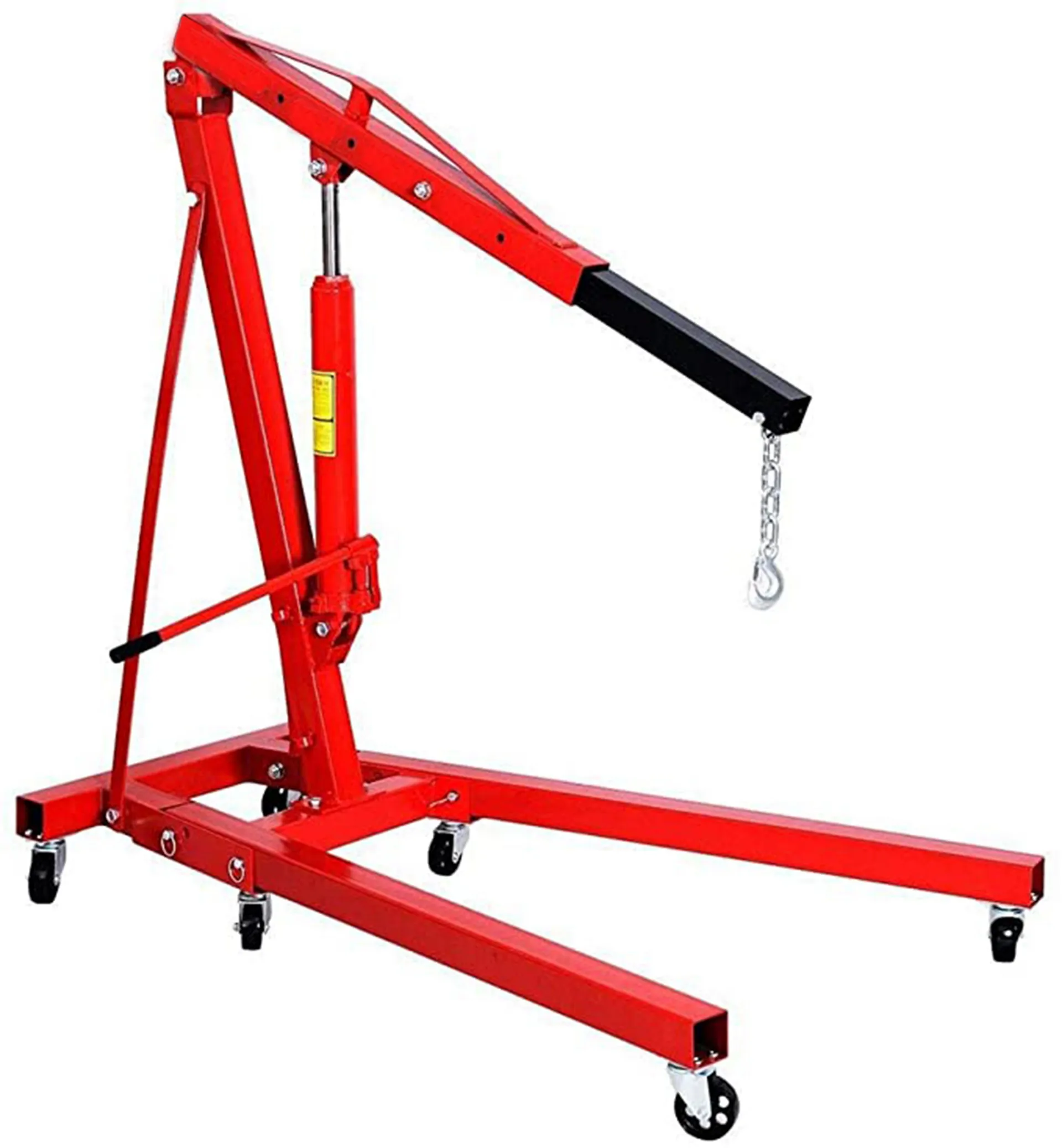
Foldable engine cranes represent a significant advancement in lifting equipment for automotive repair, heavy machinery maintenance, and industrial applications. Positioned within the material handling equipment sector, specifically the lifting and positioning sub-segment, these cranes address a critical need for versatile and space-saving solutions. Unlike traditional fixed-boom engine cranes, foldable models prioritize portability and storage efficiency without compromising lifting capacity. Core performance characteristics are defined by their rated capacity (typically ranging from 2 tons to 6 tons), maximum lifting height, boom reach, and the structural integrity of the folding mechanism. A key pain point in the industry is the limited workspace often encountered in automotive repair shops and maintenance facilities. Foldable engine cranes directly mitigate this issue, offering a powerful lifting solution that can be readily stored when not in use, optimizing floor space and workflow.
Material Science & Manufacturing
The construction of a foldable engine crane relies on a carefully selected combination of materials, primarily carbon steel for structural components and high-strength alloy steel for critical load-bearing elements. The primary material, typically ASTM A36 grade carbon steel, is chosen for its balance of tensile strength, weldability, and cost-effectiveness. Alloy steel, such as 4140 or similar, is utilized in components like the boom sections, folding joints, and lifting hooks where increased yield strength and resistance to fatigue cracking are paramount. Manufacturing processes begin with steel plate cutting and forming, utilizing CNC laser cutting and hydraulic presses to achieve precise dimensions. The boom sections are typically fabricated through a welding process – specifically shielded metal arc welding (SMAW) or gas metal arc welding (GMAW) – performed by certified welders adhering to AWS D1.1 standards. Critical weld joints undergo non-destructive testing (NDT), including ultrasonic testing (UT) and radiographic testing (RT), to ensure structural integrity and detect any subsurface defects. The folding mechanism incorporates precision-machined pivot points and locking mechanisms. Heat treatment processes, such as quenching and tempering, are applied to alloy steel components to optimize hardness and toughness. Surface finishing includes powder coating or industrial enamel paint to provide corrosion resistance and durability. Parameter control during manufacturing includes strict monitoring of welding parameters (voltage, amperage, travel speed), heat treatment temperatures, and dimensional tolerances to ensure consistent product quality and performance.
Performance & Engineering
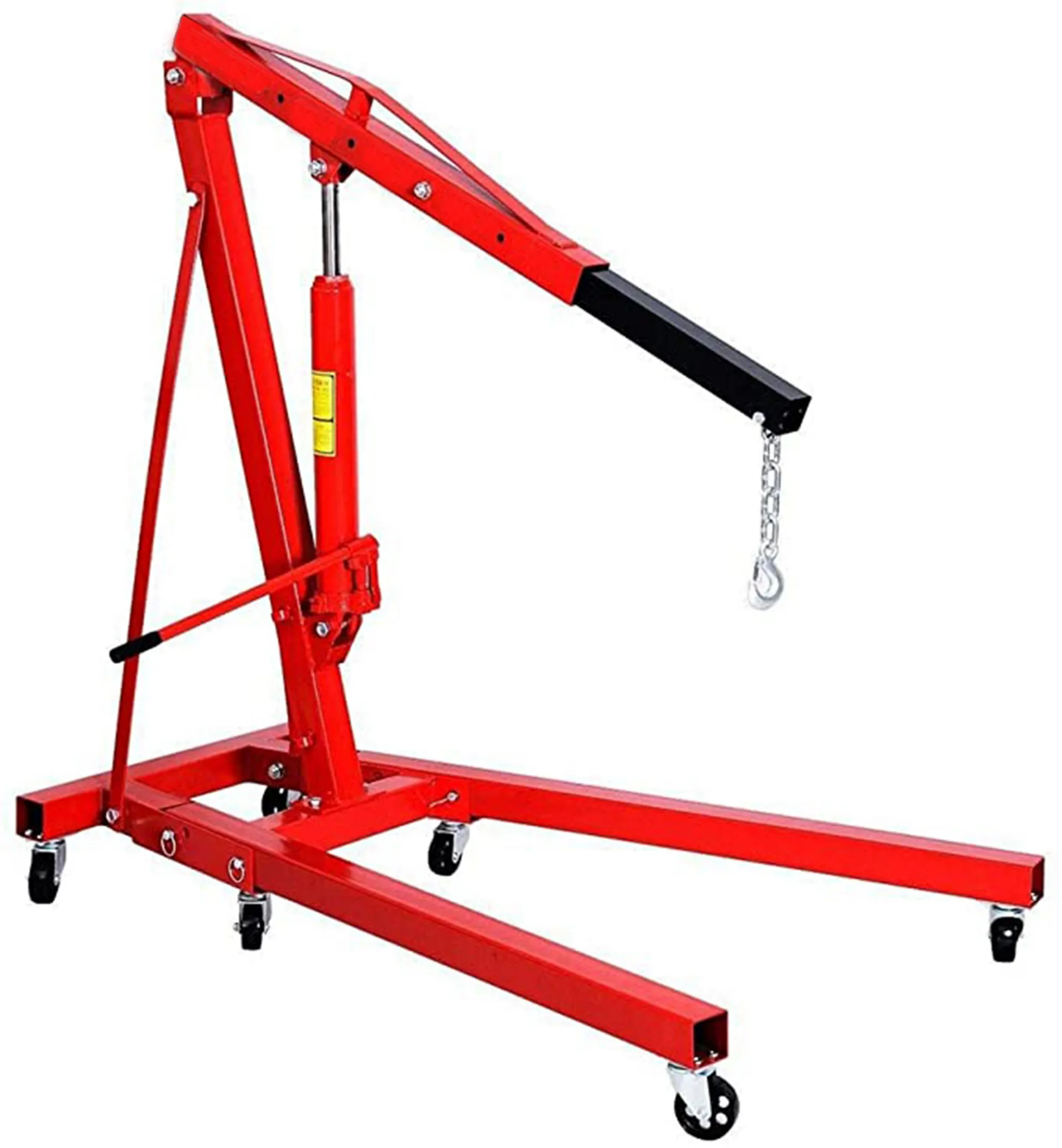
The performance of a foldable engine crane is governed by fundamental principles of structural mechanics and load distribution. Force analysis is crucial during the design phase, employing Finite Element Analysis (FEA) software to simulate stress concentrations under various loading conditions. The boom, acting as a cantilever beam, experiences maximum bending moment and shear force at its base. The folding mechanism introduces additional stress points, requiring careful design of pivot joints and locking mechanisms to withstand repeated loading and unloading cycles. Environmental resistance is a significant concern. Engine cranes operating in automotive workshops are exposed to corrosive fluids like oil, coolant, and cleaning agents. Therefore, materials selection and surface coatings must prioritize corrosion prevention. Compliance requirements are dictated by OSHA (Occupational Safety and Health Administration) regulations in the US and equivalent standards in other regions. These regulations mandate load testing, inspection procedures, and operator training. The hydraulic system, responsible for lifting and lowering operations, requires meticulous engineering to ensure smooth, controlled movement and prevent hydraulic fluid leaks. Safety features, such as overload protection valves and emergency stop mechanisms, are integral to the design. Functional implementation includes a robust lifting hook with a safety latch, a stable base with lockable casters, and an ergonomic handle for maneuvering the crane.
Technical Specifications
| Capacity (Tons) | Maximum Lifting Height (ft) | Boom Reach (ft) | Folded Dimensions (in) |
|---|---|---|---|
| 2 | 8.5 | 5 | 45 x 25 x 60 |
| 3 | 9.8 | 6 | 50 x 30 x 65 |
| 4 | 11.5 | 7 | 55 x 35 x 70 |
| 5 | 13.1 | 8 | 60 x 40 x 75 |
| 6 | 14.8 | 9 | 65 x 45 x 80 |
| 2.5 | 10.5 | 5.5 | 48 x 28 x 62 |
Failure Mode & Maintenance
Foldable engine cranes, while robust, are susceptible to several failure modes. Fatigue cracking is a common concern in the boom sections, particularly at weld joints, due to repeated stress cycles. This can be mitigated through proper weld quality control, NDT inspection, and regular visual inspections for crack initiation. Delamination can occur in painted or coated surfaces due to inadequate surface preparation or coating application, leading to corrosion. Hydraulic system failures, including pump malfunctions, cylinder leaks, and hose ruptures, can compromise lifting capability. Degradation of hydraulic fluid due to contamination or age can also reduce performance and cause component wear. Oxidation of steel components, especially in corrosive environments, leads to rust and weakening of structural integrity. The folding mechanism is prone to wear and tear on pivot points and locking mechanisms, resulting in instability or difficulty in folding/unfolding the crane. Preventative maintenance is crucial. This includes regular lubrication of pivot points and moving parts, hydraulic fluid level checks and filter replacements (every 6-12 months), visual inspection for cracks, corrosion, and damaged components, and periodic load testing to verify lifting capacity. Weld joints should be inspected annually using dye penetrant testing or ultrasonic testing. Damaged or worn components should be replaced immediately to prevent catastrophic failure. Proper storage in a dry environment will minimize corrosion.
Industry FAQ
Q: What is the primary difference between a standard engine crane and a foldable engine crane in terms of structural integrity?
A: While both types adhere to the same overall safety standards, foldable engine cranes require a more sophisticated engineering approach to the folding mechanism. The increased number of joints and moving parts necessitates a higher level of precision in manufacturing and material selection to ensure that the folding process doesn't compromise the crane's load-bearing capacity. Additional FEA simulations are conducted to validate the structural integrity of the folding linkages under dynamic loads.
Q: How does the hydraulic system in a foldable engine crane compare to those in larger, industrial cranes?
A: The hydraulic systems in foldable engine cranes are generally smaller and operate at lower pressures compared to larger industrial cranes. However, the principles remain the same – utilizing hydraulic fluid to generate force for lifting and lowering. The key differences lie in the component sizing and control systems. Foldable cranes typically employ a simpler hydraulic circuit with fewer control valves and a smaller pump capacity, optimized for the specific lifting requirements.
Q: What are the key considerations when selecting a foldable engine crane's capacity based on the typical engine weights it will handle?
A: A safety factor is paramount. The crane's rated capacity should always exceed the maximum weight of the engine it will be lifting. A minimum safety factor of 1.25 to 1.5 is recommended. Furthermore, consider the weight of any lifting attachments (engine stands, chains, etc.) that will be added to the load. Overestimating capacity is preferable to risking overload and potential failure.
Q: What maintenance procedures are critical to ensure the longevity of the folding mechanism on these cranes?
A: Regular lubrication of all pivot points is the most crucial maintenance task. This prevents friction and wear, ensuring smooth folding and unfolding operation. Inspect the locking mechanisms frequently to ensure they are engaging properly and securely. Periodically check for any signs of looseness or deformation in the folding linkages. Cleaning the mechanism to remove dirt and debris is also important.
Q: What are the common challenges related to corrosion prevention in foldable engine cranes operating in automotive repair environments?
A: Automotive repair environments expose cranes to a variety of corrosive substances including engine oil, coolant, brake fluid, and cleaning solvents. Proper surface preparation before painting or powder coating is essential. Utilizing corrosion-resistant coatings (epoxy-based paints or powder coats) provides an initial layer of protection. Regular cleaning to remove corrosive contaminants and periodic re-application of protective coatings can extend the crane’s lifespan.
Conclusion
Foldable engine cranes represent a practical and efficient solution for lifting and positioning heavy components in environments where space is at a premium. Their design leverages principles of structural mechanics and materials science to deliver reliable performance and durability. Proper material selection, meticulous manufacturing processes adhering to industry standards, and consistent preventative maintenance are vital to ensuring longevity and preventing premature failure.
Looking ahead, advancements in materials, such as high-strength low-alloy (HSLA) steels and lightweight composites, could lead to even more robust and portable foldable crane designs. Integrating smart technologies, such as load monitoring sensors and predictive maintenance algorithms, will further enhance safety and optimize operational efficiency. The ongoing need for space optimization in automotive and industrial settings guarantees continued demand for these versatile lifting solutions.
