Introduction
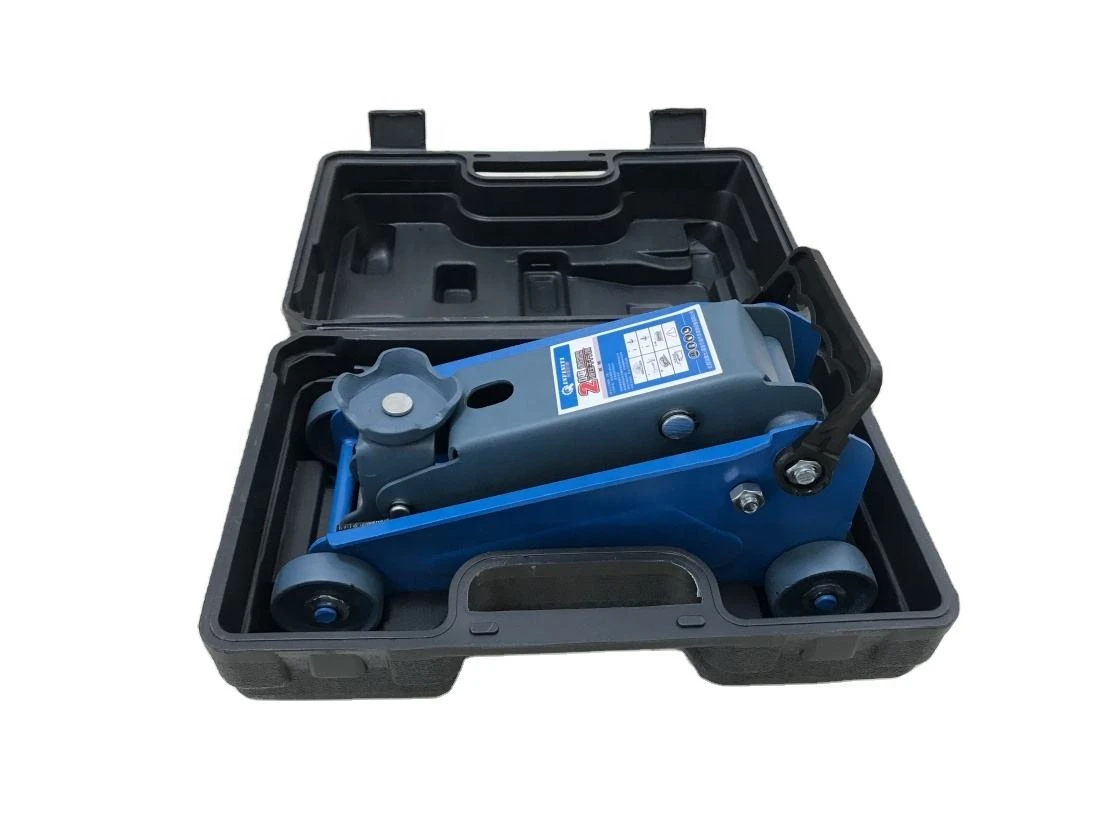
Foldable shop cranes represent a crucial element in modern material handling, specifically within maintenance, repair, and operations (MRO) settings, light assembly, and warehousing. These cranes, typically ranging in capacity from 0.5 to 5 tons, are characterized by their portability and ease of deployment, offering a solution where permanently installed overhead cranes are impractical or cost-prohibitive. Their fundamental purpose is to provide localized lifting capability, reducing manual handling risks and improving operational efficiency. The market demand stems from the increasing need for flexible manufacturing processes and rapid response to material movement requirements in lean manufacturing environments. Critical performance characteristics include lifting capacity, maximum lifting height, folded dimensions for transport and storage, stability under load, and the precision of lifting/lowering operations. The design prioritizes minimizing downtime and maximizing usability in congested workspaces, offering a significant advantage over traditional lifting methods like forklifts or manual labor. Understanding the nuances of their material composition, manufacturing processes, and potential failure modes is paramount for optimal application and long-term reliability.
Material Science & Manufacturing
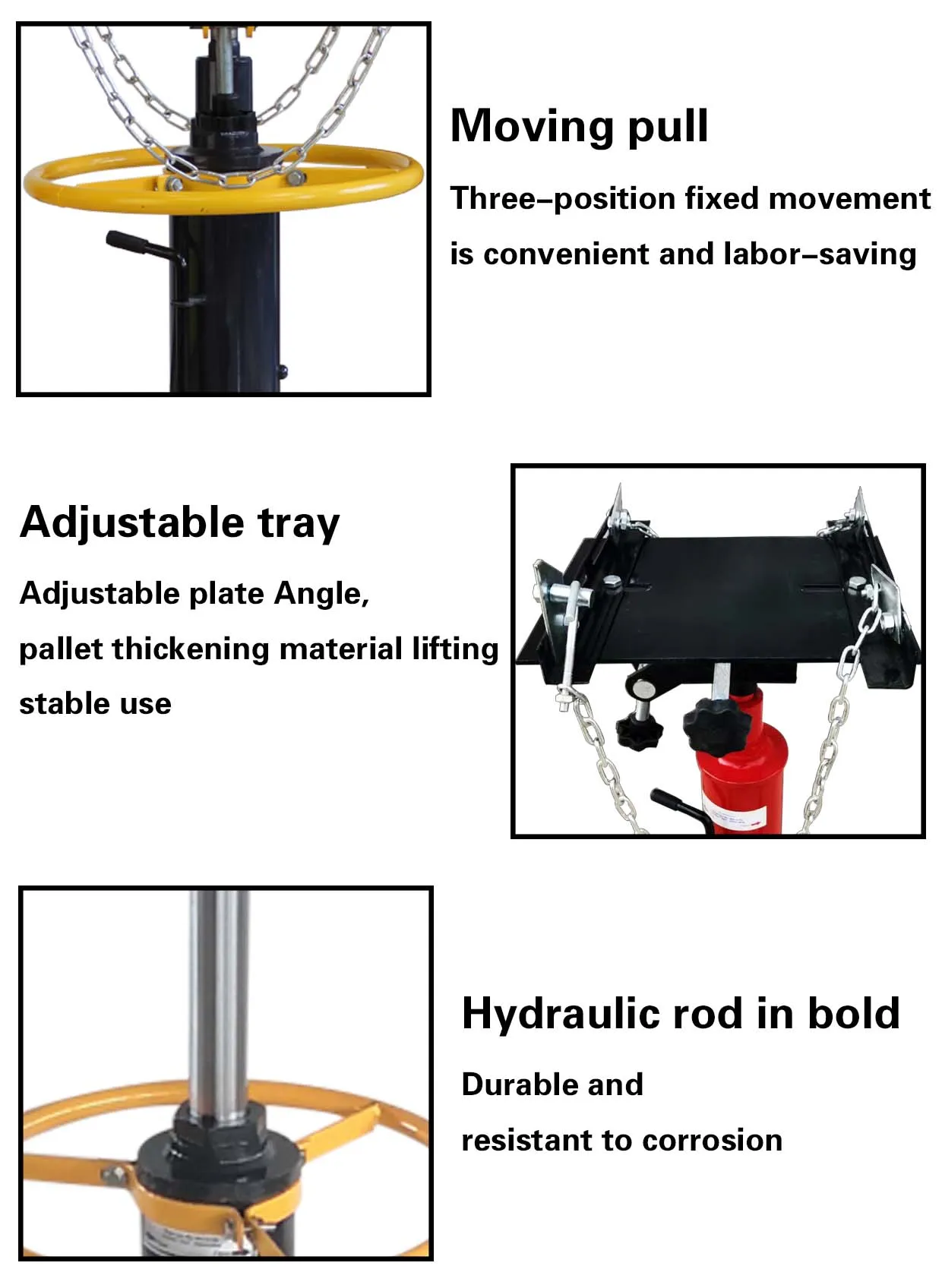
The core structural components of a foldable shop crane are predominantly constructed from high-strength steel, typically ASTM A36 or equivalent, offering a balance of weldability, tensile strength, and cost-effectiveness. The boom, critical for load support, often utilizes higher-grade alloys like ASTM A572, providing enhanced yield strength to resist bending and buckling under load. Hydraulic cylinders, responsible for lifting and lowering, employ materials resistant to corrosion and wear, commonly utilizing hardened steel with a chrome-plated finish for the piston rod. The wheels and casters are typically manufactured from polyurethane or nylon-reinforced polymers, selected for their load-bearing capacity, abrasion resistance, and smooth rolling characteristics. Manufacturing involves several key processes: steel cutting and forming via CNC laser or plasma cutting, welding (typically shielded metal arc welding – SMAW or gas metal arc welding – GMAW) followed by non-destructive testing (NDT) such as magnetic particle inspection or ultrasonic testing to ensure weld integrity, hydraulic cylinder fabrication including honing and sealing, and finally, assembly and rigorous load testing. Parameter control is crucial; weld penetration depth, hydraulic fluid viscosity, caster bearing preload, and boom angle calibration are meticulously monitored to meet safety and performance standards. The folding mechanism relies on precision machining of hinges and locking pins, often utilizing hardened steel for durability. Finite Element Analysis (FEA) is frequently employed during the design phase to optimize material distribution and minimize stress concentrations within the structure.
Performance & Engineering
Performance analysis of foldable shop cranes centers around several key engineering principles. Static load analysis, applying principles of mechanics and materials science, dictates the maximum permissible load based on the boom length, base span, and material properties. Buckling analysis is critical for the boom structure, preventing catastrophic failure under compressive loads. Hydraulic system performance is assessed via flow rate, pressure capacity, and cycle time, ensuring efficient lifting and lowering. Stability analysis evaluates the crane’s resistance to tipping under off-center loads, considering the center of gravity and the base dimensions. Environmental resistance is a key factor. Corrosion prevention involves protective coatings like powder coating or galvanization to withstand exposure to moisture, chemicals, and corrosive atmospheres. Temperature variations can affect hydraulic fluid viscosity and material strength, necessitating the use of appropriate fluids and alloys for the intended operating environment. Compliance requirements, as dictated by OSHA (Occupational Safety and Health Administration) and ANSI (American National Standards Institute), mandate load testing, stability testing, and regular inspection protocols. The braking system, typically a mechanical or hydraulic disc brake, must provide reliable stopping power and prevent uncontrolled descent. Control system engineering involves precise valve actuation and feedback mechanisms to ensure smooth and accurate positioning of the load. Fatigue analysis is crucial for components subjected to cyclical loading, predicting the lifespan of critical parts like the boom and hydraulic cylinders.
Technical Specifications
| Capacity (tons) | Maximum Lifting Height (ft) | Folded Height (in) | Base Span (in) | Boom Length (ft) | Net Weight (lbs) |
|---|---|---|---|---|---|
| 0.5 | 10 | 85 | 55 | 6 | 450 |
| 1 | 12 | 95 | 65 | 8 | 600 |
| 2 | 15 | 110 | 75 | 10 | 900 |
| 3 | 18 | 125 | 85 | 12 | 1200 |
| 5 | 20 | 140 | 95 | 14 | 1600 |
| 10 | 25 | 160 | 110 | 18 | 2200 |
Failure Mode & Maintenance
Foldable shop cranes are susceptible to several failure modes. Fatigue cracking in the boom, particularly around weld points, is a common concern due to cyclical loading. Hydraulic cylinder failure can occur due to seal degradation, corrosion, or internal component wear, leading to loss of lifting capacity or uncontrolled descent. Caster wheel failure, resulting in reduced mobility or instability, is often caused by bearing wear or damage from impact. Brake system failure, stemming from worn brake pads or hydraulic leaks, can compromise load control. Structural deformation of the boom or base, due to overloading or impact, can lead to instability and potential collapse. Delamination of protective coatings exposes the underlying steel to corrosion. Failure analysis involves examining the fractured surfaces for evidence of fatigue striations, corrosion pits, or material defects. Preventive maintenance is crucial. Regular inspection of welds for cracks, hydraulic lines for leaks, and caster bearings for wear is essential. Lubrication of moving parts, including hinges, wheels, and hydraulic cylinder rods, minimizes friction and wear. Periodic load testing verifies the crane’s lifting capacity and identifies potential structural weaknesses. Hydraulic fluid should be replaced at recommended intervals to maintain viscosity and prevent contamination. Damaged or worn components should be replaced promptly with OEM-approved parts. Proper storage, protecting the crane from harsh environmental conditions, extends its lifespan.
Industry FAQ
Q: What is the typical lifespan of a foldable shop crane under normal operating conditions?
A: The typical lifespan is 5-10 years, contingent on load frequency, maintenance practices, and operating environment. Higher utilization rates and inadequate maintenance will significantly reduce the lifespan, while light-duty applications and diligent upkeep can extend it.
Q: What safety features are essential for preventing tip-over incidents?
A: A wide base span, low center of gravity, load moment indicators (on higher-capacity models), and properly functioning brakes are critical. Operator training, emphasizing load centering and avoiding exceeding the rated capacity, is also paramount.
Q: What type of hydraulic fluid is recommended for optimal performance and longevity?
A: A high-quality hydraulic oil with a viscosity index appropriate for the operating temperature range is recommended. ISO 46 or ISO 68 are common choices. Synthetic fluids offer superior performance in extreme temperatures but are generally more expensive.
Q: How often should the hydraulic system be inspected for leaks and component wear?
A: A thorough visual inspection should be conducted monthly, focusing on hydraulic lines, fittings, cylinders, and the pump. More frequent inspections are recommended for cranes operating in harsh environments or under heavy loads.
Q: What is the importance of non-destructive testing (NDT) during manufacturing and periodic inspection?
A: NDT, such as magnetic particle inspection or ultrasonic testing, detects internal flaws and cracks in welds and metal components that are not visible to the naked eye. This is crucial for preventing catastrophic failures and ensuring structural integrity, particularly in high-stress areas like the boom and lifting points.
Conclusion
Foldable shop cranes offer a compelling solution for localized lifting tasks in diverse industrial settings. Their portability, coupled with robust construction and hydraulic lifting mechanisms, enhances operational efficiency and reduces the risk of manual handling injuries. However, realizing their full potential and ensuring long-term reliability hinges on a comprehensive understanding of their material science, manufacturing processes, and potential failure modes.
Adhering to rigorous maintenance protocols, including regular inspections, lubrication, and timely component replacement, is paramount for maximizing lifespan and preventing catastrophic failures. Furthermore, strict adherence to OSHA and ANSI safety standards, coupled with thorough operator training, is non-negotiable. The continued evolution of materials and hydraulic technologies promises further improvements in crane capacity, stability, and overall performance, solidifying their position as essential tools in modern material handling.
