Introduction
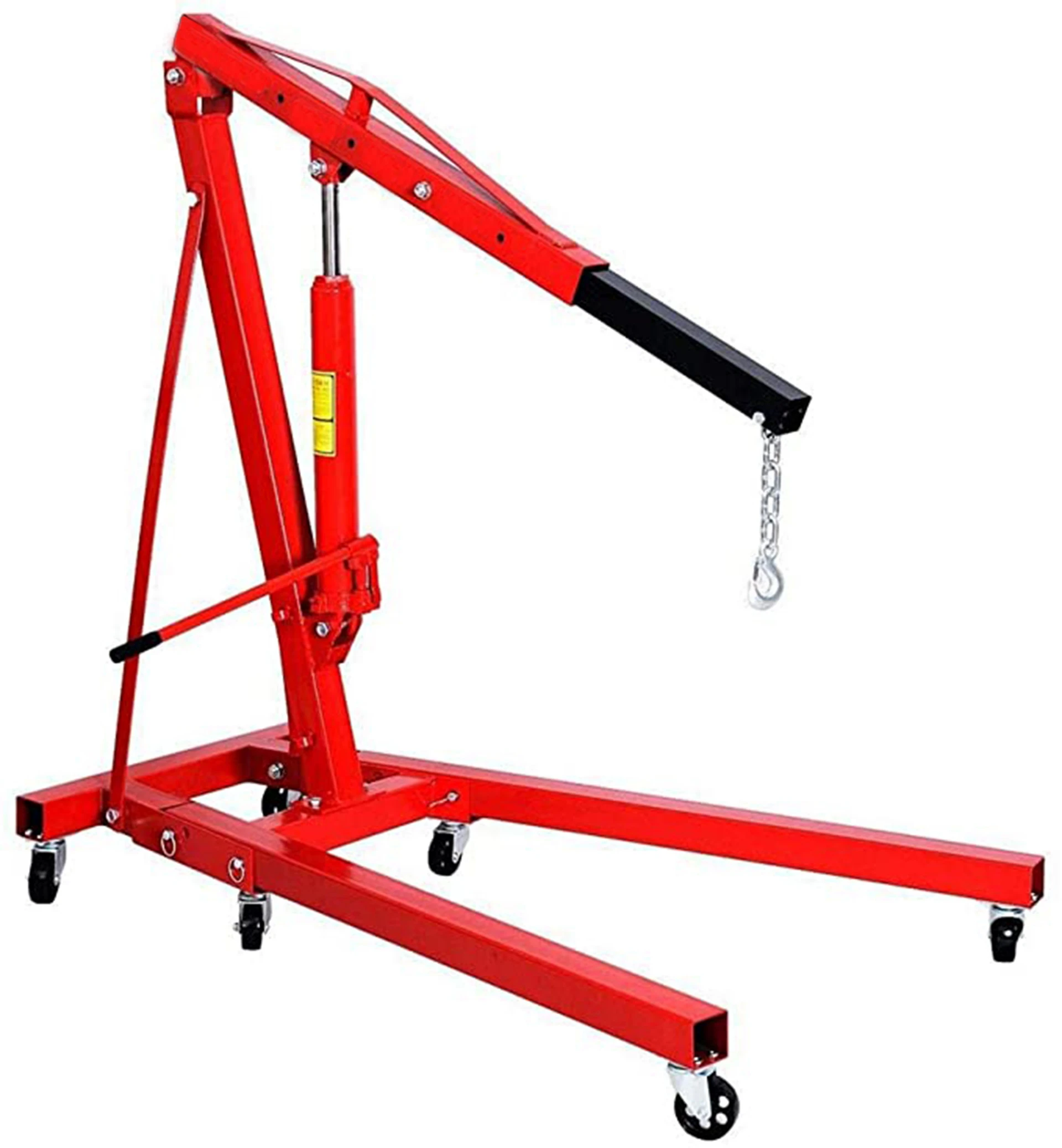
Folding hydraulic cranes represent a critical component within the lifting and material handling sector, particularly in applications demanding versatility and space efficiency. These cranes, distinguished by their collapsible boom sections, are integral to construction, logistics, rescue operations, and maintenance activities. Their technical positioning resides between lightweight mobile cranes and fixed jib cranes, offering a balance of lifting capacity and portability. Core performance characteristics are defined by lifting moment, reach (horizontal and vertical), lifting speed, and stability under load. The design necessitates meticulous attention to hydraulic system performance, structural integrity, and safety interlocks to prevent overloading and operational hazards. A primary industry pain point centers around achieving high lifting capacity within constrained spatial dimensions, requiring advanced material selection and sophisticated hydraulic control systems. Furthermore, ensuring long-term reliability in harsh operational environments – subject to corrosion, temperature extremes, and cyclical loading – poses a significant engineering challenge.
Material Science & Manufacturing
The construction of folding hydraulic cranes relies on a combination of high-strength steel alloys, hydraulic fluids, and advanced polymer composites. The boom structure typically utilizes quenched and tempered alloy steels (e.g., ASTM A572 Grade 50, S355J2) to provide a high yield strength and tensile strength, resisting bending and torsional stresses. Welding processes, primarily shielded metal arc welding (SMAW) and gas metal arc welding (GMAW), are employed for boom section fabrication, demanding strict adherence to AWS D1.1 standards to ensure weld integrity and prevent cracking. Hydraulic cylinders utilize hardened steel alloys (e.g., 4140) with chrome plating to enhance wear resistance and corrosion protection. Hydraulic fluid selection is critical, typically utilizing mineral oil-based hydraulic fluids with viscosity indexes optimized for operating temperature ranges and anti-wear additives. Polymer composites, such as fiberglass-reinforced polymers, are increasingly used for non-structural components like fairings and control housings, reducing weight. Manufacturing involves precision machining of cylinder components, hydrostatic testing of hydraulic systems to 1.5 times the working pressure, and non-destructive testing (NDT) methods like ultrasonic testing (UT) and magnetic particle inspection (MPI) to detect internal flaws in critical weldments. Parameter control during welding includes maintaining interpass temperatures, ensuring proper shielding gas coverage, and utilizing qualified welders.
Performance & Engineering
Performance analysis of folding hydraulic cranes centers on stability, stress distribution, and hydraulic system efficiency. Static and dynamic load analysis, utilizing Finite Element Analysis (FEA) software, is crucial to determine stress concentrations in boom sections, outrigger supports, and pivot points. Stability calculations must account for overturning moments induced by the load, wind loads, and ground conditions, adhering to ASME B30.5 standards for mobile and wall cranes. Hydraulic system engineering focuses on optimizing pump selection (gear, vane, or piston pumps) to achieve desired lifting speeds and torque. Valve control systems, often utilizing proportional valves, regulate hydraulic flow and pressure, ensuring smooth and precise crane movements. Environmental resistance is addressed through protective coatings (e.g., epoxy primers and polyurethane topcoats) to mitigate corrosion, particularly in marine or industrial environments. Compliance requirements include adherence to EN 13000 (Cranes – Safety), ISO 12999 (Cranes – Design, Manufacture, Periodic Thorough Examination and Proof Load Tests) and regional safety regulations. Force analysis determines the required cylinder bore and rod diameter to generate the necessary lifting force, accounting for hydraulic pressure limits and safety factors.
Technical Specifications
| Lifting Capacity (Maximum) | Maximum Lifting Height | Boom Length (Extended) | Outrigger Spread (Maximum) |
|---|---|---|---|
| 5 Tonnes | 15 Meters | 10 Meters | 4.5 Meters |
| 10 Tonnes | 22 Meters | 14 Meters | 5.5 Meters |
| 15 Tonnes | 28 Meters | 18 Meters | 6.0 Meters |
| 20 Tonnes | 35 Meters | 22 Meters | 6.5 Meters |
| 25 Tonnes | 40 Meters | 26 Meters | 7.0 Meters |
| 30 Tonnes | 45 Meters | 30 Meters | 7.5 Meters |
Failure Mode & Maintenance
Folding hydraulic cranes are susceptible to several failure modes. Fatigue cracking in boom sections, particularly around weldments, is a common issue induced by cyclical loading. Hydraulic cylinder failure can arise from seal degradation, rod corrosion, or internal leakage, leading to reduced lifting capacity or complete failure. Outrigger instability, caused by uneven ground or improper setup, can result in crane tipping. Degradation of hydraulic fluid due to contamination or oxidation reduces lubrication and increases wear. Corrosion, especially in marine environments, affects structural components and hydraulic systems. Maintenance solutions include regular visual inspections for cracks, corrosion, and leaks; periodic hydraulic fluid analysis and filter replacement; lubrication of moving parts; and thorough inspection of outrigger mechanisms. Non-destructive testing (NDT) such as magnetic particle inspection and ultrasonic testing are vital for detecting hidden cracks. Scheduled replacement of hydraulic hoses and seals is crucial. Following the manufacturer's recommended maintenance schedule and adhering to ASME B30.5 inspection criteria is paramount for ensuring safe and reliable operation. Proper storage practices, including protection from the elements, are essential to minimize corrosion and degradation.
Industry FAQ
Q: What is the impact of hydraulic fluid temperature on crane performance?
A: Elevated hydraulic fluid temperatures reduce viscosity, leading to increased internal leakage and reduced lifting capacity. Conversely, low temperatures increase viscosity, hindering responsiveness and potentially causing cavitation. Maintaining fluid temperature within the recommended operating range (typically 40-80°C) is critical for optimal performance. This is achieved through proper cooling systems and fluid selection with appropriate viscosity characteristics.
Q: How does wind load affect the stability of a folding hydraulic crane?
A: Wind load exerts a significant overturning moment on the crane, potentially compromising stability. Wind speed and sail area (the exposed area of the boom and load) are key factors. Cranes are designed with safety factors to account for anticipated wind loads, but operation should cease during high winds exceeding the crane’s allowable limits as specified in the operating manual and relevant standards (e.g., EN 13000).
Q: What are the common causes of hydraulic hose failure?
A: Hydraulic hose failure is often attributed to abrasion, kinking, excessive pressure, or internal corrosion. Abrasion occurs from contact with surrounding structures. Kinking restricts flow and weakens the hose. Exceeding the hose’s pressure rating causes bursting. Internal corrosion results from moisture contamination within the fluid. Regular inspection, proper routing, and use of high-quality hoses are preventative measures.
Q: What NDT methods are recommended for inspecting boom welds?
A: Magnetic Particle Inspection (MPI) and Ultrasonic Testing (UT) are the most commonly recommended NDT methods for inspecting boom welds. MPI detects surface and near-surface cracks, while UT can detect internal flaws. Radiographic Testing (RT) can also be used, but is less common due to safety concerns and cost. These inspections should be performed by certified technicians in accordance with AWS D1.1 standards.
Q: What considerations are important when selecting outrigger pads?
A: Outrigger pad selection depends on the ground bearing capacity and the crane's load. Pads must distribute the crane's weight over a sufficient area to prevent ground failure. Material (e.g., high-density polyethylene, wood) and thickness are critical factors. The pads must be appropriately sized and rated for the crane’s maximum load and the soil conditions. Using inadequately sized pads can lead to instability and crane tipping.
Conclusion
Folding hydraulic cranes represent a sophisticated blend of material science, hydraulic engineering, and structural analysis. Their operational efficiency and adaptability are critical assets in diverse industrial applications. Ensuring long-term reliability demands rigorous adherence to manufacturing standards, comprehensive performance monitoring, and proactive maintenance protocols. The continuous evolution of materials and hydraulic control systems drives ongoing improvements in lifting capacity, stability, and overall safety.
Looking ahead, advancements in sensor technology and data analytics will facilitate predictive maintenance, minimizing downtime and maximizing crane utilization. The integration of automated control systems and remote monitoring capabilities will further enhance operational efficiency and safety. Addressing the industry’s demand for environmentally sustainable solutions will necessitate the development of biodegradable hydraulic fluids and lightweight composite materials. Continued focus on standardization and compliance with international regulations remains paramount for ensuring the safe and responsible operation of these critical lifting assets.
