Introduction
The folding hydraulic engine hoist is a critical piece of equipment utilized within automotive repair, heavy machinery maintenance, and industrial settings for the safe and efficient lifting and positioning of internal combustion engines and other heavy components. Distinguished by its collapsible design, it offers enhanced portability and storage convenience compared to traditional engine hoists. This guide provides a detailed technical overview, encompassing material science, manufacturing processes, performance parameters, potential failure modes, and relevant industry standards. Core to its functionality is the hydraulic system, providing substantial lifting capacity while minimizing manual effort. A significant pain point in the industry is the balancing of lift capacity with maintaining a relatively lightweight and maneuverable unit, requiring careful material selection and structural engineering. Proper operation and maintenance are vital to ensure both the longevity of the hoist and, more importantly, the safety of personnel and equipment.
Material Science & Manufacturing
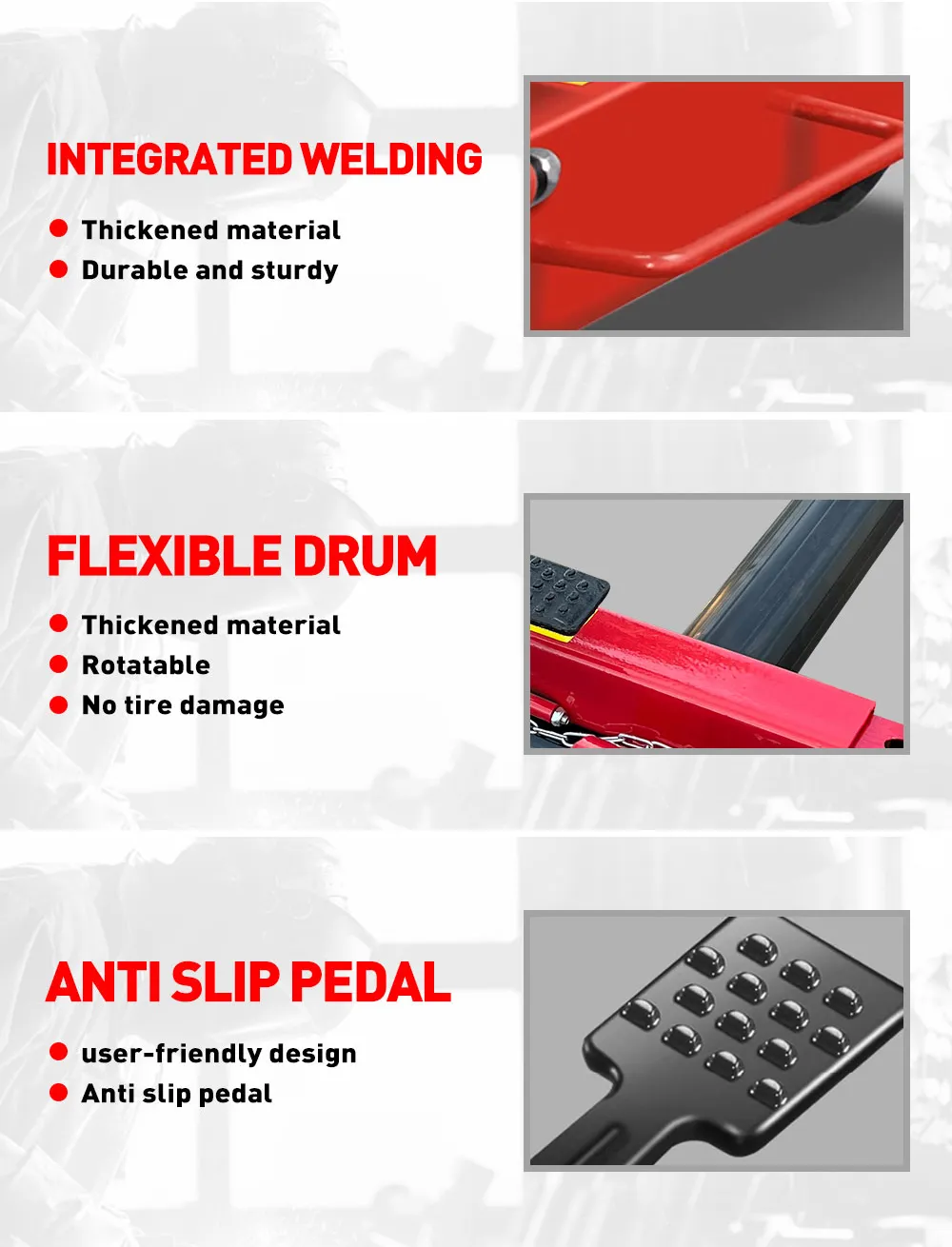
The primary structural components of a folding hydraulic engine hoist typically consist of high-strength steel, specifically ASTM A572 Grade 50, chosen for its high yield strength (345 MPa minimum) and weldability. The boom arm and supporting frame necessitate this robust material to withstand bending moments and torsional stresses during operation. Hydraulic cylinders are manufactured from honed steel tubing (typically DIN 2404) with a chrome-plated piston rod to resist corrosion and wear. The hydraulic fluid itself is commonly a mineral oil-based ISO VG 32 or VG 46 fluid, selected for its viscosity index and shear stability. Manufacturing processes include robotic welding – predominantly Shielded Metal Arc Welding (SMAW) and Gas Metal Arc Welding (GMAW) – to ensure weld integrity and penetration. Critical welds undergo Non-Destructive Testing (NDT) via Ultrasonic Testing (UT) and Magnetic Particle Inspection (MPI) to identify potential flaws. The folding mechanism utilizes hinge pins constructed from alloy steel (AISI 4140), heat-treated for increased hardness and wear resistance. Surface treatments, such as powder coating, are applied to provide corrosion protection and enhance aesthetic appeal. Parameter control during manufacturing focuses on weld quality (penetration depth, porosity), hydraulic fluid cleanliness (particle count), and dimensional accuracy of critical components (boom arm straightness, hinge pin diameters).
Performance & Engineering
Performance of a folding hydraulic engine hoist is largely dictated by its lift capacity, reach, and stability. Lift capacity, typically ranging from 2 to 4 tons (2000kg – 4000kg), is governed by the hydraulic cylinder bore and rod diameter, coupled with the hydraulic pump's output pressure. Force analysis utilizes principles of statics and dynamics to ensure the hoist can safely support the engine's weight throughout its range of motion. The boom arm's geometry is optimized to minimize bending stress and maintain structural integrity under load. Stability is addressed through a wide base design and robust caster wheel construction, capable of withstanding side loads and preventing tipping. Environmental resistance is a key consideration; units intended for outdoor use require corrosion-resistant coatings and seals to protect against moisture and contaminants. Compliance requirements vary by region, but generally include adherence to OSHA standards for lifting equipment and CE marking for European markets. Functional implementation necessitates a robust hydraulic system with a pressure relief valve to prevent over-pressurization and a control lever mechanism providing precise lifting and lowering control. The folding mechanism must demonstrate repeatable performance and maintain structural integrity after repeated cycles.
Technical Specifications
| Parameter | Unit | Typical Value (2-Ton Model) | Typical Value (4-Ton Model) |
|---|---|---|---|
| Lift Capacity | kg | 2000 | 4000 |
| Maximum Lift Height | mm | 1900 | 2100 |
| Boom Arm Reach (Maximum) | mm | 1200 | 1500 |
| Hydraulic Pump Capacity | cm³/cycle | 80 | 150 |
| Minimum Lifting Height | mm | 150 | 180 |
| Overall Dimensions (Folded) | mm (L x W x H) | 1100 x 600 x 1800 | 1300 x 700 x 2000 |
Failure Mode & Maintenance
Common failure modes in folding hydraulic engine hoists include hydraulic leaks (typically stemming from seal degradation or damaged fittings), cylinder drift (caused by internal seal wear or piston damage), structural fatigue cracking (particularly in the boom arm and hinge points due to cyclical loading), and caster wheel failure (resulting from overloading or wear). Failure analysis reveals that hydraulic leaks often originate from improper fluid maintenance (contamination, incorrect viscosity). Fatigue cracking is accelerated by corrosion and impact loads. Maintenance recommendations include regular inspection of hydraulic hoses and fittings for leaks, periodic hydraulic fluid replacement (every 6-12 months depending on usage), lubrication of hinge pins and caster wheels, and thorough visual inspection for signs of structural damage (cracks, deformation). Preventative maintenance should include torque checks on all fasteners. Should cylinder drift occur, internal seal replacement is typically required, necessitating disassembly and specialized tooling. Corrosion prevention involves regular cleaning and application of protective coatings. Weld inspections should be performed annually, especially in high-stress areas, utilizing NDT methods.
Industry FAQ
Q: What is the typical safety factor incorporated into the design of these hoists?
A: A typical safety factor of 4:1 is implemented in the structural design of the hoist, meaning the hoist is designed to withstand four times the rated lifting capacity before experiencing permanent deformation or failure. This factor accounts for dynamic loading, impact forces, and material variations.
Q: How does the folding mechanism affect the hoist's overall stability?
A: The folding mechanism introduces potential points of flexure that can impact stability. Manufacturers address this through robust hinge designs, high-strength hinge pins, and locking mechanisms to prevent unintended movement during lifting. Regular inspection of these components is crucial.
Q: What type of hydraulic fluid is recommended for optimal performance and longevity?
A: An ISO VG 32 or VG 46 mineral oil-based hydraulic fluid with anti-wear additives is generally recommended. It’s critical to ensure the fluid is clean and free from contaminants, as particle contamination is a leading cause of hydraulic system failures.
Q: What are the implications of using a hoist beyond its rated lifting capacity?
A: Exceeding the rated lifting capacity significantly increases the risk of structural failure, leading to potential damage to the hoist, the engine, and, most importantly, serious injury to personnel. It compromises the designed safety factor and can result in catastrophic consequences.
Q: How often should the hydraulic system be pressure tested?
A: The hydraulic system should be pressure tested at least annually, or more frequently in high-usage applications. This testing identifies potential leaks and ensures the system is operating within safe pressure limits. The test should be performed by a qualified technician.
Conclusion
The folding hydraulic engine hoist represents a significant advancement in lifting technology, offering a balance of capacity, portability, and ease of use. Its successful operation and long-term reliability depend critically on careful material selection, precise manufacturing processes, and diligent maintenance practices. Understanding the potential failure modes and adhering to recommended inspection schedules are paramount to ensuring safety and minimizing downtime.
Future advancements in hoist design will likely focus on incorporating lighter-weight materials (such as high-strength aluminum alloys) to further enhance portability, implementing smart sensors for real-time load monitoring and predictive maintenance, and integrating advanced hydraulic control systems for improved precision and efficiency. The increasing demand for safer and more efficient workshop equipment will continue to drive innovation in this sector.
