Introduction
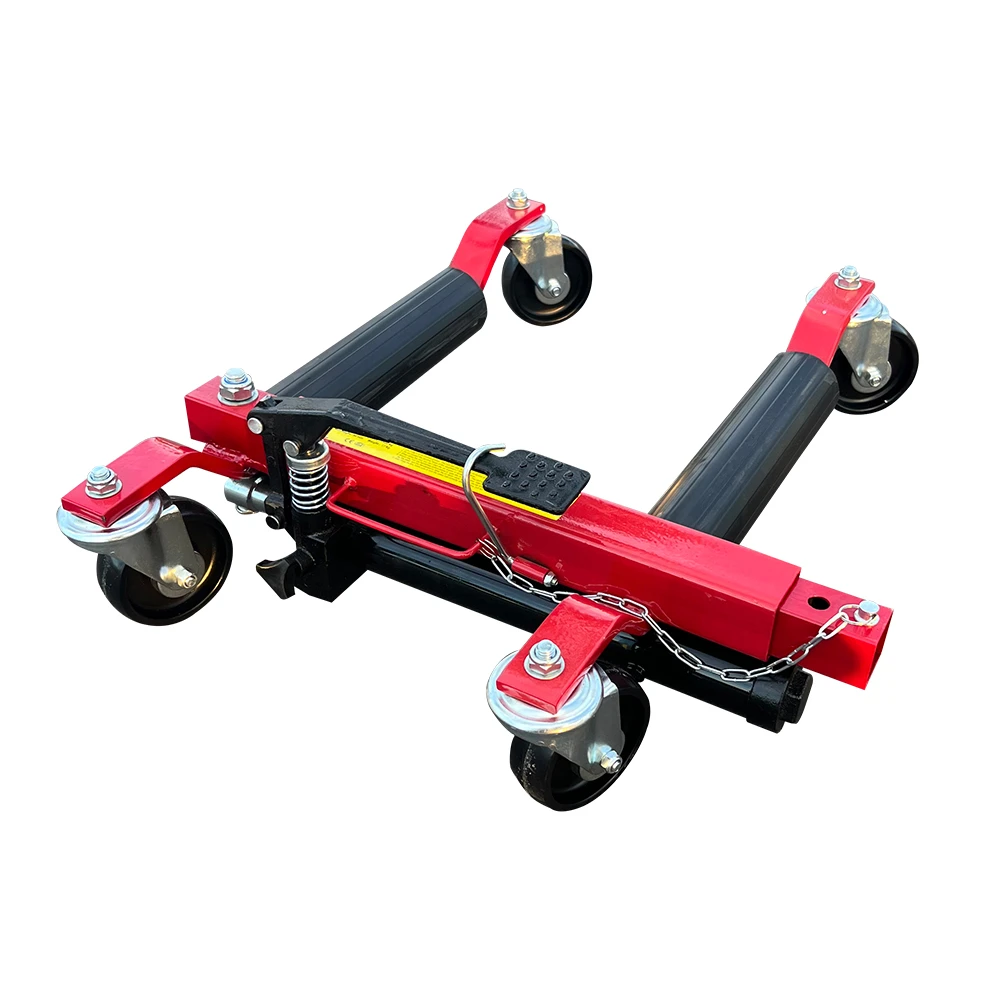
Heavy duty scissor jacks for trucks are critical lifting devices used for vehicle maintenance, tire changes, and emergency roadside repairs. Positioned within the vehicle lifting equipment category, these jacks provide a robust and relatively compact solution compared to hydraulic bottle jacks or floor jacks, particularly suited for applications where space is constrained. Their core performance is defined by lifting capacity (typically ranging from 20 to 50 tons), maximum lift height, and the stability maintained throughout the lifting and lowering cycle. A primary industry pain point revolves around ensuring sufficient safety margins, given the substantial loads involved and the potential for catastrophic failure. Material selection, weld integrity, and mechanical lock functionality are paramount concerns for manufacturers and end-users alike. The increasing demand for faster repair times also drives innovation in jack design, focusing on ease of operation and reduced setup time.
Material Science & Manufacturing
The construction of a heavy duty scissor jack relies heavily on high-strength steel alloys. Typically, AISI 1045 or equivalent carbon steel is employed for the scissor arms due to its excellent weldability, tensile strength (approximately 570 MPa), and yield strength (approximately 310 MPa). The baseplate and saddle, which bear the brunt of the load, often utilize thicker sections of the same material or potentially higher alloy steels like AISI 4140 for enhanced durability. Screw components are often manufactured from AISI 1035, offering a good balance of strength and machinability. Manufacturing involves several key processes. First, steel plates are cut to size using laser cutting or plasma cutting to ensure dimensional accuracy. The plates are then formed into the required shapes – the scissor arms – via bending and pressing. Critical to jack performance is the welding process, primarily shielded metal arc welding (SMAW) or gas metal arc welding (GMAW). Weld penetration, bead geometry, and absence of porosity are rigorously inspected, often using non-destructive testing methods like ultrasonic testing (UT) or radiographic testing (RT). The screw mechanism is typically cold-rolled or machined, followed by heat treatment for improved hardness and wear resistance. Finally, the entire assembly undergoes surface treatment – typically painting or powder coating – for corrosion protection. Precise control of the heat treatment parameters (temperature, time, and cooling rate) is crucial for achieving the desired mechanical properties in the steel components.

Performance & Engineering
Performance of a heavy duty scissor jack is governed by several engineering principles. The primary load-bearing mechanism is subjected to bending stress during operation. Finite element analysis (FEA) is commonly used during the design phase to optimize the geometry of the scissor arms and minimize stress concentrations. The stability of the jack is dependent on the footprint of the baseplate and the inherent rigidity of the scissor mechanism. Buckling analysis is performed to ensure the jack remains stable under maximum load and at its maximum extension. The screw mechanism provides the mechanical advantage needed to lift the load, and the thread pitch and screw diameter directly impact the lifting speed and required input torque. Environmental resistance is a key consideration. Jacks operating in harsh conditions (e.g., exposure to salt spray, extreme temperatures) must be constructed with corrosion-resistant materials or protected with durable coatings. Compliance with safety standards, such as ASME B30.1 (Slings, Alloys Chains, Wire Ropes, and Load Binders) and relevant DOT regulations, is mandatory. Fatigue analysis is critical, as the jack is subjected to cyclical loading during repeated use. Proper lubrication of the screw thread and pivot points is essential to reduce friction and wear, and to ensure smooth operation. The safety lock mechanism must reliably engage and disengage to prevent accidental lowering of the load.
Technical Specifications
| Lifting Capacity (tons) | Minimum Lift Height (inches) | Maximum Lift Height (inches) | Base Width (inches) |
|---|---|---|---|
| 20 | 4 | 20 | 8 |
| 30 | 5 | 28 | 10 |
| 40 | 6 | 36 | 12 |
| 50 | 7 | 44 | 14 |
| 25 | 4.5 | 24 | 9 |
| 35 | 5.5 | 32 | 11 |
Failure Mode & Maintenance
Heavy duty scissor jacks are susceptible to several failure modes. Fatigue cracking is a common issue, typically originating at weld points or areas of high stress concentration. Corrosion, particularly in environments with high humidity or exposure to road salt, can weaken the steel components and lead to structural failure. Screw thread stripping or deformation can occur due to excessive loading or improper lubrication. Deformation of the scissor arms can result from overloading or impact damage. Failure of the safety lock mechanism poses a significant safety hazard. Regular maintenance is crucial to prevent these failures. This includes periodic inspection for cracks, corrosion, and wear. Lubrication of the screw thread and pivot points with a high-quality grease is essential. The safety lock mechanism should be tested regularly to ensure proper functionality. Any damaged or worn components should be replaced immediately. After each use, the jack should be cleaned and stored in a dry environment. Avoid exceeding the rated lifting capacity, and ensure the jack is positioned on a firm, level surface before operation. A thorough visual inspection prior to each use is highly recommended to identify any potential issues.
Industry FAQ
Q: What is the typical safety factor used in the design of these jacks?
A: A typical safety factor of 3:1 or 4:1 is employed, meaning the jack is designed to withstand loads three or four times its rated lifting capacity before experiencing permanent deformation or failure. This factor accounts for dynamic loading, material variations, and potential for misuse.
Q: What type of steel is most resistant to corrosion in harsh environments?
A: While standard carbon steel requires protective coatings, using alloy steels like AISI 5160, containing chromium and molybdenum, offers improved corrosion resistance. However, even with these alloys, a robust painting or powder coating system is crucial for long-term performance in corrosive environments.
Q: How often should the screw thread be re-lubricated?
A: The screw thread should be re-lubricated after every 25-50 lifting cycles, or at least every six months, depending on usage frequency and environmental conditions. Using a lithium-based grease with anti-wear additives is recommended.
Q: What are the critical weld inspection criteria for scissor jack arms?
A: Critical weld inspection criteria include 100% visual inspection for surface defects (cracks, porosity, undercut), and a minimum of 20% radiographic testing (RT) or ultrasonic testing (UT) to detect subsurface flaws. Weld penetration and bead geometry must conform to AWS D1.1 standards.
Q: How does temperature affect the lifting capacity of the jack?
A: Extreme temperatures can affect the yield strength of the steel. At elevated temperatures, the yield strength decreases, reducing the lifting capacity. At low temperatures, the steel may become more brittle. Manufacturers typically specify an operating temperature range within which the jack’s rated capacity is guaranteed.
Conclusion
Heavy duty scissor jacks for trucks represent a vital component in the commercial vehicle maintenance and repair sector. Their robust design, based on high-strength steel alloys and meticulously controlled manufacturing processes, provides a reliable lifting solution. Understanding the engineering principles governing their performance—including stress analysis, stability considerations, and fatigue resistance—is crucial for ensuring safe and efficient operation.
Future advancements in scissor jack technology will likely focus on lightweight materials, such as high-strength low-alloy (HSLA) steels and potentially aluminum alloys, to reduce overall weight and improve portability. Integration of smart sensors and wireless communication capabilities could enable remote monitoring of jack status and predictive maintenance alerts. Continued emphasis on robust safety mechanisms and adherence to stringent industry standards will remain paramount for maintaining the integrity and reliability of these essential lifting devices.
