Introduction
Heavy duty scissor jacks are mechanical lifting devices utilized across numerous industrial sectors – automotive, construction, manufacturing, and aerospace – to elevate substantial loads. Positioned within the materials handling and lifting equipment industry, these jacks offer a cost-effective and versatile solution for temporary lifting applications. Unlike hydraulic jacks relying on fluid pressure, scissor jacks operate on a linked parallelogram mechanism, converting rotational force (typically applied via a ratchet or screw drive) into vertical lifting motion. Core performance characteristics center around rated load capacity, lift height, stability under load, and operational safety features. A key industry pain point is balancing load capacity with portability and ensuring long-term durability in harsh operating environments. The design focuses on robust construction to withstand repetitive stress and prevent catastrophic failure, making material selection and manufacturing processes critical.
Material Science & Manufacturing
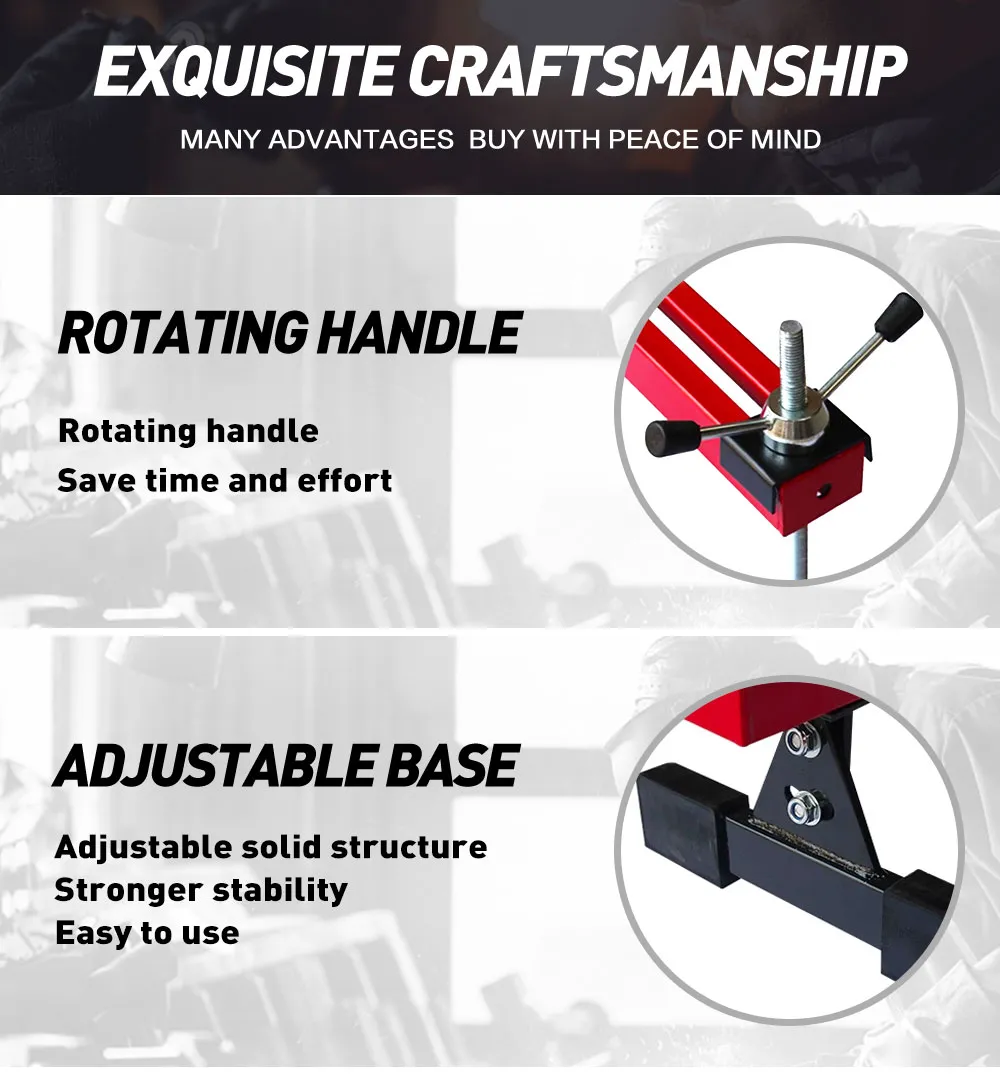
The primary material for heavy duty scissor jacks is high-strength steel, typically AISI 1045 or equivalent carbon steel, selected for its favorable strength-to-weight ratio and weldability. The steel undergoes heat treatment processes, such as quenching and tempering, to achieve desired hardness and toughness. Critical components like the pivot points often utilize alloy steels containing chromium and molybdenum for enhanced wear resistance. Manufacturing typically involves several stages. Firstly, steel plates are cut to shape using laser cutting or plasma cutting. These plates are then formed into the scissor arm profiles, frequently employing hydraulic presses. Welding, specifically shielded metal arc welding (SMAW) or gas metal arc welding (GMAW), joins the individual components. Precise weld geometry and penetration are crucial to prevent stress concentrations. Following welding, the assembly is subjected to rigorous quality control, including non-destructive testing (NDT) methods like ultrasonic testing (UT) and magnetic particle inspection (MPI) to identify any internal flaws or surface cracks. Critical parameters during manufacturing include weld temperature control, dimensional accuracy of the scissor arms, and the precision of the ratchet or screw mechanism. Surface treatments, such as powder coating or galvanization, provide corrosion protection.
Performance & Engineering
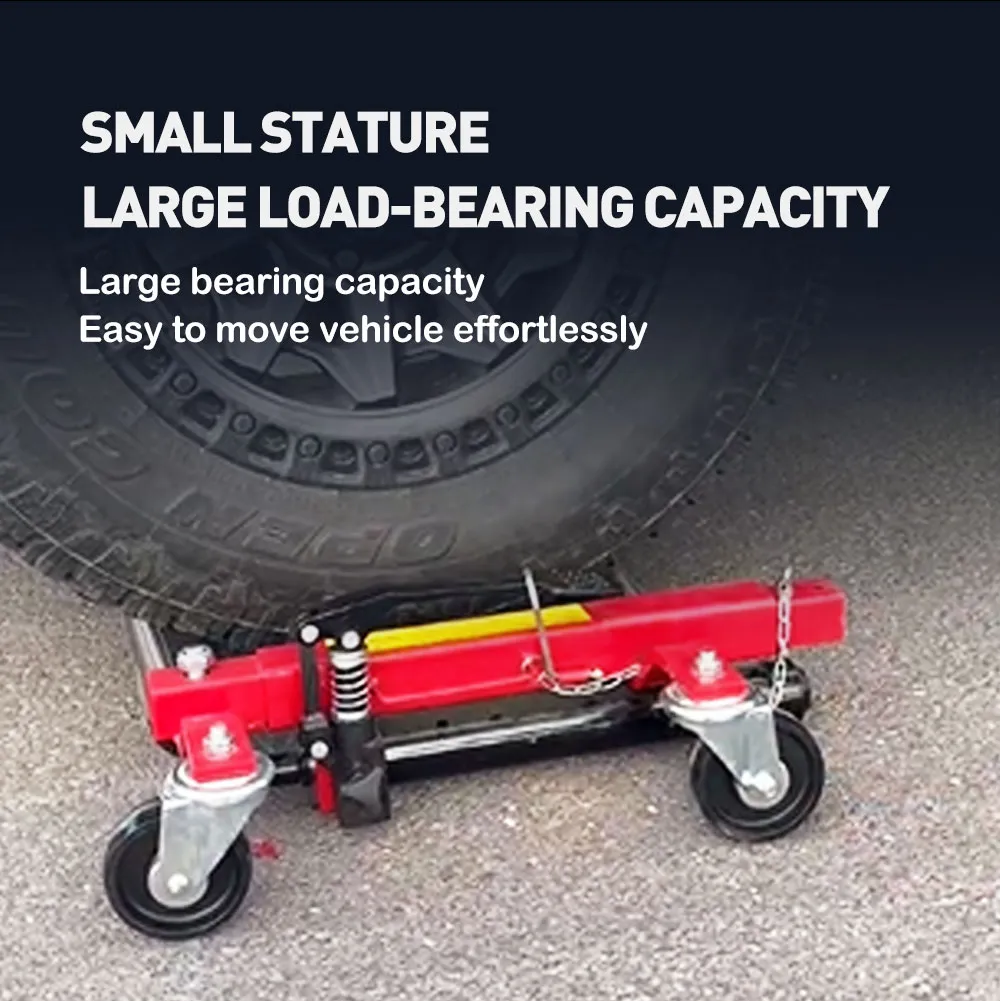
Performance of a heavy duty scissor jack is fundamentally governed by force analysis based on the principles of statics and mechanics of materials. The load is distributed through the scissor linkage, creating compressive and tensile stresses within the steel arms. Engineering calculations determine the required cross-sectional area of the arms to prevent buckling or yielding under maximum load. A critical consideration is the stability of the jack during operation. The base footprint must be sufficiently large to resist overturning moments, especially when lifting off-center loads. Environmental resistance is another key engineering concern. Exposure to moisture, corrosive chemicals, and temperature extremes can accelerate degradation. Finite element analysis (FEA) is frequently employed to simulate stress distributions and identify potential weak points in the design. Compliance requirements vary by region. In the US, OSHA regulations govern the safe use of lifting equipment. European standards, such as EN 1494, specify safety requirements and testing procedures for scissor lifts (principles applicable to jacks). The ratchet mechanism’s locking pawl must be engineered to withstand significant shear forces and prevent accidental descent. The screw drive, if utilized, requires a lead screw with sufficient pitch and strength to efficiently translate rotational motion into vertical lift.
Technical Specifications
| Parameter | Unit | Typical Value (Heavy Duty - 5 Ton Capacity) | Testing Standard |
|---|---|---|---|
| Rated Load Capacity | tons | 5 | ASME B30.1 |
| Minimum Lift Height | inches | 4 | In-house QC |
| Maximum Lift Height | inches | 20 | In-house QC |
| Base Frame Dimensions (Length x Width) | inches | 18 x 12 | In-house QC |
| Steel Grade (Scissor Arms) | - | AISI 1045 | ASTM A36 |
| Ratchet Pawl Shear Strength | lbs | 10,000 | In-house QC |
Failure Mode & Maintenance
Common failure modes in heavy duty scissor jacks include fatigue cracking at weld points, particularly around high-stress areas like pivot connections. This is often initiated by cyclical loading and exacerbated by corrosion. Buckling of the scissor arms can occur if the load exceeds the design capacity or if the arms are damaged. Ratchet mechanism failure, including pawl breakage or stripping of teeth, prevents secure locking and poses a significant safety hazard. Degradation of the screw thread (in screw-drive models) leads to operational difficulty and potential jamming. Oxidation and corrosion are prevalent, particularly in outdoor applications, weakening the steel structure. Maintenance involves regular inspection for cracks, especially around welds. Lubrication of pivot points and the screw mechanism (if applicable) is essential to reduce friction and wear. A thorough cleaning to remove dirt and debris prevents abrasive wear. Periodic re-tightening of fasteners ensures structural integrity. If cracking is detected, the component must be removed from service immediately and replaced. A preventative maintenance schedule should include documented inspections and lubrication intervals. Consider applying a corrosion inhibitor to exposed metal surfaces, especially in corrosive environments.
Industry FAQ
Q: What is the impact of dynamic loading versus static loading on the lifespan of a scissor jack?
A: Dynamic loading – repetitive lifting and lowering – significantly reduces lifespan compared to static loading (a single lift held for an extended period). Dynamic loads introduce cyclical stresses, accelerating fatigue crack initiation and propagation. Proper design considerations, such as larger weld radii and higher-strength materials, are crucial to mitigate dynamic loading effects. Regular inspection intervals should be more frequent with jacks subjected to dynamic use.
Q: How does the operating temperature affect the jack’s performance and material properties?
A: Extreme temperatures can dramatically alter steel's mechanical properties. Low temperatures can increase brittleness, making the steel more susceptible to fracture. High temperatures can reduce yield strength and creep resistance. Lubricants also have temperature limitations; viscosity changes affect their effectiveness. Jacks operating in extreme environments should utilize materials and lubricants specifically rated for those temperatures.
Q: What are the key differences between using a ratchet mechanism versus a screw drive in a scissor jack?
A: Ratchet mechanisms offer faster lifting speeds but typically have lower mechanical advantage, requiring more effort to lift the load. Screw drives provide a greater mechanical advantage, reducing operator effort, but lifting is slower. Ratchets are less prone to jamming under heavy loads, while screw drives require regular lubrication to prevent seizing. The choice depends on the specific application and desired balance between speed and effort.
Q: What level of corrosion protection is typically required for jacks used in marine environments?
A: Marine environments demand the highest level of corrosion protection. Standard powder coating is often insufficient. Hot-dip galvanization provides superior corrosion resistance, creating a zinc coating that sacrificially corrodes instead of the steel. Stainless steel components, particularly for fasteners and pivot points, are highly recommended. Regular cleaning with freshwater and application of a marine-grade corrosion inhibitor are essential maintenance practices.
Q: What safety factors are incorporated into the design of a heavy-duty scissor jack, and how are they verified?
A: Heavy-duty scissor jacks typically incorporate a safety factor of 3:1 or higher, meaning the jack's ultimate load capacity is at least three times the rated load capacity. This factor accounts for uncertainties in material properties, manufacturing tolerances, and unexpected loading conditions. Verification involves rigorous testing, including static load tests, fatigue tests, and destructive testing to validate the design's structural integrity and confirm that it meets or exceeds safety standards.
Conclusion
Heavy duty scissor jacks represent a robust and versatile lifting solution, but their performance and longevity are intrinsically linked to careful material selection, precise manufacturing processes, and diligent maintenance. Understanding the interplay between force analysis, material properties, and potential failure modes is paramount for ensuring safe and reliable operation. The use of high-strength steels, coupled with appropriate heat treatment and surface protection, forms the foundation of a durable design.
Future developments may focus on incorporating advanced materials, such as high-strength low-alloy (HSLA) steels and composite materials, to reduce weight and enhance corrosion resistance. Implementing smart monitoring systems, utilizing sensors to detect stress levels and predict potential failures, will further improve safety and reliability. Continuous adherence to relevant industry standards and a commitment to rigorous quality control are essential for maintaining the integrity and effectiveness of these critical lifting devices.
