Introduction
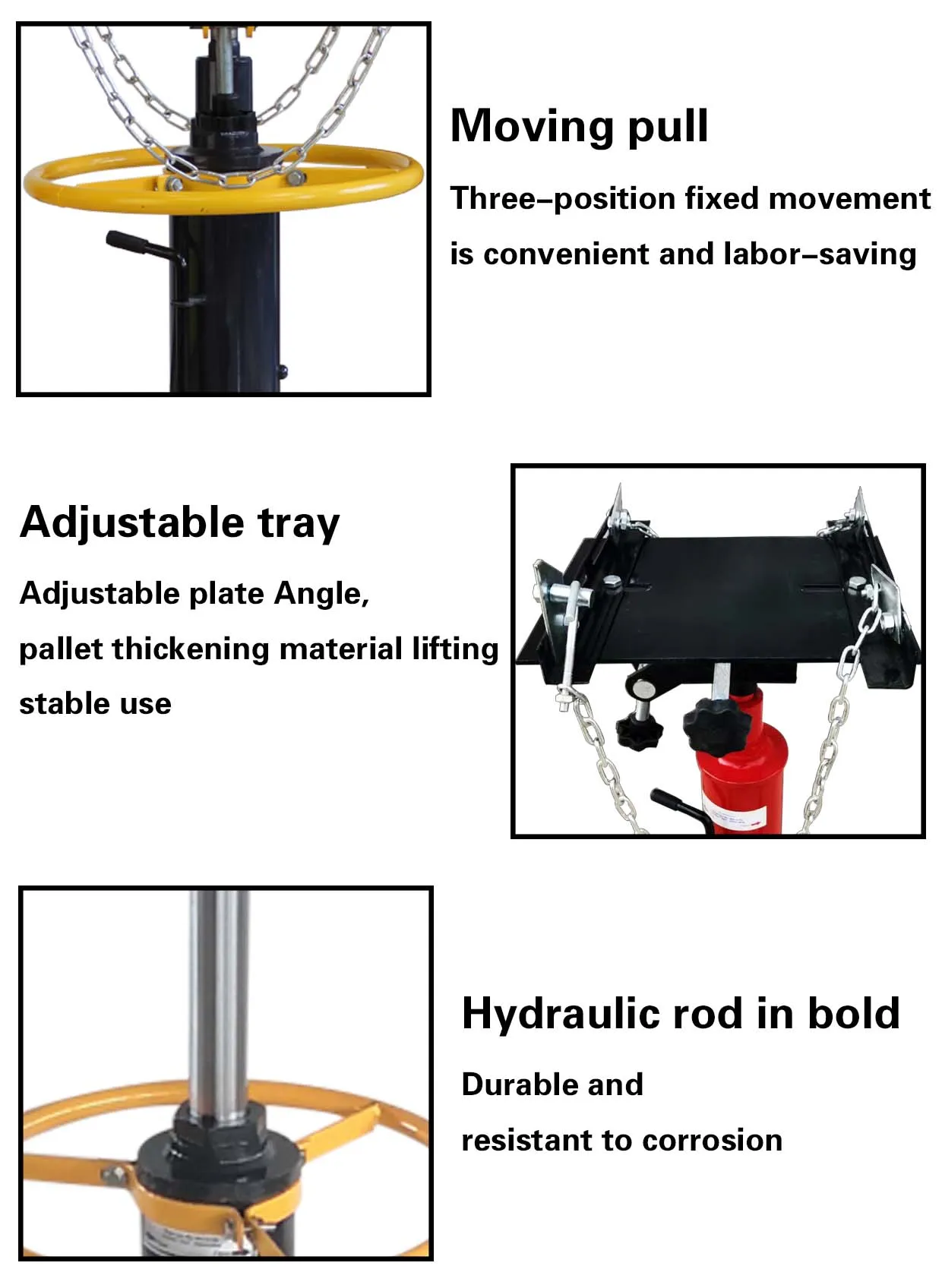
Hydraulic car stands are critical safety equipment utilized in automotive repair and maintenance. They function as adjustable support structures, replacing jack stands and providing a more controlled and secure lifting and lowering mechanism. Positioned within the automotive aftermarket tool sector, hydraulic car stands represent a technological advancement over traditional mechanical stands, offering enhanced stability and adjustable height settings achieved through hydraulic pressure. Their core performance characteristics center around load capacity, stability under load, and the precision of the hydraulic system. The increasing complexity of vehicle chassis and the emphasis on technician safety are key drivers for the adoption of hydraulic car stands in professional automotive workshops and increasingly, by skilled DIY mechanics. A fundamental understanding of their construction, operational principles, and maintenance requirements is essential for ensuring safe and efficient vehicle support.
Material Science & Manufacturing
The core components of a hydraulic car stand necessitate specific material properties to ensure structural integrity and operational longevity. The stand's frame, typically constructed from high-strength steel (specifically AISI 1045 or equivalent carbon steel), undergoes a rigorous manufacturing process. This begins with steel billet cutting, followed by forming – often using cold-rolled steel for increased yield strength and surface finish. Welding, predominantly shielded metal arc welding (SMAW) or gas metal arc welding (GMAW), joins the frame components, demanding precise parameter control to prevent weld defects such as porosity or cracking. Post-welding, the frame undergoes stress relieving heat treatment to minimize residual stresses that could compromise long-term structural stability.
The hydraulic cylinder itself utilizes honed steel tubing (typically AISI 1020) for the cylinder walls, providing a smooth surface for piston seal engagement. The piston is generally constructed from alloy steel, hardened and ground for durability. The hydraulic fluid, commonly a mineral oil-based formulation with corrosion inhibitors and viscosity index improvers, must exhibit excellent thermal stability and compatibility with the seals (typically nitrile rubber or Viton). Seal material selection is critical, considering fluid compatibility, operating temperature range, and pressure. Manufacturing the hydraulic cylinder involves precise machining of the cylinder bore and piston, followed by assembly under controlled conditions to eliminate air bubbles within the system. Powder coating is applied to the steel frame to provide corrosion resistance, and the hydraulic cylinder components undergo stringent quality control checks, including pressure testing and leak detection. The saddle, which contacts the vehicle, often utilizes reinforced polymer materials or steel with rubber padding to protect the vehicle's finish.
Performance & Engineering
The performance of a hydraulic car stand is governed by several key engineering principles. Load distribution is paramount. The stand's base must be designed with sufficient surface area to distribute the vehicle's weight over a wide footprint, preventing sinking into softer surfaces like asphalt. Force analysis dictates the required steel thickness and weld strength to withstand the rated load capacity without experiencing yield or fracture. Buckling analysis is crucial for the stand's uprights, ensuring they remain stable under compressive forces. The hydraulic system’s performance is characterized by its pressure rating, flow rate, and efficiency. The lever mechanism used to actuate the hydraulic pump must be designed for optimal mechanical advantage, minimizing operator effort.
Environmental resistance is a significant consideration. Exposure to moisture, road salts, and cleaning agents can induce corrosion. Protective coatings (powder coating or galvanization) are applied to mitigate this risk. Compliance requirements, such as those set forth by ASME B20.1 (Safety Standards for Lifting Devices) and regional safety regulations, dictate the stand's design and manufacturing parameters. The hydraulic system's release valve must function reliably to allow controlled lowering of the vehicle. Regular inspection and maintenance, including checking the hydraulic fluid level and seal integrity, are vital for maintaining performance and ensuring continued safety. Finite element analysis (FEA) is frequently employed during the design phase to simulate stress distributions and optimize the stand’s structural integrity.
Technical Specifications
| Parameter | Unit | Typical Value (6 Ton Stand) | Tolerance |
|---|---|---|---|
| Load Capacity | tons | 6 | ± 5% |
| Minimum Height | inches | 15 | ± 0.5 inch |
| Maximum Height | inches | 24 | ± 0.5 inch |
| Base Diameter | inches | 8 | ± 0.2 inch |
| Hydraulic Fluid Type | - | ISO VG 32 Mineral Oil | Compliant with manufacturer specs |
| Operating Temperature Range | °F | 32 to 158 | - |
Failure Mode & Maintenance
Hydraulic car stands are subject to several potential failure modes. Fatigue cracking can occur in the steel frame, particularly around weld points, due to repeated loading and unloading cycles. Corrosion, resulting from exposure to environmental elements, can weaken the steel structure. Hydraulic seal failure is a common issue, leading to a gradual loss of pressure and the inability to maintain the desired height. Air ingress into the hydraulic system can cause spongy operation and reduced lifting capacity. Degradation of the hydraulic fluid, due to contamination or oxidation, can compromise its lubricating properties and lead to internal component wear. Saddle failure, whether through cracking of the polymer material or detachment from the stand, presents a significant safety hazard.
Preventative maintenance is crucial. Regular inspection of the frame for cracks or signs of corrosion is essential. The hydraulic fluid should be checked for level and contamination, and replaced according to the manufacturer's recommendations (typically every 12-24 months). Seals should be inspected for leaks and replaced as needed. Proper storage in a clean, dry environment can minimize corrosion. Avoid exceeding the rated load capacity. Before each use, perform a pre-lift check by pumping the stand to its maximum height and slowly releasing the valve to verify smooth operation. If any unusual noises or irregularities are detected, immediately remove the stand from service and perform a thorough inspection. Avoid shock loading or dropping the stand, as this can damage internal components.
Industry FAQ
Q: What is the significance of the hydraulic fluid viscosity grade?
A: The viscosity grade (e.g., ISO VG 32) dictates the fluid's resistance to flow. A lower viscosity allows for faster operation, particularly in colder temperatures, while a higher viscosity provides better lubrication and sealing at higher temperatures and pressures. Using the wrong viscosity can lead to inefficient operation, seal damage, or component wear.
Q: How does the base diameter affect the stability of the stand?
A: A larger base diameter distributes the load over a wider area, reducing the pressure exerted on the supporting surface. This increases stability, particularly on softer surfaces like asphalt. A smaller base diameter increases the risk of sinking and potential instability.
Q: What are the implications of exceeding the rated load capacity?
A: Exceeding the rated load capacity can cause permanent deformation of the steel frame, weld failure, hydraulic system rupture, and potentially a catastrophic collapse. This poses a serious safety risk to personnel and can cause significant damage to the vehicle.
Q: What type of steel is typically used in the construction of the stand’s frame, and why?
A: AISI 1045 carbon steel or equivalent is commonly used due to its excellent balance of strength, ductility, and weldability. It provides sufficient tensile strength to withstand the applied loads and can be readily formed and welded into the required structural components.
Q: How often should the hydraulic fluid be replaced, and what are the signs that replacement is necessary?
A: Hydraulic fluid should typically be replaced every 12-24 months, or as recommended by the manufacturer. Signs that replacement is necessary include discoloration of the fluid, the presence of contaminants, reduced lifting speed, and spongy operation. Regular fluid changes maintain optimal system performance and prevent internal component wear.
Conclusion
Hydraulic car stands represent a significant advancement in vehicle support technology, offering improved safety and operational efficiency compared to traditional mechanical stands. Their performance is intrinsically linked to the material selection, manufacturing processes, and engineering design principles employed in their construction. A thorough understanding of these factors is crucial for ensuring long-term reliability and preventing catastrophic failures.
Continued advancements in materials science, such as the use of high-strength low-alloy steels and improved seal materials, are expected to further enhance the performance and durability of hydraulic car stands. Adherence to industry standards, coupled with rigorous quality control measures and preventative maintenance practices, remains paramount for maximizing the safety and longevity of these critical automotive service tools.
