Introduction
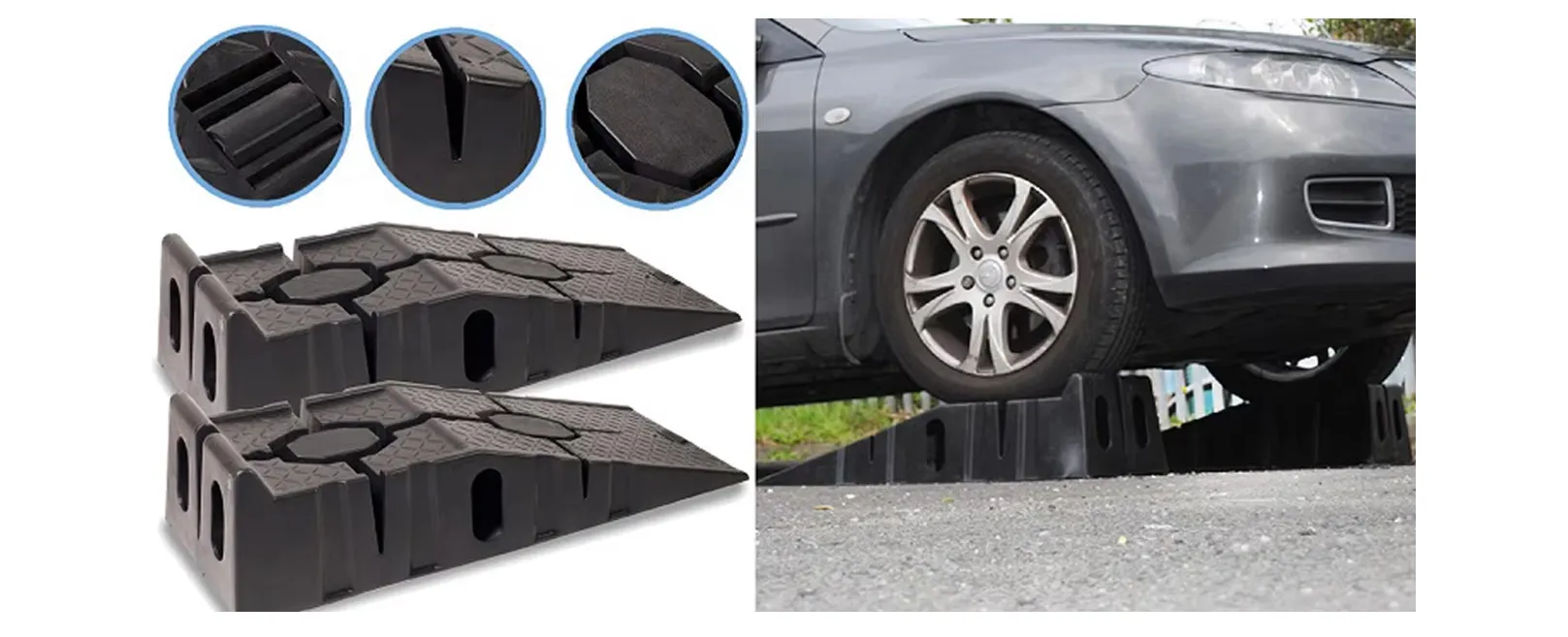
Hydraulic floor jacks and stands are essential lifting and support equipment in automotive, industrial, and construction environments. Positioned within the material handling and vehicle maintenance supply chain, these tools facilitate under-vehicle work by providing controlled elevation and stable support. Hydraulic floor jacks utilize Pascal’s principle to amplify force, enabling lifting of substantial loads with relatively minimal physical effort. Stands, conversely, provide static support once a load is raised, preventing accidental collapse during maintenance or repair. Core performance characteristics are defined by lifting capacity, minimum and maximum height ranges, safety locking mechanisms, and build quality dictating long-term durability. A primary industry pain point lies in ensuring operator safety through robust design, reliable locking systems, and adherence to stringent manufacturing standards. Another concern centers on material selection to resist corrosion and withstand repeated stress cycles, extending the lifespan of the equipment and minimizing the risk of catastrophic failure.
Material Science & Manufacturing
The primary material for hydraulic jack bodies and stand structures is typically carbon steel (AISI 1045 or equivalent), chosen for its strength, weldability, and cost-effectiveness. Higher-end models may utilize alloy steels like 4140 for increased tensile strength and toughness. Hydraulic cylinders employ honed steel tubing (DIN 2491 or equivalent) for precise piston movement and minimal leakage. Seals are commonly made from nitrile butadiene rubber (NBR) due to its resistance to hydraulic fluids and moderate temperatures. Stand support arms and locking pawls necessitate high yield strength steel to prevent deformation under load. Manufacturing processes for hydraulic jacks involve deep drawing for the jack body, precision machining of the cylinder bore, and heat treatment for hardening critical components. Welding (SMAW or MIG/MAG) is used to assemble structural elements. Stand manufacturing primarily relies on stamping or roll forming for creating the support arms, followed by welding of the base and locking mechanism. Parameter control is critical; heat treatment temperatures must be precisely maintained to achieve desired hardness levels, weld quality must be rigorously inspected to prevent porosity or cracking, and cylinder honing must meet exacting tolerances to ensure a tight seal. Powder coating or zinc plating provides corrosion resistance to steel components. Quality control includes hydrostatic pressure testing of jacks and load testing of stands to verify capacity and structural integrity.
Performance & Engineering
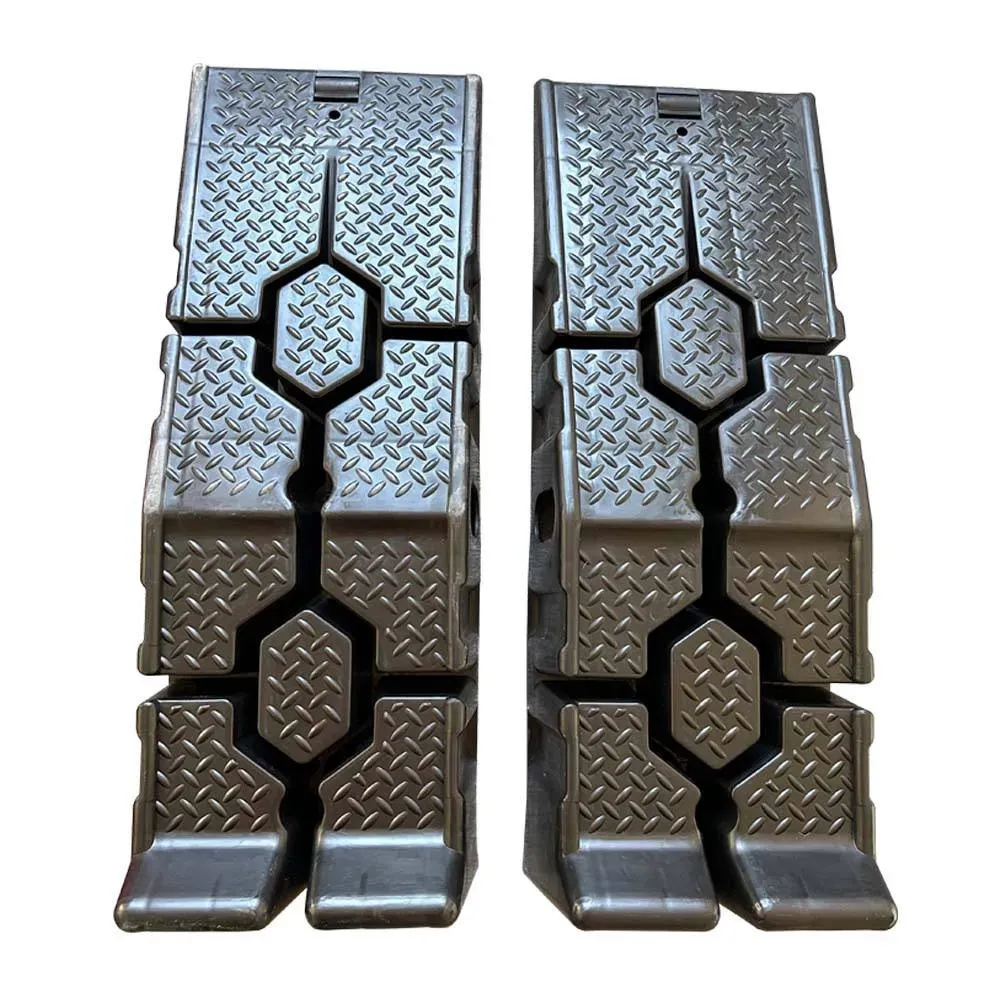
The lifting performance of hydraulic jacks is governed by Pascal’s Law (P = F/A), where pressure (P) is equal to force (F) divided by area (A). Engineering calculations must account for the piston area, hydraulic fluid pressure, and mechanical advantage of the lever arm. Force analysis focuses on shear stress in the piston rod and tensile stress in the jack body. Stand performance relies on the bending strength of the support arms and the shear strength of the locking pawls. Finite Element Analysis (FEA) is employed to optimize the design of these components, minimizing weight while maintaining sufficient structural integrity. Environmental resistance is a crucial consideration. Jacks and stands operating outdoors are susceptible to corrosion from moisture and salt spray. Protective coatings and material selection are essential. Compliance requirements are dictated by safety standards (see footer). The design of the locking mechanism in both jacks and stands must incorporate fail-safe features to prevent accidental release of the load. This typically involves multiple locking positions and a positive engagement mechanism. Hydraulic fluid selection impacts performance; viscosity influences lifting speed, and compatibility with seals is crucial to prevent degradation. Regular inspection of hydraulic fluid for contamination is vital for maintaining optimal performance.
Technical Specifications
| Parameter | Typical Value (2-Ton Jack/3-Ton Stand) | Typical Value (3-Ton Jack/5-Ton Stand) | Unit |
|---|---|---|---|
| Lifting Capacity | 2 | 3 | Ton |
| Minimum Lifting Height | 3.5 | 3.75 | in |
| Maximum Lifting Height | 24 | 27 | in |
| Stand Height Adjustment Range | 34-48 | 40-56 | in |
| Hydraulic Fluid Capacity | 0.3 | 0.5 | qt |
| Steel Grade (Body/Arms) | AISI 1045 | 4140 Alloy Steel | - |
Failure Mode & Maintenance
Common failure modes in hydraulic floor jacks include seal degradation leading to hydraulic fluid leakage (resulting in reduced lifting capacity or complete failure), piston rod corrosion causing binding, and weld failure in the jack body or handle. Stands can fail due to locking pawl deformation or breakage (resulting in load collapse), bending or fracture of support arms due to overload, and corrosion of critical structural components. Fatigue cracking can occur in stands subjected to repeated loading and unloading. Preventative maintenance is crucial. Regularly inspect for hydraulic fluid leaks, corrosion, and damage to the jack body, handle, and locking mechanism. Lubricate moving parts (piston rod, swivel casters) with appropriate grease. For stands, inspect locking pawls for wear and proper engagement. Ensure support arms are free from bends or cracks. Never exceed the rated lifting capacity of either the jack or the stands. Store equipment in a dry environment to prevent corrosion. Hydraulic fluid should be changed every 12-24 months or as recommended by the manufacturer. If a leak is detected, immediately remove the load and repair or replace the affected seal. Worn or damaged components should be replaced immediately. Always use stands in pairs and on a level surface.
Industry FAQ
Q: What is the significance of the ASME PASE 2019 standard for hydraulic floor jacks and stands?
A: ASME PASE 2019 (formerly ANSI/ASME PASE) establishes stringent safety requirements for the design, manufacturing, and testing of hydraulic floor jacks and stands. It covers aspects such as stability, lifting capacity, locking mechanisms, and material specifications. Compliance with this standard is crucial for ensuring operator safety and minimizing the risk of equipment failure. Procurement managers should verify that suppliers demonstrate adherence to this standard through testing reports and certifications.
Q: How does the quality of hydraulic fluid impact the lifespan of a hydraulic floor jack?
A: The quality and maintenance of hydraulic fluid are paramount. Contamination (dirt, water) causes abrasive wear on internal components (cylinder, seals) leading to leakage and reduced efficiency. Using the wrong type of fluid can degrade seals. Regular fluid changes, and using a fluid specifically designed for hydraulic jacks (typically ISO VG 32 or equivalent), extends the lifespan and ensures smooth operation.
Q: What are the key differences between carbon steel and alloy steel stands, and when would alloy steel be preferred?
A: Carbon steel stands are suitable for lighter-duty applications, offering a balance of strength and cost-effectiveness. Alloy steel stands (e.g., 4140) provide significantly higher tensile strength, yield strength, and toughness. They are preferred for heavier loads, demanding applications, and environments where fatigue resistance is critical. The increased cost of alloy steel is justified by improved safety and durability in high-stress scenarios.
Q: What is the role of the safety bypass valve in a hydraulic floor jack?
A: The safety bypass valve is a critical safety feature designed to prevent over-pressurization of the hydraulic system. If the jack reaches its maximum lifting capacity and continues to be pumped, the valve opens, releasing excess pressure and preventing damage to the jack or injury to the operator. Regular inspection of the bypass valve’s functionality is essential.
Q: How do different locking mechanism designs (tooth-type vs. pin-type) affect the stability of a jack stand?
A: Both tooth-type (ratchet) and pin-type locking mechanisms are designed to secure the stand at the desired height. Tooth-type mechanisms offer a wider range of adjustment increments, while pin-type mechanisms generally provide a more positive and secure lock, minimizing the risk of slippage. However, pin-type mechanisms require precise alignment for proper engagement. The quality of the steel used in the locking pawls and the precision of the manufacturing process are equally important, regardless of the locking mechanism type.
Conclusion
Hydraulic floor jacks and stands represent a critical intersection of mechanical engineering, material science, and safety standards. Their effective and safe operation relies on a comprehensive understanding of hydraulic principles, material properties, and potential failure modes. Selecting equipment that conforms to recognized industry standards (ASME PASE 2019, etc.) and implementing a robust preventative maintenance program are paramount for mitigating risk and ensuring long-term reliability.
The future of hydraulic lifting equipment will likely focus on incorporating advanced materials (e.g., lightweight alloys) to reduce weight, intelligent monitoring systems to detect potential failures, and enhanced safety features such as automatic locking mechanisms. Procurement decisions should prioritize not only initial cost but also lifecycle cost, factoring in durability, maintenance requirements, and potential safety implications.
