Introduction
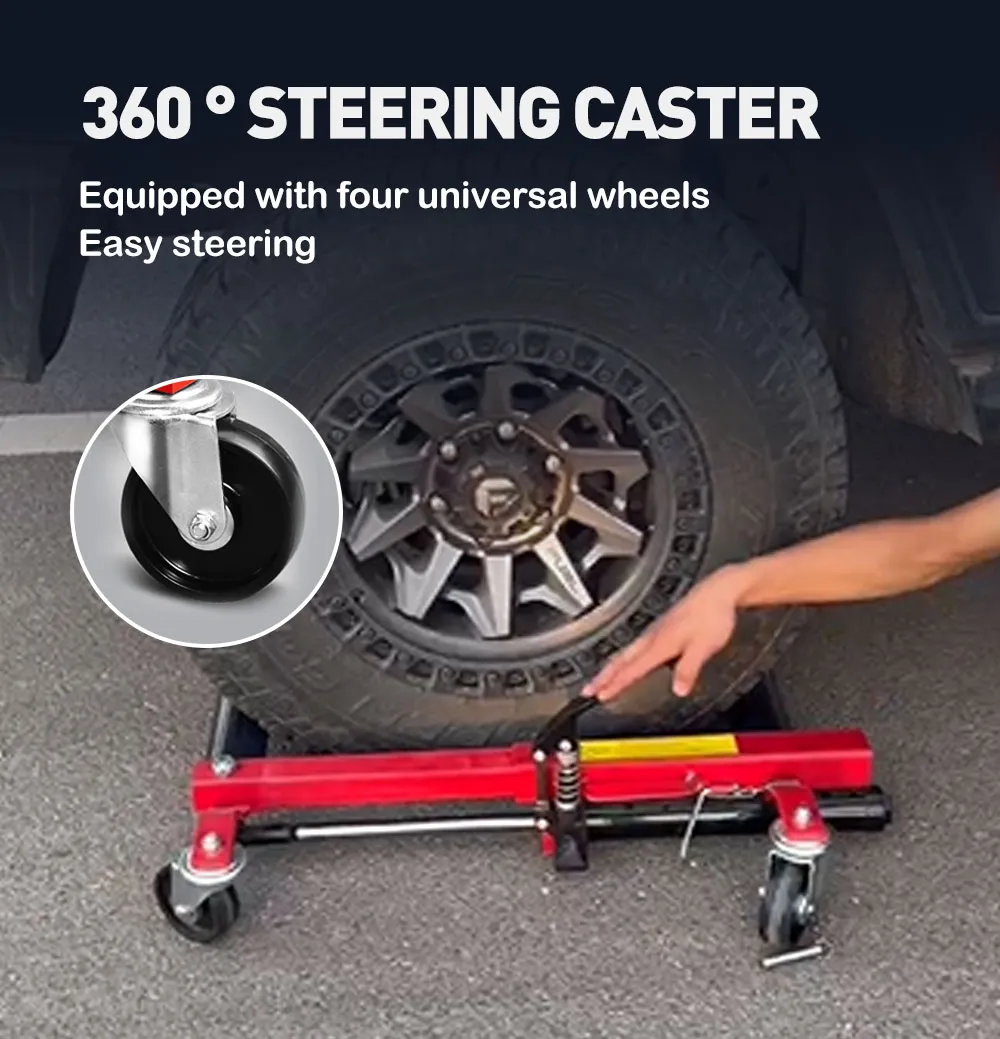
Hydraulic shop cranes are essential material handling equipment widely utilized in automotive repair, machinery maintenance, construction, and various industrial settings. Positioned within the lifting and hoisting segment of the broader materials handling industry, these cranes offer a versatile solution for controlled lifting and positioning of heavy loads within confined spaces. Unlike overhead cranes or larger mobile cranes, shop cranes prioritize maneuverability and precision, typically operating within workshops or indoor environments. Their core performance characteristics are defined by lifting capacity, boom length, lifting height, and the precision of hydraulic controls. A significant pain point in the industry revolves around ensuring robust safety mechanisms, addressing potential hydraulic fluid leaks, and providing durable components capable of withstanding frequent use in demanding environments. Recent advancements focus on incorporating load monitoring systems, improved hydraulic pump efficiency, and ergonomic design for enhanced operator comfort and safety.
Material Science & Manufacturing
The construction of a hydraulic shop crane relies on a combination of high-strength steels, hydraulic fluids, and precision-engineered components. The primary structural elements, including the boom, base, and lifting arm, are typically fabricated from ASTM A572 Grade 50 steel – a high-yield-strength, low-alloy structural steel known for its weldability and resistance to deformation. The hydraulic cylinders themselves utilize honed cylinder tubes made from AISI 1045 carbon steel, providing a smooth surface for piston travel and minimizing leakage. Piston rods are often constructed from chrome-plated alloy steel (e.g., 4140) to resist corrosion and wear. Hydraulic fluid, commonly a petroleum-based hydraulic oil conforming to ISO VG 46 standards, is crucial for power transmission. The manufacturing process begins with steel plate cutting and forming, followed by welding processes – primarily shielded metal arc welding (SMAW) and flux-cored arc welding (FCAW) – adhering to AWS D1.1 structural welding code. Welding parameter control, including amperage, voltage, and travel speed, is critical to ensure weld integrity and prevent cracking. Hydraulic cylinder manufacturing involves honing, sealing, and meticulous assembly to guarantee leak-proof operation. Component surface treatments, such as phosphating and powder coating, provide corrosion resistance. Quality control throughout the manufacturing process includes non-destructive testing (NDT) methods like ultrasonic testing (UT) and magnetic particle inspection (MPI) to identify potential flaws in welds and materials.
Performance & Engineering
The performance of a hydraulic shop crane is fundamentally governed by principles of fluid mechanics, structural mechanics, and materials science. Force analysis involves calculating the lifting capacity based on hydraulic pressure, cylinder bore area, and the mechanical advantage provided by the boom and linkage system. The maximum load is dictated by the cylinder’s pressure rating and the crane’s structural limits, calculated using finite element analysis (FEA) to identify stress concentrations. Environmental resistance is a key consideration. Exposure to corrosive environments necessitates the use of protective coatings and corrosion-resistant materials. Operating temperature ranges impact hydraulic fluid viscosity and pump efficiency; hydraulic fluids are typically selected for operational stability between -20°C and 80°C. Compliance requirements, such as those outlined in ASME B30.30 (for cranes and hoists) and OSHA regulations (29 CFR 1910), mandate regular inspections, load testing, and adherence to safe operating procedures. Functional implementation relies on a hydraulic power unit (HPU) consisting of a hydraulic pump, reservoir, control valves, and hoses. Control valves regulate the flow of hydraulic fluid to the cylinders, enabling precise lifting and lowering movements. Stability is ensured by a wide base and appropriate load distribution. Failure to account for load center of gravity can lead to tipping and instability, necessitating strict adherence to load charts and operating guidelines.
Technical Specifications
| Lifting Capacity (ton) | Boom Length (m) | Lifting Height (m) | Base Width (mm) |
|---|---|---|---|
| 2 | 1.5 | 2.0 | 1200 |
| 5 | 2.0 | 2.5 | 1500 |
| 10 | 2.5 | 3.0 | 1800 |
| 15 | 3.0 | 3.5 | 2000 |
| 20 | 3.5 | 4.0 | 2200 |
| 30 | 4.0 | 4.5 | 2500 |
Failure Mode & Maintenance
Hydraulic shop cranes are susceptible to several failure modes. Fatigue cracking can occur in the boom and lifting arm due to repeated stress cycles, particularly at weld points. Delamination can affect painted surfaces, accelerating corrosion. Degradation of hydraulic seals leads to fluid leaks and reduced system pressure. Oxidation of hydraulic fluid results in increased viscosity and decreased lubrication, contributing to pump wear. A common failure point is the hydraulic pump itself, often caused by contamination of the hydraulic fluid or cavitation. Another significant issue is cylinder drift, arising from internal leakage past piston seals. Maintenance is crucial for preventing these failures. Regular inspection of welds for cracks is paramount. Hydraulic fluid should be analyzed periodically for contamination and replaced according to manufacturer recommendations (typically every 6-12 months). Seals should be inspected for wear and replaced as needed. Lubrication of all moving parts, including pivot points and bearings, is essential. Load testing should be conducted annually to verify lifting capacity and structural integrity. Preventative maintenance checklists, adhering to ASME B30.30 guidelines, should be implemented and meticulously followed. Proper storage, minimizing exposure to harsh environmental conditions, extends the crane’s service life.
Industry FAQ
Q: What is the impact of hydraulic fluid viscosity on crane performance?
A: Hydraulic fluid viscosity directly affects pump efficiency and system responsiveness. Low viscosity can lead to increased internal leakage, reducing lifting power, while high viscosity increases resistance to flow, slowing down operation and increasing energy consumption. Selecting the correct ISO VG grade fluid for the operating temperature range is critical.
Q: How often should load testing be performed?
A: ASME B30.30 recommends annual load testing for all cranes and hoists. This involves applying a load exceeding the crane’s rated capacity to verify structural integrity and the functionality of safety devices. Detailed records of load testing should be maintained.
Q: What are the common causes of hydraulic cylinder drift?
A: Cylinder drift is typically caused by internal leakage past the piston seals. This can result from worn or damaged seals, contamination of the hydraulic fluid, or cylinder bore imperfections. Replacing the seals and ensuring fluid cleanliness are essential for resolving this issue.
Q: What types of corrosion protection are commonly used on shop cranes?
A: Common corrosion protection methods include phosphating, powder coating, and galvanizing. These treatments create a barrier against moisture and corrosive substances. Regular inspection and repair of any damaged coatings are necessary to maintain protection.
Q: What safety features are essential for a hydraulic shop crane?
A: Essential safety features include a load relief valve to prevent overloading, a hydraulic lock valve to prevent uncontrolled lowering, a stable base with adequate footprint, and clear load charts and operating instructions. Regular inspection and maintenance of these features are crucial.
Conclusion
Hydraulic shop cranes represent a critical component in numerous industrial workflows, providing a robust and maneuverable lifting solution. Their performance hinges on a complex interplay of material science, hydraulic principles, and stringent adherence to industry standards like ASME B30.30. Understanding the potential failure modes – ranging from fatigue cracking to hydraulic seal degradation – is paramount for proactive maintenance and ensuring long-term operational reliability.
Continued advancements in hydraulic pump technology, load monitoring systems, and ergonomic design will further enhance the safety, efficiency, and usability of these cranes. Investment in preventative maintenance programs, coupled with thorough operator training, remains the most effective strategy for mitigating risks and maximizing the return on investment in this essential equipment.
