Introduction
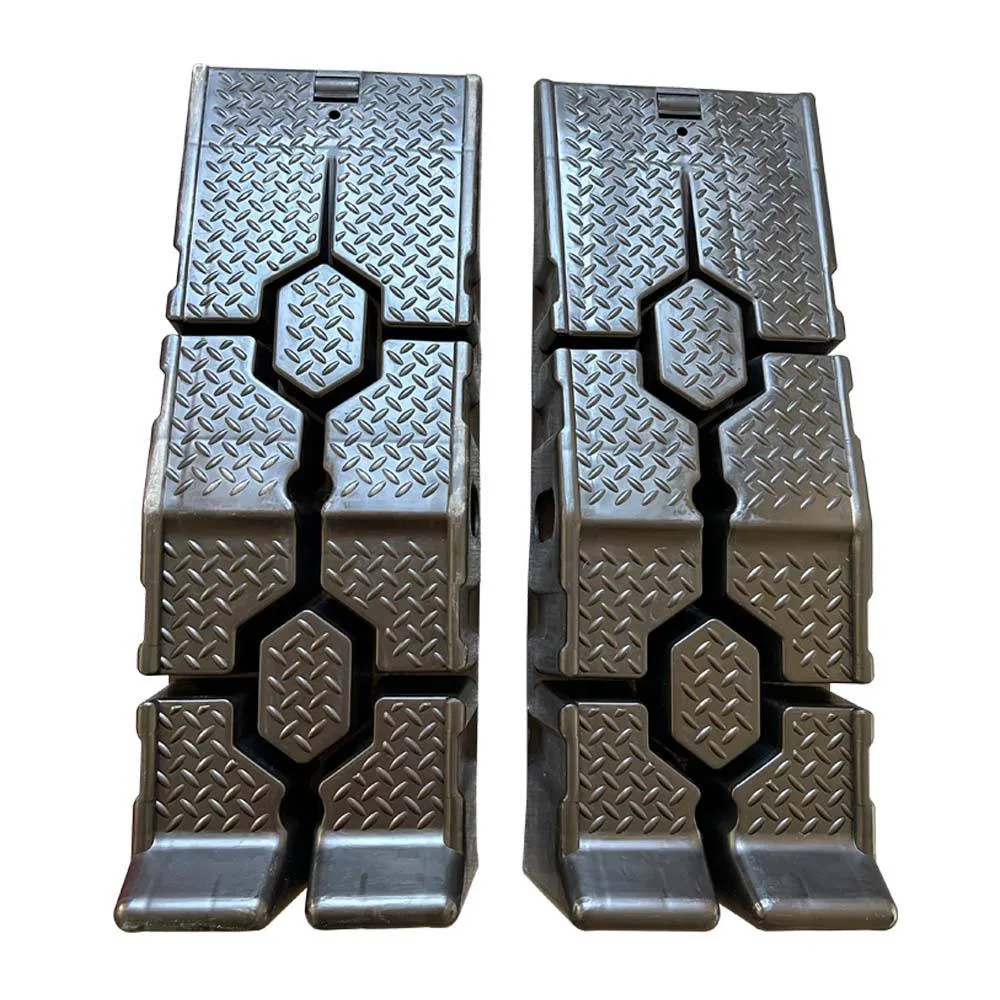
Jack stands, specifically those designed for automotive applications, are critical safety devices used to support vehicles after lifting with a jack. They are not lifting devices themselves; their sole purpose is to securely maintain elevation during maintenance or repair procedures. Within the automotive aftermarket, jack stands are classified based on weight capacity, height adjustability, and construction material. Common materials include steel, cast iron, and, increasingly, aluminum alloys. The core performance characteristic is static load capacity, typically measured in tons or pounds per pair, and the ability to maintain that capacity without deformation or failure under sustained load. The industry faces consistent pain points regarding substandard manufacturing leading to collapse, inadequate safety certifications, and a lack of standardized testing protocols readily available to end-users. This guide provides a comprehensive technical overview of jack stands, encompassing material science, manufacturing processes, performance engineering, failure analysis, and relevant industry standards.
Material Science & Manufacturing
The primary material for jack stands is typically carbon steel, specifically AISI 1045 or equivalent, due to its high yield strength and weldability. Cast iron is utilized for base components requiring compressive strength and damping characteristics. Aluminum alloys, such as 6061-T6, are increasingly employed to reduce weight, though they necessitate careful design considerations to maintain equivalent strength. Manufacturing processes vary based on component. The main support column often involves seamless steel tubing formed via cold drawing, offering a superior strength-to-weight ratio compared to welded alternatives. Base plates are typically formed through stamping or casting. Pawl mechanisms, responsible for locking the height adjustment, are precision-machined from hardened steel (HRC 45-50) to resist wear and deformation. Welding, when employed, uses submerged arc welding (SAW) or gas metal arc welding (GMAW) processes, requiring strict control of heat input and shielding gas composition to prevent hydrogen embrittlement and ensure weld integrity. Surface treatments, such as powder coating, are applied for corrosion resistance. Critical parameter control during manufacturing includes dimensional accuracy of the pawl teeth, weld penetration depth, and material hardness verification via Rockwell testing. Chemical composition of steel is verified using optical emission spectroscopy (OES) to guarantee conformance with material specifications.
Performance & Engineering
Performance of jack stands is fundamentally governed by principles of structural mechanics, particularly those related to buckling and material yield strength. The load-bearing capacity is determined by the cross-sectional area and yield strength of the support column. A critical engineering consideration is the slenderness ratio (length/radius of gyration) to prevent buckling failure. Finite element analysis (FEA) is employed during design to simulate stress distribution under maximum load conditions and identify potential weak points. Environmental resistance is crucial; prolonged exposure to moisture and road salts can induce corrosion. Powder coating provides a barrier, but salt spray testing (ASTM B117) is conducted to assess coating durability. Compliance requirements are dictated by standards such as ASME B30.23, which specifies testing procedures and load ratings. The pawl mechanism requires precise engagement to prevent slippage. Force analysis focuses on the shear force acting on the pawl teeth and the bending moment imposed on the locking lever. A safety factor of at least 2:1 is generally applied to all load-bearing components to account for manufacturing variations and dynamic loading.
Technical Specifications
| Capacity (per pair) | Minimum Height | Maximum Height | Base Width |
|---|---|---|---|
| 3 Ton (6,000 lbs) | 11.5 inches | 16.5 inches | 25 inches |
| 6 Ton (12,000 lbs) | 14 inches | 21 inches | 31 inches |
| 10 Ton (20,000 lbs) | 16 inches | 28 inches | 36 inches |
| 3 Ton (6,000 lbs) - Aluminum | 12 inches | 17 inches | 23 inches |
| 6 Ton (12,000 lbs) - Aluminum | 15 inches | 22 inches | 28 inches |
| Material (Column) | Carbon Steel (AISI 1045) | Cast Iron | Aluminum Alloy (6061-T6) |
Failure Mode & Maintenance
Common failure modes for jack stands include yield failure of the support column due to overloading, buckling failure resulting from excessive slenderness ratio or material defects, and pawl mechanism failure due to wear or fatigue cracking. Corrosion is a significant contributor to reduced structural integrity, especially in environments with high salt exposure. Fatigue cracking can initiate at weld points subjected to cyclic loading. Delamination of powder coating accelerates corrosion. Oxidation of steel components can reduce their cross-sectional area and yield strength. Regular maintenance is critical. This includes periodic inspection for corrosion, cracks, and deformation. Lubrication of the pawl mechanism with a light oil prevents binding and ensures smooth operation. Damaged or corroded jack stands must be removed from service immediately. Load testing, while not routinely performed by end-users, is the definitive method to verify structural integrity after suspected damage. Record keeping of inspection dates and maintenance activities is recommended. A critical failure analysis should be performed if a jack stand collapses under load to determine the root cause and prevent recurrence.
Industry FAQ
Q: What is the critical difference between dynamic and static load capacity for a jack stand?
A: Static load capacity refers to the maximum weight a jack stand can continuously support without deformation or failure. Dynamic load capacity, which is rarely specified by manufacturers for jack stands, accounts for impact forces and sudden loading. Jack stands are designed for static loads; dynamic loads, such as those experienced during vehicle movement, should be avoided. Exceeding the static load capacity significantly increases the risk of structural failure.
Q: How does the base width of a jack stand affect its stability?
A: A wider base provides a larger footprint, increasing the stand's resistance to tipping. The stability of a jack stand is directly proportional to the square of the base width. Larger vehicles or uneven surfaces necessitate jack stands with wider bases to maintain stability under load.
Q: What is the recommended maintenance interval for jack stands used in a professional automotive shop?
A: Professional shops should inspect jack stands before each use. A thorough annual inspection including corrosion checks, pawl mechanism lubrication, and visual inspection for cracks or deformation is also recommended. Detailed records of inspections should be maintained.
Q: Are aluminum jack stands as safe as steel jack stands, considering their lower density?
A: Aluminum jack stands can be equally safe if designed and manufactured to the same strength specifications as steel stands. However, the design must compensate for aluminum’s lower yield strength through increased material thickness or optimized geometry. It's crucial to verify the load capacity and ensure the aluminum stand meets relevant safety standards (e.g., ASME B30.23).
Q: What are the implications of using jack stands on uneven surfaces?
A: Using jack stands on uneven surfaces significantly reduces stability and increases the risk of tipping. Shimming the base of the jack stand with appropriately sized steel plates or wood blocks can help level the stand and distribute the load more evenly. However, the shimmed area must be fully supported by the jack stand base; cantilevered shims are unacceptable.
Conclusion
Jack stands are indispensable safety components in automotive maintenance, relying heavily on sound material science, robust manufacturing processes, and meticulous engineering design. Their performance is dictated by a delicate balance of load capacity, stability, and resistance to environmental factors. A thorough understanding of potential failure modes, coupled with diligent maintenance practices, is paramount to ensuring worker safety and preventing catastrophic equipment failure.
Looking forward, advancements in materials science, particularly the development of higher-strength aluminum alloys and improved corrosion-resistant coatings, will likely drive innovation in jack stand design. Increased adoption of non-destructive testing methods, such as ultrasonic inspection, could enhance quality control and identify defects before they lead to failure. Furthermore, standardization of testing protocols and clear labeling of load capacity and limitations will be crucial to mitigating the risks associated with substandard products.
