Introduction
Jack stands for lowered cars represent a specialized category of lifting support equipment, distinguished by their reduced minimum height and increased structural integrity requirements. Within the automotive maintenance and modification industry chain, they bridge the gap between vehicle setup and safe working conditions, particularly crucial for vehicles utilizing aftermarket suspension systems that lower ride height. Standard jack stands often lack the necessary clearance for safely supporting lowered vehicles, creating a significant safety risk. These specialized stands are designed to address this, providing a stable and secure platform for maintenance, repair, and modification procedures. Core performance characteristics center around static load capacity, stability under dynamic loads (during work), minimal height reach, and resistance to deformation. The growing trend of vehicle modification, specifically lowering, drives the demand for these specialized supports, creating a niche requiring precision engineering and stringent quality control. Failure to utilize appropriately rated and designed jack stands on lowered vehicles can result in catastrophic vehicle damage, personal injury, or death.
Material Science & Manufacturing
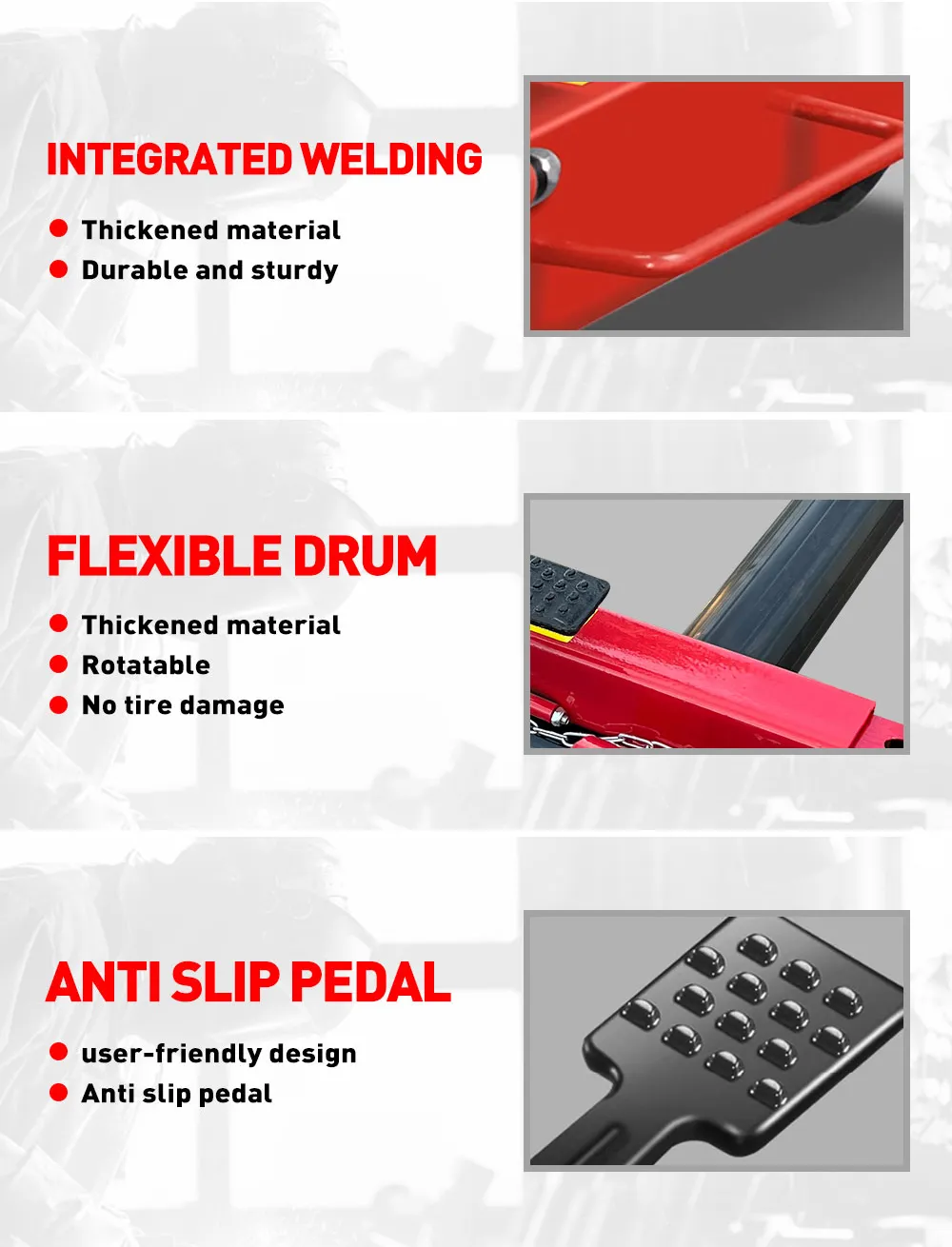
The primary material in the construction of jack stands for lowered cars is typically high-strength carbon steel, specifically ASTM A572 Grade 50, due to its favorable yield strength (approximately 50 ksi) and weldability. Manufacturing processes begin with steel plate cutting, employing CNC laser or plasma cutting for dimensional accuracy. Key structural components – the base, upright post, and saddle – are formed through hydraulic pressing or stamping. Welding is a critical stage, often utilizing GMAW (Gas Metal Arc Welding) or FCAW (Flux-Cored Arc Welding) processes with certified welders adhering to AWS D1.1 standards. Post-welding, components undergo stress relieving to mitigate residual stresses and prevent premature failure. The saddle, the component contacting the vehicle, often incorporates a polyurethane or rubber pad for surface protection and increased friction. The grade of polyurethane dictates its resistance to compression set and chemical degradation from automotive fluids. Lowered car jack stands often employ a telescopic design, requiring precision machining of the inner and outer post sections to ensure smooth operation and prevent binding. Parameter control during manufacturing emphasizes dimensional tolerances (critical for stability), weld penetration depth (ensuring joint strength), and surface finish (preparing for powder coating). Powder coating, typically employing epoxy or polyester-based formulations, provides corrosion resistance and aesthetic appeal. Material compatibility is crucial; for instance, the polyurethane pad must be chemically resistant to brake fluid, motor oil, and other automotive chemicals. Raw material traceability is also essential, ensuring compliance with material certifications and quality standards.
Performance & Engineering
The performance of jack stands for lowered cars is fundamentally governed by principles of structural mechanics, specifically compressive stress and buckling analysis. The load-bearing capacity, typically ranging from 2 to 3 tons per stand, must exceed the static weight of the vehicle, plus a safety factor (typically 1.5-2.0) to account for dynamic loads during work. Stability is paramount; the base geometry (width and length) is engineered to resist tipping moments. Finite Element Analysis (FEA) is routinely employed during the design phase to optimize structural geometry and identify potential stress concentrations. The minimal height reach, often under 3 inches, necessitates a robust locking mechanism to secure the upright post at the desired height. This mechanism typically involves a shear pin or ratchet system, designed to withstand significant shear forces. Environmental resistance is another critical factor. Jack stands are frequently used in harsh workshop environments, exposed to moisture, corrosive chemicals, and temperature fluctuations. The powder coating must provide adequate protection against corrosion, and components must be selected for their resistance to degradation. Compliance requirements often include adherence to ASME PASE-2014 standards (Safety Requirements for Portable Automotive Lifting Devices) and potentially country-specific regulations. Force analysis during design considers worst-case scenarios, including off-center loading and impact forces. The saddle design must maximize contact area with the vehicle’s chassis to distribute the load effectively and minimize the risk of slippage or damage. Regular inspection and maintenance, as outlined in the manufacturer's instructions, are crucial for maintaining performance and preventing failure.
Technical Specifications
| Capacity (tons) | Minimum Height (in) | Maximum Height (in) | Base Width (in) |
|---|---|---|---|
| 2.0 | 2.75 | 15.75 | 8.0 |
| 3.0 | 3.0 | 18.0 | 9.5 |
| 2.5 | 2.5 | 16.5 | 7.5 |
| 3.5 | 3.5 | 20.0 | 10.0 |
| 2.0 | 2.25 | 14.5 | 6.5 |
| 3.0 | 3.25 | 19.0 | 11.0 |
Failure Mode & Maintenance
Failure modes in jack stands for lowered cars typically fall into several categories. Yielding or buckling of the upright post under excessive load is a common failure point, often exacerbated by pre-existing corrosion or material defects. Weld failure, particularly at critical weld joints, can occur due to fatigue cracking or inadequate weld penetration. The locking mechanism is susceptible to wear and tear, potentially leading to slippage or unintended lowering of the vehicle. Saddle deformation or cracking can occur due to concentrated stress or impact damage. Corrosion, especially in coastal or humid environments, weakens the steel structure and accelerates failure. Fatigue cracking can initiate at stress concentrations, such as weld toes or around bolt holes, and propagate over time under cyclic loading. Maintenance involves regular visual inspection for signs of damage, corrosion, or wear. The locking mechanism should be tested periodically to ensure proper function. Lubrication of moving parts, such as the telescopic post, prevents binding and ensures smooth operation. Any signs of weld cracking, material deformation, or component failure necessitate immediate removal of the jack stand from service. Replacing worn or damaged components with OEM-specified parts is crucial. Annual load testing, while not commonly practiced, can provide a quantitative assessment of the jack stand's remaining capacity. Proper storage in a dry environment minimizes corrosion risk. Avoid exceeding the stated load capacity under any circumstances.
Industry FAQ
Q: What is the primary difference between a standard jack stand and one designed for lowered vehicles?
A: The key difference lies in the minimum height extension. Standard jack stands typically have a minimum height of 15-16 inches, which is often too high to safely support a lowered vehicle. Jack stands designed for lowered cars achieve significantly lower minimum heights, often below 3 inches, allowing for secure lifting and support. Furthermore, lowered-car jack stands often feature a higher degree of structural reinforcement to account for the increased stress and potential for instability.
Q: What load capacity should I look for when selecting jack stands for my lowered car?
A: Always choose jack stands with a combined load capacity that exceeds the total weight of your vehicle. A good rule of thumb is to use a safety factor of 1.5 to 2.0. For example, if your vehicle weighs 3000 lbs, you should use jack stands with a combined capacity of at least 4500-6000 lbs. Consider the distribution of weight and whether you'll be working under the vehicle with additional tools or components present.
Q: How important is the base width of the jack stand?
A: Base width is crucial for stability. A wider base provides a larger footprint, reducing the risk of tipping. Choose jack stands with a base width appropriate for your vehicle's chassis and the anticipated working conditions. Uneven surfaces can significantly reduce stability, so ensure the jack stands are positioned on a firm, level surface.
Q: What materials are jack stands typically made from, and how does that affect their durability?
A: Most jack stands are constructed from high-strength carbon steel, like ASTM A572 Grade 50. The quality of the steel and the welding process are paramount. Powder coating is applied to resist corrosion. Higher-grade steel, proper welding techniques, and a robust powder coat finish contribute to long-term durability. Avoid jack stands made from inferior materials or with visible welding defects.
Q: What is the correct procedure for using jack stands on a lowered vehicle?
A: First, always use a quality floor jack to lift the vehicle to the desired height. Never rely solely on the jack stand for lifting. Place the jack stands on designated lift points on the vehicle’s chassis, as specified in the owner’s manual. Ensure the saddle is fully engaged with the lift point and the locking mechanism is securely fastened. Lower the vehicle onto the jack stands slowly and carefully. Before working under the vehicle, double-check that all jack stands are properly positioned and locked.
Conclusion
Jack stands designed for lowered vehicles represent a critical safety component within the automotive maintenance ecosystem. Their specialized design addresses the unique challenges posed by reduced ground clearance and the need for robust structural support. Understanding the material science, manufacturing processes, and performance engineering principles behind these products is paramount for ensuring safe and reliable operation. The selection of appropriate jack stands, coupled with proper usage and maintenance, directly mitigates the risk of vehicle damage and personal injury.
The continued evolution of vehicle modification trends will undoubtedly drive further innovation in jack stand design, potentially incorporating advanced materials and intelligent locking mechanisms. Prioritizing quality, adherence to industry standards (ASME PASE-2014, etc.), and a thorough understanding of load capacity and stability are essential for professionals and enthusiasts alike. Implementing rigorous quality control during manufacturing and promoting comprehensive user training remain crucial for maximizing the safety and longevity of these essential tools.
