Introduction
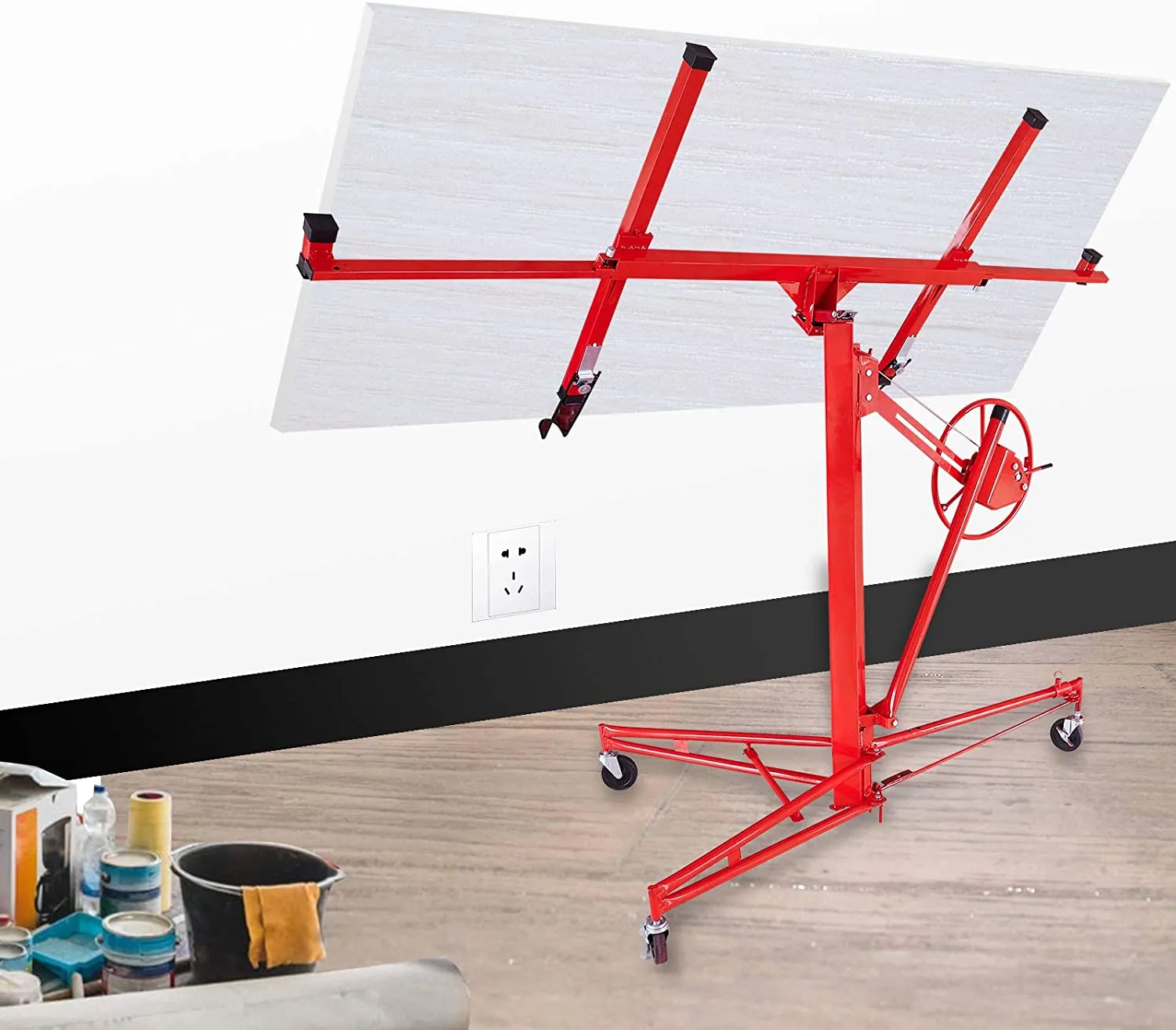
Low car jack stands are essential tools in automotive maintenance and repair, providing a stable and secure platform for supporting vehicles during various procedures. Positioned within the automotive tool chain as a safety-critical component alongside hydraulic jacks, they enable technicians and enthusiasts to work safely beneath a raised vehicle. Unlike hydraulic jacks, which are designed for lifting, jack stands are specifically engineered for sustaining a load. Their primary performance characteristics include load capacity, height adjustability, base stability, and durability. The increasing complexity of vehicle undercarriage access, coupled with a growing DIY automotive maintenance market, drives the continued demand for robust and reliable low car jack stands. A critical pain point in the industry is ensuring consistent manufacturing quality to prevent catastrophic failure, a risk directly impacting user safety and potentially leading to significant legal liabilities.
Material Science & Manufacturing
The majority of low car jack stands utilize structural steel, specifically AISI 1018 or similar carbon steel grades, due to its balance of cost, weldability, and tensile strength. Raw material selection considers yield strength (typically 36,000 psi or 248 MPa), elongation (minimum 18%), and impact toughness, particularly at lower temperatures. Manufacturing typically involves a combination of processes. Initial material is often sourced as steel tubing and flat stock. The stands' frames are primarily formed through robotic welding, employing Gas Metal Arc Welding (GMAW) or Flux-Cored Arc Welding (FCAW) processes. Key parameters controlled during welding include voltage, amperage, travel speed, and shielding gas composition (typically Argon/CO2 mixtures) to ensure complete penetration and minimize porosity. The pawl locking mechanisms, responsible for height adjustment, are often manufactured from high-strength alloy steel (e.g., 4140) and undergo heat treatment (hardening and tempering) to enhance wear resistance and prevent deformation under load. The base plates are frequently constructed from thicker gauge steel to distribute the load over a larger area, minimizing ground contact pressure. Powder coating, typically epoxy-based, is applied as a final finish to provide corrosion resistance and improve aesthetic appearance. Quality control focuses on weld integrity (radiographic inspection), dimensional accuracy, and pawl locking mechanism functionality.
Performance & Engineering
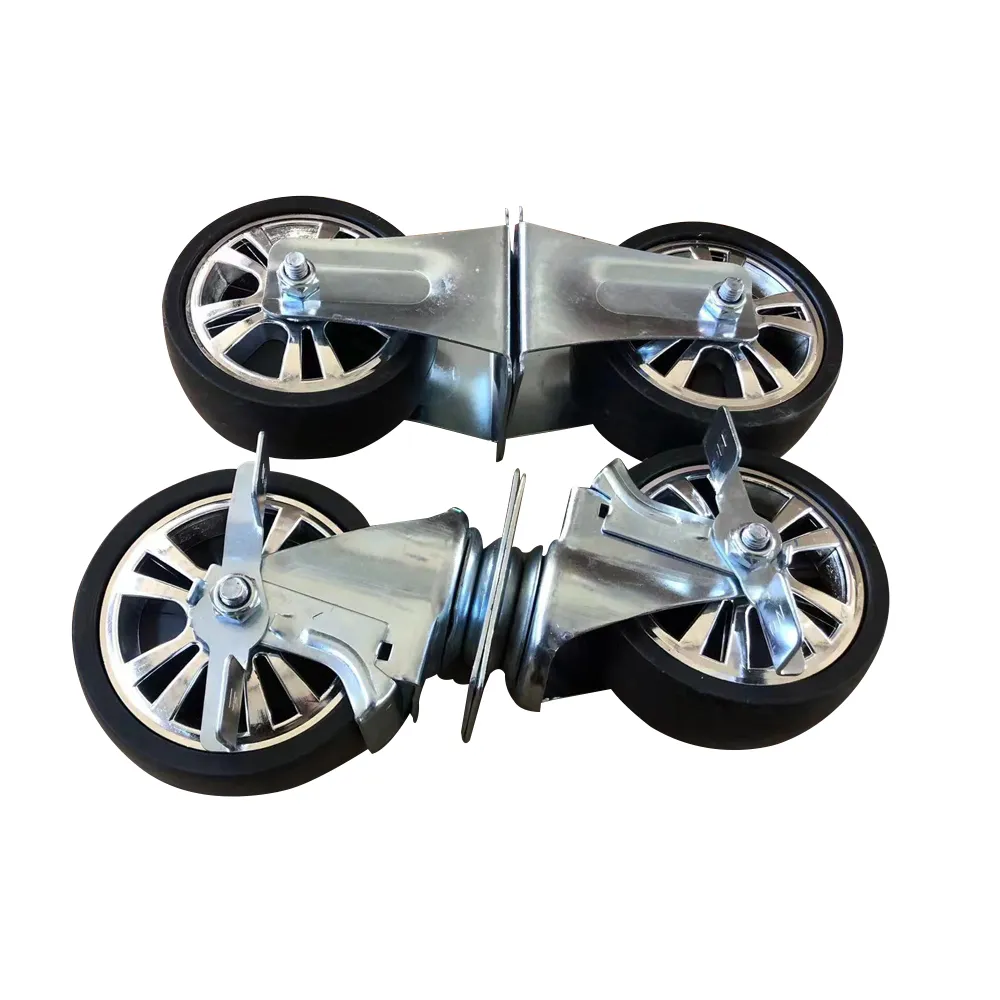
The primary engineering concern for low car jack stands is structural integrity under static and dynamic loading. Force analysis, often employing Finite Element Analysis (FEA), is critical in optimizing frame geometry and material thickness. FEA simulations assess stress distribution, buckling potential, and deflection under maximum load conditions. Stability is paramount; the base footprint and center of gravity must be carefully designed to prevent tipping. A critical parameter is the load distribution across the base plate – uneven surfaces can significantly reduce stability. Pawl locking mechanisms are subject to shear and tensile forces; the ratchet teeth are engineered with a specific pressure angle and tooth profile to ensure reliable engagement. Environmental resistance is another key performance factor. Exposure to moisture, road salt, and other corrosive agents can accelerate steel corrosion. Design considerations include drainage holes to prevent water accumulation and the use of corrosion-resistant coatings. Compliance requirements, such as those stipulated by ASME B30.23 (Safety Standard for Hydraulic and Pneumatic Hoists), dictate minimum load testing protocols and marking requirements. Additionally, considerations regarding static friction on the contact surface must be addressed to prevent slippage.
Technical Specifications
| Capacity (tons) | Minimum Height (in) | Maximum Height (in) | Base Width (in) |
|---|---|---|---|
| 2 | 11 | 16.5 | 8.5 |
| 3 | 12.5 | 18.1 | 10 |
| 6 | 15 | 24 | 12 |
| 8 | 16 | 29.5 | 14 |
| 10 | 17.5 | 32 | 16 |
| 15 | 20 | 38 | 18 |
Failure Mode & Maintenance
Common failure modes for low car jack stands include yield or fracture of the structural steel due to exceeding load capacity. This is often preceded by visible deformation, such as bending or buckling. Fatigue cracking can occur at weld points subjected to repeated loading cycles, particularly if welds contain defects or are improperly executed. Pawl locking mechanism failure is another significant concern. Wear on the ratchet teeth can lead to slippage, and corrosion can seize the mechanism, preventing proper engagement. Base plate deformation or cracking can occur due to localized stress concentration or corrosion. Corrosion, particularly in harsh environments, can lead to general material degradation, weakening the stand’s structural integrity. Maintenance should include regular visual inspection for signs of damage, corrosion, or deformation. The pawl locking mechanism should be periodically lubricated with a suitable penetrating oil to ensure smooth operation. Welds should be inspected for cracks or signs of fatigue. Any stand exhibiting signs of damage should be immediately removed from service. Load testing, while not typically performed by end-users, is crucial during manufacturing and should be documented. A common mistake is exceeding the rated capacity – users must always verify the vehicle’s weight before using jack stands.
Industry FAQ
Q: What is the difference between dynamic and static load capacity?
A: Static load capacity refers to the maximum weight a jack stand can safely support when applied gradually and maintained consistently. Dynamic load capacity, while less explicitly stated, refers to the stand’s ability to withstand shock loads or sudden impacts. It is always lower than the static load capacity, and exceeding the static rating with a sudden impact can lead to failure, even if the weight itself is within limits.
Q: How often should jack stands be replaced?
A: There isn't a fixed replacement schedule. Jack stands should be replaced if they show any signs of damage – cracks, deformation, corrosion, or a malfunctioning pawl mechanism. Regular inspection is vital. Even if seemingly undamaged, stands used heavily in a professional setting may benefit from replacement every 3-5 years, depending on usage frequency and environmental conditions.
Q: Are all jack stands created equal in terms of steel quality?
A: No. The grade of steel used, along with the welding quality and heat treatment processes, significantly impacts a jack stand’s strength and durability. Cheaper stands often utilize lower-grade steel and exhibit inferior welding, increasing the risk of failure. Checking for certifications and verifying the manufacturer’s quality control processes is recommended.
Q: Can I use a wooden block under the jack stand base for added stability on uneven ground?
A: While seemingly helpful, this is generally not recommended. Introducing a wooden block can create an unpredictable point of failure. The base plate is designed to distribute the load evenly. An uneven surface or an inadequately sized block can concentrate stress and compromise stability. It’s better to find a more level working surface or use shims specifically designed for leveling jack stands.
Q: What is the significance of the pawl mechanism's "tooth count"?
A: A higher tooth count on the pawl mechanism generally provides finer height adjustment increments and a more secure locking position. It also distributes the load over more teeth, reducing the stress on individual teeth and minimizing the risk of slippage. However, a very high tooth count can also make the mechanism more complex and prone to jamming if not properly maintained.
Conclusion
Low car jack stands represent a fundamental safety component in automotive work, demanding robust design, meticulous manufacturing, and diligent maintenance. The choice of materials, welding techniques, and pawl mechanism engineering directly correlate to a stand's load capacity, stability, and longevity. Adherence to industry standards, such as ASME B30.23, and rigorous quality control procedures are paramount to mitigate the risk of catastrophic failure and ensure user safety.
Moving forward, advancements in material science, such as the utilization of higher-strength alloys and improved corrosion-resistant coatings, will contribute to the development of more durable and reliable jack stands. Furthermore, the integration of smart technologies, like load sensors and digital locking mechanisms, could enhance safety and provide real-time feedback on stand performance. A continued focus on user education regarding proper usage and maintenance practices remains critical for maximizing safety and extending the service life of these essential tools.
