Introduction
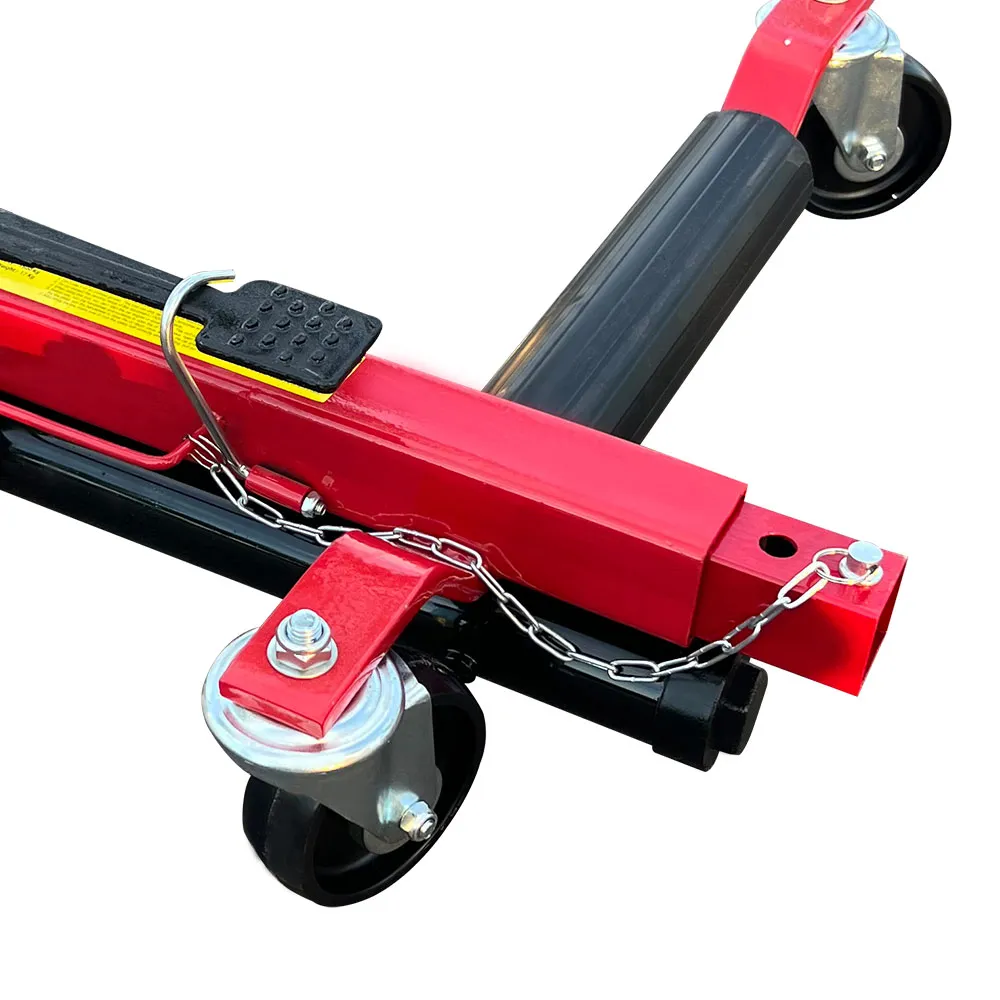
Low profile engine cranes are specialized lifting devices integral to automotive repair, heavy equipment maintenance, and industrial assembly operations. Distinguished by their reduced header height, these cranes facilitate engine removal and installation in vehicles with limited overhead clearance – a common constraint in modern automotive designs. Unlike standard engine cranes, which often require significant vertical space, low profile models optimize accessibility within confined engine bays. Their technical position within the industry chain encompasses design engineering, steel fabrication, hydraulic system integration, and quality assurance processes aligned with stringent safety standards. Core performance metrics center on lifting capacity, boom reach, header height, and hydraulic system efficiency, directly impacting workflow productivity and minimizing the risk of damage to engines and vehicle structures. A key industry pain point revolves around achieving sufficient lifting height while maintaining a low overall profile, requiring a sophisticated balance of structural engineering and hydraulic mechanics.
Material Science & Manufacturing
The construction of low profile engine cranes relies heavily on high-strength steel alloys, primarily ASTM A36 for the main structural components (boom, base, upright) and ASTM A572 Grade 50 for increased yield strength in critical stress areas. The steel undergoes a rigorous fabrication process including precision cutting, welding (typically shielded metal arc welding - SMAW, or gas metal arc welding - GMAW conforming to AWS D1.1 standards), and normalized annealing to relieve internal stresses and improve ductility. Hydraulic cylinders, responsible for lifting and extending the boom, utilize 4140 alloy steel for the piston rods, offering superior tensile strength and wear resistance. Seals within the hydraulic system are commonly composed of nitrile butadiene rubber (NBR) or Viton fluorocarbon elastomer, selected for their compatibility with hydraulic fluid and resistance to degradation. Manufacturing tolerances are critical; precise machining of pivot points and weld preparations minimizes stress concentrations and ensures smooth operation. Powder coating, applied post-fabrication, provides corrosion protection, typically meeting ASTM B117 salt spray testing requirements. The hydraulic fluid used is typically ISO VG 46 hydraulic oil, chosen for its viscosity, thermal stability, and anti-wear properties. Precise control of welding parameters (current, voltage, travel speed) is vital to prevent weld defects like porosity or lack of fusion, which significantly compromise structural integrity.
Performance & Engineering
Performance of a low profile engine crane is fundamentally governed by principles of statics and mechanics. Force analysis centers on calculating the bending moment applied to the boom under load, ensuring the structure remains within its allowable stress limits. The hydraulic system's performance is characterized by its pressure rating (typically 3000-5000 PSI), flow rate (determining lifting speed), and efficiency (minimizing energy losses). Stability is paramount; the base of the crane must provide sufficient resistance to overturning moments generated by the lifted load. Engineering design incorporates a wide base and strategically positioned counterweights to enhance stability. Environmental resistance is addressed through corrosion protection (powder coating) and selection of materials suitable for operating temperatures ranging from -20°C to +60°C. Compliance requirements include adherence to ASME B30.9 standards for slings and lifting devices, ensuring safe operation and preventing catastrophic failures. The low profile design necessitates careful optimization of the boom geometry. A shorter boom length reduces header height but also limits reach. Finite element analysis (FEA) is commonly employed to simulate stress distribution under various loading conditions and optimize the structural design for minimal weight and maximum strength. Regular inspection and maintenance of the hydraulic system (checking for leaks, maintaining fluid levels, and inspecting hoses) are crucial for sustained performance and preventing component failure.
Technical Specifications
| Capacity (tons) | Lift Height (inches) | Minimum Header Height (inches) | Boom Length (inches) |
|---|---|---|---|
| 2 | 78 | 33 | 63 |
| 3 | 85 | 39 | 72 |
| 4 | 92 | 45 | 84 |
| 5 | 98 | 51 | 90 |
| 6 | 104 | 57 | 96 |
| 8 | 112 | 63 | 108 |
Failure Mode & Maintenance
Failure modes in low profile engine cranes typically stem from material fatigue, hydraulic system failures, and structural overload. Fatigue cracking can occur in the boom or upright due to repeated stress cycles, particularly at weld joints. Delamination of powder coating exposes the underlying steel to corrosion, weakening the structure over time. Hydraulic system failures can result from seal degradation (leading to fluid leaks and pressure loss), pump cavitation (caused by air ingestion), or cylinder drift (due to internal wear). Structural overload occurs when the lifted load exceeds the crane's rated capacity, potentially leading to boom bending or collapse. Oxidation of hydraulic fluid can also degrade performance and cause internal corrosion. Regular maintenance is critical for preventing these failures. This includes visual inspection for cracks, corrosion, and wear; lubrication of pivot points; hydraulic fluid level checks and filtration; and periodic testing of the hydraulic system's pressure relief valve. Non-destructive testing methods, such as magnetic particle inspection (MPI) or ultrasonic testing (UT), can detect hidden cracks in critical structural components. Worn or damaged hydraulic hoses should be replaced immediately. It's crucial to adhere to the manufacturer's recommended maintenance schedule and operating procedures. Proper load balancing and avoiding side loading are essential for preventing structural stress and ensuring safe operation.
Industry FAQ
Q: What is the primary advantage of a low profile engine crane compared to a standard model?
A: The primary advantage is its ability to operate in confined spaces with limited overhead clearance, making it ideal for modern vehicles with tightly packed engine bays. Standard cranes often lack the necessary header height for these applications, requiring significant modification or making engine removal impractical.
Q: How does the hydraulic system affect the lifting capacity and speed of the crane?
A: The hydraulic system's pressure rating directly correlates to the lifting capacity. Higher pressure allows for lifting heavier loads. The flow rate of the hydraulic pump dictates the lifting speed – a higher flow rate results in faster lifting and lowering. System efficiency minimizes energy loss, maximizing performance.
Q: What safety features are essential for a low profile engine crane?
A: Essential safety features include a robust base for stability, a pressure relief valve to prevent overloading, high-quality hydraulic hoses and fittings, a smooth and reliable lifting mechanism, and clear load capacity markings. Regular inspection and maintenance are also critical safety components.
Q: What type of steel is typically used in the construction of the crane's boom, and why?
A: High-strength steel alloys, such as ASTM A36 or A572 Grade 50, are commonly used. These alloys provide the necessary tensile strength and yield strength to withstand the bending moments generated during lifting, while maintaining a reasonable weight.
Q: What preventative maintenance is required to extend the lifespan of the crane?
A: Preventative maintenance includes regular visual inspections for cracks or corrosion, lubrication of moving parts, hydraulic fluid level checks and filtration, hose inspection and replacement as needed, and adherence to the manufacturer’s recommended maintenance schedule. Periodic non-destructive testing (NDT) of critical components is also advisable.
Conclusion
Low profile engine cranes represent a critical advancement in automotive and industrial lifting technology, specifically addressing the challenges posed by increasingly compact engine compartments. The successful operation and longevity of these cranes depend on a confluence of factors, encompassing material science, precise manufacturing processes, rigorous engineering analysis, and diligent maintenance practices. The careful selection of high-strength steel alloys, coupled with advanced welding techniques, ensures structural integrity under demanding loads.
Moving forward, continued innovation will likely focus on optimizing boom designs for increased reach without compromising header height, and incorporating intelligent monitoring systems to detect potential failures before they occur. Furthermore, the development of lighter-weight materials, such as advanced high-strength low-alloy (AHSS) steels, could further enhance performance and reduce operational costs. Adherence to established industry standards and proactive maintenance remain paramount for safe and reliable operation.
