Introduction
The orange tool trolley represents a critical component in modern industrial environments, facilitating efficient organization, transport, and accessibility of tools and equipment. Positioned within the broader material handling and workshop infrastructure chain, these trolleys address the pervasive need for streamlined workflow and reduced downtime. Unlike static tool storage solutions, mobile tool trolleys offer adaptability, particularly valuable in dynamic assembly lines, maintenance repair and overhaul (MRO) operations, and construction sites. Core performance characteristics center on load capacity, maneuverability, durability of construction, and the security of contained tooling. The shift towards lean manufacturing principles has directly driven demand for optimized tool control systems, of which the orange tool trolley is a foundational element. The prevalence of different trolley configurations, ranging from basic cart designs to models incorporating power supply, pneumatic lines, and specialized tool holding fixtures, demonstrates a significant degree of application-specific engineering. Effective implementation hinges on careful consideration of the operational environment, the types of tools deployed, and ergonomic factors for operator efficiency.
Material Science & Manufacturing
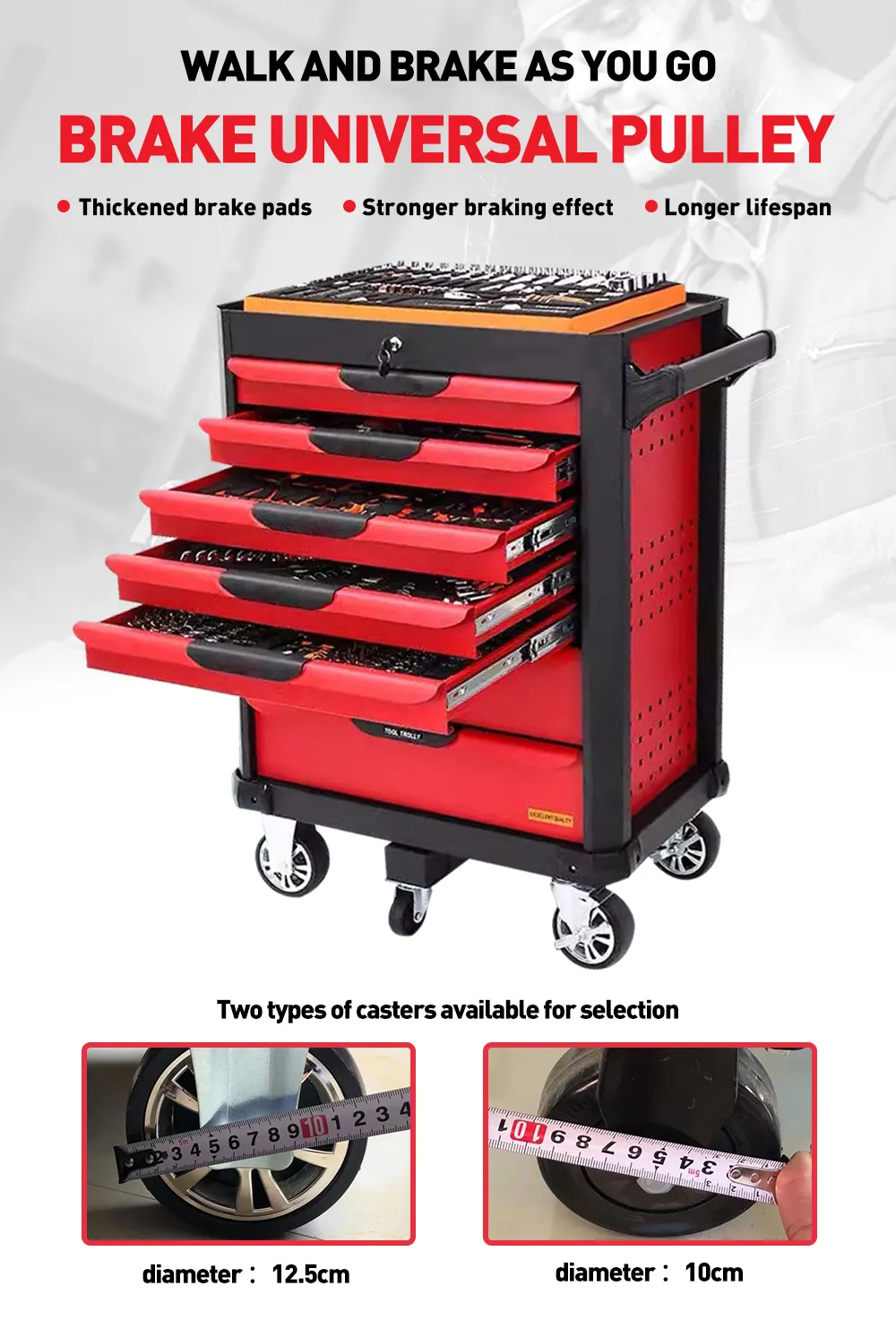
The construction of an orange tool trolley typically involves a combination of materials selected for strength, corrosion resistance, and cost-effectiveness. The primary structural component, the trolley frame, is frequently constructed from mild steel (AISI 1018) due to its weldability and affordability. However, in corrosive environments or applications demanding higher strength-to-weight ratios, stainless steel alloys (such as 304 or 316 stainless steel) are employed. The surface finish commonly involves powder coating, utilizing epoxy or polyester-based formulations, providing both aesthetic appeal and enhanced resistance to chipping, scratching, and chemical exposure. Drawer construction typically utilizes cold-rolled steel sheets (gauge ranging from 16 to 18) offering a balance of rigidity and formability. Casters, crucial for mobility, commonly employ polyurethane tires bonded to polypropylene cores. The manufacturing process begins with steel fabrication—cutting, bending, and welding—followed by surface preparation including degreasing and phosphating to promote paint adhesion. Welding processes commonly used include MIG (Gas Metal Arc Welding) and TIG (Gas Tungsten Arc Welding), selected based on the alloy being joined and required weld quality. Powder coating is applied via electrostatic spraying and cured in an oven at temperatures ranging from 180-200°C. Quality control parameters include dimensional accuracy, weld integrity inspection (visual and potentially non-destructive testing like ultrasonic testing), and coating thickness verification. Drawer slides are typically manufactured from hardened steel and subjected to rigorous cycle testing to ensure smooth operation and longevity. Careful attention is paid to load distribution during design to prevent frame deformation under maximum load conditions.
Performance & Engineering
The performance of an orange tool trolley is fundamentally governed by its structural integrity under load, its maneuverability, and its resistance to environmental factors. Force analysis dictates that the trolley frame must withstand both static loads (the weight of the tools) and dynamic loads (forces generated during movement, acceleration, and deceleration). Finite Element Analysis (FEA) is frequently employed during the design phase to optimize frame geometry and minimize stress concentrations. The caster selection is critical; factors include load capacity, rolling resistance, swivel radius, and floor surface compatibility. A key engineering consideration is stability – preventing tipping, particularly when the load is unevenly distributed. This is addressed through a wide base and a low center of gravity. In environments prone to static discharge, grounding provisions may be incorporated into the trolley’s design. Compliance requirements vary by region but typically include adherence to safety standards related to load capacity labeling, caster locking mechanisms, and material flammability. For applications in hazardous areas (e.g., petrochemical plants), explosion-proof casters and conductive materials may be mandated. Ergonomic considerations influence drawer height, handle position, and overall trolley dimensions to minimize operator strain and enhance productivity. The selection of drawer locking mechanisms (e.g., keyed locks, paddle locks) impacts security and accessibility. The durability of the powder coat finish must withstand repeated cleaning and potential contact with solvents or oils.
Technical Specifications
| Parameter | Unit | Standard Model | Heavy-Duty Model |
|---|---|---|---|
| Maximum Load Capacity | kg | 150 | 300 |
| Overall Dimensions (L x W x H) | mm | 800 x 450 x 900 | 1200 x 600 x 1000 |
| Number of Drawers | - | 5 | 7 |
| Drawer Load Capacity (per drawer) | kg | 20 | 30 |
| Caster Diameter | mm | 100 | 150 |
| Material (Frame) | - | Mild Steel (AISI 1018) | Stainless Steel (304) |
| Material (Drawer) | - | Cold-Rolled Steel | Cold-Rolled Steel |
Failure Mode & Maintenance
Orange tool trolleys, while robust, are susceptible to several failure modes. Fatigue cracking can occur in the frame, particularly at weld joints, due to repeated loading and unloading cycles. This is exacerbated by exceeding the specified load capacity. Drawer slides are prone to wear and eventual failure, manifesting as sticking or misalignment. Caster failure can result from impact damage, bearing wear, or debris accumulation. Corrosion, particularly in humid or corrosive environments, can affect the frame and drawer components if the powder coat finish is compromised. Delamination of the powder coating itself is a common issue, often caused by poor surface preparation during manufacturing or abrasion during use. Oxidation of steel components is also possible, especially if the coating is breached. Maintenance strategies include regular inspection of weld joints for cracks, lubrication of drawer slides, cleaning of casters to remove debris, and touch-up of damaged powder coating. Preventative maintenance schedules should be established based on the severity of the operating environment and the frequency of use. For heavily loaded trolleys, periodic torque checks on fasteners are recommended. Damaged casters should be replaced immediately to prevent further damage and maintain maneuverability. If corrosion is detected, the affected area should be cleaned, primed, and repainted with a compatible coating. Routine cleaning with mild detergent and water will help prevent the buildup of dirt and grime, extending the life of the trolley.
Industry FAQ
Q: What is the typical lifespan of an orange tool trolley under normal industrial use?
A: The expected lifespan varies considerably based on load frequency, environmental conditions, and maintenance practices. However, with regular maintenance and adherence to load limits, a well-constructed orange tool trolley can reliably serve for 5-10 years. More aggressive environments or heavy usage may reduce this lifespan.
Q: Can the drawers be fitted with custom foam inserts for tool organization?
A: Yes, custom foam inserts are a common and highly recommended practice. The drawer interiors are designed to accommodate foam inserts cut to the specific shapes of the tools, providing superior organization, protection during transport, and quick identification of missing tools.
Q: What is the recommended caster maintenance schedule?
A: Casters should be inspected weekly for debris, lubricated monthly with a light machine oil, and replaced immediately if any damage or excessive wear is observed. Regular cleaning prevents build-up that can significantly reduce maneuverability and increase wear.
Q: How does the powder coat finish contribute to the long-term durability of the trolley?
A: The powder coat finish provides a crucial barrier against corrosion, abrasion, and chemical exposure. It significantly extends the lifespan of the steel frame and drawers by preventing rust formation and maintaining structural integrity. Proper surface preparation before coating is critical for optimal adhesion and performance.
Q: What safety certifications should I look for when purchasing an orange tool trolley?
A: Look for trolleys that comply with relevant safety standards such as EN 1087 (European standard for tool trolleys) or equivalent national standards. Certifications demonstrate that the trolley has been tested to withstand specified loads and meet safety requirements related to stability and construction.
Conclusion
The orange tool trolley represents a fundamental, yet often underestimated, element of efficient industrial operations. Its design and manufacture are predicated on a complex interplay of material science, engineering principles, and adherence to stringent safety standards. The selection of appropriate materials – from steel alloys to polyurethane casters – directly impacts the trolley’s durability, load capacity, and resistance to environmental degradation.
Ultimately, the value of an orange tool trolley extends beyond its initial cost, providing long-term benefits through enhanced organization, reduced downtime, and improved worker safety. Proper maintenance, coupled with informed purchasing decisions based on application-specific requirements, is paramount to maximizing its operational lifespan and realizing its full potential as a crucial component of the modern workshop.
