Introduction
Portable tool trolleys represent a critical component within modern maintenance, repair, and operations (MRO) workflows, particularly across manufacturing, automotive, aerospace, and construction industries. Positioned as mobile work centers, these trolleys facilitate efficient tool organization, accessibility, and transport directly to the point of work. Unlike fixed tool storage solutions, portable trolleys address the need for flexibility and reduced downtime. Their technical position lies in optimizing technician productivity by minimizing time spent searching for tools and maximizing on-task time. Core performance characteristics include load capacity, durability of construction materials, mobility (wheel performance and locking mechanisms), and the effectiveness of organizational features (drawers, trays, and specialized tool holders). A significant pain point addressed by well-designed portable tool trolleys is the reduction of ergonomic strain associated with carrying heavy tools, mitigating potential worker injuries and improving overall workplace safety. Furthermore, effective tool control achieved through dedicated storage minimizes the risk of lost or misplaced tools, impacting project schedules and budgets.
Material Science & Manufacturing
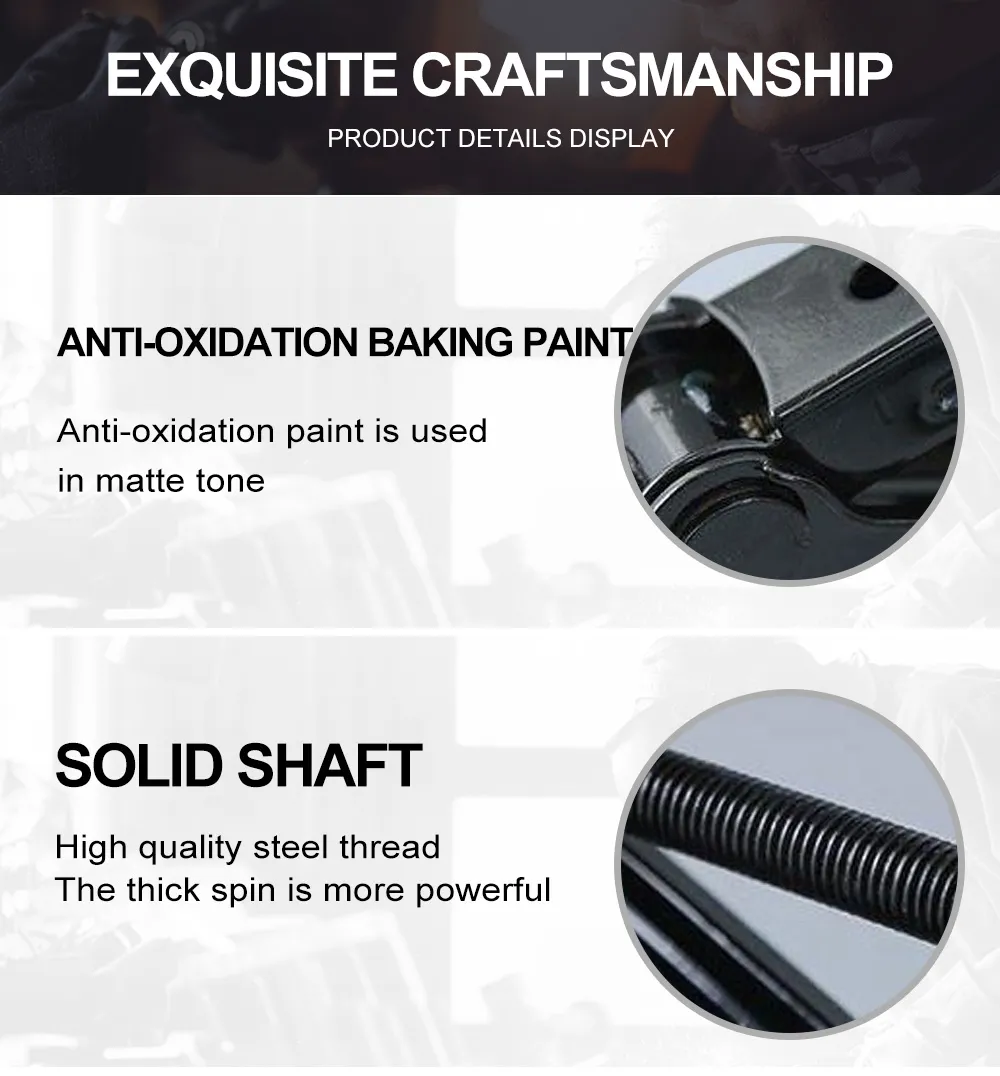
The construction of portable tool trolleys typically involves a combination of materials selected for strength, durability, and corrosion resistance. The chassis commonly utilizes steel – specifically mild steel (AISI 1018) for cost-effectiveness in lower-demand applications, or stainless steel (304/316) for environments requiring enhanced corrosion protection (e.g., marine or food processing industries). The steel undergoes processes like cold-rolled forming to achieve the desired shape and structural integrity, followed by welding (typically MIG or TIG) to join components. Welding parameters – including amperage, voltage, and gas shielding – are critical to prevent weld defects like porosity and cracking, impacting structural integrity. Drawer construction frequently utilizes polypropylene (PP) or acrylonitrile butadiene styrene (ABS) polymers due to their high impact resistance and relatively low cost. These polymers are typically manufactured through injection molding, where precise temperature control and mold design are essential to maintain dimensional accuracy. Caster wheels are often made from polyurethane (PU) or nylon, chosen for their abrasion resistance and load-bearing capacity. The manufacturing process involves rotational molding or injection molding. The surface finish is often applied through powder coating (epoxy-based) to provide a durable, corrosion-resistant exterior. Parameter control during powder coating – including electrostatic charge, curing temperature, and coating thickness – influences the coating’s adhesion and resistance to chipping and scratching. Fasteners utilized, such as bolts and screws, are typically grade 8.8 or 10.9 steel, offering high tensile strength.
Performance & Engineering
Performance evaluation of portable tool trolleys centers on load capacity, stability, and maneuverability. Load capacity is determined through static load testing, applying increasing weight to the trolley until structural deformation or failure occurs. Stability is assessed by calculating the center of gravity (CG) and ensuring it remains within the support base, even when the trolley is subjected to dynamic loads (e.g., during transport over uneven surfaces). Finite Element Analysis (FEA) is commonly employed to simulate stress distribution under various load conditions, optimizing structural design. Maneuverability is heavily influenced by caster wheel performance, including rolling resistance, swivel radius, and bearing quality. Force analysis considers the friction forces within the caster bearings and the moment required to initiate and maintain turning. Environmental resistance is crucial; trolleys used outdoors or in harsh environments must withstand exposure to UV radiation, temperature fluctuations, and corrosive agents. Compliance requirements, such as OSHA standards for workplace safety and ANSI standards for material handling equipment, dictate design features like drawer locking mechanisms and ergonomic handle heights. Furthermore, electrical conductivity (or lack thereof, if non-conductive materials are specified) may be a critical performance parameter in environments with electrical hazards. The trolley's drawer mechanism engineering must consider the force required to open and close drawers under full load. Linear guides and ball-bearing sliders are frequently used to reduce friction and ensure smooth operation.
Technical Specifications
| Load Capacity (kg) | Overall Dimensions (L x W x H) (mm) | Number of Drawers | Caster Wheel Diameter (mm) |
|---|---|---|---|
| 150 | 800 x 450 x 900 | 5 | 100 |
| 250 | 1000 x 500 x 1000 | 7 | 125 |
| 350 | 1200 x 600 x 1100 | 9 | 150 |
| 100 | 700 x 400 x 850 | 3 | 80 |
| 200 | 900 x 450 x 950 | 6 | 110 |
| 400 | 1300 x 650 x 1200 | 10 | 175 |
Failure Mode & Maintenance
Common failure modes in portable tool trolleys include caster wheel failure (bearing wear, wheel deformation), drawer slider malfunction (binding, breakage), structural deformation of the chassis (bending, cracking), and coating degradation (chipping, corrosion). Caster wheel failure often stems from overloading or traversing abrasive surfaces, leading to bearing wear and reduced maneuverability. Drawer slider malfunction can be caused by misalignment, debris accumulation, or excessive load, resulting in binding or breakage. Structural deformation typically occurs due to exceeding the load capacity or repeated impact loads, causing bending or cracking of the chassis. Coating degradation is accelerated by exposure to corrosive environments and physical abrasion. Failure analysis often involves visual inspection, non-destructive testing (NDT) such as dye penetrant inspection for crack detection, and potentially destructive testing to determine material properties. Preventative maintenance includes regular lubrication of caster wheel bearings and drawer sliders, periodic inspection for loose fasteners, and cleaning to remove debris. For steel chassis, rust prevention measures such as applying protective coatings or waxes are crucial. Drawer alignment should be checked and adjusted as needed. Damaged or worn caster wheels should be replaced promptly. Structural repairs may require welding or component replacement. Regular cleaning with mild detergents and avoiding harsh chemicals helps to maintain the integrity of the coating. Proper load distribution within the drawers is essential to prevent excessive stress on the sliders and chassis.
Industry FAQ
Q: What is the typical lifespan of a heavy-duty portable tool trolley used in a demanding manufacturing environment?
A: The lifespan is highly dependent on usage frequency, load consistently exceeding rated capacity, and maintenance practices. However, with proper care and adherence to load limits, a well-constructed trolley using quality materials (stainless steel chassis, heavy-duty casters) can realistically provide 5-7 years of reliable service. Regular inspections and preventative maintenance will extend this lifespan significantly.
Q: How does the choice of caster material impact performance on different floor surfaces (e.g., concrete, epoxy, tile)?
A: Polyurethane (PU) casters offer excellent abrasion resistance and load capacity, performing well on most surfaces including concrete and epoxy. However, they may have lower resistance to certain chemicals. Nylon casters are more cost-effective but offer less cushioning and can be noisy on hard surfaces. Rubber casters provide good grip and cushioning but are prone to wear in abrasive environments. The optimal choice depends on the specific flooring material and the operational environment.
Q: What are the key considerations when selecting a tool trolley for use in a potentially explosive atmosphere?
A: Static electricity buildup is a primary concern. The trolley must be constructed from materials that minimize static charge generation (e.g., conductive polymers or grounded metal chassis). Casters must also be conductive. Regular grounding of the trolley is essential. Compliance with relevant standards such as ATEX or IECEx is mandatory.
Q: What drawer locking mechanisms are most effective at preventing unauthorized access and tool loss during transport?
A: Central locking systems, where all drawers are secured with a single key or combination lock, offer a high level of security. Individual drawer locks provide more granular control but require more key management. Magnetic locking systems offer convenience but may be less secure. The selection depends on the value of the tools being stored and the security requirements of the environment.
Q: How does corrosion resistance impact the long-term cost of ownership for tool trolleys used in coastal or humid environments?
A: Corrosion significantly reduces the lifespan of a tool trolley. Using stainless steel (304 or 316 grade) for the chassis and employing robust powder coating with corrosion inhibitors are crucial. Regular cleaning to remove salt spray and moisture is also essential. A higher initial investment in corrosion-resistant materials translates to lower long-term maintenance and replacement costs.
Conclusion
Portable tool trolleys are indispensable assets in optimizing efficiency and safety within a wide range of industrial settings. Their effectiveness is fundamentally tied to careful material selection, precise manufacturing processes, and rigorous performance testing. The interplay between load capacity, stability, maneuverability, and environmental resistance dictates a trolley’s suitability for specific applications.
Looking ahead, advancements in materials science – such as the development of lighter, stronger, and more corrosion-resistant alloys – will drive further improvements in trolley design. Integration of smart technologies, like RFID tool tracking and digital inventory management, will enhance tool control and accountability. Prioritizing ergonomic design and robust locking mechanisms will continue to be crucial in ensuring worker safety and preventing tool loss, solidifying the position of the portable tool trolley as a critical component of modern industrial workflows.
