Introduction
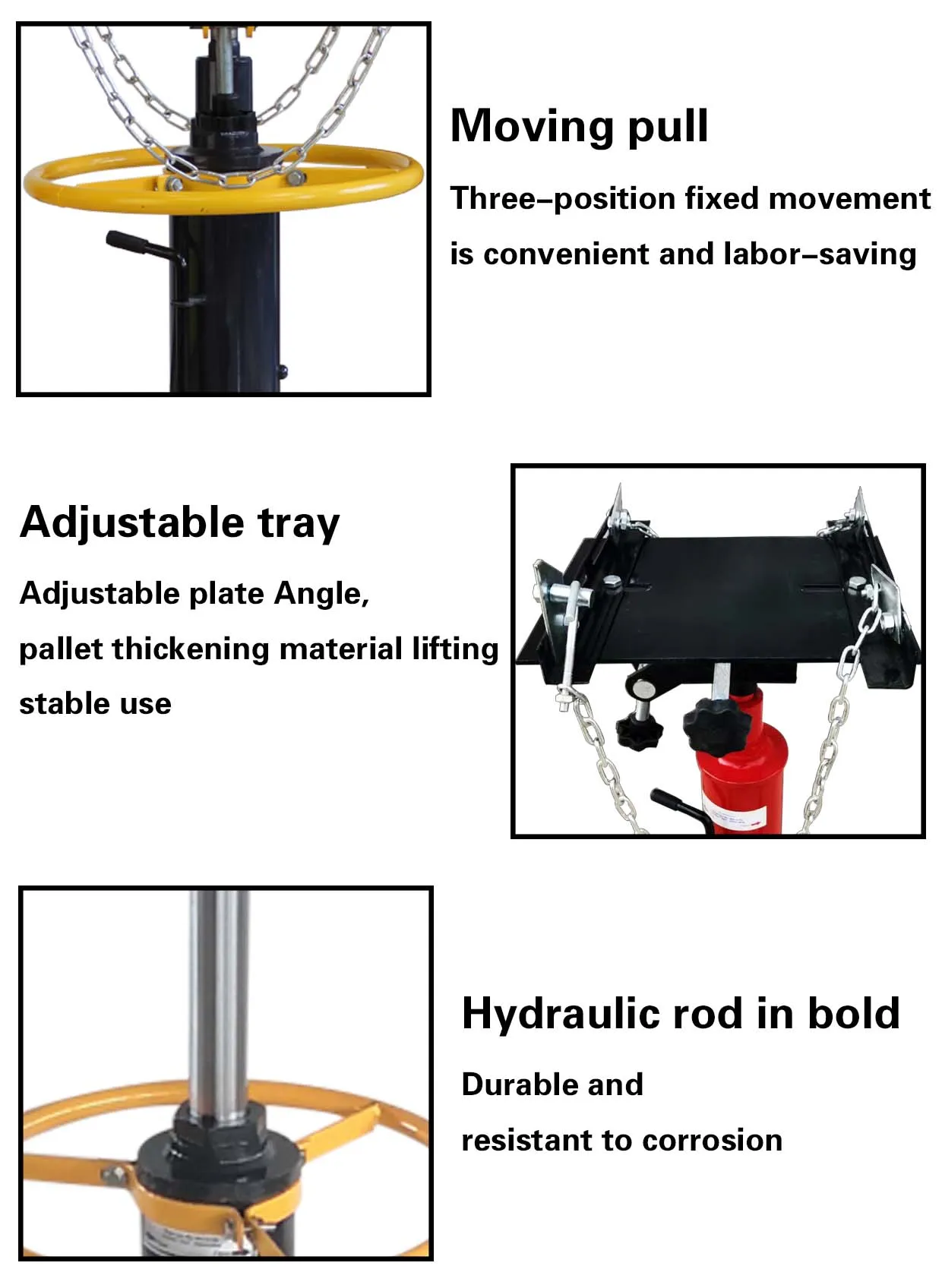
Tall car jack stands are critical lifting and support equipment utilized within the automotive maintenance and repair industry. Distinguished from standard jack stands by their extended height capacity, these stands facilitate work on larger vehicles – notably light trucks, SUVs, and vans – and provide increased clearance for comprehensive undercarriage access. Their technical position lies within the realm of mechanical safety devices, forming an essential component of vehicle restraint systems during maintenance procedures. Core performance characteristics are defined by load capacity, stability under load, height adjustability, and adherence to stringent safety standards. The increasing complexity of vehicle suspension systems and the demand for efficient repair workflows necessitate robust and reliable tall jack stands capable of accommodating a wide range of vehicle weights and lift heights. A primary industry pain point stems from inconsistent manufacturing quality, leading to potential instability and catastrophic failure, jeopardizing both personnel and vehicle integrity.
Material Science & Manufacturing
The predominant material used in tall car jack stand construction is structural grade steel, typically ASTM A572 Grade 50, selected for its high yield strength (50 ksi minimum) and weldability. The steel undergoes a manufacturing process that typically begins with plate rolling and cutting to form the stand’s structural components – base, column, and saddle. Welding, utilizing Shielded Metal Arc Welding (SMAW) or Gas Metal Arc Welding (GMAW) processes, is then employed to assemble these components. Critical weld parameters such as penetration depth, weld bead geometry, and heat input are rigorously controlled to ensure joint integrity and prevent stress concentration points. The saddle, which directly contacts the vehicle, often features a textured surface achieved through machining or stamping to enhance grip and prevent slippage. Some manufacturers utilize powder coating, typically an epoxy-based formulation, to provide corrosion resistance. The base is frequently constructed of a wider gauge steel to distribute the load effectively. Manufacturing tolerances are vital; dimensional accuracy affects stability. Quality control procedures include non-destructive testing (NDT), such as magnetic particle inspection (MPI) and ultrasonic testing (UT), to detect subsurface flaws in welds. Cast iron is sometimes employed for base components due to its excellent damping characteristics, minimizing vibrations during operation. The choice of steel grade impacts the overall weight and load-bearing capacity of the stand.
Performance & Engineering
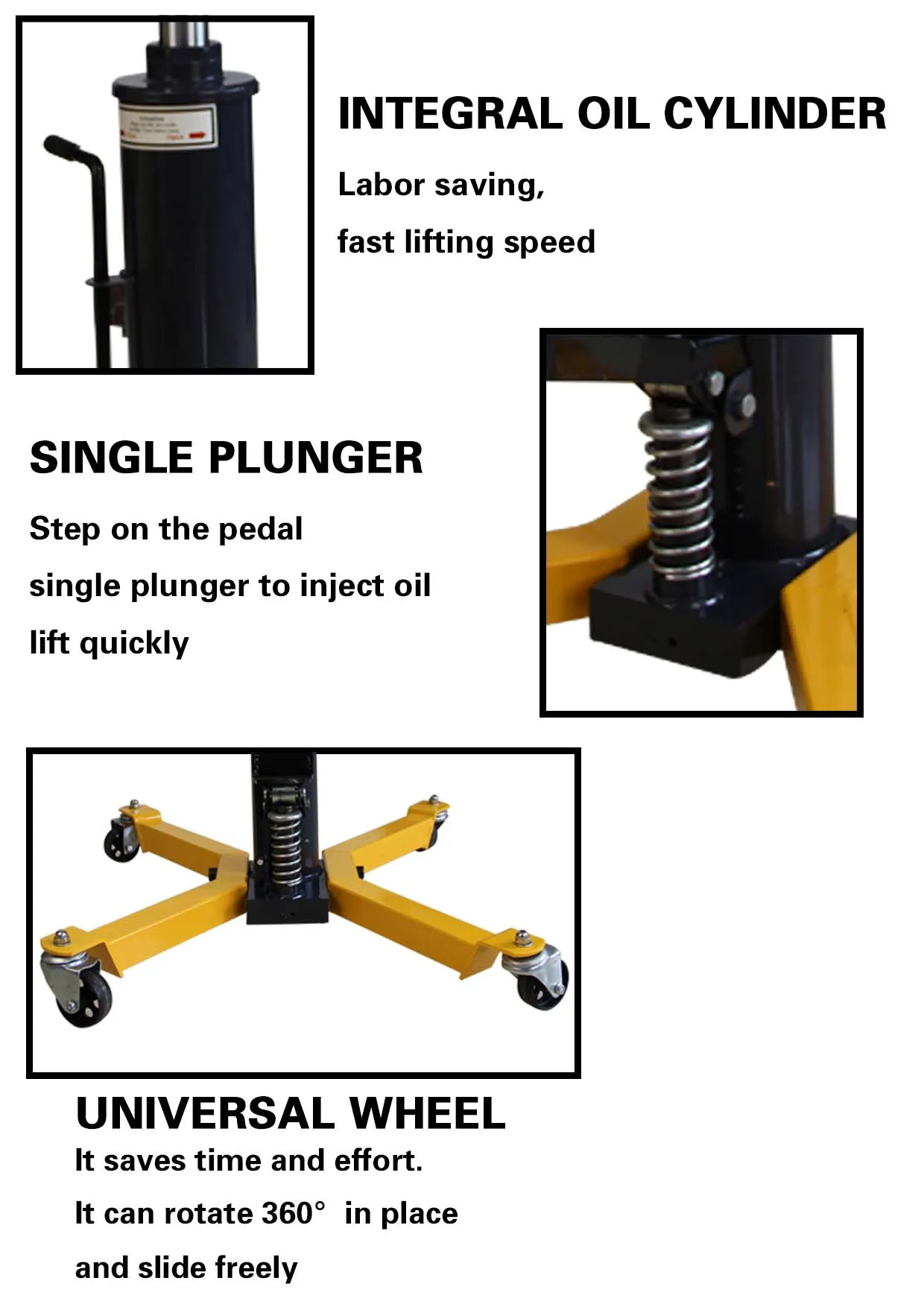
The performance of a tall car jack stand is governed by principles of structural mechanics and material science. Force analysis reveals that the primary loads are compressive, acting along the column axis. Buckling is a critical failure mode, and stand design incorporates a sufficient column cross-section and bracing to prevent instability. The saddle’s geometry is engineered to maximize contact area with the vehicle’s chassis, distributing the load effectively. Finite Element Analysis (FEA) is increasingly used to optimize stand geometry and identify potential stress concentration points. Environmental resistance, particularly to corrosion, is crucial. Exposure to road salts, moisture, and chemicals can accelerate corrosion, compromising structural integrity. Therefore, protective coatings are essential. Compliance requirements are dictated by standards such as ASME B30.23 (Safety Standard for Hydraulic and Pneumatic Hoists), which specifies load testing, marking requirements, and safety precautions. The locking mechanism, typically a pin or ratchet system, must provide positive engagement and prevent accidental disengagement under load. The stability of the stand is also significantly influenced by the floor surface; uneven surfaces can introduce tilting moments, reducing the effective load capacity. A key engineering consideration is the height adjustment mechanism, ensuring smooth operation and secure locking at various height settings. The shear strength of the locking pin material is a critical factor in preventing failure.
Technical Specifications
| Capacity (tons) | Minimum Height (in) | Maximum Height (in) | Base Diameter (in) |
|---|---|---|---|
| 3 | 16 | 29 | 8 |
| 5 | 18 | 36 | 9 |
| 6 | 20 | 42 | 10 |
| 8 | 22 | 48 | 11 |
| 10 | 24 | 54 | 12 |
| 12 | 26 | 60 | 13 |
Failure Mode & Maintenance
Common failure modes in tall car jack stands include yielding of the steel column under excessive load, buckling due to instability, fatigue cracking at weld joints, and failure of the locking mechanism. Corrosion, particularly in areas exposed to the environment, can significantly reduce the load-bearing capacity over time. Fatigue cracking typically initiates at stress concentration points, such as weld toes and areas with sharp corners. Delamination of powder coating can expose underlying steel to corrosion. Oxidation, resulting from prolonged exposure to moisture and heat, can weaken the material. Preventive maintenance is crucial. Regular inspection should focus on identifying signs of corrosion, weld defects, and damage to the locking mechanism. The locking pin should be lubricated periodically to ensure smooth operation. The stand should be cleaned regularly to remove dirt, grease, and debris. If corrosion is detected, the affected area should be cleaned, treated with a corrosion inhibitor, and repainted. Stands that have been subjected to shock loads or have been involved in an accident should be immediately removed from service. Load testing, performed annually or after any suspected damage, can verify the stand’s continued structural integrity. Replacement of worn or damaged components is essential to maintain safe operation.
Industry FAQ
Q: What is the significance of the ASME B30.23 standard for jack stands?
A: ASME B30.23 provides a comprehensive set of requirements for the design, construction, testing, and maintenance of lifting and support equipment, including jack stands. Compliance with this standard ensures that the stands meet minimum safety criteria, reducing the risk of failure and protecting personnel and property. It details load testing procedures, marking requirements, and safe operating practices. Procurement managers should demand certification of compliance to this standard from suppliers.
Q: How does the base diameter influence the stability of a tall jack stand?
A: The base diameter directly affects the stand's resistance to tipping. A larger base diameter provides a wider support footprint, increasing stability, particularly when working on uneven surfaces or with off-center loads. Engineers should consider the vehicle's center of gravity and the potential for dynamic loads when selecting a jack stand with an appropriate base diameter.
Q: What are the limitations of powder coating in preventing corrosion?
A: While powder coating provides a good level of corrosion protection, it is susceptible to chipping and scratching, exposing the underlying steel to the environment. Furthermore, powder coating alone does not prevent corrosion in submerged conditions. Periodic inspection and maintenance, including touch-up painting, are necessary to maintain its effectiveness. Consideration should be given to alternative coatings, such as galvanizing, for applications in highly corrosive environments.
Q: What is the role of Finite Element Analysis (FEA) in jack stand design?
A: FEA is a powerful computer-aided engineering tool used to simulate the structural behavior of a jack stand under various loading conditions. It allows engineers to identify stress concentration points, optimize the stand's geometry, and predict its performance before physical prototyping. This reduces development time and cost, and improves the overall safety and reliability of the product.
Q: How often should tall car jack stands be load tested?
A: It's recommended to load test tall car jack stands annually, and always after any incident where the stand has been subjected to a shock load or suspected damage. Load testing involves applying a load equal to or exceeding the rated capacity to verify the stand’s structural integrity. Load testing should be performed by qualified personnel using calibrated testing equipment and documented results should be maintained for traceability.
Conclusion
Tall car jack stands are essential safety components in automotive maintenance, demanding rigorous attention to material selection, manufacturing processes, and engineering design. Their performance relies heavily on the yield strength of the steel, the integrity of the welds, and the stability of the overall structure. The selection of a suitable stand necessitates careful consideration of the vehicle’s weight, lift height requirements, and the working environment.
Continued advancements in FEA and non-destructive testing techniques will further enhance the design and quality control of these critical safety devices. Implementing robust maintenance programs, including regular inspections and load testing, is paramount to ensuring their long-term reliability and preventing catastrophic failures. Adherence to industry standards, such as ASME B30.23, remains non-negotiable for responsible manufacturers and end-users.
